Category: Ear Care

  • Ear Health and Jaw Alignment: Understanding Their Connection

    Last Updated on 22/04/2025 by Admin

    Discovering the Complex Anatomy of the Ear and Jaw

    Exploring the Detailed Structure and Functionality of the Ear
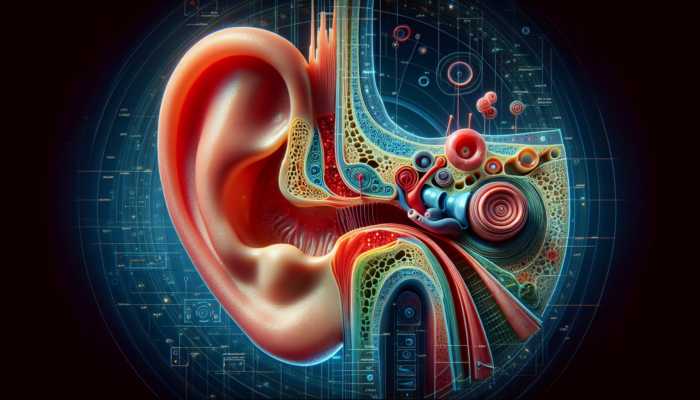
    Cross-section of human ear showing outer, middle, inner parts, labeled pinna, eardrum, ossicles, cochlea.

    The ear is an exceptionally intricate organ, expertly crafted to facilitate both hearing and balance. It consists of three primary sections: the outer ear, the middle ear, and the inner ear. Each section plays a crucial role in the auditory process. The outer ear, which encompasses the pinna and ear canal, adeptly captures sound waves and directs them towards the eardrum. This membrane vibrates in response to incoming sounds, transmitting these vibrations to the middle ear. Within this area, three minuscule bones known as the ossicles amplify these vibrations and relay them to the inner ear, where sound energy is transformed into nerve signals for the brain.

    Inside the sophisticated structure of the inner ear lies the cochlea, a spiralled organ responsible for converting these vibrations into electrical impulses that the brain interprets as sound. This conversion process is vital for understanding and interpreting auditory information. Additionally, the inner ear contains the vestibular system, instrumental in maintaining balance and spatial orientation. The anatomical closeness of the ear to the jaw, especially the temporomandibular joint (TMJ), underscores a significant relationship. Disruptions in one area can cause cascading effects in the other, potentially leading to various health issues. A thorough understanding of this intricate system is essential for exploring the relationship between ear health and jaw alignment.

    Understanding the Mechanics of the Jaw

    The jaw, or mandible, is far from a mere static bone structure; it operates dynamically and plays a crucial role in fundamental activities such as chewing, speaking, and expressing facial emotions. The mandible connects to the skull at the temporomandibular joint (TMJ), a complex joint that facilitates a range of movements, including hinging, sliding, and rotating. This flexibility is essential for daily tasks like eating and verbal communication, significantly impacting overall quality of life and social interaction.

    The mechanics of the jaw also have substantial implications on facial structure and function. Proper alignment can enhance both aesthetic appeal and functional capabilities, while misalignment can lead to numerous issues, affecting not just the jaw but also surrounding areas, including the ears. The interconnected musculature and nerve pathways linking the jaw and ear suggest that misalignment can lead to symptoms such as ear pain or tinnitus. Gaining insights into these jaw mechanics is crucial for recognising their influence on ear health and further understanding the relationship between ear health and jaw alignment.

    Examining the Interconnected Dynamics of Ear and Jaw Health

    The close anatomical relationship between the ear and jaw creates intricate interactions between these two systems. Issues that arise in the jaw can lead to discomfort and dysfunction that radiate to the ear, while problems within the ear may manifest as symptoms related to the jaw. For instance, individuals suffering from temporomandibular joint disorders (TMD) often report experiencing ear pain, frequently described as a sensation of fullness or pressure in the ear.

    This interconnectedness reveals the necessity for a multidisciplinary approach in addressing health concerns. If a patient presents with ear pain and no obvious ear pathology is identified, a thorough examination of dental health and jaw alignment may uncover underlying issues. The muscles responsible for chewing and those supporting ear function are interconnected, highlighting the importance of addressing both areas in any treatment plan. As we delve deeper into the relationship between ear health and jaw alignment, it becomes increasingly apparent that a comprehensive understanding of these systems is vital for effective diagnosis and treatment.

    Identifying Symptoms and Conditions Related to Ear and Jaw Health
    A medical illustration of common symptoms like fever, rash, headache, and related conditions like flu, allergies, migraines.

    Recognising Ear-Related Health Conditions

    Symptoms associated with ear health frequently extend beyond the ear itself. Conditions such as tinnitus, hearing loss, and ear pain are often linked to jaw misalignment. Tinnitus is characterised by a persistent ringing or buzzing sound in the ears and can arise from various sources, including issues within the auditory system and dysfunction in the jaw. Research has shown that individuals with TMD frequently experience heightened instances of tinnitus, indicating a distinct correlation between these two conditions.

    Additionally, hearing loss may also be influenced by jaw alignment. The functioning of the middle ear is closely linked to the TMJ; dysfunction in this joint can disrupt the ossicular chain, leading to decreased auditory sensitivity. Moreover, ear pain—a symptom that often raises patient concerns—may be misdiagnosed if the underlying cause is not thoroughly investigated. Often, jaw misalignment could be the hidden factor behind what appears to be an isolated ear issue. Understanding these connections is essential for both patients and practitioners, highlighting the need for a holistic approach in addressing symptoms related to the relationship between ear health and jaw alignment.

    Gaining Insights into Jaw Disorders and Their Impacts

    Temporomandibular disorders (TMD) encompass a range of conditions impacting the jaw joint and the surrounding musculature. Symptoms can vary widely, presenting as jaw pain, clicking sounds during movement, or difficulties in opening and closing the mouth. These disorders can significantly influence ear health, often causing referred pain to the ear or a sensation of fullness that can be quite disconcerting.

    The relationship between TMD and ear health underscores the critical need for comprehensive evaluation. For example, a person experiencing persistent ear pain might spend considerable time consulting otolaryngologists, only to discover that their symptoms originate from jaw mechanics rather than an ear-related condition. Misalignment of the jaw can place excessive strain on the TMJ, leading to inflammation and pain that radiates to the ear. Therefore, recognising jaw disorders is fundamental for understanding their potential effects on ear health, reinforcing the importance of considering the connection between ear health and jaw alignment during patient assessments.

    Effectively Navigating Overlapping Symptoms
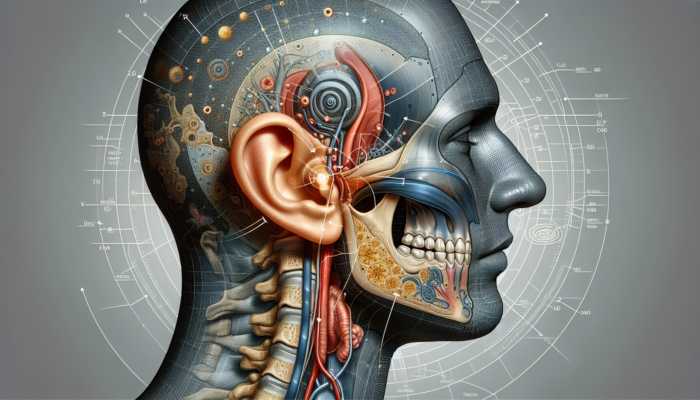
    Illustration of ear and jaw anatomy showing overlapping symptoms and potential misdiagnosis pathways.

    Patients experiencing symptoms related to both their ears and jaws often present a diagnostic challenge. The overlapping nature of these symptoms highlights the interconnectedness of the two systems. For example, an individual with jaw pain may also report ear discomfort or a sensation of pressure, indicating a possible connection that necessitates thorough investigation. This co-occurrence can result in misdiagnosis, as healthcare providers may focus on one area without considering the implications for the other.

    A multidisciplinary approach is crucial when addressing overlapping symptoms. Collaboration among dental professionals and otolaryngologists can provide a more comprehensive understanding of these symptoms. This synergy is particularly vital in developing effective treatment plans, as addressing both dental and auditory health can significantly enhance patient outcomes. Raising awareness of the potential overlap between ear and jaw symptoms fosters a more holistic approach to healthcare, emphasising the importance of recognising the connection between ear health and jaw alignment in clinical practice.

    Managing Head and Neck Pain Associated with Jaw Issues

    Chronic pain in the head and neck regions can frequently be traced back to jaw misalignment, which in turn may lead to ear-related symptoms. Conditions such as TMD can create tension in the muscles of the jaw, neck, and even the face. This tension can present as headaches, neck pain, or discomfort in the ear, creating a persistent cycle of pain that can be challenging to break.

    Recognising the broader implications of head and neck pain is vital for effective treatment strategies. Many patients may be unaware that addressing jaw misalignment can alleviate symptoms that seem unrelated, such as ear pain or chronic headaches. Healthcare providers must adopt a comprehensive approach to assessment and treatment, acknowledging the potential for jaw-related issues to impact overall health. By embracing the interconnected nature of these areas, practitioners can better serve their patients and highlight the relationship between ear health and jaw alignment in discussions about pain management strategies.

    Implementing Effective Diagnostic Approaches for Ear and Jaw Health

    Employing Medical Imaging for Accurate Diagnoses

    Medical imaging technologies, such as MRI and CT scans, serve as invaluable tools for diagnosing conditions affecting both the ear and jaw. These advanced imaging techniques provide detailed visualisations that can uncover structural abnormalities, such as misalignments or degenerative changes in the TMJ and ear structures. MRI is particularly adept at assessing soft tissue complications, enabling clinicians to visualise the disc within the TMJ and any inflammation or damage that may exist.

    In contrast, CT scans excel in providing high-resolution images of bony structures, making them ideal for identifying issues related to jaw alignment and ear anatomy. The combination of these imaging modalities significantly enhances diagnostic accuracy, allowing for a comprehensive understanding of the patient’s condition. By employing medical imaging alongside clinical assessments, healthcare professionals can better clarify the connection between ear health and jaw alignment, ultimately leading to more targeted treatment strategies and improved patient outcomes.

    The Vital Role of Clinical Examinations in Diagnosis

    Clinical examinations constitute a foundational element in diagnosing conditions related to ear and jaw health. A thorough physical examination includes evaluating the patient’s history, conducting a meticulous inspection of the jaw and ear regions, and performing functional tests to assess movement and pain levels. During this process, healthcare providers can identify signs of TMD, such as restricted jaw mobility or tenderness in the masticatory muscles.

    Additionally, assessing auditory function is imperative within this context. A comprehensive evaluation may involve hearing tests to determine if any auditory deficits are present. This combination of assessments allows clinicians to correlate findings from both the ear and jaw, offering insights into how these areas may influence each other. Recognising the importance of clinical examinations in uncovering the link between ear health and jaw alignment emphasises the necessity for a multifaceted approach to healthcare.

    Highlighting the Importance of Multidisciplinary Assessment for Comprehensive Care

    The complexity of the relationship between ear health and jaw alignment necessitates a multidisciplinary approach to assessment and treatment. Collaboration among otolaryngologists, dentists, and other healthcare professionals is essential for achieving a comprehensive diagnosis. By pooling their expertise, specialists can consider all potential factors impacting a patient’s condition, leading to more effective management strategies.

    For example, a patient presenting with ear pain may benefit from evaluations by both an ENT specialist and a dentist to identify any underlying jaw issues. This collaborative model not only enhances diagnostic accuracy but also fosters a more holistic understanding of the patient’s health. As interdisciplinary studies continue to develop, recognising the relationship between ear health and jaw alignment in healthcare will become increasingly significant, paving the way for advancements in patient care.

    The Role of Audiometric Testing in Diagnosis

    Audiometric testing plays an instrumental role in the diagnostic process for conditions affecting ear health. These tests evaluate the patient’s hearing capabilities and can help identify auditory issues related to both ear and jaw conditions. For instance, a comprehensive audiometric assessment may reveal patterns of hearing loss that correlate with jaw misalignment or TMD.

    In cases where patients present with both ear and jaw symptoms, audiometric testing provides valuable insights into the functioning of the auditory system. Understanding the interplay between these two systems is crucial for effective diagnosis and treatment. By incorporating audiometric testing into the assessment process, healthcare providers can better elucidate the link between ear health and jaw alignment, leading to more targeted interventions that address the root causes of symptoms.

    Utilising Electrophysiological Studies for Comprehensive Analysis

    Electrophysiological studies are advanced diagnostic techniques that measure nerve and muscle function, providing critical insights into disorders affecting the ear and jaw. These tests, which may include electromyography (EMG) or nerve conduction studies, can help assess the functionality of the muscles involved in chewing and those associated with hearing.

    In patients with TMD, for instance, EMG can reveal abnormal muscle activity that may contribute to ear-related symptoms. By evaluating the electrical activity of muscles and nerves, these studies provide a deeper understanding of how dysfunction in one area can lead to cascading issues in another. Highlighting the relevance of electrophysiological studies reinforces the importance of recognising the link between ear health and jaw alignment in developing effective treatment plans tailored to individual patient needs.

    Exploring Treatment Options for Ear and Jaw Health Conditions

    Implementing Conservative Treatments for Effective Relief

    For many patients experiencing symptoms related to both ear health and jaw alignment, conservative treatments offer a viable first line of defence. These methods aim to alleviate discomfort and restore function without the need for invasive procedures. Physical therapy, for example, can be remarkably effective in addressing muscle tension and improving jaw mobility. Through focused exercises, patients learn to strengthen and relax the muscles associated with the jaw, thereby reducing strain that may adversely affect ear health.

    Furthermore, medications, including anti-inflammatory drugs and muscle relaxants, can be beneficial in managing pain and discomfort associated with TMD and ear conditions. By carefully considering the specific symptoms and underlying causes, healthcare providers can tailor treatment plans that effectively address both ear and jaw health. This holistic approach underscores the importance of recognising the relationship between ear health and jaw alignment when devising effective treatment strategies that prioritise patient comfort and quality of life.

    Exploring Dental Interventions for Enhanced Health

    Dental interventions frequently serve as crucial components of treatment for individuals experiencing issues related to jaw alignment and ear health. Orthodontic treatments, such as braces or aligners, can correct misalignment of the jaw, potentially alleviating associated ear symptoms. Additionally, dental appliances, including splints or mouthguards, may be prescribed to alleviate pressure on the jaw joint, minimising discomfort and reducing the risk of teeth grinding.

    Collaborative efforts between dental and medical professionals are paramount in these cases, ensuring a comprehensive approach to patient care. By addressing jaw alignment through dental interventions, practitioners can contribute to improved ear health and overall well-being. Emphasising the role of dental professionals in understanding the connection between ear health and jaw alignment highlights the importance of a multidisciplinary strategy in effective treatment planning.

    Considering Surgical Interventions for Persistent Conditions

    In instances where conservative and dental interventions fail to provide relief, surgical options may become necessary. Surgical solutions can vary widely, from minimally invasive procedures to more extensive operations aimed at correcting structural problems in the jaw or ear. For instance, arthroscopy can address TMJ dysfunction, allowing for the removal of damaged tissue or repositioning of the joint.

    In severe cases involving chronic ear issues linked to jaw alignment, surgical intervention may be required to establish a more functional relationship between these two systems. While surgery is generally regarded as a last resort, it can offer substantial benefits for patients enduring debilitating symptoms. By recognising the potential need for surgical options, healthcare providers can better address the connection between ear health and jaw alignment and tailor treatment plans that align with patient needs and expectations.

    Implementing Preventive Measures for Optimal Health

    The Significance of Regular Health Check-ups

    Routine check-ups with both dental and ENT professionals are critical for maintaining ear and jaw health. Regular visits facilitate the early detection of potential issues, which can avert complications before they escalate. For instance, dental examinations can identify signs of jaw misalignment or TMD, enabling timely interventions that may alleviate ear-related symptoms.

    Similarly, ENT evaluations can catch auditory health concerns early on, ensuring that any overlapping symptoms are addressed before they lead to significant discomfort or dysfunction. Emphasising the importance of preventive care highlights the value of recognising the connection between ear health and jaw alignment in maintaining overall health and well-being.

    Prioritising Oral Hygiene for Preventive Care

    Maintaining good oral hygiene is fundamental for reducing the risk of developing jaw problems that can influence ear health. Poor oral hygiene may lead to dental issues such as cavities and gum disease, which can adversely affect jaw alignment and function. Additionally, untreated dental problems can create imbalances in the jaw that contribute to TMD and related symptoms.

    Encouraging patients to prioritise their oral health through regular brushing, flossing, and dental visits can help prevent the onset of conditions that may impact both the jaw and ears. By highlighting the importance of proper oral hygiene practices, healthcare providers can reinforce the significance of recognising the connection between ear health and jaw alignment in promoting holistic health.

    Making Lifestyle Changes for Healthier Outcomes

    Implementing lifestyle changes can have a profound impact on both ear and jaw health. For instance, avoiding habits such as teeth grinding or clenching can relieve unnecessary stress on the jaw joint and minimise discomfort that may radiate to the ear. Furthermore, maintaining a balanced diet rich in essential nutrients supports overall health, including the structures associated with hearing and jaw function.

    Incorporating stress management techniques, such as mindfulness and relaxation exercises, can also be beneficial. Stress can exacerbate muscle tension and contribute to jaw-related issues, leading to symptoms associated with the ear. By encouraging patients to embrace healthy habits, healthcare providers empower them to take charge of their well-being and recognise the connection between ear health and jaw alignment in their daily lives.

    Utilising Protective Gear to Prevent Injuries

    Using protective gear is vital for preventing injuries to both the jaw and ear during activities that pose a risk. For instance, wearing mouthguards during contact sports can significantly reduce the likelihood of dental injuries and jaw misalignments. Similarly, utilising ear protection in noisy environments can safeguard hearing health and prevent damage to the auditory system.

    Promoting the use of protective gear underscores the necessity of proactive measures in preserving ear and jaw health. By emphasising the importance of safety during high-risk activities, healthcare professionals contribute to a greater awareness of the connection between ear health and jaw alignment, ultimately supporting patient well-being and reducing the incidence of related health issues.

    Understanding the Impact on Quality of Life

    Overcoming Communication Barriers Related to Ear and Jaw Health

    Addressing ear and jaw health is essential for effective communication. Individuals experiencing ear issues, such as hearing loss or tinnitus, may find it challenging to engage in conversations, leading to feelings of frustration and isolation. Similarly, jaw-related problems can affect speech clarity, further complicating interpersonal interactions and social engagement.

    The interplay between these two areas can significantly impact a person’s social and professional life. Individuals may withdraw from social situations due to embarrassment or discomfort, ultimately diminishing their quality of life. Recognising the interconnectedness of ear and jaw health reinforces the importance of addressing both systems to promote effective communication and overall well-being. Understanding the connection between ear health and jaw alignment is crucial for healthcare providers working to support patients in maintaining healthy relationships and fulfilling lives.

    Effectively Managing Pain and Discomfort

    Chronic pain stemming from ear and jaw issues can have debilitating effects on daily life. Individuals may experience persistent discomfort that limits their ability to engage in everyday activities, from eating and speaking to participating in hobbies and social gatherings. This ongoing pain can create a cycle of frustration, significantly impacting mental health and overall well-being.

    Moreover, the effects of pain can extend beyond physical discomfort. Individuals may experience anxiety or depression due to the persistent nature of their symptoms, leading to further complications in their lives. Acknowledging the significant impact of pain on quality of life underscores the need for a comprehensive understanding of the connection between ear health and jaw alignment, enabling healthcare providers to offer targeted support that addresses both physical and emotional well-being.

    Recognising the Psychological Effects of Chronic Conditions

    The psychological ramifications of chronic ear and jaw issues cannot be underestimated. Persistent symptoms can lead to increased stress and anxiety, as individuals grapple with the uncertainty of their conditions and the limitations imposed on their lives. Feelings of helplessness and frustration can emerge, resulting in a diminished quality of life and social engagement.

    Furthermore, social withdrawal due to communication challenges or pain can amplify feelings of isolation. Understanding the psychological impacts of these conditions is essential for healthcare providers, as it highlights the need for a holistic approach to treatment that considers both physical and mental health. By recognising the connection between ear health and jaw alignment, practitioners can better support their patients in navigating the complexities of their experiences and fostering resilience in the face of adversity.

    Addressing Sleep Disturbances Linked to Ear and Jaw Conditions

    Conditions affecting ear and jaw health can significantly disrupt sleep patterns, leading to fatigue and a diminished quality of life. Individuals with TMD may struggle to find comfortable sleeping positions, while those experiencing ear pain or discomfort may have difficulty falling or staying asleep throughout the night.

    Sleep disturbances can precipitate various negative outcomes, including increased irritability, difficulty concentrating, and impaired cognitive function. The interplay between ear and jaw conditions necessitates a comprehensive understanding of how these issues can impact sleep, enabling healthcare providers to develop targeted interventions that promote restorative rest. By addressing the connection between ear health and jaw alignment, practitioners can enhance their patients’ overall quality of life and support better sleep habits.

    Future Research Directions in Ear and Jaw Health

    Embracing Technological Innovations for Enhanced Outcomes

    The future of diagnostic and treatment approaches for conditions affecting ear and jaw health appears promising, thanks to rapid technological advancements. Emerging technologies, such as artificial intelligence and machine learning, present new avenues for improving diagnostics and tailoring treatment plans. For instance, AI-driven imaging analysis may enhance the accuracy of detecting structural abnormalities in the jaw and ear, leading to more effective interventions.

    Moreover, telemedicine technologies are increasingly being utilised to provide remote consultations and follow-ups, making healthcare more accessible to individuals in underserved areas. Exploring the role of technology in addressing the connection between ear health and jaw alignment presents exciting opportunities for improving patient care and outcomes, paving the way for more efficient and effective treatment strategies.

    Advancing Interdisciplinary Research for Comprehensive Insights

    The significance of interdisciplinary research cannot be overstated when examining the relationship between ear health and jaw alignment. Studies that integrate insights from dentistry, otolaryngology, and other relevant fields can yield new understandings of how these two areas interact. Collaborative studies may unearth novel connections, leading to more targeted treatment approaches and improved patient outcomes.

    As the scientific community continues to emphasise the importance of interdisciplinary collaboration, healthcare providers can better address the complexities of conditions affecting both ear and jaw health. Recognising and exploring the connection between ear health and jaw alignment within the context of interdisciplinary research will pave the way for advancements in patient care and promote a more comprehensive understanding of these interconnected systems.

    Enhancing Public Awareness for Improved Health Outcomes

    Increasing public awareness about the relationship between ear health and jaw alignment is vital for promoting early intervention and preventive care. Educational initiatives aimed at both healthcare professionals and the general public can help foster a better understanding of how these systems interact and the importance of seeking comprehensive care.

    By raising awareness, individuals may be more inclined to recognise symptoms that warrant attention, empowering them to seek appropriate evaluations and treatment. Public health campaigns that highlight the connection between ear health and jaw alignment can encourage proactive health management and ultimately lead to improved outcomes for patients experiencing related conditions.

    Frequently Asked Questions (FAQs)

    How are ear health and jaw alignment related?

    The close anatomical relationship between the ear and jaw implies that issues in one area can significantly affect the other. Misalignment of the jaw can lead to symptoms such as ear pain or tinnitus, underscoring the interconnected nature of these systems.

    Can jaw issues lead to ear pain?

    Yes, problems related to the jaw, particularly temporomandibular disorders (TMD), can result in ear pain or a sensation of fullness in the ear. This occurs due to the shared musculature and nerve pathways between the jaw and ear.

    What preventive measures can I take for ear and jaw health?

    Maintaining good oral hygiene, scheduling regular check-ups with dental and ENT professionals, and managing stress are effective strategies to prevent issues related to ear and jaw health.

    What treatments are available for TMD-related ear symptoms?

    Treatment options may include physical therapy, dental interventions such as orthodontics or splints, and, in severe cases, surgical solutions. A multidisciplinary approach is often necessary for effective management.

    Is there a connection between tinnitus and jaw alignment?

    Yes, studies indicate that individuals with TMD often report experiencing tinnitus. Misalignment of the jaw can lead to dysfunction within the auditory system, thereby contributing to this condition.

    How can lifestyle changes improve ear and jaw health?

    Lifestyle adjustments, such as avoiding teeth grinding, maintaining a balanced diet, and practising stress management techniques, can significantly enhance both ear and jaw health.

    What role does medical imaging play in diagnosing ear and jaw issues?

    Medical imaging techniques like MRI and CT scans provide detailed insights into structural abnormalities, aiding healthcare providers in accurately diagnosing conditions affecting both the ear and jaw.

    Can physical therapy assist with ear and jaw problems?

    Yes, physical therapy can help alleviate muscle tension and improve jaw function, which may, in turn, relieve ear-related symptoms associated with TMD or jaw misalignment.

    Are surgical options effective for treating ear and jaw disorders?

    In cases where conservative treatments fail, surgical options can be effective in correcting structural problems in the jaw or ear, leading to substantial symptom relief for patients.

    Why is multidisciplinary care essential for ear and jaw health?

    Multidisciplinary care ensures that all aspects of a patient’s condition are taken into account, allowing for a comprehensive approach to diagnosis and treatment that addresses the interconnected nature of ear and jaw health.

    Explore our journey on X!

    The post Ear Health and Jaw Alignment: Understanding the Connection appeared first on The Microsuction Ear Wax Removal Network.

    Originally posted 2025-04-23 03:12:27.

    The post Ear Health and Jaw Alignment: Exploring Their Link appeared first on Healthcare Marketing Service.

  • Microsuction for Ear Wax Removal: Who Should Steer Clear?

    Last Updated on 8th April 2025 by Admin

    Ear wax, scientifically termed cerumen, serves as a protective agent produced by the ear to shield its sensitive structures from dust, debris, and potential infections. While ear wax plays a crucial role in maintaining ear health, an excessive accumulation can result in discomfort, reduced hearing ability, and a range of complications. To effectively manage this concern, various ear wax removal techniques are available, among which microsuction stands out as a modern and efficient option.

    Discover the Details of the Microsuction Ear Wax Removal Procedure

    Before delving into the possible risks associated with ear wax removal, it is indispensable to understand the mechanics of microsuction. This procedure is recognised as safe and effective, executed by qualified healthcare professionals who aim to eliminate excessive ear wax. Employing a specialised suction device, microsuction gently removes wax from the ear canal. Conducted in a sterile environment, this approach significantly minimises the risk of infection, ensuring that patients seeking relief from ear wax build-up can do so safely and confidently.

    Microsuction offers numerous advantages over traditional ear wax removal techniques. It enhances visual clarity within the ear canal, facilitating precise wax extraction while protecting the ear’s delicate structures. The combination of a microscope and a small suction tube enables trained audiologists or ENT specialists to perform the procedure with accuracy. Furthermore, the process is typically swift, lasting between 15 to 30 minutes, making it a convenient option for individuals with busy lifestyles.

    Examine the Risks Associated with Microsuction Ear Wax Removal

    Close-up of ear with medical suction tool, warning symbols in background, illustrating microsuction risks.

    Although microsuction is generally seen as a safe procedure, it is vital to be aware of certain risks that may arise. Recognising these potential hazards is essential for making informed decisions regarding ear wax removal. Here are crucial factors that may increase the risks associated with microsuction:

    1. What Are the Risks Related to Active Ear Infections?

    Individuals suffering from an active ear infection should refrain from undergoing microsuction. The procedure could worsen the infection or potentially spread it to other areas within the ear. It is essential to treat the infection first and consult a healthcare professional before considering any ear wax removal methods to ensure safety and efficacy.

    2. What Are the Dangers of a Perforated Eardrum?

    A perforated eardrum, also known as tympanic membrane perforation, can complicate the microsuction process. The suction pressure applied during the procedure may further damage the eardrum or lead to serious complications. If you suspect a perforated eardrum, it is crucial to seek immediate medical advice before considering any ear wax removal procedure to avoid exacerbating the condition.

    3. What Considerations Should Be Made for Individuals with a History of Ear Surgery?

    Individuals who have undergone recent ear surgeries or possess a history of such procedures must consult their healthcare provider before opting for microsuction. The procedure may risk reopening surgical wounds or damaging healing tissues. Ensuring complete healing of the ear is paramount before considering microsuction as a viable treatment option.

    4. What Challenges Do Individuals with Naturally Narrow Ear Canals Face?

    Some individuals have naturally narrow ear canals, which can complicate the safe execution of microsuction. In such cases, alternative methods—such as ear irrigation or manual removal conducted by an otolaryngologist—may be more appropriate. Ear irrigation involves gently flushing warm water into the ear canal to dislodge and remove wax, while manual removal employs specialised tools like small forceps or curettes. These approaches effectively eliminate ear wax without risking injury to the ear canal.

    5. What Are the Implications of Skin Conditions or Allergies on Microsuction?

    Those with skin conditions such as eczema or dermatitis, or individuals allergic to substances used during microsuction (such as sterilising agents or lubricants), should inform their healthcare provider prior to the procedure. Taking necessary precautions can help prevent adverse reactions or complications. It is crucial for healthcare professionals to be aware of any underlying skin issues or allergies to ensure the patient’s safety and well-being during the procedure.

    Investigate Safe Alternative Methods for Effective Ear Wax Removal

    Close-up of ear with water flushing, otolaryngologist using forceps, and ear drops on clinical background.

    For individuals advised against microsuction, various alternative methods exist that can effectively and safely remove excess ear wax. Here are some viable options:

    • Ear Irrigation: Commonly known as ear syringing or ear flushing, this technique involves introducing warm water into the ear canal to dislodge and eliminate wax. It is a gentle, non-invasive procedure that effectively addresses ear wax accumulation for individuals unsuitable for microsuction.

    • Manual Removal by Specialists: An otolaryngologist or ear, nose, and throat specialist can perform manual ear wax removal using specialised tools like small forceps or curettes. This method allows for precise wax extraction and is particularly suitable for individuals with specific conditions that make microsuction unsafe.

    • Over-the-Counter Ear Drops: A variety of ear drops available at pharmacies can help soften ear wax, making it easier to remove naturally or through alternative methods. These drops typically contain ingredients like hydrogen peroxide or saline solution, which assist in breaking down the wax and facilitating its removal.

    It is essential to consult with a healthcare professional to identify the most appropriate ear wax removal method based on individual circumstances and medical history. They can assess the condition of the ears, evaluate any underlying medical issues or allergies, and recommend the safest and most effective ear wax removal approach accordingly.

    Prioritise Your Ear Health by Exploring the Best Ear Wax Removal Options

    Microsuction is widely regarded as a safe and effective method for ear wax removal; however, certain individuals should avoid this procedure due to specific medical conditions or concerns. It is crucial to carefully weigh the potential risks associated with microsuction and consult with a healthcare professional to explore alternative ear wax removal options. By prioritising these considerations, you can ensure the safety and health of your ears while maintaining optimal hearing capabilities. It is essential to take into account the individual’s unique circumstances and medical history to determine the most appropriate approach for ear wax removal.

    Frequently Asked Questions Regarding Ear Wax Removal

    1. Who Should Refrain from Microsuction for Ear Wax Removal?

      Individuals with an active ear infection should avoid microsuction. Furthermore, those with a perforated eardrum, a history of ear surgeries, narrow ear canals, or skin conditions and allergies should consult with a healthcare professional before considering microsuction.

    2. What Are the Potential Risks Associated with Microsuction?

      The potential risks of microsuction include aggravating or spreading an ear infection, damaging a perforated eardrum, reopening surgical wounds, or harming healing tissues for individuals with a history of ear surgeries, as well as complications in safely performing the procedure for those with narrow ear canals.

    3. What Are the Alternative Methods for Ear Wax Removal?

      Alternative methods for ear wax removal include ear irrigation (ear syringing or flushing with warm water), manual removal by an otolaryngologist using specialised tools, and the application of over-the-counter ear drops to soften the wax.

    4. How Should I Choose the Most Suitable Method for Ear Wax Removal?

      Consulting with a healthcare professional is vital for determining the most appropriate ear wax removal method based on individual circumstances and medical history. They will evaluate the state of the ears, assess any underlying medical conditions or allergies, and recommend the safest and most effective method accordingly.

    Originally posted 2022-02-04 02:40:23.

    The post Microsuction for Ear Wax Removal: Who Should Avoid It? appeared first on Healthcare Marketing Service.

  • Ear Wax Removal Practitioners: A Comprehensive Review

    In-Depth Exploration and Comparison of Ear Wax Removal Methods

    When evaluating the numerous methods for ear wax removal, it is vital to comprehend the extensive array of options available, ranging from home remedies to professional procedures offered by healthcare providers. This article aims to thoroughly investigate and compare various manual instrument ear wax removal techniques. Our detailed analysis will encompass the advantages and disadvantages of each method, as well as their overall effectiveness, thereby equipping you with the essential insights needed to make an informed decision regarding your ear health and well-being.

    The accumulation of ear wax can result in discomfort, auditory difficulties, and even infections if not properly addressed. Choosing a method that aligns with your specific needs is crucial for ensuring the safe and effective removal of ear wax. Join us as we explore the diverse manual instrument ear wax removal techniques, highlighting their respective advantages and disadvantages for your careful consideration.

    1. Mastering the Ear Pick Technique for Precise Ear Cleaning

    An ear pick gently removing earwax from an ear canal, highlighting the tool's precision.

    The ear pick method, often referred to as ear cleaning with a curette, is a widely recognised technique for the manual removal of ear wax. This method employs a specially designed instrument known as a curette to gently scoop out the ear wax from the ear canal, providing a precise and targeted approach to cleaning. It is essential to understand the technique thoroughly to ensure optimal effectiveness and safety.

    Discover the Key Advantages of the Ear Pick Method:

    • This method effectively addresses stubborn or impacted ear wax, as the precise scooping action allows for targeted removal. Consequently, it is a preferred choice for individuals dealing with significant build-up.
    • It provides excellent control during the cleaning process, enabling the user to regulate the pressure applied, ensuring a gentle and controlled experience while cleaning the ear.
    • With appropriate training and technique, individuals can perform the ear pick method at home. Alternatively, an audiologist can assist those who prefer professional help. However, it is crucial to avoid self-removal without adequate knowledge, as this could lead to potential damage to the eardrum or ear canal.

    Evaluate the Considerations and Disadvantages of the Ear Pick Technique:

    • Proper training and technique are essential to mitigate the risk of injury to the eardrum and ear canal, underscoring the importance of understanding the method thoroughly before attempting.
    • The procedure may cause discomfort or pain if not executed correctly, particularly if the instrument is inserted too deeply or with excessive force. Therefore, careful handling is crucial to avoid adverse experiences.
    • Individuals with a history of ear infections or eardrum perforations should refrain from using the ear pick method, as it may exacerbate their condition and lead to further complications.
    • Accessing deep-seated ear wax can be challenging, thereby limiting the effectiveness of the ear pick method for certain individuals.

    2. Comprehensive Overview of Ear Irrigation for Effective Wax Removal

    A medical professional using an irrigation device to flush warm water into a patient's ear for wax removal.

    Ear irrigation, commonly referred to as ear syringing, is a popular method employed by GP practices for effective ear wax removal. This technique entails flushing the ear canal with a gentle stream of warm water using a specialised irrigation device, promoting a thorough cleaning experience and effectively dislodging ear wax.

    Understand the Benefits of Ear Irrigation for Wax Removal:

    • This method is particularly effective for removing excessive and stubborn ear wax, ensuring that impacted wax is dislodged efficiently and safely.
    • The gentle flow of warm water provides a thorough cleaning of the ear canal, facilitating the removal of ear wax and ensuring a clean auditory passage.
    • Although ear irrigation can be performed at home, it is highly recommended to have it executed by a healthcare professional such as an audiologist, nurse, or ENT specialist. Their expertise and equipment ensure a safe and effective process.
    • Ear irrigation is typically a quick and painless procedure when performed correctly, offering a convenient solution for various ear wax issues.

    Identify the Potential Risks and Disadvantages of Ear Irrigation:

    • This method is not advisable for individuals with a history of ear infections or eardrum perforations, as introducing water may exacerbate their condition and lead to further complications.
    • Special care must be taken to avoid damaging the eardrum or inadvertently pushing the wax deeper into the ear canal. Improper technique or excessive force during irrigation can lead to serious complications.
    • Some patients may experience temporary discomfort or dizziness during the procedure; however, these symptoms usually resolve quickly once the procedure is completed.
    • It is crucial to receive thorough training or seek professional assistance to ensure the procedure is performed safely and effectively, thereby minimising risks.

    3. Investigating Ear Candling: An Alternative Approach to Wax Removal

    A person undergoing ear candling in a spa, with a lit cone in their ear for wax removal.

    Ear candling is a controversial technique often utilised for ear wax removal. This method involves inserting a hollow candle-like cone into the ear canal and lighting it, purportedly creating a suction effect that draws out ear wax. However, its efficacy remains widely debated among medical professionals.

    Explore the Possible Benefits of Ear Candling:

    • Some individuals report that ear candling can provide a relaxing experience, offering a sense of comfort during the process, which may contribute to its popularity.
    • There may be a placebo effect for certain users; while scientific evidence supporting the effectiveness of ear candling is limited, some individuals perceive relief from their symptoms.

    Consider Key Drawbacks and Risks of Ear Candling:

    • The most significant drawback is the lack of scientific evidence validating its effectiveness in ear wax removal. Consequently, it is essential to approach this method with caution and a healthy degree of skepticism.
    • The open flame utilised in ear candling poses a considerable risk of burns and wax drippings, which can lead to injury in the ear canal if not managed correctly.
    • There is a risk that ear candling may inadvertently push ear wax deeper into the ear canal, potentially worsening the issue instead of resolving it.
    • Due to the aforementioned risks and the absence of scientific support, medical professionals generally do not endorse this method for ear wax removal, favouring safer alternatives.

    4. Evaluating the Efficacy of Ear Drops for Softening Ear Wax

    Ear drops are a widely used over-the-counter remedy designed to soften ear wax, making it easier to remove either manually or through natural processes. These drops typically contain oil-based solutions that assist in breaking down and loosening ear wax, facilitating its removal.

    Recognise the Advantages of Using Ear Drops:

    • These drops are easy to use and incredibly convenient for home application, readily available over the counter, making them an accessible option for many individuals seeking relief.
    • Ear drops effectively soften ear wax, aiding in its removal either through manual methods, natural expulsion, or with the assistance of an audiologist.
    • They are widely available and affordably priced, making them a popular choice for those looking to address ear wax build-up without significant financial burden.
    • When used according to the package instructions, ear drops are generally safe, posing minimal risk of adverse effects, thus ensuring peace of mind.

    Understand the Drawbacks of Using Ear Drops:

    • While ear drops can effectively soften ear wax, they may not be adequate for removing stubborn or impacted wax, which may necessitate additional manual intervention from a professional.
    • Some individuals may experience temporary discomfort, a sensation of fullness, or mild sensations in the ear during or after using ear drops, which should be monitored closely.
    • Ear drops should not be regarded as a standalone method for ear wax removal; they are best used in conjunction with other manual techniques to enhance the overall removal process.

    Engage with Audiologists for Safe and Effective Ear Wax Management

    In summary, the various manual instrument ear wax removal practices present numerous options for individuals aiming to address ear wax accumulation. The choice of method will largely depend on personal preferences, the severity of the ear wax build-up, and any pre-existing conditions or health concerns. It is always advisable to consult with an audiologist prior to attempting any manual ear wax removal techniques, as they can provide tailored guidance based on your specific situation. Remember that maintaining proper technique, exercising caution, and prioritising ear hygiene are fundamental components of preserving your ear health and preventing possible complications.

    Essential Frequently Asked Questions about Ear Wax Removal

    Is it Safe to Perform Ear Irrigation at Home?

    Yes, while ear irrigation can technically be done at home, it is highly recommended to have the procedure performed by a qualified healthcare professional to ensure safe and effective results, minimising potential risks.

    Does Ear Candling Have Scientific Support for Its Effectiveness?

    No, there is a significant lack of scientific evidence demonstrating the efficacy of ear candling for removing ear wax. Consequently, medical professionals typically do not endorse this method, highlighting the importance of safer alternatives.

    Are Ear Drops Effective in Removing Stubborn Ear Wax?

    Ear drops can effectively soften ear wax; however, they may not be sufficient for removing stubborn or impacted wax, necessitating additional manual intervention in such cases for optimal results.

    Originally posted 2022-02-01 01:53:36.

    The post Manual Instrument Ear Wax Removal Practitioners Reviewed appeared first on Healthcare Marketing Service.

  • Ear Wax: Understanding Its Functions and Importance in the Canal

    Ear wax, scientifically known as cerumen, is a naturally occurring substance produced by specialised glands located in the ear canal. While many individuals may consider ear wax to be an inconvenience, it actually plays a vital role in maintaining overall ear health and functionality. In this detailed article, we will delve into the numerous aspects of ear wax, its significant functions, and practical strategies for effectively managing it to ensure optimal ear hygiene and health.

    Discover the Composition and Unique Characteristics of Ear Wax

    Ear wax is a waxy substance secreted by ceruminous glands found within the ear canal. These glands produce ear wax, which comprises a combination of several substances, including dead skin cells, hair, and various secretions from the glands themselves. The consistency of ear wax can vary significantly among individuals, ranging from dry and flaky to moist and sticky. This variability is influenced by genetic factors and environmental conditions, leading to the diverse experiences people have with ear wax.

    Furthermore, the characteristics of ear wax can offer valuable insights into an individual’s health and hygiene practices. The production and consistency of ear wax reflect the body’s natural processes and indicate how well the ear is functioning in terms of self-maintenance and protection. A comprehensive understanding of ear wax, including its composition and variability, is essential for appreciating its crucial role in ear health.

    Uncovering the Essential Functions of Ear Wax in Ear Health

    A cross-section of an ear showing ear wax's protective and cleansing functions in vibrant colours.

    Despite its reputation as a nuisance, ear wax serves several crucial functions that significantly contribute to ear health and well-being:

    1. Natural Protection Against Harmful Elements

    One of the primary roles of ear wax is to function as a protective barrier for the delicate structures within the ear. It acts as a natural defence mechanism, effectively preventing foreign debris, dust, and insects from entering the ear canal. The sticky nature of ear wax traps these particles, preventing them from reaching the eardrum, which could otherwise result in damage or infection. This protective role is essential, as it helps maintain overall ear health, contributing to improved hearing and reducing the risk of complications.

    Moreover, ear wax plays a significant role in maintaining the ear’s ecosystem by creating an unfavourable environment for harmful microorganisms. This defence mechanism ensures that the ear canal remains clean and less susceptible to infections, thereby preserving auditory function and overall ear health.

    2. Essential Lubrication for Optimal Ear Canal Health

    Ear wax serves not only as a protective barrier but also as a natural lubricant for the ear canal. The natural lubricants present within ear wax help to keep the ear canal moist, preventing dryness and associated itching or discomfort. This moisture is critical for maintaining the health of the skin lining the ear canal, as adequate lubrication prevents irritation and promotes skin integrity. Without sufficient moisture, the delicate skin in the ear canal can become dry, leading to discomfort and potential complications such as infections.

    Additionally, the lubricating properties of ear wax facilitate the natural movement of wax towards the ear’s opening, promoting a self-cleaning mechanism that supports ear health. This self-cleaning process ensures that the ear remains comfortable and functions optimally, allowing for clear hearing and an enjoyable auditory experience.

    3. The Natural Self-Cleaning Mechanism of the Ear

    Cross-section of ear canal showing ear wax migration, removing dirt and debris for cleanliness and health.

    The production of ear wax is a self-regulating process that aids in the removal of dirt and debris from the ear canal. As new ear wax is generated, older wax gradually migrates towards the opening of the ear, carrying along any trapped particles. This self-cleaning mechanism is an essential process that helps keep the ear canal clear and free from blockages. The regular movement of ear wax ensures that the ear remains clean and functional, allowing for optimal hearing and reducing the likelihood of infections.

    This natural cleaning process is crucial, as it prevents the accumulation of excessive ear wax that can lead to blockages. By understanding the self-cleaning capabilities of ear wax, individuals can take appropriate steps to support their ear health and maintain optimal auditory function.

    Recognising the Different Types of Ear Wax

    There are two primary types of ear wax, each exhibiting distinct characteristics that can influence ear health:

    1. Wet Ear Wax: Characteristics and Implications for Ear Health

    Wet ear wax, also referred to as cerumen lipidicum, is the most common type found among the majority of individuals. It typically presents with a softer and more moist consistency, making it easier to expel naturally from the ear canal. People with wet ear wax generally experience a lower risk of ear wax blockages, as the consistency allows for better movement and cleaning of the ear.

    This type of ear wax is often yellow or brown in colour and is indicative of a healthy ear environment. Individuals with wet ear wax may find that their ears feel cleaner and more comfortable, further supporting the health of their auditory system.

    2. Dry Ear Wax: Understanding Its Unique Properties and Management

    Close-up of dry, flaky ear wax, gray and beige, typical of East Asian descent.

    Dry ear wax, scientifically termed as cerumen desiccans, possesses a distinct dry and flaky texture. It is typically grey or beige in colour and is more prevalent among individuals of East Asian descent. This type of ear wax can sometimes lead to a higher risk of ear wax blockages, as its consistency makes it less likely to be expelled naturally from the ear canal.

    While the presence of dry ear wax is primarily determined by genetics and does not necessarily indicate any health concerns, individuals with this type of ear wax may need to adopt a more proactive approach to managing their ear hygiene to prevent blockages and maintain optimal ear function.

    Implementing Effective Strategies for Managing Ear Wax Accumulation

    While ear wax is a natural and necessary substance, excessive accumulation can lead to discomfort, impaired hearing, or even infection. Here are some practical tips for managing ear wax effectively:

    1. Refrain from Using Q-Tips or Cotton Swabs for Ear Cleaning

    Contrary to popular belief, inserting Q-tips or cotton swabs into the ear canal can do more harm than good. These tools can inadvertently push ear wax further into the canal, leading to blockages or even injury. Instead, it is advisable to use a warm washcloth to clean the external parts of the ear. This gentle cleaning method helps maintain hygiene without disrupting the natural ear wax production and self-cleaning processes.

    Utilising the right techniques for ear cleaning can significantly reduce the risk of complications and support overall ear health. By avoiding Q-tips and similar objects, individuals can ensure their ears remain comfortable and free from excess wax.

    2. Allow the Ear to Self-Clean Naturally for Optimal Hygiene

    In most cases, the ear is capable of naturally expelling excess ear wax. It is essential to avoid using any tools or objects to remove the wax, as this can disrupt the self-cleaning process and potentially cause harm. Instead, gently clean the outer ear with a washcloth during regular bathing or showering. This practice helps remove any visible wax on the outer ear while allowing the ear canal to perform its natural cleaning function.

    Embracing the ear’s ability to self-clean can lead to improved ear hygiene and reduce the likelihood of blockages, ensuring optimal hearing and comfort. By following this natural approach, individuals can promote ear health without unnecessary interventions.

    3. Seek Professional Assistance When Experiencing Symptoms of Blockage

    If you encounter symptoms of ear wax blockage, such as hearing loss, earache, or ringing in the ears, it is advisable to seek professional assistance. A healthcare provider or an ear specialist can safely and effectively remove the excess wax using specialised tools or techniques tailored to your specific needs. They will assess your situation and provide appropriate treatment or advice to ensure your ear health is maintained.

    Seeking professional help is crucial for addressing potential blockages and ensuring the ear canal remains clear and healthy. By consulting with an expert, individuals can receive guidance on effective ear wax management tailored to their unique circumstances.

    Recognising the Importance of Ear Wax for Maintaining Ear Health

    Ear wax, despite its reputation as a nuisance, plays a crucial role in maintaining ear health and function. Its protective, lubricating, and self-cleaning properties are essential for the well-being of the ears. While managing ear wax is important, it is equally vital to avoid excessive cleaning or removal attempts that may cause harm. By understanding the purpose and functions of ear wax, we can appreciate its significance and ensure the optimal health of our ears.

    Common Questions About Ear Wax Answered

    1. What is ear wax and what is it made of?

    Ear wax, scientifically known as cerumen, is a waxy substance secreted by ceruminous glands present in the ear canal. It is composed of a mixture of various substances such as dead skin cells, hair, and secretions from the glands themselves, all of which contribute to its unique properties.

    2. What is the purpose of ear wax?

    Ear wax serves several important functions. It acts as a natural defence mechanism, protecting the ear from debris, dust, and insects. Additionally, it lubricates the ear canal and helps prevent dryness and itching. Furthermore, ear wax has a self-cleaning mechanism that aids in the removal of dirt and debris from the ear canal, contributing to overall ear health.

    3. What are the different types of ear wax?

    There are two main types of ear wax. Wet ear wax, also known as cerumen lipidicum, is the most common type and has a softer and more moist consistency. In contrast, dry ear wax, referred to as cerumen desiccans, has a drier and flakier texture and is more prevalent among individuals of East Asian descent.

    4. How can I effectively manage ear wax?

    To effectively manage ear wax, it is important to avoid using Q-tips or cotton swabs, as these can push the wax further into the canal. Instead, clean the external parts of the ear with a warm washcloth. Allow the ear to clean itself naturally and refrain from using any tools or objects to remove the wax. If you experience symptoms of ear wax blockage, seek professional help from a healthcare provider or an ear specialist who can safely remove the excess wax.

    Originally posted 2022-02-05 01:28:38.

    The post Ear Wax: Exploring Its Purpose and Functions Inside the Canal appeared first on Healthcare Marketing Service.

  • Ear Health and Blood Flow: Key Factors to Consider

    Last Updated on 04/02/2026 by Admin

    Uncover the Essential Role of Blood Flow in Promoting Optimal Ear Health

    Discover How Enhanced Circulation Improves Ear Functionality

    Understanding the intricate connection between blood flow and ear health is crucial for maintaining auditory well-being. Healthy blood circulation is essential as it provides necessary oxygen and nutrients to the various tissues within the ear, which is vital for sustaining their functionality and overall health. It is imperative to maintain healthy ear tissues to prevent damage and minimize the risk of hearing loss. When blood flow is obstructed, the cells in the inner ear, which are particularly susceptible to oxygen deprivation, suffer the most. These cells require a consistent supply of vital nutrients to operate effectively. This understanding highlights the importance of daily care practices that prioritise healthy circulation, such as engaging in regular exercise and adopting a balanced diet rich in vitamins and minerals.

    Moreover, the anatomical structure of the ear, encompassing the outer, middle, and inner ear, requires a continuous blood supply for proper functioning. For instance, the cochlea, situated in the inner ear, is responsible for converting sound vibrations into neural signals. Its sensory cells, known as hair cells, depend heavily on robust blood flow for their survival and optimal performance. If this crucial blood supply falters, these cells risk deterioration and eventual death, which can lead to permanent hearing impairment. Recognising the influence of blood flow on ear health is a vital step towards fostering auditory wellness and averting potential issues.

    What Factors Influence Blood Supply to the Ears?

    Several significant factors affect the efficiency of blood reaching the ears, which in turn has a profound impact on overall auditory well-being. The health of the blood vessels is paramount. Conditions such as hypertension and atherosclerosis can obstruct the proper functioning of these vessels, thereby reducing blood flow to the ear tissues. Additionally, the overall efficacy of the body’s circulation system is crucial; if the cardiovascular system is compromised, it can result in diminished blood supply to peripheral areas, including the ears.

    Lifestyle choices also play a pivotal role in influencing circulation. For instance, a sedentary lifestyle can lead to inadequate blood flow, whereas regular physical activity enhances healthy circulation. A diet abundant in antioxidants and omega-3 fatty acids can help maintain vascular health, ensuring that blood vessels remain flexible and unobstructed. Furthermore, external factors such as environmental stressors can lead to blood vessel constriction, further complicating blood flow to the ears. By regularly monitoring these factors and adopting a proactive approach to ear health, individuals can significantly mitigate future complications and preserve their auditory function.

    How Does Blood Flow Enhance Hearing Capabilities?

    Blood flow acts as a vital lifeline for the structures of the ear, providing nourishment and ensuring they operate effectively. The complex network of blood vessels within the ears serves to deliver the necessary oxygen and nutrients that sensory cells require for optimal performance. Without sufficient blood circulation, these cells may weaken, leading to possible auditory issues and a diminished quality of life.

    Key components of circulation that are essential for ear health include:

    • Oxygen delivery: Crucial for cellular respiration and energy production.
    • Nutrient transport: Carries vital substances like vitamins and minerals essential for cellular vitality.
    • Waste removal: Eliminates metabolic byproducts that may accumulate and cause damage.
    • Hormonal balance: Transports hormones that regulate growth and repair processes within ear tissues.
    • Inflammatory response: Delivers immune cells to combat infections that can affect hearing.
    • Temperature regulation: Maintains optimal conditions for cellular functions.

    This intricate interplay of functions underscores the necessity of sustaining healthy blood flow to ensure that the auditory system operates seamlessly and efficiently. When blood circulation is compromised, it can trigger a series of issues that significantly impact hearing capabilities.

    Expert Insights on the Significance of Blood Flow for Ear Health

    Key Mechanisms Driving Ear Circulation

    The mechanics of blood flow within the ear involve a sophisticated network of vessels that are intricately designed to support auditory function. Experts assert that this network not only delivers essential nutrients but also plays a critical role in maintaining balance and aiding sound processing. Any disruptions in blood flow can hinder these vital functions, making it imperative to adopt proactive health strategies to protect ear health.

    Actionable steps derived from clinical observations include engaging in regular cardiovascular exercise, which has been shown to enhance overall blood circulation. In addition, incorporating a diet rich in vitamins C and E can improve vessel health, promoting better blood flow. Practices such as tai chi and yoga, which focus on body awareness and controlled movements, also positively influence circulation, particularly in the head and neck regions. Regular health check-ups that encompass monitoring blood pressure and cholesterol levels can help to identify potential circulatory issues before they escalate. By recognising the signs of compromised circulation and implementing these strategies, individuals can take charge of their ear health and avert future problems.

    What Signs Indicate Compromised Blood Flow?

    Reduced blood flow to the ears can manifest through various symptoms that require immediate attention. Common indicators include persistent tinnitus, often described as a ringing or buzzing sound in the ears, along with episodes of dizziness or feelings of imbalance. Research highlights that these symptoms are directly correlated with decreased blood supply, underscoring the importance of early detection in preserving auditory health.

    Early identification of compromised blood flow can facilitate timely interventions, which are critical for maintaining ear health. Individuals should remain vigilant for warning signs such as:

    • Persistent ringing: A continuous sound not caused by external noise.
    • Muffled hearing: Difficulty hearing conversations or sounds clearly.
    • Frequent dizziness: Unexplained sensations of unsteadiness or lightheadedness.
    • Pressure in the ears: A sensation of fullness or discomfort unrelated to allergies.

    Recognising these symptoms early can lead to interventions that may involve lifestyle changes, medical evaluations, and treatments designed to restore adequate blood flow, ultimately safeguarding auditory health.

    Advanced Effects of Circulation on Ear Health

    The dynamics of blood flow have a profound impact on the health of ear structures, with experts emphasising the need to maintain steady circulation. Research indicates that imbalances in blood flow can exacerbate conditions such as hearing loss and chronic ear infections. When circulation is compromised, tissue damage may occur, increasing vulnerability to infections and impairing the ear’s ability to process sound effectively.

    Long-term imbalances in blood flow may potentially lead to irreversible damage if not addressed. Regular assessments of circulatory health are recommended for sustained ear well-being. This could include routine visits to healthcare professionals who can evaluate vascular health and provide guidance on managing risk factors. An integrative approach that combines lifestyle modifications, such as improving diet, increasing physical activity, and managing stress, is essential for fostering optimal blood flow. This proactive stance not only contributes to better ear health but also enhances overall wellness, highlighting the interconnectedness of bodily systems.

    What Impact Does Blood Flow Have on Ear Health?

    The Connection Between Blood Flow and Auditory Disorders

    Blood flow plays a critical role in ear health by supplying essential nutrients necessary for maintaining optimal auditory function. Diminished blood flow can lead to inflammation or infections, which may hinder hearing capabilities. Understanding this relationship is vital for implementing preventive measures against common auditory issues, especially as individuals age.

    An unhealthy circulatory system can elevate the risk of developing auditory conditions such as presbycusis, age-related hearing loss, and even sensorineural hearing loss due to damage to the inner ear. This connection underscores the necessity of maintaining good circulation to prevent hearing-related issues. By prioritising cardiovascular health through lifestyle changes—such as a balanced diet rich in antioxidants, engaging in regular physical activity, and managing stress—individuals can significantly bolster their auditory health and overall well-being.

    What Factors Disrupt Ear Circulation?

    Various factors can disrupt blood flow to the ears, significantly affecting auditory function. Lifestyle choices play a pivotal role; smoking, excessive alcohol consumption, and high-fat diets can lead to deterioration in vascular health. These habits contribute to conditions such as atherosclerosis, where arteries narrow due to plaque buildup, diminishing blood flow.

    In addition to lifestyle factors, other contributors include sedentary behaviour, which hampers circulation, and chronic conditions such as diabetes and hypertension. Identifying these disruptors is crucial for adopting habits that encourage better circulation and long-term ear protection. Simple changes, such as quitting smoking, moderating alcohol intake, and integrating regular physical activity into daily life, can markedly enhance blood flow. Furthermore, ensuring adequate hydration and consuming foods rich in omega-3 fatty acids can support vascular health, ultimately benefiting ear function.

    What Are the Benefits of Improved Blood Flow?

    Enhanced blood flow bolsters ear resilience, reducing the risk of developing auditory disorders while improving sound perception. Improved circulation ensures that ear tissues receive sufficient nutrients and oxygen, which are essential for their longevity. It also plays a critical role in maintaining balance, which is intrinsically linked to auditory health.

    Increased blood flow offers multiple advantages, including:

    • Enhanced nutrient delivery: Vital substances reach ear tissues more effectively.
    • Improved detoxification: Waste products are efficiently eliminated, reducing inflammation.
    • Stronger immune response: Enhanced circulation supports the body’s defence against infections.
    • Heightened auditory sensitivity: Improved blood flow can augment the ear’s ability to perceive sound.

    These benefits highlight the necessity of maintaining healthy blood circulation to ensure that the auditory system functions optimally throughout one’s life. Simple lifestyle adjustments can significantly impact ear health, promoting better hearing capabilities and overall auditory wellness.

    Effective Strategies to Boost Blood Flow for Enhanced Ear Health

    Embracing healthy habits can profoundly enhance blood flow to the ears, assisting in the prevention of hearing impairments and promoting long-term auditory well-being. Engaging in regular physical activity, such as walking, swimming, or cycling, serves as a pivotal strategy. These activities promote cardiovascular health, which directly translates into improved circulation to ear structures.

    Additionally, a nutrient-rich diet plays a vital role in supporting blood flow. Foods high in antioxidants, like berries, leafy greens, and nuts, help maintain vascular integrity. Incorporating omega-3 fatty acids from sources such as fish and flaxseeds is also advantageous, as these fats promote healthy blood circulation. Stress management techniques, including mindfulness, yoga, or meditation, can further enhance blood flow by reducing tension and improving overall vascular health.

    Hydration is another critical element. Maintaining proper fluid balance ensures that blood viscosity remains optimal, facilitating efficient flow to ear tissues. Adequate hydration can also prevent complications linked to dehydration, which can adversely affect auditory health. By integrating these strategies into daily routines, individuals can support their ear health and enrich their auditory experiences over time.

    Research-Backed Insights on Hearing and Circulation

    What Do Studies Reveal About Blood Flow and Ear Health?

    A growing body of research indicates that optimal blood flow is fundamental in preventing hearing loss. Studies have demonstrated that consistent and adequate circulation protects the inner ear components from oxygen deprivation, thus preserving their functionality. High-quality blood circulation has been associated with better auditory preservation across various demographics, reinforcing the significance of this relationship.

    The implications of these findings underscore the necessity to prioritise circulatory health as an integral aspect of ear care. Regular check-ups and monitoring cardiovascular status can be immensely beneficial. When blood flow is compromised, it can lead to a range of auditory problems, making proactive measures essential. This proactive approach not only aids in preserving hearing but also enhances overall quality of life through improved auditory experiences.

    What Are the Long-Term Impacts of Flow Deficiencies on Hearing?

    Inadequate blood flow over time can result in chronic ear conditions, impacting sound processing and potentially causing irreversible damage if left untreated. Research indicates that chronic deficiencies in circulation can lead to a variety of auditory complications, such as permanent hearing loss, tinnitus, and balance disorders.

    The long-term effects of poor circulation emphasise the need for early intervention. Individuals experiencing symptoms indicative of compromised blood flow should seek medical advice as soon as possible. Implementing lifestyle changes, such as dietary modifications and increased physical activity, can significantly improve blood flow and prevent the onset of chronic conditions. Regular monitoring and proactive measures can safeguard ear health, ensuring that auditory functions remain intact throughout one’s life.

    How Does Poor Circulation Cause Ear Damage?

    Issues with blood flow may lead to tissue damage within the ears primarily by limiting nutrient delivery and increasing vulnerability to infections or sensory loss over time. When blood circulation is compromised, ear tissues do not receive the necessary oxygen and nutrients. This deprivation can result in cellular damage, inflammation, and ultimately, the deterioration of auditory functions.

    Research highlights that inadequate blood flow can lead to conditions such as postural instability, making individuals prone to falls and related accidents. The risk of developing chronic ear infections also escalates, as the immune response is weakened when blood flow is insufficient. Over time, these issues may culminate in irreversible damage to hearing structures, making it critical to address any circulatory concerns promptly. By maintaining healthy blood flow through lifestyle choices and regular health check-ups, individuals can effectively protect their ear health and mitigate the risks associated with poor circulation.

    What Risks Are Associated with Poor Blood Flow?

    Identifying Potential Complications for Ear Health

    Inadequate blood flow raises significant risks of infections and hearing impairments by depriving ear tissues of essential oxygen. This deprivation can escalate into more severe auditory issues, including chronic conditions that impair hearing capabilities. Insufficient circulation may also lead to increased susceptibility to infections, as the immune response becomes compromised.

    The repercussions of poor blood flow extend beyond auditory complications. Individuals may encounter balance issues, resulting in a heightened risk of falls and injuries. Furthermore, chronic stress related to auditory dysfunction can lead to additional circulatory problems, creating a vicious cycle. It is essential to prioritise proper blood circulation to safeguard ear health and prevent these complications.

    Why Is It Important to Monitor Circulation in the Ears?

    Monitoring blood flow to the ears is crucial for identifying early signs of potential problems, which can prevent further deterioration. As circulation directly impacts auditory health, tracking changes can assist individuals in seeking timely medical intervention. Regular checks can provide insights into the vascular health that supports ear function.

    Understanding how blood flow influences ear health allows for proactive management of any emerging issues. Recognising symptoms early—such as ringing in the ears or dizziness—can guide individuals in taking necessary actions, whether lifestyle changes or consulting healthcare professionals. By prioritising circulation monitoring, individuals can maintain their auditory health and enhance their quality of life.

    What Symptoms Are Linked to Reduced Blood Flow?

    Common signs of reduced blood flow to the ears include persistent ringing or muffled sounds, indicating flow problems that could worsen without intervention. Recognising these symptoms is crucial for maintaining auditory function and preventing potential complications. Individuals should be alert to other warning indicators, including:

    • Frequent episodes of dizziness: Unexplained lightheadedness or imbalance.
    • Pressure sensation: A feeling of fullness in the ears that isn’t allergy-related.
    • Increased sensitivity to sound: Difficulty tolerating loud noises.
    • Changes in hearing clarity: Difficulty understanding speech or everyday sounds.

    These symptoms serve as essential signals that blood flow may be compromised. Taking action upon noticing these signs can lead to earlier interventions, preserving ear health and preventing further auditory decline.

    Strategies for Maintaining Healthy Blood Flow to the Ears

    Daily Habits to Enhance Circulation

    Implementing simple daily habits can significantly boost blood flow to the ears, supporting their health and reducing the likelihood of related disorders. Regular exercise is among the most effective methods to enhance circulation. Activities such as walking, jogging, or swimming stimulate the cardiovascular system, ensuring that blood flows freely to all body parts, including the ears.

    In addition to physical activity, maintaining a balanced diet is crucial. Foods rich in vitamins C and E, such as citrus fruits and nuts, promote healthy blood vessels. Staying well-hydrated also supports optimal blood viscosity, facilitating efficient circulation to ear tissues. Integrating relaxation techniques, such as deep breathing or yoga, can help in lowering stress levels that may constrict blood vessels, thereby improving overall circulation. By consistently practicing these habits, individuals can foster better ear health and enhance their auditory experiences.

    What Nutritional Support Can Enhance Ear Blood Flow?

    Certain nutrients play a significant role in improving blood delivery to the ears, aiding in the prevention of circulatory issues and promoting stronger auditory function over time. Nutritional choices are pivotal in maintaining vascular health. A diet abundant in antioxidants helps shield blood vessels from oxidative stress, which can obstruct blood flow. Incorporating foods such as berries, spinach, and whole grains offers substantial benefits.

    Omega-3 fatty acids are another crucial component. Found in fish like salmon, or plant sources such as flaxseeds, they enhance vascular health and improve overall circulation. Magnesium, present in leafy greens and nuts, supports healthy blood pressure levels, further promoting effective circulation. Additionally, sustaining a diet low in saturated fats and sugars can prevent plaque buildup in arteries that could obstruct blood flow. By prioritising these nutritional elements, individuals can enhance their ear health through improved blood flow, fostering longevity and auditory strength.

    How Does Hydration Contribute to Ear Health?

    Hydration plays a vital role in maintaining blood viscosity, ensuring efficient flow to ear tissues. When the body is well-hydrated, blood remains fluid and can traverse through vessels effectively, delivering oxygen and nutrients to the ears. Dehydration can lead to thicker blood, which may impede circulation and contribute to complications in auditory health.

    Moreover, proper hydration helps regulate body temperature and supports various metabolic processes essential for ear function. Drinking ample amounts of water throughout the day, especially in warmer climates or during physical exertion, is crucial for sustaining optimal blood flow. This straightforward yet effective strategy can prevent complications associated with dehydration, enhancing auditory health and overall well-being.

    How Can Relaxation Techniques Improve Blood Flow?

    Incorporating relaxation techniques, such as deep breathing or meditation, can significantly influence blood flow to the ears. Stress is known to constrict blood vessels, reducing circulation and potentially impacting auditory health. By practising mindfulness and relaxation, individuals can lower stress levels, fostering better blood flow and overall ear health.

    Techniques like yoga and tai chi not only enhance physical well-being but also promote mental tranquillity, positively affecting circulatory health. Regular relaxation practices improve vascular function, contributing to better nutrient delivery and oxygenation of ear tissues. Committing to these techniques can significantly diminish the risk of disorders related to poor circulation and promote better hearing capabilities over time.

    Why Is Circulation Essential for Optimal Auditory Function?

    Understanding the Science Behind Blood Flow and Hearing

    Circulation is fundamental for auditory function as it transports oxygen to ear cells, enabling clear sound transmission while preventing functional declines. The delicate structures of the ear, particularly the inner ear, rely on a consistent blood supply to maintain their integrity and responsiveness to sound stimuli. Disruptions in blood flow can lead to a range of auditory issues, including reduced hearing sensitivity and increased susceptibility to infections.

    The auditory system necessitates a constant supply of nutrients, which heavily depends on efficient circulation. Without adequate blood flow, ear cells can sustain damage, leading to irreversible hearing loss over time. Recognising this link between circulation and auditory function underscores the necessity of maintaining vascular health as a foundational element of ear care.

    How Does Blood Flow Affect Sound Processing?

    Sufficient circulation enhances the ear’s ability to process sounds by keeping sensory pathways active and responsive to external stimuli. The ear’s intricate structure, including the cochlea and auditory nerve, relies on a steady supply of oxygen and nutrients to function optimally. When blood flow is hindered, the efficiency of sound processing declines, resulting in challenges with hearing clarity and balance.

    Furthermore, the inner ear’s sensory cells are especially vulnerable to oxidative stress due to inadequate blood supply. This vulnerability can lead to conditions such as tinnitus and auditory processing disorders. Maintaining healthy blood circulation is paramount for preserving auditory function, as it directly impacts the ear’s ability to interpret and respond to sound. Therefore, prioritising vascular health through lifestyle choices is crucial for sustaining auditory performance.

    What Are the Risks of Neglecting Circulatory Health?

    Neglecting circulatory health can lead to auditory dysfunction, where poor circulation impairs the ear’s response to sounds, potentially causing long-term hearing challenges. Individuals may experience increased episodes of tinnitus, decreased sensitivity to sounds, and balance issues. Chronic neglect of blood flow can result in irreversible damage to the inner ear structures, exacerbating hearing loss.

    The risks associated with poor circulation extend beyond auditory issues; they can affect overall quality of life, influencing social interactions and mental well-being. Recognising these risks and taking proactive measures to prioritise circulatory health is essential. Regular monitoring, combined with lifestyle changes aimed at improving blood flow, can significantly enhance both auditory function and overall health.

    What Techniques Can Improve Blood Flow?

    Effective Strategies for Enhancing Circulation

    Several effective techniques can promote better circulation to the ears, assisting in mitigating risks and enhancing overall auditory health. Engaging in regular physical activity is paramount. Aerobic exercises like walking, running, and swimming elevate heart rate, enhancing blood flow throughout the body, including the ears.

    Incorporating stretching and flexibility exercises can also promote circulation by alleviating muscle tension and improving blood flow across various body regions. Techniques such as massage therapy can enhance local circulation, particularly in the neck and jaw areas, which are closely linked to ear function.

    Mindfulness practices, including deep breathing exercises, can help reduce stress levels and support vascular health. By cultivating relaxation and reducing tension, individuals can enhance their blood flow and foster auditory health. Integrating these techniques into a daily routine can yield significant benefits for ear health and overall well-being.

    What Lifestyle Changes Support Ear Health?

    Adopting healthier lifestyle habits can optimise blood flow, reducing strain on ear vessels and fostering resilience against potential health issues. Avoiding tobacco products is crucial, as smoking is known to damage blood vessels and impair circulation. Limiting alcohol consumption is also essential, as excessive intake can lead to dehydration and negatively affect blood flow.

    Incorporating a nutrient-rich diet, including fruits, vegetables, whole grains, and healthy fats, can greatly improve vascular health. Staying hydrated is equally important; drinking sufficient water enhances blood flow and supports overall circulation. Regularly monitoring blood pressure and managing stress through relaxation techniques further contributes to healthy circulation.

    These lifestyle changes not only promote better blood flow but also enhance overall health, leading to improved auditory function and quality of life.

    How Can Exercise Benefit Blood Flow to the Ears?

    Physical activities are instrumental in improving circulation by increasing blood delivery to the ears, which supports hearing maintenance and prevents associated problems from developing. Aerobic exercises, such as brisk walking or cycling, significantly enhance cardiovascular health, promoting better blood flow to all body parts, including the ears.

    Strength training can also contribute to improved circulation by enhancing muscle strength and efficiency, enabling the body to pump blood more effectively. Flexibility exercises, such as yoga or stretching, promote relaxation and reduce muscle tension, thereby facilitating better blood flow.

    Moreover, specific head and neck exercises can directly benefit ear circulation. Simple movements that encourage blood flow in these areas can enhance nutrient delivery to ear tissues, fostering better auditory health. By incorporating a regular exercise routine into daily life, individuals can significantly improve their ear health and prolong their hearing abilities.

    What Are the Long-Term Effects of Poor Blood Flow on Ear Health?

    Chronic Issues Arising from Sustained Poor Circulation

    Ongoing flow problems can result in permanent ear damage, affecting hearing quality and necessitating ongoing management strategies. Chronic conditions such as hearing loss, tinnitus, and balance disorders may stem from sustained inadequate circulation. Over time, the lack of proper blood flow can lead to irreversible damage to the delicate structures within the ear, compromising their functionality.

    Individuals experiencing chronic circulatory issues should not underestimate the importance of timely intervention. Seeking professional advice and implementing effective lifestyle changes can greatly enhance blood flow and prevent future complications. Regular health check-ups are essential for monitoring circulatory health and ensuring sustained ear well-being.

    What Preventive Measures Can Ensure Future Ear Health?

    Proactive steps can safeguard ear health by maintaining steady circulation, thus minimising the chances of long-term auditory complications. Regular physical activity, a balanced diet, and effective stress management serve as foundational strategies for promoting optimal blood flow. Engaging in activities that enhance cardiovascular health plays a vital role in preventing circulatory issues that may impact ear function.

    Monitoring blood pressure and cholesterol levels can help identify potential circulatory problems before they escalate. By prioritising these preventive measures, individuals can take control of their ear health and significantly reduce the risk of developing chronic auditory conditions.

    What Positive Outcomes Result from Healthy Circulation?

    Sustained blood flow fosters better ear longevity, resulting in improved hearing and reduced risks of disorders. Good circulation ensures that the auditory system receives the necessary nutrients and oxygen, which are essential for maintaining its integrity and functionality. Individuals who prioritise circulatory health often experience enhanced auditory clarity, diminished susceptibility to infections, and an overall improved quality of life.

    Consistently promoting healthy blood flow can contribute to better hearing capabilities throughout life and mitigate the impact of age-related hearing decline. The benefits of maintaining strong circulation extend beyond auditory health, fostering overall wellness and vitality. By embracing healthy habits that encourage good circulation, individuals can enhance their ear health and enjoy a lifetime of vibrant auditory experiences.

    Frequently Asked Questions

    What Role Does Blood Flow Play in Ear Health?

    Blood flow delivers essential oxygen and nutrients to ear tissues, which are vital for their function and overall health. Compromised circulation can lead to auditory issues and increased susceptibility to infections.

    How Can I Improve Blood Circulation to My Ears?

    Regular exercise, a nutrient-rich diet, adequate hydration, and stress management techniques can significantly enhance blood circulation to the ears.

    What Are Common Symptoms of Poor Ear Circulation?

    Common symptoms include persistent tinnitus, dizziness, muffled hearing, and a sensation of pressure in the ears. Early detection is crucial for timely intervention.

    Can Poor Circulation Lead to Hearing Loss?

    Yes, inadequate blood flow can damage the inner ear structures, leading to permanent hearing loss and other auditory complications if not addressed promptly.

    What Lifestyle Changes Can Support Ear Health?

    Adopting a balanced diet, engaging in regular physical activity, avoiding tobacco and excessive alcohol, and managing stress can support ear health and improve blood circulation.

    How Does Hydration Affect Ear Health?

    Proper hydration maintains blood viscosity, facilitating efficient circulation to ear tissues. Dehydration can impede blood flow and negatively impact auditory health.

    What Are the Long-Term Effects of Poor Ear Circulation?

    Chronic issues stemming from sustained poor circulation can lead to permanent ear damage, affecting hearing quality and necessitating ongoing management strategies to maintain auditory health.

    Are There Exercises Specifically for Improving Ear Circulation?

    Yes, aerobic exercise, strength training, and flexibility exercises, particularly those focusing on the head and neck, can be beneficial for enhancing ear circulation.

    Why Is Monitoring Circulation Important for Ear Health?

    Monitoring circulation helps identify early signs of potential problems, allowing for timely interventions that can preserve ear health and improve overall well-being.

    What Outcomes Can I Expect from Good Blood Circulation?

    Good blood circulation leads to better ear longevity, improved hearing capabilities, and reduced risks of auditory disorders, contributing to overall health and quality of life.

    Join us on X for exclusive updates!

    The post Blood Flow and Ear Health: Essential Factors to Understand appeared first on The Microsuction Ear Wax Removal Network.

    The post Blood Flow and Ear Health: Essential Factors to Understand appeared first on Healthcare Marketing Service.

  • Blood Flow and Ear Health: Key Factors to Know

    Last Updated on 04/02/2026 by Admin

    Discover the Essential Connection Between Blood Flow and Ear Health

    Enhancing Ear Functionality Through Improved Circulation

    The intricate connection between blood flow and ear health is fundamental and should not be underestimated. Effective blood circulation is vital as it supplies essential oxygen and nutrients to the delicate tissues of the ear, which is crucial for maintaining their functionality and overall wellness. Prioritising the health of ear tissues is imperative to prevent damage and mitigate the risk of hearing loss. When blood flow is obstructed, the cells in the inner ear, particularly susceptible to oxygen deprivation, suffer the most. These cells rely on a continuous supply of nutrients to operate at peak efficiency. This understanding underscores the importance of daily care routines that promote good circulation, including regular exercise and a balanced diet rich in vitamins and minerals.

    Moreover, the ear’s anatomical structure, comprising the outer, middle, and inner ear, requires a constant blood supply for proper function. For instance, the <a href="https://www.earwaxremoval.net/ear-infections-key-insights-into-human-anatomy/">cochlea</a>, located in the inner ear, is responsible for converting sound vibrations into neural signals. Its sensory cells, known as hair cells, depend heavily on robust blood flow for their survival and optimal performance. If this blood supply falters, these cells risk deterioration and eventual death, leading to irreversible hearing impairment. Therefore, recognising the influence of blood flow on ear health is critical for fostering auditory wellness and preventing potential issues.

    What Key Factors Influence Blood Supply to the Ears?

    Numerous significant factors affect how effectively blood reaches the ears, profoundly impacting overall auditory well-being. First and foremost, the health of the blood vessels is essential. Conditions such as hypertension and atherosclerosis can obstruct the proper functioning of these vessels, leading to diminished blood flow to ear tissues. Additionally, the overall effectiveness of the body’s circulation is crucial; if the cardiovascular system is compromised, it can result in reduced blood supply to peripheral areas, including the ears.

    Lifestyle choices play a pivotal role in determining circulation efficiency. For example, a sedentary lifestyle can hinder blood flow, whereas regular physical activity promotes healthy circulation. A diet high in antioxidants and omega-3 fatty acids can help maintain vascular health, ensuring blood vessels remain flexible and unobstructed. Furthermore, external factors such as environmental stressors can induce blood vessel constriction, further complicating blood flow to the ears. By regularly monitoring these factors and adopting a proactive approach to ear health, individuals can significantly reduce the risk of future complications and preserve their auditory function.

    How Does Blood Flow Contribute to Enhanced Hearing Capability?

    Blood flow acts as a lifeline for the structures of the ear, providing nourishment and ensuring they operate effectively. The intricate network of blood vessels within the ears is responsible for delivering the oxygen and nutrients necessary for sensory cells to perform optimally. Without adequate blood circulation, these cells may weaken, resulting in potential auditory problems and a diminished quality of life.

    Key components of circulation vital for ear health include:

    • Oxygen delivery: Critical for cellular respiration and energy production.
    • Nutrient transport: Supplies essential substances like vitamins and minerals crucial for cellular health.
    • Waste removal: Eliminates metabolic byproducts that can accumulate and cause damage.
    • Hormonal balance: Transports hormones that regulate growth and repair processes in ear tissues.
    • Inflammatory response: Carries immune cells to combat infections that can impact hearing.
    • Temperature regulation: Maintains optimal conditions for cellular functions.

    This complex interplay of functions highlights the necessity of maintaining healthy blood flow to ensure the auditory system operates smoothly and efficiently. When blood circulation is compromised, it can set off a chain reaction of issues that significantly affect hearing capabilities.

    Expert Insights into the Significance of Blood Flow for Ear Health

    Understanding the Mechanisms Behind Ear Circulation

    The mechanics of blood flow in the ear involve a sophisticated network of vessels that are intricately designed to support hearing. Experts assert that this network not only delivers essential nutrients but also plays a vital role in maintaining balance and aiding in sound processing. Disruptions in blood flow can impair these essential functions, making it crucial to adopt proactive health strategies to protect ear health.

    Actionable steps based on clinical observations include engaging in regular cardiovascular exercise, which is proven to enhance overall blood circulation. Additionally, incorporating a diet rich in vitamins C and E can improve vascular health, promoting better blood flow. Practices such as tai chi and yoga, which focus on body awareness and controlled movements, positively contribute to circulation, especially in the head and neck regions. Regular health check-ups that encompass monitoring blood pressure and cholesterol levels can help identify potential circulatory issues before they escalate. By becoming aware of the signs of compromised circulation and implementing these strategies, individuals can take proactive steps toward maintaining their ear health and preventing future complications.

    What Symptoms Suggest Compromised Blood Flow?

    Reduced blood flow to the ears can present various symptoms that require immediate attention. Common indicators include persistent tinnitus, often described as a ringing or buzzing sound in the ears, along with episodes of dizziness or sensations of imbalance. Research indicates that these symptoms are directly associated with decreased blood supply, highlighting the importance of early detection in preserving auditory health.

    Early identification of compromised blood flow can facilitate timely interventions, which are critical for maintaining ear health. Individuals should remain vigilant for warning signs such as:

    • Persistent ringing: A continuous sound that lacks an external source.
    • Muffled hearing: Difficulty hearing conversations or sounds clearly.
    • Frequent dizziness: Unexplained feelings of unsteadiness or lightheadedness.
    • Pressure in the ears: A sensation of fullness or discomfort unrelated to allergies.

    Recognising these symptoms promptly can lead to interventions that may involve lifestyle changes, medical evaluations, and treatments designed to restore adequate blood flow, ultimately protecting auditory health.

    The Advanced Effects of Circulation on Ear Health

    The dynamics of blood flow significantly impact the health of ear structures, with experts emphasising the importance of maintaining steady circulation. Research suggests that imbalances in blood flow can exacerbate conditions such as hearing loss or chronic ear infections. When circulation is compromised, tissue damage may occur, increasing vulnerability to infections and impairing the ear’s ability to process sound effectively.

    Long-term imbalances in blood flow could lead to irreversible damage if not properly addressed. Therefore, regular assessments of circulatory health are recommended for maintaining ear well-being. This can involve routine visits to healthcare professionals who can evaluate vascular health and provide guidance on managing risk factors. An integrative approach that combines lifestyle modifications, such as improving diet, increasing physical activity, and managing stress, is essential for fostering optimal blood flow. This proactive stance not only enhances ear health but also promotes overall wellness, highlighting the interconnectedness of bodily systems.

    What Are the Impacts of Blood Flow on Ear Health?

    Exploring the Link Between Blood Flow and Auditory Issues

    Blood flow significantly influences ear health by providing essential nutrients necessary for maintaining optimal auditory function. A reduction in blood flow can lead to inflammation or infections, which can hinder hearing capabilities. Understanding this connection is vital for implementing preventive measures against common auditory issues, particularly as individuals age.

    An unhealthy circulatory system can elevate the risk of developing auditory conditions such as presbycusis, age-related hearing loss, and even sensorineural hearing loss resulting from damage to the inner ear. This relationship highlights the critical nature of maintaining proper circulation to prevent hearing-related issues. By prioritising cardiovascular health through lifestyle changes—such as a balanced diet rich in antioxidants, engaging in regular physical activity, and effectively managing stress—individuals can significantly enhance their auditory health and overall well-being.

    What Factors Disrupt Circulation in the Ears?

    Multiple factors can interfere with blood flow to the ears, significantly impacting auditory function. Lifestyle choices play a pivotal role; smoking, excessive alcohol consumption, and high-fat diets can lead to the deterioration of vascular health. These habits contribute to conditions such as atherosclerosis, where arteries narrow due to plaque accumulation, reducing blood flow.

    In addition to lifestyle, other contributing factors include sedentary behaviour, which hampers circulation, and chronic conditions such as diabetes and hypertension. Identifying these disruptors is essential for adopting habits that promote improved circulation and long-term ear protection. Simple changes, such as quitting smoking, moderating alcohol intake, and integrating regular physical activity into daily life, can markedly enhance blood flow. Additionally, ensuring proper hydration and consuming foods rich in omega-3 fatty acids can help maintain vascular health, ultimately benefiting ear function.

    What Advantages Does Improved Blood Flow Offer?

    Enhancing blood flow supports ear resilience, thereby reducing the risk of developing auditory disorders while improving sound perception. Improved circulation ensures that ear tissues receive sufficient nutrients and oxygen, which are essential for their longevity. It also plays a critical role in maintaining balance, which is closely linked to auditory health.

    Increased blood flow yields numerous benefits, including:

    • Enhanced nutrient delivery: Vital substances reach ear tissues more effectively.
    • Improved detoxification: Waste products are efficiently eliminated, reducing inflammation.
    • Stronger immune response: Enhanced circulation supports the body’s defence against infections.
    • Heightened auditory sensitivity: Improved blood flow can enhance the ear’s capacity to process sound.

    These benefits underscore the importance of maintaining healthy blood circulation to ensure the auditory system functions optimally throughout one’s life. Simple lifestyle adjustments can create a significant positive impact on ear health, promoting better hearing capabilities and overall auditory wellness.

    What Effective Strategies Can Enhance Blood Flow for Ear Health?

    Adopting healthy habits can significantly improve blood flow to the ears, aiding in the prevention of hearing impairments and promoting long-term auditory well-being. Regular physical activity, such as walking, swimming, or cycling, is a vital strategy. These activities promote cardiovascular health, which directly translates into improved circulation to the ear structures.

    Furthermore, a nutrient-rich diet plays a crucial role in supporting blood flow. Foods high in antioxidants, such as berries, leafy greens, and nuts, help maintain vascular integrity. Incorporating omega-3 fatty acids from sources like fish and flaxseeds is also beneficial, as these fats promote healthy blood circulation. Stress management techniques, such as mindfulness, yoga, or meditation, can further enhance blood flow by alleviating tension and improving overall vascular health.

    Hydration is another critical factor. Maintaining proper fluid balance ensures that blood viscosity remains optimal, facilitating efficient flow to ear tissues. It can also help prevent complications associated with dehydration, which can negatively impact auditory health. By integrating these strategies into daily life, individuals can support their ear health and enhance their auditory experience over time.

    Research-Backed Insights on the Relationship Between Hearing and Circulation

    What Does Current Research Indicate About Blood Flow and Ear Health?

    A growing body of research highlights that optimal blood flow is essential for preventing hearing loss. Studies have demonstrated that consistent and adequate circulation safeguards the inner ear components from oxygen deprivation, thereby maintaining their functionality. High-quality blood circulation has been associated with better auditory preservation across diverse demographics, reinforcing the significance of this relationship.

    The implications of these findings underscore the necessity of prioritising circulatory health as a fundamental aspect of ear care. Regular check-ups and monitoring cardiovascular health can yield tremendous benefits. When blood flow is compromised, it can result in a range of auditory problems, making proactive measures essential. This proactive approach not only aids in preserving hearing but also enhances overall quality of life through improved auditory experiences.

    What Are the Long-Term Impacts of Blood Flow Deficiencies on Hearing?

    Inadequate blood flow over time can lead to chronic ear conditions, impacting sound processing and potentially causing irreversible damage if left untreated. Research indicates that chronic deficiencies in circulation can result in various auditory complications, such as permanent hearing loss, tinnitus, and balance disorders.

    The long-term effects of poor circulation emphasise the necessity for early intervention. Individuals experiencing symptoms indicative of compromised blood flow should seek medical advice as soon as possible. Implementing lifestyle changes, such as dietary modifications and increased physical activity, can significantly enhance blood flow and prevent the onset of chronic conditions. Regular monitoring and proactive measures can safeguard ear health, ensuring that auditory functions remain intact throughout one’s life.

    How Does Poor Circulation Lead to Ear Damage?

    Issues with blood flow may result in tissue damage within the ears, primarily by limiting nutrient delivery and increasing vulnerability to infections or sensory loss over time. When blood circulation is compromised, ear tissues do not receive the essential oxygen and nutrients they require. This deprivation can lead to cellular damage, inflammation, and ultimately, the deterioration of auditory functions.

    Research indicates that compromised blood flow can lead to conditions such as postural instability, making individuals prone to falls and other accidents. The risk of developing chronic ear infections also heightens, as the immune response weakens when blood flow is insufficient. Over time, these challenges can culminate in irreversible damage to hearing structures, making it critical to address any circulatory concerns promptly. By maintaining healthy blood flow through lifestyle choices and regular health check-ups, individuals can effectively protect their ear health and mitigate the risks associated with poor circulation.

    What Risks Are Associated with Poor Blood Flow?

    Identifying Potential Complications for Ear Health

    Poor blood flow poses significant risks of infections and hearing impairments by depriving ear tissues of essential oxygen. This deprivation can escalate into more severe auditory issues, including chronic conditions that compromise hearing capabilities. Inadequate circulation may also lead to increased susceptibility to infections, as the immune response becomes compromised.

    The consequences of poor blood flow extend beyond auditory complications. Individuals may experience balance issues, resulting in a heightened risk of falls and injuries. Compounding these risks, chronic stress related to auditory dysfunction can lead to further circulatory problems, creating a vicious cycle. It is vital to prioritise proper blood circulation to protect ear health and prevent these complications.

    Why Is It Essential to Monitor Circulation in the Ears?

    Monitoring blood flow to the ears is critical for identifying early signs of potential problems, which can prevent further deterioration. As circulation directly influences auditory health, tracking changes can help individuals seek timely medical intervention. Regular checks can offer insights into the vascular health that supports ear function.

    Understanding how blood flow affects ear health allows for proactive management of any emerging issues. Identifying symptoms early—such as ringing in the ears or dizziness—can guide individuals in taking necessary actions, whether through lifestyle changes or consulting healthcare professionals. By prioritising circulation monitoring, individuals can maintain their auditory health and enhance their quality of life.

    What Symptoms Are Associated with Reduced Blood Flow?

    Common signs of reduced blood flow to the ears include persistent ringing or muffled sounds, indicating flow problems that could worsen without intervention. Recognising these symptoms is crucial for maintaining auditory function and preventing potential complications. Individuals should be attentive to other warning signals, including:

    • Frequent episodes of dizziness: Unexplained lightheadedness or feelings of imbalance.
    • Pressure sensation: A feeling of fullness in the ears that isn’t allergy-related.
    • Increased sensitivity to sound: Difficulty tolerating loud noises.
    • Changes in hearing clarity: Trouble understanding speech or everyday sounds.

    These symptoms serve as important indicators that blood flow may be compromised. Taking action upon noticing these signs can lead to earlier interventions, preserving ear health and preventing further auditory decline.

    Strategies for Maintaining Healthy Blood Flow to the Ears

    Daily Habits to Boost Circulation

    Implementing simple daily habits can enhance blood flow to the ears, significantly supporting their health and reducing the likelihood of related disorders. Regular exercise stands out as one of the most effective methods to promote circulation. Activities such as walking, jogging, or swimming stimulate the cardiovascular system, ensuring that blood flows freely to all body parts, including the ears.

    In addition to physical activity, maintaining a balanced diet is critical. Foods rich in vitamins C and E, such as citrus fruits and nuts, support healthy blood vessels. Staying well-hydrated also aids in achieving optimal blood viscosity, facilitating efficient circulation to ear tissues. Incorporating relaxation techniques, such as deep breathing or yoga, can help lower stress levels that may constrict blood vessels, thereby improving overall circulation. By consistently practising these habits, individuals can enhance their ear health and improve their auditory experiences.

    What Nutritional Support Can Enhance Ear Blood Flow?

    Certain nutrients play a pivotal role in enhancing blood delivery to the ears, aiding in the prevention of circulatory issues and fostering stronger auditory function over time. Nutritional choices are vital for maintaining vascular health. A diet abundant in antioxidants helps protect blood vessels from oxidative stress that can hinder blood flow. Incorporating foods such as berries, spinach, and whole grains yields significant benefits.

    Omega-3 fatty acids represent another critical component. Found in fish like salmon or plant sources such as flaxseeds, they improve vascular health and enhance overall circulation. Magnesium, located in leafy greens and nuts, aids in maintaining healthy blood pressure levels, further promoting effective circulation. Additionally, maintaining a diet low in saturated fats and sugars can help prevent plaque accumulation in arteries that could obstruct blood flow. By prioritising these nutritional elements, individuals can enhance their ear health through improved blood flow, fostering longevity and auditory strength.

    How Does Hydration Contribute to Ear Health?

    Hydration is crucial for maintaining blood viscosity, ensuring efficient flow to ear tissues. When the body is adequately hydrated, blood remains fluid, allowing it to move through vessels effectively and deliver oxygen and nutrients to the ears. Dehydration can lead to thicker blood, potentially impeding circulation and contributing to complications in auditory health.

    Furthermore, proper hydration helps regulate body temperature and supports various metabolic processes essential for ear function. Drinking sufficient amounts of water throughout the day, especially in warmer climates or during physical activity, is vital for maintaining optimal blood flow. This straightforward yet effective strategy can help prevent complications associated with dehydration, enhancing auditory health and overall well-being.

    How Can Relaxation Techniques Improve Blood Flow?

    Incorporating relaxation techniques, such as deep breathing or meditation, can significantly impact blood flow to the ears. Stress is known to constrict blood vessels, diminishing circulation and potentially affecting auditory health. By practising mindfulness and relaxation, individuals can reduce stress levels, promoting better blood flow and overall ear health.

    Techniques such as yoga and tai chi not only enhance physical well-being but also foster mental tranquillity, positively influencing circulatory health. Regular relaxation practices improve vascular function, contributing to better nutrient delivery and oxygenation of ear tissues. Committing to these techniques can significantly lower the risk of disorders related to poor circulation and promote enhanced hearing capabilities over time.

    Why Is Circulation Essential for Optimal Auditory Function?

    Understanding the Science Behind Blood Flow and Hearing

    Circulation is vital for auditory function as it transports oxygen to ear cells, enabling clear sound transmission and preventing functional declines. The delicate structures of the ear, particularly the inner ear, depend on a consistent blood supply to maintain their integrity and responsiveness to sound stimuli. Any disruption in blood flow can lead to a range of auditory issues, including diminished hearing sensitivity and an increased susceptibility to infections.

    The auditory system requires a constant supply of nutrients, which heavily relies on efficient circulation. Without adequate blood flow, ear cells can sustain damage, leading to irreversible hearing loss over time. Understanding this connection between circulation and auditory function highlights the necessity of maintaining vascular health as a foundational aspect of ear care.

    How Does Blood Flow Affect Sound Processing?

    Adequate circulation enhances the ear’s ability to process sounds by keeping sensory pathways active and responsive to external stimuli. The ear’s intricate structure, including the cochlea and auditory nerve, relies on a steady supply of oxygen and nutrients for optimal function. When blood flow is compromised, the efficiency of sound processing diminishes, leading to challenges in hearing clarity and balance.

    Moreover, the inner ear’s sensory cells are particularly vulnerable to oxidative stress due to inadequate blood supply. This vulnerability can result in conditions such as tinnitus and auditory processing disorders. Maintaining healthy blood circulation is paramount for preserving auditory function, as it directly impacts the ear’s ability to interpret and respond to sound. Therefore, prioritising vascular health through lifestyle choices is crucial for sustaining auditory performance.

    What Are the Risks of Neglecting Circulatory Health?

    Neglecting circulatory health can lead to auditory dysfunction, where poor circulation hinders the ear’s response to sounds, potentially causing long-term hearing challenges. Individuals may experience increased episodes of tinnitus, reduced sensitivity to sounds, and balance issues. Chronic neglect of blood flow can result in irreversible damage to the inner ear structures, exacerbating hearing loss.

    The risks associated with poor circulation extend beyond auditory issues; they can also impact overall quality of life, affecting social interactions and mental well-being. Recognising these risks and taking proactive measures to prioritise circulatory health is essential. Regular monitoring, along with lifestyle changes aimed at improving blood flow, can significantly enhance both auditory function and overall health.

    What Techniques Can Improve Blood Flow?

    Effective Strategies for Enhancing Circulation to the Ears

    Several effective techniques can promote better circulation to the ears, helping to mitigate risks and enhance overall auditory health. Engaging in regular physical activity is paramount. Aerobic exercises like walking, running, and swimming elevate heart rate, thereby improving blood flow throughout the body, including the ears.

    Incorporating stretching and flexibility exercises can also promote circulation by alleviating muscle tension and enhancing blood flow to various body areas. Techniques such as massage therapy can boost local circulation, particularly in the neck and jaw regions, which are closely linked to ear function.

    Mindfulness practices, including deep breathing exercises, can help lower stress levels and promote vascular health. By cultivating relaxation and alleviating tension, individuals can enhance their blood flow and support auditory health. Integrating these techniques into a daily routine can yield significant benefits for ear health and overall well-being.

    What Lifestyle Changes Support Ear Health?

    Adopting healthier lifestyle habits can optimise blood flow, alleviating strain on ear vessels and fostering resilience against potential health issues. Avoiding tobacco products is crucial, as smoking is known to damage blood vessels, impairing circulation. Limiting alcohol consumption is equally important, as excessive intake can lead to dehydration and negatively impact blood flow.

    Incorporating a nutrient-rich diet, including fruits, vegetables, whole grains, and healthy fats, can markedly improve vascular health. Staying hydrated is also vital; consuming adequate water can enhance blood flow and support overall circulation. Regularly monitoring blood pressure and managing stress through relaxation techniques further contributes to healthy circulation.

    These lifestyle changes not only promote improved blood flow but also enhance overall health, leading to better auditory function and quality of life.

    How Can Exercise Benefit Blood Flow to the Ears?

    Physical activities are instrumental in enhancing circulation by increasing blood delivery to the ears, which supports hearing maintenance and prevents associated problems from developing. Aerobic exercises, such as brisk walking or cycling, significantly boost cardiovascular health, thereby fostering better blood flow to all body parts, including the ears.

    Strength training can also contribute to improved circulation by enhancing muscle strength and efficiency, enabling the body to pump blood more effectively. Flexibility exercises, such as yoga or stretching, foster relaxation and reduce muscle tension, thereby facilitating better blood flow.

    Moreover, specific head and neck exercises can directly benefit ear circulation. Simple movements that encourage blood flow in these areas can enhance nutrient delivery to ear tissues, promoting better auditory health. By incorporating a regular exercise regimen into daily life, individuals can significantly improve their ear health and prolong their hearing abilities.

    What Are the Long-Term Effects of Poor Blood Flow on Ear Health?

    Chronic Issues Arising from Sustained Poor Circulation

    Ongoing circulation problems can result in permanent ear damage, affecting hearing quality and necessitating ongoing management strategies. Chronic conditions such as hearing loss, tinnitus, and balance disorders can result from sustained inadequate circulation. Over time, the lack of proper blood flow can lead to irreversible damage to the delicate structures within the ear, compromising their functionality.

    Individuals experiencing chronic circulatory challenges should not underestimate the importance of timely intervention. Seeking professional advice and implementing effective lifestyle changes can significantly enhance blood flow and prevent future complications. Regular health check-ups are crucial for monitoring circulatory health and ensuring sustained ear well-being.

    What Preventive Measures Can Ensure Future Ear Health?

    Proactive measures can protect ear health by maintaining steady circulation, thus minimising the chances of long-term auditory complications. Regular physical activity, a balanced diet, and effective stress management are foundational strategies for promoting optimal blood flow. Engaging in activities that enhance cardiovascular health plays a crucial role in preventing circulatory issues that may affect ear function.

    Monitoring blood pressure and cholesterol levels can help identify potential circulatory problems before they escalate. By prioritising these preventive measures, individuals can take charge of their ear health and significantly reduce the risk of developing chronic auditory conditions.

    What Positive Outcomes Result from Healthy Circulation?

    Sustained blood flow leads to better ear longevity, with improved hearing and reduced risks of disorders. Good circulation ensures that the auditory system receives the necessary nutrients and oxygen, essential for maintaining its integrity and functionality. Individuals who prioritise circulatory health often experience enhanced auditory clarity, reduced susceptibility to infections, and an overall improved quality of life.

    Consistently promoting healthy blood flow can contribute to better hearing capabilities throughout life and mitigate the impact of age-related hearing decline. The benefits of maintaining strong circulation extend beyond auditory health, fostering overall wellness and vitality. By adopting healthy habits that encourage good circulation, individuals can enhance their ear health and enjoy a lifetime of vibrant auditory experiences.

    Frequently Asked Questions

    What Role Does Blood Flow Play in Ear Health?

    Blood flow delivers essential oxygen and nutrients to ear tissues, vital for their function and overall health. Compromised circulation can lead to auditory issues and increased susceptibility to infections.

    How Can I Improve Blood Circulation to My Ears?

    Regular exercise, a nutrient-rich diet, adequate hydration, and stress management techniques can significantly enhance blood circulation to the ears.

    What Are Common Symptoms of Poor Ear Circulation?

    Common symptoms include persistent tinnitus, dizziness, muffled hearing, and a sensation of pressure in the ears. Early detection is crucial for timely intervention.

    Can Poor Circulation Lead to Hearing Loss?

    Yes, inadequate blood flow can damage the inner ear structures, resulting in permanent hearing loss and other auditory complications if not addressed promptly.

    What Lifestyle Changes Can Support Ear Health?

    Adopting a balanced diet, engaging in regular physical activity, avoiding tobacco and excessive alcohol, and managing stress can support ear health and improve blood circulation.

    How Does Hydration Affect Ear Health?

    Proper hydration maintains blood viscosity, facilitating efficient circulation to ear tissues. Dehydration can impede blood flow and negatively impact auditory health.

    What Are the Long-Term Effects of Poor Ear Circulation?

    Chronic issues from sustained poor circulation can lead to permanent ear damage, affecting hearing quality and necessitating ongoing management strategies to maintain auditory health.

    Are There Exercises Specifically for Improving Ear Circulation?

    Yes, aerobic exercise, strength training, and flexibility exercises, particularly those focusing on the head and neck, can be beneficial for enhancing ear circulation.

    Why Is Monitoring Circulation Important for Ear Health?

    Monitoring circulation helps identify early signs of potential problems, allowing for timely interventions that can preserve ear health and improve overall well-being.

    What Outcomes Can I Expect from Good Blood Circulation?

    Good blood circulation leads to better ear longevity, improved hearing capabilities, and reduced risks of auditory disorders, contributing to overall health and quality of life.

    Join us on X for exclusive updates!

    The post Blood Flow and Ear Health: Essential Factors to Understand appeared first on The Microsuction Ear Wax Removal Network.

  • Cotton Swabs and Risks to Ear Health You Must Know

    Last Updated on 07/01/2026 by Admin

    Explore the Dangers of Cotton Swabs in Ear Care

    What Types of Injuries Can Cotton Swab Use Cause?

    Many individuals significantly underestimate the potential dangers associated with cotton swabs, which can lead to serious injuries such as eardrum perforation or painful ear canal infections. For instance, a child who plays with cotton swabs may inadvertently insert one too deeply, resulting in immediate pain and complications that could adversely affect their hearing ability for life. It’s vital to acknowledge that even seemingly minor incidents can culminate in substantial health issues. Consequently, raising awareness about these risks is essential for the prevention of such injuries.

    Furthermore, improper utilisation of cotton swabs can introduce harmful bacteria into the ear canal, leading to infections that are not only uncomfortable but can also cause lasting damage to hearing. The widespread misconception that cotton swabs are safe often creates daily hazards for users worldwide, especially in areas where ear care education is limited. Understanding these risks is crucial for effective prevention and management strategies.

    What Complications Can Emerge from Incorrect Cotton Swab Use?

    Frequent misuse of cotton swabs can lead to a variety of complications that significantly impact ear health. These complications may include:

    • Persistent earwax blockage
    • Chronic ear infections
    • Tinnitus, which is characterised by ringing in the ears
    • Hearing loss
    • Perforated eardrums

    Recognising these complications early on can help mitigate further damage and enhance outcomes. Regular monitoring of your ear health is essential, and understanding the risks associated with cotton swab use is a crucial step in maintaining long-term ear health. By taking a proactive approach, individuals can take control of their ear hygiene and reduce the likelihood of severe issues arising.

    What Factors Heighten the Risk of Ear Damage from Cotton Swabs?

    Certain factors can escalate the dangers associated with cotton swab use, particularly age and technique. For example, children often lack the ability to utilise cotton swabs safely, while older adults frequently have more fragile ear canals that are prone to injury. Recognising these vulnerabilities is key to promoting safer ear hygiene practices that can protect individuals across different age groups.

    To increase awareness and encourage safer practices, consider adopting the following tips:

    • Educate children about proper ear hygiene
    • Supervise ear-cleaning sessions to ensure safety
    • Avoid deep insertion of cotton swabs into the ear
    • Consider using alternative cleaning methods

    By implementing these strategies, you can effectively lower the risks associated with cotton swab usage and foster a safer environment for ear care.

    How Do Cotton Swabs Inflict Damage on Your Ears?

    What Mechanisms Contribute to Ear Injury from Cotton Swabs?

    Cotton swabs are frequently perceived as harmless tools for ear cleaning; however, they can inadvertently inflict significant damage. Primarily, cotton swabs push earwax farther into the ear canal. This deep insertion can lead to hardening of the wax, resulting in blockage and potential hearing impairment over time. The accumulation of earwax can transform into a substantial issue if left unaddressed.

    Moreover, the design of cotton swabs compresses and displaces materials, placing undue stress on the delicate tissues within the ear. This mechanism often goes unnoticed until severe complications arise, underscoring the necessity for improved public awareness regarding safe ear hygiene practices. Understanding these dynamics can empower users to make informed choices about their ear care routines, ultimately promoting better ear health.

    Why Is Excessive Wax Buildup a Significant Concern for Ear Health?

    Natural earwax plays a vital role in maintaining ear health by trapping dirt and debris, preventing infections, and ensuring the ear canal remains moisturised. However, the use of cotton swabs disrupts this natural balance, leading to excessive wax buildup that can precipitate various complications.

    To avoid these issues, consider adopting the following alternatives for ear cleaning:

    • Use over-the-counter ear drops specifically designed for safe wax removal
    • Gently flush ears with warm water
    • Consult a healthcare professional for regular check-ups
    • Incorporate safe ear cleaning techniques into your routine

    By recognising the importance of natural earwax functions and embracing safer cleaning practices, you can maintain optimal ear health while avoiding potential damage.

    What Are the Long-Term Effects of Cotton Swab Misuse on Hearing?

    The long-term consequences of misusing cotton swabs extend beyond immediate discomfort and can significantly affect hearing. Regular and improper use can lead to reduced hearing sensitivity, making it increasingly challenging for individuals to perceive sounds at normal levels. This gradual decline in hearing ability can adversely impact daily communication and overall quality of life.

    It is crucial to monitor your hearing health regularly and take note of any changes. Implementing strategies such as using gentler cleaning methods and opting for professional services can help mitigate risks and ensure that your hearing remains intact over time. Proactive measures can make a significant difference in preserving auditory health.

    What Are the Risks of Infection from Cotton Swabs?

    Cotton swabs can inadvertently introduce harmful bacteria into the ear canal, resulting in infections such as swimmer’s ear. This condition leads to painful inflammation, discomfort, and potential long-term hearing issues that can severely affect overall well-being.

    To mitigate these risks, it is advisable to avoid using cotton swabs altogether. Instead, consider gentle cleaning methods or consult professionals for ear hygiene. Taking proactive steps is essential for maintaining ear health and preventing unnecessary complications that could arise from improper practices.

    What Are the Safe Alternatives for Ear Cleaning?

    Rather than relying on cotton swabs for ear cleaning, explore safer alternatives that can effectively remove excess wax without pushing it deeper into the canal. Options include using over-the-counter ear drops or performing gentle warm water irrigation.

    Always adhere to the product instructions and consider seeking professional guidance for persistent ear issues. Emphasising natural ear maintenance reduces the risks of damage and fosters better overall ear health, which is crucial for long-term auditory well-being.

    Insights from Experts on the Dangers of Cotton Swabs for Ear Health

    What Key Findings Have Studies Uncovered About Cotton Swab Risks?

    Recent studies have underscored the numerous risks associated with cotton swab usage. Experts analyse these findings to emphasise the importance of preventive measures and recommend alternative ear cleaning methods that can help avoid complications. Understanding these findings can empower individuals to take charge of their ear health and make informed decisions.

    Early intervention is critical to preventing deeper issues, making it essential for individuals to comprehend the underlying causes of ear problems related to cotton swab misuse. By being informed, users can make better choices for their ear care and hygiene.

    What Professional Advice Do Healthcare Providers Offer to Users?

    Healthcare professionals consistently advise against the use of cotton swabs for ear cleaning. Evidence-based insights suggest that alternative methods are both safer and more effective for maintaining ear health. Individuals should prioritise consultation with ear specialists to develop personalised ear care routines that align with their specific needs and conditions.

    By following professional guidance, individuals can enhance their ear hygiene practices and reduce the likelihood of complications associated with improper cleaning methods.

    What Myths and Facts Surround Ear Care Practices?

    Numerous misconceptions surround ear care, particularly regarding the safety of cotton swabs. Debunking these myths can empower individuals to make informed decisions about their ear hygiene practices. Understanding the facts can lead to adopting healthier habits that benefit ear health and overall well-being.

    By relying on accurate information, people can establish better ear care routines that promote health and prevent complications, ultimately leading to safer practices that prioritise long-term well-being.

    What Symptoms Indicate Potential Ear Damage from Cotton Swab Use?

    What Are the Early Warning Signs of Ear Damage to Monitor?

    Recognising early warning signs of ear damage is crucial for timely intervention and treatment. Common symptoms to watch for include:

    • Pain or discomfort in the ear
    • Discharge from the ear canal
    • Ringing or buzzing sounds
    • Temporary hearing loss

    If you experience any of these symptoms, it is imperative to consult a healthcare professional for a thorough evaluation and appropriate action. Early detection can prevent long-term consequences that may arise from untreated ear issues.

    How Can Pain Levels Escalate Due to Ear Damage?

    Pain levels resulting from ear damage can escalate significantly if left untreated. What may begin as mild discomfort can progress to severe pain, affecting daily life and overall well-being. Addressing these issues promptly is essential for effective management.

    To assess your condition, closely monitor symptoms and seek medical attention if pain intensifies. By addressing problems early, you can help prevent a cycle of worsening conditions that lead to more significant health challenges and complications.

    What Role Does Hearing Loss Play in Cotton Swab Misuse?

    Hearing loss can develop gradually as a result of repeated ear damage induced by cotton swab misuse. Understanding this relationship is vital for individuals to take proactive measures to safeguard their hearing health. Recognising the signs of hearing loss can lead to timely interventions that prevent further deterioration.

    Recovery options vary, but early intervention can significantly improve outcomes. Regular hearing assessments and consultations with specialists are essential steps for monitoring and maintaining good hearing health. Taking action early can make all the difference in preserving auditory function.

    Trusted Strategies for Maintaining Optimal Ear Health

    What Are Effective Alternatives to Cotton Swabs for Ear Cleaning?

    To ensure optimal ear health, consider effective alternatives to cotton swabs. Soft cloths can be used to gently clean the outer part of the ear, while products like saline solutions or hydrogen peroxide can help manage wax buildup effectively without causing harm.

    Incorporating these steps into your daily routine promotes safe ear care practices and significantly reduces the risk of injury associated with cotton swab usage. By being mindful of ear cleaning methods, individuals can enhance their overall ear health and well-being.

    What Common Mistakes Do People Make in Ear Cleaning?

    Many individuals commit common mistakes during ear cleaning that can lead to complications. These errors often include pushing wax deeper into the canal, using inappropriate tools, or engaging in over-cleaning practices that can irritate the ear. Recognising these pitfalls is essential for effective ear care.

    To correct these mistakes, educate yourself about safe ear care practices and adopt a more thoughtful approach to hygiene that prioritises health and well-being. Awareness of these practices can lead to improved ear health outcomes and prevent complications.

    How Can You Build Better Ear Care Habits Over Time?

    Building healthy ear care habits is a long-term commitment that requires diligence and awareness. By integrating safe cleaning methods into your routine, you can protect your ears without relying on harmful tools such as cotton swabs. Consistency is key in establishing better habits that will benefit your ear health.

    Making conscious choices about ear hygiene will contribute to better hearing health and overall auditory wellness, ensuring that your ears remain in optimal condition for years to come.

    When Is It Necessary to Seek Professional Help for Ear Issues?

    Recognising when to seek professional help for ear issues is vital for maintaining overall ear health. Key signs that warrant consultation include persistent pain, noticeable hearing loss, or unusual discharge from the ear. Being proactive about your ear health can prevent complications and ensure timely intervention.

    Timely medical consultation can avert further complications, and being aware of when to reach out for help fosters a more informed approach to ear care. Preparing for appointments and understanding your symptoms can significantly impact your long-term ear health.

    What Protective Strategies Can Minimise Risks from Noise Exposure?

    Exposure to loud noises poses significant risks to hearing health, making protective strategies essential. Utilising earplugs or noise-cancelling headphones can minimise damage during exposure to loud environments. Additionally, adhering to safe listening levels and allowing time for auditory recovery after exposure will greatly contribute to safeguarding long-term hearing health.

    This is particularly crucial for children and young adults, who may not yet understand the importance of protecting their hearing. By adopting protective measures, individuals can reduce the risks associated with noise exposure and maintain their auditory health.

    Why Is Professional Ear Cleaning Recommended by Experts?

    What Are the Benefits of Seeking Expert Help for Ear Care?

    Consulting a professional for ear cleaning offers distinct advantages. Experts are trained to remove earwax safely and precisely, significantly reducing the risk of injury or complications that may arise from DIY methods. This level of care ensures that your ear health is maintained consistently and effectively over time.

    In addition, professional cleaning promotes clear auditory function without the risks associated with improper cleaning practices. Prioritising professional care can lead to better health outcomes and prevention of potential issues that may arise from neglecting ear hygiene.

    When Should You Consider Consulting a Specialist for Ear Health?

    Certain scenarios necessitate consultation with an ear specialist, including persistent ear pain, significant hearing loss, or ongoing symptoms of infection. These conditions require professional intervention for effective treatment and management to ensure optimal ear health.

    Being vigilant about your ear health and understanding when to seek help is essential for preventing further complications. Awareness of your symptoms can guide you in making timely decisions regarding your ear care and treatment.

    What is the Difference in Professional Techniques for Ear Cleaning?

    Professional ear cleaning techniques differ significantly from typical home practices. Experts employ specialised tools and methods designed to remove wax safely while minimising discomfort to the patient. This contrast highlights the importance of professional care, particularly for individuals prone to ear-related issues.

    Understanding these differences can empower users to make informed decisions about their ear hygiene, ensuring that they prioritise safety and effectiveness in their ear care routines.

    Why Are Regular Professional Check-ups Important for Ear Health?

    Regular professional check-ups are crucial for maintaining ear health. These appointments help prevent wax buildup, detect early signs of issues, and ensure optimal auditory function. Early intervention can lead to better outcomes and preserve hearing health.

    Prioritising ongoing professional care fosters long-term well-being and helps avoid complications that may arise from neglecting ear health. Taking proactive steps can significantly impact your auditory health over time and prevent serious issues.

    What Common Myths About Ear Cleaning Should Be Debunked?

    Numerous myths surrounding ear cleaning persist, particularly regarding the safety of cotton swabs. Misunderstandings about their effectiveness often lead to harmful practices that jeopardise ear health. Addressing these misconceptions is essential for promoting safe and effective ear care that prioritises well-being.

    By clarifying these myths, individuals can make informed decisions about their ear hygiene, reducing risks associated with improper self-care and enhancing overall ear health practices. Knowledge is a powerful tool for prevention and maintaining ear wellness.

    What Are the Long-Term Effects of Using Cotton Swabs on Ear Health?

    What Chronic Issues Can Develop from Repeated Use of Cotton Swabs?

    Repeated usage of cotton swabs can lead to chronic ear problems that significantly compromise ear health. These issues may include:

    • Severe infections that require medical attention
    • Balance disorders affecting coordination and stability
    • Chronic ear pain that negatively impacts quality of life
    • Permanent hearing loss that may not be reversible

    Understanding these chronic issues underscores the importance of avoiding cotton swabs altogether, highlighting the necessity for safer ear care practices that protect hearing over time and maintain auditory health.

    What Recovery Options Are Available After Ear Damage?

    For individuals who have experienced ear damage due to cotton swab misuse, several recovery options exist. Treatments may vary based on the type and severity of the damage sustained, including medications to address infections or therapies designed to manage hearing loss.

    Consulting with a healthcare professional is essential for determining the appropriate recovery path. Ensuring optimal outcomes for ear health requires informed decisions and effective interventions tailored to individual needs and circumstances.

    How Can You Promote Overall Ear Wellness?

    Promoting overall ear wellness involves adopting lifelong strategies that prevent issues and maintain ear health. Simple practices, such as scheduling regular check-ups and using safe ear cleaning methods, play a significant role in preserving ear function and preventing complications.

    A commitment to ear health fosters resilience against potential complications and enhances overall auditory well-being, ensuring that individuals can enjoy clear hearing throughout their lives while protecting their ears from harm.

    What Are the Risks Associated with Perforated Eardrums?

    Repeated use of cotton swabs can lead to perforated eardrums, which may result in permanent hearing loss and chronic ear infections. This serious condition often necessitates surgical repair and ongoing medical care, significantly affecting daily communication and quality of life.

    Early intervention is critical to mitigate these risks, emphasising the need for safe ear hygiene practices and increased awareness of the dangers associated with cotton swab use. Being proactive can prevent severe outcomes and protect your hearing health.

    How Does Cotton Swab Use Impact Balance and Coordination?

    Prolonged cotton swab use can impair the inner ear’s balance system, leading to persistent issues such as vertigo, dizziness, and coordination difficulties. These effects can increase the risk of falls and diminish mobility over time, impacting overall quality of life and daily activities.

    Incorporating vestibular therapy and making necessary lifestyle adjustments can help individuals effectively manage these challenges and prevent further complications. Prioritising balance and coordination is essential for overall well-being and maintaining an active lifestyle.

    Frequently Asked Questions About Ear Health and Cotton Swabs

    What Are the Risks of Using Cotton Swabs for Ear Cleaning?

    Using cotton swabs can lead to serious injuries, including eardrum perforation, chronic infections, and excessive wax buildup. These complications can result in long-term hearing loss, discomfort, and additional health issues that affect quality of life.

    How Can I Clean My Ears Safely Without Cotton Swabs?

    Instead of cotton swabs, consider using soft cloths to clean the outer ear or over-the-counter ear drops designed for safe wax removal. Always consult a healthcare professional if you experience persistent issues or discomfort.

    What Symptoms Indicate Potential Ear Damage from Cotton Swab Use?

    Symptoms of ear damage may include pain, discharge, ringing in the ears, and noticeable hearing loss. Seek medical attention if any of these symptoms persist, as early intervention can help prevent further damage and complications.

    How Often Should I Have My Ears Checked by a Professional?

    Regular ear check-ups are recommended, especially if you have a history of ear problems or frequently experience wax buildup. Staying proactive about your ear health is essential for prevention and maintaining optimal hearing.

    Can Earwax Buildup Affect My Hearing?

    Yes, excessive earwax can lead to blockage and reduced hearing sensitivity. It is vital to manage earwax properly to maintain optimal hearing health and prevent complications that could arise from neglecting ear hygiene.

    Is It Safe to Use Ear Candles for Ear Cleaning?

    Ear candling is not recommended by medical professionals, as it can cause burns and ear injuries without effectively removing earwax. It is safer to use established methods for ear hygiene to ensure ear health is preserved.

    What Should I Do If I Feel Pain in My Ear After Using a Cotton Swab?

    If you experience pain after using a cotton swab, consult a healthcare professional immediately to assess potential damage and receive appropriate treatment. Prompt action can minimise complications and safeguard your hearing.

    Can Children Use Cotton Swabs Safely?

    Children are at a higher risk for ear injuries when using cotton swabs. It is best to avoid using them altogether and to opt for safer cleaning methods that protect their ear health and prevent injury.

    What Alternatives Are Available for Safe Ear Cleaning?

    Alternative methods include utilising warm water irrigation, saline drops, or seeking professional ear cleaning services for safe and effective ear hygiene. These methods are preferable to cotton swab use and can ensure better ear health.

    How Can I Protect My Ears from Loud Noises?

    Using earplugs or noise-cancelling headphones can help protect your ears from loud noises. Additionally, adhering to safe listening guidelines is essential for preserving long-term hearing health and preventing auditory damage.

    Discover our world on X today!

    The post Cotton Swabs and Ear Health: Key Risks You Should Know appeared first on The Microsuction Ear Wax Removal Network.

  • Effects of Smoking on Ear Health: A Global Issue

    Last Updated on 14/12/2025 by Admin

    Understanding the Impact of Smoking on Ear Health and Function

    How does smoking affect the anatomy and structure of the ear?

    Smoking introduces a plethora of harmful substances into the body, triggering physiological changes that adversely affect the ear’s anatomy. Each component of the ear, from the outer ear to the inner ear, relies on a consistent supply of blood and oxygen to function optimally. When smoking is involved, significant anatomical alterations can occur, including:

    • Reduced blood flow: Smoking constricts blood vessels, which severely impairs circulation to the ears and hinders their function.
    • Thickened eustachian tube: Chronic smoking can cause inflammation and thickening of the eustachian tube, potentially leading to blocked ears and pressure-related problems.
    • Altered inner ear function: The delicate hair cells within the inner ear are particularly susceptible to damage from the toxins present in cigarette smoke.
    • Increased mucus production: Smoking stimulates excessive mucus production, which can obstruct the ear canal and impede sound transmission.
    • Impaired immune response: Smoking weakens the immune system, making the ear more vulnerable to infections.

    These cumulative changes significantly contribute to the deterioration of auditory health, highlighting the profound effects that smoking has on the intricate anatomy of the ears.

    What is the role of nicotine in causing damage to ear structures?

    Nicotine functions as a potent vasoconstrictor, meaning it narrows blood vessels and reduces blood flow to various organs, including the ears. This reduction in blood flow ultimately leads to a decrease in oxygen supply, which is vital for maintaining the health of inner ear structures. Over time, this can culminate in hearing loss, establishing nicotine as a critical factor in smoking-related ear damage.

    How does smoking contribute to the frequency of ear infections?

    Individuals who smoke exhibit a significantly higher susceptibility to ear infections compared to non-smokers. This increased vulnerability primarily arises from a compromised immune system and elevated mucus production, which can obstruct the ear canal and create a conducive environment for infections. The interaction of these factors hampers the ear’s ability to defend against pathogens, resulting in more frequent and severe ear infections among smokers.

    What are the effects of secondhand smoke on the health of the ear?

    Secondhand smoke poses serious risks not only to smokers but also to those around them, particularly children. Exposure to secondhand smoke can heighten the risk of ear infections and hearing loss. Given that children’s ear structures are still developing, they are especially sensitive to the harmful effects of secondhand smoke, potentially leading to long-term complications in their auditory health.

    How does quitting smoking aid in the recovery of ear health?

    Ceasing smoking presents the opportunity to reverse some of the damage inflicted on ear health. Enhanced blood circulation to the ears promotes healing and may assist in restoring some of the lost auditory function. Furthermore, quitting significantly reduces the likelihood of future ear problems, providing a compelling incentive for smokers to consider cessation as a vital step towards improved ear health.

    Expert Insights on the Effects of Smoking on Ear Health

    How can specialists identify ear damage associated with smoking?

    Healthcare specialists can identify smoking-related ear damage through comprehensive examinations and thorough patient histories. They specifically look for indicators such as patterns of tinnitus or varying degrees of hearing loss, which are often prevalent among smokers. For instance, an audiologist may conduct a hearing test and observe a notable decline in high-frequency hearing, typically indicative of damage caused by smoking. Case studies consistently reveal that patients who smoke report higher incidences of auditory issues, which prompts further investigation.

    What are the latest research findings regarding smoking and ear health?

    Recent studies indicate a strong correlation between smoking and an increased risk of hearing loss. Research shows that smokers are approximately 1.5 times more likely to experience hearing difficulties compared to non-smokers. Expert analyses suggest that the toxic chemicals in tobacco smoke can induce oxidative stress in the auditory system, accelerating the degeneration of auditory hair cells. Such findings underscore the necessity of addressing smoking as a significant risk factor in discussions surrounding auditory health and preventative measures.

    What strategies can smokers implement to improve their ear health?

    Quitting smoking remains the most effective strategy for enhancing ear health. Smokers are encouraged to undergo regular check-ups and hearing assessments to monitor any changes in their auditory capabilities. By actively engaging with healthcare professionals, smokers can identify potential issues early on and take proactive measures to mitigate further damage to their auditory system.

    Recognising Common Symptoms of Ear Health Issues in Smokers

    How can early signs of ear damage be identified?

    Identifying early signs of ear damage is essential for timely intervention. Symptoms such as <a href="https://www.earwaxremoval.net/tinnitus-relief-top-tech-solutions-for-effective-relief/">tinnitus</a>, hearing loss, and recurrent ear infections often manifest early in smokers. Tinnitus, characterised by a ringing or buzzing sensation in the ears, can be a preliminary indicator of auditory stress. Additionally, frequent ear infections may indicate underlying issues related to mucus blockage and immune response, necessitating medical evaluation to effectively address these concerns.

    What is the prevalence of tinnitus among smokers?

    Tinnitus occurs significantly more frequently among smokers due to the detrimental effects of smoking on the auditory nerve. The presence of toxins in cigarette smoke leads to inflammation and damage to the nerve pathways responsible for sound perception. Research indicates that smokers face a heightened risk of experiencing this persistent ringing sensation, which can profoundly affect their quality of life.

    What is the connection between smoking and ear pain?

    A clear connection exists between smoking and ear pain. The irritants present in cigarette smoke can inflame the ear canal, resulting in pain and discomfort. Furthermore, the increased likelihood of infections linked to smoking exacerbates this issue, often resulting in chronic ear pain for smokers. The interconnected nature of these symptoms highlights the necessity of addressing smoking as a fundamental cause of ear discomfort.

    How does smoking expedite the progression of hearing loss?

    Smoking accelerates the progression of hearing loss by causing irreversible damage to the hair cells in the inner ear. These hair cells are crucial for converting sound vibrations into signals that the brain interprets. Exposure to the harmful chemicals found in cigarette smoke leads to cellular degeneration, significantly hastening the decline of auditory function. Consequently, smokers frequently experience a more rapid deterioration of their hearing capabilities compared to non-smokers.

    Long-Term Consequences of Smoking on Ear Health

    How does prolonged smoking affect hearing capabilities?

    Prolonged smoking carries severe implications for hearing health, culminating in permanent loss of auditory function. Continuous exposure to harmful substances results in lasting damage to the delicate hair cells within the inner ear, which are essential for effective hearing. Over time, this accumulated damage can lead to profound hearing impairment, reinforcing the critical need to address smoking as a serious health risk.

    What is the risk of hearing loss for long-term smokers?

    Long-term smokers face a significantly heightened risk of hearing loss due to persistent exposure to the toxic chemicals found in cigarettes. The damaging effects of nicotine and other harmful substances lead to chronic inflammation and reduced blood flow, intensifying the risk of auditory decline. Expert evaluations suggest that individuals who smoke over extended periods exhibit considerable declines in auditory function as they age, highlighting the long-term consequences of smoking.

    How does smoking relate to age-related hearing decline?

    Smoking exacerbates age-related hearing decline, making it more severe and manifesting at an earlier age than in non-smokers. The toxins in cigarettes interact with natural age-related changes in auditory function, resulting in a more accelerated and pronounced decline in hearing abilities, especially among older smokers.

    How does smoking influence the onset of tinnitus and ear infections?

    Smoking significantly raises the risk of developing both tinnitus and ear infections. The adverse effects on blood flow and immune system functionality increase vulnerability to auditory disturbances. With a compromised immune response, smokers are more likely to experience chronic ear infections, further intensifying the risk of tinnitus and other ear-related complications.

    Research-Backed Benefits of Quitting Smoking for Ear Health

    What improvements can individuals expect after quitting smoking?

    Quitting smoking can lead to substantial enhancements in ear health, primarily due to improved blood circulation to the ears. This increased blood flow nourishes and sustains the intricate structures within the ear, significantly reducing the risk of hearing loss. The benefits of cessation are both immediate and long-lasting, resulting in a healthier auditory system overall.

    How quickly can improvements in ear health be observed after quitting smoking?

    Improvements in ear health can often be seen within weeks of quitting smoking. Initial changes may include a reduction in symptoms such as tinnitus and a decrease in the frequency of ear infections. Over time, continued sobriety leads to additional benefits, including:

    • Enhanced circulation in the ear
    • Improved auditory function
    • Lowered risk of infections
    • Reduced ear pain and discomfort

    These timelines illustrate the positive trajectory toward better ear health following cessation, emphasising the importance of quitting for overall auditory wellbeing.

    What role do smoking cessation programmes play in improving ear health?

    Smoking cessation programmes play a vital role in enhancing ear health by providing essential support and resources for individuals aiming to quit. These programmes typically include counselling, educational materials, and ongoing assistance, which are crucial for overcoming nicotine addiction. As individuals navigate their cessation journey, the positive impact on their ear health becomes a compelling motivation to remain smoke-free.

    Preventive Strategies for Smokers to Protect Their Ear Health

    What proactive measures can smokers take to safeguard their ears?

    Smokers can adopt specific measures to protect their ear health even while struggling with addiction. Using ear protection in noisy environments is essential, as this minimises the risk of further auditory damage. Additionally, maintaining proper ear hygiene can prevent infections and promote overall ear health. Smokers should focus on practices that support their ear health, ensuring they take proactive steps toward better auditory wellbeing.

    Why are regular hearing check-ups essential for smokers?

    Regular hearing check-ups are crucial for smokers, as they help in detecting early signs of damage. Healthcare providers can monitor hearing function and recommend necessary interventions before issues escalate. This proactive approach significantly aids in preserving auditory health, allowing for timely management of any emerging problems related to hearing.

    What lifestyle changes can enhance ear health among smokers?

    Adopting a healthy lifestyle can greatly support and enhance ear health. A balanced diet rich in nutrients vital for auditory function, combined with consistent physical activity, can contribute to overall wellbeing. Important lifestyle modifications include:

    • Incorporating fruits and vegetables into daily meals for essential vitamins
    • Staying hydrated to support bodily functions and overall health
    • Engaging in regular exercise to promote healthy circulation
    • Avoiding exposure to loud noise whenever possible

    By implementing these lifestyle changes, smokers can strengthen their ear health and work toward mitigating the harmful effects of smoking.

    Why is quitting smoking essential for ear health?

    Quitting smoking is vital for reducing the risk of ear damage and enhancing overall ear health. Smoking is a well-known contributor to hearing loss, and cessation can dramatically lessen this risk. As individuals quit, they enable their bodies, including their auditory systems, to heal and recover from the detrimental effects of tobacco.

    How can technology assist individuals in monitoring their ear health?

    In today’s digital landscape, technology provides numerous resources for smokers to monitor their ear health effectively. Wearable devices and smartphone applications can track exposure to harmful noise levels, offering alerts to protect against auditory damage. These technologies also remind users to take breaks in noisy settings or to use ear protection, enhancing overall management efforts for ear health.

    The Psychological Impacts of Smoking on Ear Health

    How does stress from smoking affect ear health?

    The stress associated with smoking can exacerbate ear health issues, leading to an increased risk of conditions such as tinnitus and hearing loss. Stress can trigger various physiological responses that negatively impact auditory function, creating a harmful cycle. Smokers may experience heightened anxiety and stress levels, compounding the impact on their ear health and overall wellbeing.

    What is the relationship between smoking, anxiety, and ear health issues?

    Anxiety often intertwines with smoking, creating a vicious cycle that worsens ear problems. While smoking may temporarily alleviate stress, the anxiety surrounding health consequences can lead to further auditory complications. This cycle exacerbates both psychological and auditory health, underscoring the importance of smokers seeking comprehensive support for both aspects of their health.

    What coping strategies can smokers with ear health concerns implement for better management?

    Smokers facing ear health concerns can benefit from employing coping mechanisms that address both stress and auditory issues. Techniques such as relaxation exercises, mindfulness practices, and professional counselling can effectively manage stress. By adopting these strategies, smokers can improve their mental health while simultaneously promoting better ear health and overall auditory wellbeing.

    FAQs

    How does smoking influence hearing function?

    Smoking impacts hearing by damaging the inner ear’s hair cells, leading to irreversible hearing loss. The reduced blood flow caused by nicotine constricts blood vessels, further exacerbating auditory decline.

    Can quitting smoking lead to improvements in ear health?

    Indeed, quitting smoking can significantly enhance ear health by improving blood flow, reducing the risk of ear infections, and potentially reversing some hearing loss over time.

    What are some common signs indicating ear damage in smokers?

    Common indicators of ear damage in smokers include tinnitus, frequent ear infections, and noticeable hearing loss. Early intervention is crucial for effective management of these symptoms.

    How does secondhand smoke affect children’s ear health?

    Children exposed to secondhand smoke face a heightened risk for ear infections and hearing loss, as their developing auditory systems are particularly vulnerable to harmful substances found in tobacco smoke.

    What is the effect of nicotine on ear damage?

    Nicotine constricts blood vessels, decreasing blood flow to the ears and consequently leading to hearing loss over time, establishing a direct connection between smoking and auditory decline.

    How can smokers protect their ear health?

    Smokers can safeguard their ears by utilising ear protection in noisy environments and maintaining good ear hygiene to minimise the risk of infections that could further damage their auditory health.

    What improvements can be anticipated after quitting smoking?

    After quitting smoking, individuals may experience enhancements in blood flow to the ears, lowered risks of infections, and a potential reversal of hearing loss within weeks of cessation.

    How does smoking relate to the development of tinnitus?

    Smoking raises the risk of tinnitus due to damage inflicted on the auditory nerve and the inflammatory responses triggered by the harmful chemicals present in cigarettes.

    What lifestyle changes can support ear health among smokers?

    Lifestyle changes that can bolster ear health include adopting a balanced diet, engaging in regular exercise, staying hydrated, and avoiding exposure to loud environments to protect auditory function.

    How frequently should smokers undergo hearing assessments?

    Smokers should have regular hearing check-ups, ideally at least once a year, to monitor any changes in auditory function and address potential issues early on.

    Explore our journey on X!

    The post Smoking and Its Effects on Ear Health: A Universal Concern appeared first on The Microsuction Ear Wax Removal Network.

  • Early Ear Health Problems: Essential Signs to Look For

    Last Updated on 01/12/2025 by Admin

    Understanding and Addressing Common Ear Health Concerns

    Comprehensive Overview of Various Types of Ear Infections

    Ear infections are a prevalent health issue that affects individuals across all age groups. These infections can be categorised into three main types: otitis externa, otitis media, and otitis interna. Otitis externa, commonly known as swimmer’s ear, impacts the outer ear canal and is often caused by water remaining in the ear after swimming. This moisture creates an environment that is conducive to bacteria or fungi, leading to inflammation and infection. Typical symptoms include itching, redness, and discomfort in the outer ear, which can severely disrupt daily activities and overall quality of life.

    In contrast, otitis media occurs in the middle ear and is particularly common among children. This type of infection frequently follows a cold or respiratory infection, resulting in fluid accumulation behind the eardrum. The pressure from the fluid build-up can lead to intense ear pain, fever, and increased irritability in young children. If left untreated, otitis media can lead to severe complications, including hearing loss and recurrent ear infections that may necessitate surgical intervention.

    Lastly, otitis interna affects the inner ear and, while less common, can pose serious health risks. This type of infection can result in balance complications and is often linked to viral infections such as influenza. Each of these ear infection types requires specific treatment strategies, ranging from antibiotic therapy to drainage procedures, highlighting the critical importance of early diagnosis and timely intervention to ensure optimal recovery.

    Recognising and Identifying Symptoms of Ear Health Issues

    Being observant about the signs and symptoms of ear problems is essential for facilitating prompt treatment, which is vital for maintaining good ear health. Common symptoms to be aware of include ear pain, which can range from a dull ache to sharp discomfort, often indicating an underlying issue that requires immediate attention. Hearing loss is another significant indicator; it may manifest as difficulty following conversations or sounds appearing muted. Additionally, discharge from the ear, particularly if it presents with an unusual odour, can signify an infection or a perforated eardrum, both of which necessitate immediate medical evaluation.

    Other symptoms may include sensations of fullness in the ear, experiencing tinnitus (ringing in the ears), or issues with balance. Recognising these symptoms early allows for timely medical interventions that can greatly improve outcomes. For instance, if persistent ear pain or sudden hearing loss occurs, it is crucial to consult a healthcare provider. Early detection and treatment can prevent complications and ensure long-lasting ear health and functionality.

    When Should You Seek Medical Attention for Ear Health Issues?

    Understanding when to seek medical help for ear-related concerns is vital for preventing further complications. If symptoms persist for more than two days, it is imperative to consult a healthcare professional. Additionally, severe pain that disrupts daily activities, accompanied by a high fever or noticeable hearing loss, necessitates immediate medical attention to prevent worsening conditions and complications.

    Taking swift action can prevent more serious consequences, such as chronic infections or permanent hearing damage. For example, if a child exhibits irritability along with ear pain and fever, seeking a paediatric evaluation without delay is advisable. Early intervention, whether through antibiotics, ear drops, or other treatments, can significantly enhance the healing process and effectively restore ear health.

    What Proactive Steps Can You Take to Prevent Ear Health Issues?

    Recognising the Significance of Ear Hygiene Practices

    Maintaining proper ear hygiene is a fundamental strategy in preventing various common ear problems. Regular cleaning helps eliminate excess earwax, debris, and moisture that can contribute to infections. It is crucial, however, to clean the outer ear gently with a soft cloth and to avoid inserting objects like cotton swabs into the ear canal. Inserting such objects may inadvertently push wax deeper and potentially damage the eardrum, leading to more severe complications.

    In addition to surface cleaning, ensuring that the ears dry thoroughly after swimming or bathing is beneficial. Trapped moisture can create an ideal breeding ground for bacteria or fungi, leading to conditions such as swimmer’s ear. For individuals who are prone to infections, using a hairdryer set to low and cool at a safe distance can effectively evaporate excess moisture without causing harm.

    Moreover, avoiding exposure to known irritants, such as smoke and harsh chemicals, can further protect ear health. Establishing a routine that incorporates these hygiene practices can significantly decrease the likelihood of developing ear infections and other related issues, promoting long-term well-being and overall ear health.

    Implementing Protective Measures During Various Activities

    Protecting your ears during various activities is crucial, especially when exposed to high noise levels or water. Using earplugs while swimming can prevent water from entering the ear canal, thus reducing the risk of infections such as otitis externa. Similarly, wearing noise-canceling headphones or earplugs in loud environments, including concerts or construction sites, can protect your hearing from potential long-term damage.

    When engaging in activities like skiing or biking, consider wearing a helmet equipped with ear protection to shield your ears from cold winds and potential impacts. Additionally, if your occupation involves exposure to loud noises, implementing sound-dampening measures and taking regular breaks away from the noise can help preserve your hearing health over time.

    Finally, being mindful of the volume levels when using headphones or earbuds is essential. Keeping the volume at safe levels and incorporating regular breaks can help prevent noise-induced hearing loss. These protective measures can significantly contribute to maintaining good ear health for years to come.

    Understanding the Importance of Vaccinations for Ear Health Protection

    Vaccinations are crucial in preventing ear infections by reducing the risk of illnesses that can lead to these complications. For instance, the flu vaccine aids in decreasing the likelihood of respiratory infections, which can trigger middle ear infections, particularly in children. Vaccines against pneumococcal bacteria and Haemophilus influenzae type b (Hib) are also essential in preventing specific types of ear infections.

    Staying up-to-date with recommended vaccines is an effective strategy for safeguarding ear health, especially for children who are more susceptible to these infections. Parents should ensure their children receive vaccinations on schedule and discuss any concerns with their paediatrician to ensure optimal health outcomes.

    Furthermore, promoting vaccination initiatives within community settings can help reduce the overall incidence of ear infections. By understanding the critical role of vaccines in supporting ear health, individuals can take proactive steps to mitigate their risk and that of their loved ones, ensuring a healthier future for everyone’s ears.

    Expert Perspectives on Recognising Early Ear Health Problems

    Real-Life Instances Demonstrating the Importance of Early Detection

    Early identification of ear health problems often hinges on recognising subtle changes in hearing or behaviour. For example, a child who suddenly struggles to follow conversations in noisy settings may indicate a developing hearing issue. Paying close attention to these signs and acting swiftly can prevent complications from escalating and leading to more severe health issues.

    Experts emphasise that careful monitoring can yield significant insights into ear health. Here are some real-world examples of early detection:

    • A child persistently tugging at their ear may signal discomfort or pain, necessitating further investigation.
    • An adult noticing difficulty in discerning high-pitched sounds might be experiencing early signs of hearing loss that should be evaluated.
    • A sudden increase in earwax production could indicate a blockage, prompting a necessary check-up.
    • Frequent ear infections occurring within a short timeframe can signify an underlying issue that requires professional evaluation.
    • Changes in equilibrium, such as feelings of being off-balance, may point to inner ear problems that need attention.

    By maintaining vigilance and recognising these signs, individuals can seek timely intervention, which is crucial for effective treatment and management of ear health issues, ultimately preserving hearing and overall well-being.

    Actionable Strategies for Conducting Regular Ear Health Checks

    Regular ear checks are vital for maintaining ear health and can be performed either at home or by a healthcare professional. Individuals should remain attentive to changes in hearing, balance, or the appearance of their ears. Here are some actionable strategies to incorporate into regular ear checks:

    • Observe any changes in hearing, particularly in noisy settings, and note if you frequently ask others to repeat themselves.
    • Check for any discomfort or pain in the ear; any persistent pain should prompt a visit to a healthcare provider.
    • Monitor earwax accumulation; while some wax is normal, excessive build-up can result in blockages that necessitate professional intervention.
    • Be aware of any ringing or buzzing sounds in the ears, known as tinnitus, as this can indicate underlying issues needing attention.
    • Note any balance problems, as these may involve the inner ear and warrant evaluation by a specialist.

    Incorporating these steps into your routine allows for early detection of potential issues, facilitating timely treatment. Regular self-assessments, along with professional evaluations, establish a solid foundation for proactive ear health management.

    Dispelling Common Misconceptions Surrounding Ear Health

    Misconceptions surrounding ear health can lead to harmful practices, and one prevalent belief is that earwax removal is always necessary. Experts clarify that earwax, or cerumen, serves several essential functions, including protecting the ear canal from dust, debris, and microorganisms. Unless earwax build-up causes symptoms like hearing loss or pain, there is generally no need for removal.

    Another misconception is that ear infections only occur during the winter months. In reality, they can happen year-round, particularly in children during allergy seasons or after swimming. Many also mistakenly believe that a popping sound in the ears indicates an ear infection. However, this popping sound can often be a normal response to pressure changes, such as during air travel or diving.

    Understanding these misconceptions is crucial for maintaining ear health. By relying on expert insights rather than myths, individuals can adopt safer practices and seek appropriate care when necessary to address any concerns effectively.

    The Critical Importance of Early Intervention in Ear Health

    Early intervention serves as the cornerstone of effective ear health management. Recognising and acting upon early signs of ear health issues can significantly enhance outcomes and reduce the risk of complications. For instance, a child with recurrent ear infections may benefit from early treatment to prevent subsequent hearing loss, which can impact speech and language development.

    Experts emphasise the necessity of taking immediate action upon detecting early warning signs. For example, if an adult experiences sudden hearing loss, seeking evaluation promptly can determine the cause and initiate treatment, which is crucial for preserving hearing function and overall quality of life.

    Successful early interventions can range from simple lifestyle changes, such as incorporating protective measures during noisy activities, to medical treatments like antibiotics. By grasping the value of early detection and intervention, individuals can take proactive steps to protect their ear health and overall well-being.

    Utilising Technology for Early Detection of Ear Health Issues

    The integration of technology into ear health monitoring has proven beneficial for enhancing early detection capabilities. Various hearing apps and devices can aid in tracking changes in hearing and sound exposure, enabling users to recognise potential issues sooner rather than later.

    Technological advancements have simplified the process of monitoring ear health. Here are some useful technologies for early detection:

    • Hearing apps that analyse sound environments and provide feedback on hearing levels to users.
    • Wearable devices that monitor noise exposure and alert users when they are in potentially harmful environments.
    • Smartphone applications that allow users to conduct basic hearing tests and track changes over time.
    • Telehealth services that facilitate remote consultations with audiologists or ENT specialists for quick evaluations.

    Incorporating these technologies into daily routines empowers individuals to take charge of their ear health. By leveraging technology, users can stay informed and act quickly when detecting changes, making proactive ear health management more attainable than ever.

    What Are the Key Signs of Hearing Loss?

    Challenges in Comprehending Speech in Noisy Environments

    One of the most definitive signs of hearing loss is experiencing difficulty understanding speech, particularly in noisy environments. Individuals may struggle to follow conversations in crowded places or may frequently find themselves asking others to repeat what they said. This struggle can lead to feelings of frustration and social withdrawal, significantly impacting relationships and overall quality of life.

    Hearing loss often develops gradually, making it essential to pay attention to these subtle signs. Engaging in conversations can become increasingly taxing, and individuals may start to rely on visual cues or lip-reading to comprehend speech. Being aware of these changes can prompt early intervention, which is critical for effective management and treatment of hearing loss.

    Moreover, recognising these difficulties early allows for timely evaluations by healthcare professionals. Audiologists can conduct comprehensive assessments to determine the extent of hearing loss and recommend appropriate interventions, such as hearing aids or auditory therapy to enhance communication efficacy.

    Frequently Increasing Volume on Devices

    The necessity to frequently increase the volume on devices like televisions or phones serves as another common early warning sign of hearing loss. If you find yourself consistently adjusting the volume higher than others require, it may indicate a gradual decline in your hearing ability.

    This behaviour often reflects a growing need to amplify sound to perceive it clearly, which can lead to habits that further exacerbate hearing issues. Social situations may become increasingly frustrating, as conversations that once flowed easily become challenging due to background noise. Recognising this sign and taking action can help prevent further deterioration of hearing capabilities.

    Consulting with an audiologist can address these concerns early. Professional hearing evaluations can identify the underlying causes of hearing loss and suggest appropriate solutions, such as assistive listening devices or hearing aids, that can significantly improve quality of life and restore meaningful communication.

    Social Withdrawal Due to Hearing Difficulties

    Social withdrawal serves as a significant indicator of hearing loss, as individuals may feel embarrassed or frustrated by their inability to engage in conversations. This withdrawal can lead to isolation and decreased quality of life, compounding the effects of hearing loss. Friends and family may notice behavioural changes, such as avoiding gatherings or appearing disengaged during conversations, reflecting the emotional toll of unaddressed hearing difficulties.

    Recognising this sign is crucial, as social interaction plays a vital role in mental health and overall well-being. Encouraging open discussions about hearing difficulties can foster understanding and support among loved ones, making it easier for those affected to seek necessary help.

    By acknowledging these emerging trends early, individuals can take proactive steps to address their hearing health. Audiologists can provide tailored recommendations and support, helping to re-engage individuals in social settings and improve their overall quality of life through effective communication strategies.

    Recognising Symptoms of Ear Problems in Children

    Behavioural Changes Indicating Ear Issues in Children

    Children often lack the ability to articulate their discomfort regarding ear health, making behavioural changes crucial indicators of potential issues. Symptoms such as irritability, difficulty sleeping, or frequently tugging at their ears can signal underlying ear problems that need attention.

    For instance, a child who becomes increasingly fussy or inconsolable may be experiencing ear pain. Parents should remain vigilant for these signs, as early recognition can lead to timely medical evaluations and appropriate treatment. Furthermore, children may struggle with attention and focus in school, which could be linked to undiagnosed hearing problems that require prompt addressing.

    Additionally, changes in a child’s behaviour, like heightened sensitivity or avoidance of loud environments, can indicate evolving ear health issues that warrant further investigation. Understanding these behavioural cues allows parents to seek appropriate care, prioritising their child’s hearing and overall health.

    How Can You Identify an Ear Infection in a Child?

    Recognising an ear infection in children can be challenging, as they may not communicate their discomfort verbally. However, certain symptoms can provide essential clues. Look for signs such as ear pain, which may lead the child to tug or rub at their ears, and elevated fever. Additionally, fluid drainage from the ear can indicate an infection or a ruptured eardrum that requires medical assessment.

    In conjunction with these symptoms, children may exhibit behavioural changes, such as increased irritability, difficulty sleeping, or a decreased appetite. If a child displays these signs, particularly alongside hearing troubles or balance issues, seeking medical attention is crucial for effective diagnosis and treatment.

    Timely diagnosis and treatment of ear infections can prevent complications, including temporary or prolonged hearing loss. Paediatricians can evaluate the situation and determine the best course of action, ensuring optimal ear health for the child and supporting their developmental progress.

    The Crucial Nature of Regular Check-ups for Children

    Regular check-ups for children are a vital aspect of preventative healthcare, particularly concerning ear health. Routine paediatric visits allow healthcare providers to monitor a child’s ear health and developmental milestones. These check-ups provide an opportunity to identify potential ear issues before they escalate into more serious conditions.

    During these visits, doctors can conduct hearing assessments and check for signs of fluid accumulation in the ears. Early detection of issues such as ear infections or hearing loss can lead to timely interventions, minimising long-term impacts on a child’s speech and language development.

    Parents should prioritise these routine visits, especially if there is a family history of ear problems. Establishing a proactive approach to ear health contributes to a child’s overall well-being and developmental success, ensuring they thrive as they grow and navigate various life stages.

    Proven Strategies for Spotting Early Ear Health Problems

    Utilising Technology for Effective Monitoring of Ear Health

    The advent of technology has transformed how we monitor ear health. Wearable devices and applications that track sound exposure and changes in hearing can play an important role in early detection. These technologies empower individuals to take control of their ear health and recognise potential issues before they escalate into significant concerns.

    Here are some technologies that can assist in monitoring ear health:

    • Hearing apps that provide sound exposure tracking and basic hearing assessments for users.
    • Noise-canceling headphones that protect against harmful sound levels, preserving hearing quality.
    • Wearable sound level meters that alert users to excessive noise exposure, promoting safer listening habits.
    • Telehealth platforms facilitating remote consultations with audiologists or ENTs for timely evaluations.

    Integrating these technologies into daily routines can enhance awareness and encourage proactive management of ear health. By leveraging technological advancements, individuals can stay informed and take necessary actions to prevent potential complications, ensuring long-term hearing health and overall well-being.

    The Importance of Professional Evaluations for Optimal Ear Health

    Regular evaluations conducted by healthcare professionals, such as audiologists or ENT specialists, are crucial for the early detection of ear health issues. These experts can perform comprehensive assessments and identify problems that may not be evident during routine self-checks. Professional evaluations often include hearing tests, examinations of the ear canal, and assessments of balance that provide a thorough understanding of ear health.

    It is essential to consult professionals if you experience persistent symptoms like changes in hearing, ear pain, or balance issues. They can offer tailored advice, recommend interventions like hearing aids, or initiate treatment plans for infections that could compromise ear health.

    Establishing a professional relationship with an audiologist or ENT can foster a proactive approach to ear health management. Regular check-ups ensure that any emerging issues are addressed promptly, contributing to long-term ear health and overall well-being.

    Community and Family Support in Promoting Ear Health Awareness

    Community and family support play a vital role in recognising signs of ear health issues. Friends and family can assist by observing changes in behaviour and encouraging individuals experiencing symptoms to seek professional help. Building a supportive network fosters awareness of ear health and empowers individuals to prioritise their well-being.

    For instance, family members can help monitor changes in behaviour or hearing ability, prompting timely consultations with healthcare professionals. Community programmes that promote awareness of ear health can also provide resources and support for families facing these challenges.

    By cultivating an environment of open communication regarding ear health, communities can ensure individuals feel supported in addressing potential issues. This collective awareness can lead to early detection and intervention, ultimately enhancing ear health outcomes for everyone involved and promoting a healthier community.

    Effective Self-Monitoring Techniques for Optimal Ear Health

    Self-monitoring techniques are invaluable for individuals who want to stay attuned to their ear health. Keeping a symptom diary can help track changes over time, such as fluctuations in hearing or the presence of tinnitus. Noting when symptoms occur, their duration, and any accompanying factors can provide valuable insights for healthcare providers, aiding in more accurate assessments.

    Additionally, individuals should be aware of lifestyle factors that may affect ear health, such as exposure to loud noises or poor hygiene practices. Recognising these factors can prompt proactive measures aimed at preventing issues from arising.

    Regularly checking in with oneself regarding any auditory changes can help ensure that any potential problems are addressed early. Combining self-monitoring with professional evaluations creates a comprehensive approach to ear health management, empowering individuals to take charge of their well-being and maintain optimal hearing health.

    Education and Awareness Initiatives for Enhanced Ear Health

    Public education on ear health is essential for increasing awareness of early signs of problems and encouraging timely medical consultation. Community programmes, workshops, and school-based initiatives can provide valuable information on ear health, preventive measures, and available resources for support.

    Through education campaigns, individuals can learn about the significance of regular check-ups, proper ear hygiene, and protective measures during activities. Such awareness fosters a culture of proactive ear health management, reducing the incidence of ear problems within communities and enhancing overall public health.

    Moreover, empowering individuals with knowledge about auditory health encourages them to advocate for themselves and seek help when necessary. Education and awareness programmes can play a pivotal role in improving ear health outcomes and informing communities about effective strategies for prevention and early detection of ear health issues.

    How Do Environmental Factors Influence Ear Health?

    The Detrimental Impact of Noise Pollution on Ear Health

    Noise pollution poses a significant threat to ear health, as prolonged exposure to loud sounds can lead to hearing loss over time. In urban environments, high traffic, construction, and entertainment venues contribute to elevated noise levels, making it crucial to implement protective measures for your ears in such settings.

    Using earplugs or noise-canceling headphones can mitigate the impacts of noise pollution, allowing individuals to enjoy their surroundings without risking their hearing. Additionally, raising awareness about noise levels in public spaces can encourage communities to adopt sound-dampening measures and create quieter environments conducive to better hearing health.

    Investing in soundproofing technologies and advocating for policies that limit noise exposure can further enhance ear health on a larger scale. Understanding the impact of noise pollution is essential for both individuals and communities to protect hearing health and promote overall well-being.

    The Effects of Air Quality on Ear Health

    Air quality significantly affects ear health, as poor air quality has been linked to increased occurrences of ear infections and other health issues. Pollutants, allergens, and irritants in the air can exacerbate respiratory conditions, leading to inflammation and fluid build-up in the ear that may trigger infections.

    Individuals residing in areas with high levels of air pollution should take precautions to safeguard their ear health. Staying indoors during poor air quality days, utilising air purifiers, and ensuring good ventilation can help reduce exposure to harmful substances that could compromise ear health.

    Furthermore, advocating for policies that promote cleaner air can positively impact overall health, including ear health. By raising awareness of the link between air quality and ear health, individuals can take proactive steps to protect themselves and their families from potential risks associated with environmental pollutants.

    The Role of Water and Humidity in Maintaining Ear Health

    Water and humidity play a crucial role in ear health, particularly concerning the prevention of infections. Water that becomes trapped in the ear can lead to conditions such as swimmer’s ear, especially in humid environments where moisture is prevalent. Proper drying techniques, such as tilting the head to allow water to drain and using a towel to wipe the outer ear, can help reduce the risk of infections significantly.

    Individuals living in humid climates should remain particularly vigilant about ensuring their ears dry thoroughly after swimming or bathing. Using earplugs during water activities can provide an additional layer of protection and prevent moisture build-up that could lead to infections.

    Conversely, excessively dry environments can result in earwax build-up and irritation. Maintaining a comfortable humidity level in the home can promote ear health and prevent associated issues. Understanding these environmental factors empowers individuals to take proactive steps in safeguarding their ear health and ensuring overall well-being.

    Effective Treatment and Management Strategies for Ear Health Issues

    Comprehensive Overview of Medical Treatments for Ear Problems

    Medical treatments for ear problems vary depending on the nature and severity of the issue. For bacterial infections, antibiotics are commonly prescribed to eliminate the infection and alleviate associated symptoms. Ear drops may also be utilised to treat localized infections or provide pain relief as needed.

    In more severe cases, such as chronic ear infections or significant fluid build-up, surgical options like tympanostomy tubes may be recommended. This procedure involves placing tubes in the eardrum to facilitate fluid drainage and prevent further infections from developing.

    Additionally, addressing any underlying conditions contributing to ear issues is essential. For instance, treating allergies or sinus infections can significantly reduce the likelihood of developing ear infections. Early treatment is crucial, as it can prevent complications and improve overall outcomes for ear health, ensuring a better quality of life.

    Evaluating the Effectiveness of Home Remedies for Ear Health

    Home remedies can provide relief for mild ear issues; however, they should not replace professional medical advice. Common remedies include applying warm compresses to the affected ear to alleviate pain and discomfort. Over-the-counter pain relievers can also help manage symptoms effectively.

    It’s important to note that while home remedies can offer temporary relief, they may not address the underlying cause of ear problems. For example, a warm compress may soothe discomfort from an ear infection, but it will not eliminate the infection itself, which requires medical treatment.

    If symptoms persist or worsen, it is essential to consult a healthcare professional. Relying solely on home remedies can lead to complications, underscoring the importance of seeking appropriate medical care in conjunction with at-home treatments to ensure optimal recovery and ear health.

    Long-Term Strategies for Maintaining Optimal Ear Health

    Long-term management of ear health issues necessitates a multifaceted approach that includes regular check-ups, protective measures, and lifestyle adjustments. Establishing a routine of annual visits to an audiologist or ENT specialist can help monitor ear health and detect any emerging issues before they escalate.

    Implementing protective measures, such as using earplugs in noisy environments and practicing good ear hygiene, can significantly reduce the risk of developing ear problems. Additionally, individuals should be mindful of their overall health, including managing allergies and staying updated on vaccinations to prevent infections.

    Lifestyle adjustments, such as maintaining a balanced diet rich in essential vitamins and minerals, can also promote ear health. Staying hydrated and avoiding smoking or secondhand smoke can further contribute to long-term ear health. By adopting these strategies, individuals can effectively manage their ear health over time and reduce the risk of complications, ensuring a healthier future.

    Preventive Strategies for Optimal Ear Health Maintenance

    Preventive strategies are essential for safeguarding ear health and minimising the risk of ear problems. One of the primary strategies is avoiding exposure to loud noises, which can lead to irreversible hearing loss. Wearing ear protection in noisy environments is crucial for preserving hearing and maintaining overall ear health.

    Maintaining proper ear hygiene is another vital preventive measure. Regularly cleaning the outer ear and avoiding the insertion of objects can help prevent infections and blockages that may cause discomfort or complications. Additionally, it is essential to dry the ears thoroughly after swimming or bathing to minimise the risk of moisture-related infections.

    Furthermore, staying up-to-date with vaccinations can help prevent ear infections. Ensuring that children receive recommended vaccines can significantly reduce the incidence of ear-related issues and enhance their overall health. By implementing these preventive strategies, individuals can take proactive steps to protect their ear health and well-being.

    Recognising When to Seek Professional Help for Ear Health Issues

    Understanding when to seek professional help for ear health issues is vital for preventing serious complications. Individuals should consult a healthcare provider if symptoms persist, worsen, or if they experience severe pain, hearing loss, or discharge from the ear.

    In cases of sudden hearing loss or balance issues, immediate medical attention is crucial. Prompt intervention can significantly improve outcomes and prevent permanent damage to hearing.

    Additionally, if a child exhibits symptoms such as persistent irritation, difficulty sleeping, or recurrent ear infections, seeking paediatric evaluation is essential. Early diagnosis and treatment can mitigate potential long-term impacts on hearing and overall health. By being proactive and recognising the signs that warrant professional help, individuals can ensure timely and effective management of ear health issues.

    Frequently Asked Questions Regarding Ear Health

    What Are the Most Common Issues That Affect Ear Health?

    The most common ear health issues include ear infections (such as otitis media and otitis externa), hearing loss, and tinnitus. These conditions can impact individuals of all ages and require prompt attention for effective management and treatment.

    How Can I Determine If I Have an Ear Infection?

    Signs of an ear infection include ear pain, high fever, fluid drainage from the ear, and difficulty hearing. If you experience these symptoms, it’s essential to consult a healthcare professional for a thorough evaluation and appropriate treatment.

    Are There Specific Symptoms to Watch for Regarding Hearing Loss?

    Common symptoms of hearing loss include difficulty understanding speech, frequently needing to increase the volume on devices, and social withdrawal resulting from communication challenges. Being aware of these signs can help individuals seek timely intervention.

    What Steps Can Be Taken to Prevent Ear Infections?

    Preventing ear infections involves maintaining good ear hygiene, avoiding exposure to known allergens, and staying updated on vaccinations. Using earplugs while swimming can also help reduce the risk of moisture-related infections that lead to ear issues.

    How Often Should I Have My Ears Checked?

    It is generally recommended to have your ears checked at least once a year or more frequently if you experience symptoms like changes in hearing or ear pain. Regular assessments can help catch issues early and promote overall ear health.

    What Home Remedies Can Assist with Ear Pain?

    Home remedies for ear pain may include applying warm compresses to the ear and taking over-the-counter pain relievers. However, it is essential to consult a healthcare professional if symptoms persist for an accurate diagnosis and treatment.

    When Should I Seek Medical Attention for Ear Issues?

    Seek medical attention if you experience persistent ear pain, severe discomfort, hearing loss, or fluid discharge from the ear. Prompt evaluation can prevent serious complications and ensure effective treatment.

    Can Children Experience Hearing Loss?

    Yes, children can experience hearing loss, often due to ear infections, exposure to loud noises, or congenital conditions. Early detection and intervention are crucial for their development and overall health.

    What Role Does Technology Play in Monitoring Ear Health?

    Technology, including hearing apps and sound exposure trackers, can aid in monitoring ear health by alerting users to potential issues and facilitating early detection of changes in hearing or auditory health.

    How Can I Support a Family Member with Hearing Issues?

    Supporting a family member with hearing issues involves encouraging open communication, assisting them in seeking professional care, and being patient during conversations. Fostering a supportive environment can significantly aid their well-being and communication abilities.

    Explore more with us on X!

    The post Spotting Early Ear Health Problems: Key Universal Signs appeared first on The Microsuction Ear Wax Removal Network.

    The post Spotting Early Ear Health Problems: Key Universal Signs appeared first on Healthcare Marketing Service.

  • Early Ear Health Problems: Universal Signs to Watch For

    Last Updated on 01/12/2025 by Admin

    Addressing Frequent Ear Health Issues for Optimal Wellbeing

    In-Depth Overview of Various Ear Infection Types

    Ear infections are a prevalent health concern that affects individuals across all age groups. These infections can be categorised into three main types: otitis externa, <a href="https://www.earwaxremoval.net/otitis-media-understanding-and-preventing-ear-infections/">otitis media</a>, and otitis interna. Otitis externa, commonly known as swimmer’s ear, impacts the outer ear canal and is often instigated by water that remains in the ear after swimming activities. This excess moisture fosters an environment conducive to the growth of bacteria or fungi, leading to inflammation and subsequent infection. Symptoms typically manifest as itching, redness, and discomfort within the outer ear, which can interfere significantly with daily life and activities.

    On the other hand, otitis media occurs in the middle ear and is particularly common among children. This type of infection frequently follows a cold or respiratory infection, resulting in fluid accumulation behind the eardrum. The pressure caused by this build-up can lead to severe ear pain, often accompanied by fever and irritability in children. If not treated swiftly, otitis media can lead to serious complications, such as hearing loss and chronic ear infections, which may necessitate surgical intervention.

    Lastly, otitis interna affects the inner ear and, while less common, poses significant health risks. This type of infection can lead to balance disturbances and is often linked with viral infections such as influenza. Each of these types of ear infections calls for tailored treatment strategies, ranging from antibiotic therapy to drainage procedures, highlighting the necessity of early diagnosis and prompt intervention to achieve the best possible recovery outcomes.

    Recognising Symptoms of Ear Health Complications

    Being alert to the symptoms indicating potential ear problems can facilitate timely treatment, essential for maintaining good ear health. Common indicators to observe include ear pain, which can range from a dull ache to sharp discomfort, often signalling an underlying issue that requires immediate attention. Hearing loss is another critical symptom; it may manifest as difficulty in following conversations or a sense that sounds are muted. Furthermore, discharge from the ear, especially if accompanied by an unusual odour, can signify an infection or a perforated eardrum that necessitates urgent evaluation.

    Additional symptoms may encompass sensations of fullness in the ear, tinnitus (ringing in the ears), or balance disturbances. Early recognition of these symptoms enables prompt medical intervention, significantly improving outcomes. For example, if persistent ear pain or sudden hearing loss occurs, consulting a healthcare provider becomes imperative. Early detection and treatment can avert complications, ensuring long-term ear health and wellbeing.

    When Should You Seek Medical Assistance for Ear Issues?

    Understanding when to seek medical attention for ear-related concerns is crucial for preventing further complications. If symptoms endure for more than two days, it is vital to consult a healthcare professional. Moreover, severe pain that disrupts daily activities, coupled with a high fever or noticeable hearing loss, demands immediate medical attention to avert worsening conditions.

    Taking prompt action can prevent more severe consequences, such as chronic infections or lasting hearing damage. For instance, if a child exhibits irritability along with ear pain and fever, it is advisable to seek a pediatric evaluation without delay. Early intervention, whether through antibiotics, ear drops, or alternative treatments, can significantly enhance the healing process and effectively restore ear health.

    What Preventive Measures Can You Implement for Ear Health?

    Emphasising the Significance of Proper Ear Hygiene

    Upholding good ear hygiene is a fundamental step in preventing various common ear health issues. Regular cleaning helps eliminate excess earwax, debris, and moisture that contribute to infections. However, it is crucial to clean the outer ear gently using a soft cloth while steering clear of inserting objects like cotton swabs into the ear canal. Inserting objects may inadvertently push wax deeper and potentially harm the eardrum, leading to further complications.

    In addition to surface cleaning, ensuring that the ears dry adequately after swimming or bathing is beneficial. Trapped moisture can create a breeding ground for bacteria or fungi, resulting in conditions like swimmer’s ear. For individuals susceptible to infections, using a hairdryer set to low and cool at a safe distance can help evaporate excess moisture without causing harm.

    Moreover, avoiding exposure to known irritants, such as smoke and harsh chemicals, further protects ear health. Establishing a routine that incorporates these hygiene practices can significantly decrease the likelihood of developing ear infections and other related issues, promoting long-term wellbeing and health.

    Adopting Protective Strategies During Activities

    Safeguarding your ears during various activities is essential, especially when exposed to loud noises or water. Using earplugs while swimming can effectively prevent water from entering the ear canal, thereby reducing the risk of infections such as otitis externa. Similarly, wearing noise-cancelling headphones or earplugs in loud environments, such as concerts or construction sites, can shield your hearing from potential long-term damage.

    When engaging in activities like skiing or biking, consider donning a helmet equipped with ear protection to shield your ears from cold winds and potential impacts. Additionally, if your job involves exposure to loud noises, implementing sound-dampening measures and taking regular breaks away from noise can help preserve your hearing health over time.

    Finally, being mindful of the volume levels when using headphones or earbuds is essential. Keeping the volume at safe levels and incorporating regular breaks can help prevent noise-induced hearing loss. These protective measures can significantly contribute to maintaining good ear health in the long run.

    Understanding the Role of Vaccinations in Supporting Ear Health

    Vaccinations are vital in preventing ear infections by lowering the risk of illnesses that can lead to them. For example, the flu vaccine helps reduce the likelihood of respiratory infections, which can trigger middle ear infections, particularly in children. Vaccinations against pneumococcal bacteria and Haemophilus influenzae type b (Hib) are also crucial in preventing specific types of ear infections.

    Staying current with recommended vaccines is an effective approach to safeguarding ear health, especially for children who are more vulnerable to these infections. Parents should ensure their children receive vaccines on schedule and engage in discussions about any concerns with their pediatrician to promote optimal health.

    Furthermore, advocating for vaccination initiatives within community settings can help diminish the overall incidence of ear infections. By understanding the critical role of vaccines in supporting ear health, individuals can take proactive steps to mitigate their risk and that of their loved ones, ensuring a healthier future for everyone’s ears.

    Expert Perspectives on Early Detection of Ear Health Issues

    Real-Life Examples Highlighting the Importance of Early Detection

    The early detection of ear health problems often depends on identifying subtle changes in hearing or behaviour. For instance, a child who suddenly struggles to follow conversations in noisy environments may indicate a developing hearing issue. Paying close attention to these signs and acting swiftly can prevent complications from worsening.

    Experts stress that careful monitoring can provide significant insights into ear health. Here are some real-life examples of early detection:

    • A child persistently pulling at their ear may indicate discomfort or pain, necessitating further investigation.
    • An adult noticing difficulty in discerning high-pitched sounds might be experiencing early signs of hearing loss that should be evaluated.
    • A sudden increase in earwax production could suggest a blockage, prompting a necessary check-up.
    • Frequent ear infections occurring within a short time frame can signify an underlying issue that requires professional assessment.
    • Changes in equilibrium, such as feelings of being off-balance, may indicate inner ear problems that need attention.

    By remaining vigilant and recognising these signs, individuals can seek timely intervention, which is crucial for effective treatment and management of ear health issues, ultimately preserving hearing and overall wellbeing.

    Practical Steps for Regular Ear Health Monitoring

    Regular ear checks are essential for maintaining ear health and can be performed either at home or by a healthcare professional. Individuals should be attentive to changes in hearing, balance, or the appearance of their ears. Here are some practical steps to incorporate into regular ear checks:

    • Observe any changes in hearing, particularly in noisy settings, and note if you frequently ask others to repeat themselves.
    • Check for any discomfort or pain in the ear; any persistent pain should prompt a visit to a healthcare provider.
    • Monitor earwax accumulation; while some wax is normal, excessive buildup can result in blockages that require professional intervention.
    • Be aware of any ringing or buzzing sounds in the ears, known as tinnitus, as this can indicate underlying issues needing attention.
    • Note any balance problems, as these may involve the inner ear and warrant evaluation by a specialist.

    Incorporating these steps into your routine allows for early detection of potential issues, facilitating timely treatment. Regular self-assessments, along with professional evaluations, establish a solid foundation for proactive ear health management.

    Dispelling Common Misconceptions About Ear Health

    Misconceptions surrounding ear health can lead to harmful practices, and one prevalent belief is that earwax removal is always necessary. Experts clarify that earwax, or cerumen, serves several important functions, including protecting the ear canal from dust, debris, and microorganisms. Unless earwax buildup causes symptoms like hearing loss or pain, there is generally no need for removal.

    Another misconception is that ear infections solely occur during the winter months. In reality, they can manifest year-round, especially in children during allergy seasons or after swimming. Many also mistakenly believe that a popping sound in the ears denotes an ear infection. However, this popping sound can often be a normal response to pressure changes, such as during air travel or diving.

    Understanding these misconceptions is crucial for maintaining ear health. By relying on expert insights rather than myths, individuals can adopt safer practices and seek appropriate care when necessary to address any concerns effectively.

    The Critical Importance of Early Intervention in Ear Health Management

    Early intervention serves as a cornerstone of effective ear health management. Recognising and acting upon early signs of ear health issues can significantly enhance outcomes and reduce the risk of complications. For instance, a child with recurrent ear infections may benefit from early treatment to prevent subsequent hearing loss, which can impact speech and language development.

    Experts emphasise taking immediate action upon detecting early warning signs. For example, if an adult experiences sudden hearing loss, seeking evaluation promptly can determine the cause and initiate treatment, which is crucial for preserving hearing function and overall quality of life.

    Successful early interventions can range from simple lifestyle changes, such as incorporating protective measures during noisy activities, to medical treatments like antibiotics. By grasping the value of early detection and intervention, individuals can take proactive steps to protect their ear health and overall well-being.

    Utilising Technology to Facilitate Early Detection of Ear Health Issues

    The integration of technology into ear health monitoring has proven beneficial for enhancing early detection capabilities. Various hearing apps and devices can assist in tracking changes in hearing and sound exposure, enabling users to recognise potential issues sooner rather than later.

    Technological advancements have simplified the process of monitoring ear health. Here are some useful technologies for early detection:

    • Hearing apps that analyse sound environments and provide feedback on hearing levels to users.
    • Wearable devices that monitor noise exposure and alert users when they are in potentially harmful environments.
    • Smartphone applications that allow users to conduct basic hearing tests and track changes over time.
    • Telehealth services that facilitate remote consultations with audiologists or ENT specialists for quick evaluations.

    Incorporating these technologies into daily routines empowers individuals to take charge of their ear health. By leveraging technology, users can stay informed and act quickly when detecting changes, making proactive ear health management more attainable than ever.

    Recognising Signs of Hearing Loss Effectively

    Struggles in Understanding Speech in Noisy Settings

    One of the most definitive signs of hearing loss is experiencing difficulty comprehending speech, particularly in noisy environments. Individuals may find it challenging to follow conversations in crowded places or may frequently ask others to repeat themselves. This struggle can lead to feelings of frustration and social withdrawal, significantly impacting relationships and overall quality of life.

    Hearing loss often develops gradually, making it essential to pay attention to these subtle signs. Engaging in conversations can become increasingly taxing, and individuals may start to rely on visual cues or lip-reading to comprehend speech. Being aware of these changes can prompt early intervention, which is critical for effective management and treatment of hearing loss.

    Furthermore, recognising these difficulties early allows for timely evaluations by healthcare professionals. Audiologists can conduct comprehensive assessments to determine the extent of hearing loss and recommend appropriate interventions, such as hearing aids or auditory therapy to enhance communication efficacy.

    Frequently Increasing Volume on Devices

    The necessity to frequently increase the volume on devices like televisions or phones serves as another common early warning sign of hearing loss. If you find yourself consistently adjusting the volume higher than what others require, it may indicate a gradual decline in your hearing ability.

    This behaviour often reflects a growing need to amplify sound to perceive it clearly, which can lead to habits that further exacerbate hearing issues. Social situations may become increasingly frustrating, as conversations that once flowed easily become challenging due to background noise. Recognising this sign and taking action can help prevent further deterioration of hearing capabilities.

    Consulting with an audiologist can address these concerns early. Professional hearing evaluations can identify the underlying causes of hearing loss and suggest appropriate solutions, such as assistive listening devices or hearing aids, that can significantly improve quality of life and restore meaningful communication.

    Social Withdrawal Due to Hearing Challenges

    Social withdrawal serves as a significant indicator of hearing loss, as individuals may feel embarrassed or frustrated by their inability to engage in conversations. This withdrawal can lead to isolation and decreased quality of life, compounding the effects of hearing loss. Friends and family may notice behavioural changes, such as avoiding gatherings or appearing disengaged during conversations, reflecting the emotional toll of unaddressed hearing difficulties.

    Recognising this sign is crucial, as social interaction plays a vital role in mental health and overall well-being. Encouraging open discussions about hearing difficulties can foster understanding and support among loved ones, making it easier for those affected to seek necessary help.

    By acknowledging these emerging trends early, individuals can take proactive steps to address their hearing health. Audiologists can provide tailored recommendations and support, helping to re-engage individuals in social settings and improve their overall quality of life through effective communication strategies.

    Identifying Symptoms of Ear Issues in Children

    Behavioural Changes as Indicators of Ear Problems in Kids

    Children often lack the ability to articulate their discomfort regarding ear health, making behavioural changes crucial indicators of potential issues. Symptoms such as irritability, difficulty sleeping, or frequently tugging at their ears can signal underlying ear problems that need attention.

    For instance, a child who becomes increasingly fussy or inconsolable may be experiencing ear pain. Parents should remain vigilant for these signs, as early recognition can lead to timely medical evaluations and appropriate treatment. Moreover, children may struggle with attention and focus in school, which could be linked to undiagnosed hearing problems that require prompt attention.

    Additionally, alterations in a child’s behaviour, such as heightened sensitivity or avoidance of loud environments, can indicate evolving ear health issues that warrant further investigation. Understanding these behavioural cues allows parents to seek appropriate care, prioritising their child’s hearing and overall health.

    How Can You Identify an Ear Infection in a Child?

    Recognising an ear infection in children can be challenging, as they may not communicate their discomfort verbally. However, certain symptoms can provide essential clues. Look for signs such as ear pain, which may lead the child to tug or rub at their ears, and elevated fever. Additionally, fluid drainage from the ear can indicate an infection or a ruptured eardrum that requires medical assessment.

    In conjunction with these symptoms, children may exhibit behavioural changes, such as increased irritability, difficulty sleeping, or a decreased appetite. If a child displays these signs, particularly alongside hearing troubles or balance issues, seeking medical attention is crucial for effective diagnosis and treatment.

    Timely diagnosis and treatment of ear infections can prevent complications, including temporary or prolonged hearing loss. Pediatricians can evaluate the situation and determine the best course of action, ensuring optimal ear health for the child and supporting their developmental progress.

    The Essential Nature of Routine Check-ups for Children

    Regular check-ups for children are a vital aspect of preventative healthcare, particularly concerning ear health. Routine paediatric visits allow healthcare providers to monitor a child’s ear health and developmental milestones. These check-ups provide an opportunity to identify potential ear issues before they escalate into more serious conditions.

    During these visits, doctors can conduct hearing assessments and check for signs of fluid accumulation in the ears. Early detection of issues such as ear infections or hearing loss can lead to timely interventions, minimising long-term impacts on a child’s speech and language development.

    Parents should prioritise these routine visits, especially if there is a family history of ear problems. Establishing a proactive approach to ear health contributes to a child’s overall well-being and developmental success, ensuring they thrive as they grow and navigate various life stages.

    Proven Techniques for Early Detection of Ear Health Problems

    Leveraging Technology for Effective Monitoring of Ear Health

    The advent of technology has transformed how we monitor ear health. Wearable devices and applications that track sound exposure and changes in hearing can play a significant role in early detection. These technologies empower individuals to take control of their ear health and recognise potential issues before they escalate into significant concerns.

    Here are some technologies that can assist in monitoring ear health:

    • Hearing apps that provide sound exposure tracking and basic hearing assessments for users.
    • Noise-cancelling headphones that protect against harmful sound levels, preserving hearing quality.
    • Wearable sound level meters that alert users to excessive noise exposure, promoting safer listening habits.
    • Telehealth platforms facilitating remote consultations with audiologists or ENTs for timely evaluations.

    Integrating these technologies into daily routines can enhance awareness and encourage proactive management of ear health. By leveraging technological advancements, individuals can stay informed and take necessary actions to prevent potential complications, ensuring long-term hearing health and overall well-being.

    The Vital Role of Professional Evaluations in Ear Health

    Regular evaluations conducted by healthcare professionals, such as audiologists or ENT specialists, are crucial for the early detection of ear health issues. These experts can perform comprehensive assessments and identify problems that may not be evident during routine self-checks. Professional evaluations often include hearing tests, examinations of the ear canal, and assessments of balance that provide a thorough understanding of ear health.

    It is essential to consult professionals if you experience persistent symptoms like changes in hearing, ear pain, or balance issues. They can offer tailored advice, recommend interventions like hearing aids, or initiate treatment plans for infections that could compromise ear health.

    Establishing a professional relationship with an audiologist or ENT can foster a proactive approach to ear health management. Regular check-ups ensure that any emerging issues are addressed promptly, contributing to long-term ear health and overall well-being.

    The Role of Community and Family Support in Ear Health Awareness

    Community and family support play a vital role in recognising signs of ear health issues. Friends and family can assist by observing changes in behaviour and encouraging individuals experiencing symptoms to seek professional help. Building a supportive network fosters awareness of ear health and empowers individuals to prioritise their well-being.

    For instance, family members can help monitor changes in behaviour or hearing ability, prompting timely consultations with healthcare professionals. Community programmes that promote awareness of ear health can also provide resources and support for families facing these challenges.

    By cultivating an environment of open communication regarding ear health, communities can ensure individuals feel supported in addressing potential issues. This collective awareness can lead to early detection and intervention, ultimately enhancing ear health outcomes for everyone involved and promoting a healthier community.

    Effective Self-Monitoring Techniques for Ear Health Management

    Self-monitoring techniques are invaluable for individuals who want to stay attuned to their ear health. Keeping a symptom diary can help track changes over time, such as fluctuations in hearing or the presence of tinnitus. Noting when symptoms occur, their duration, and any accompanying factors can provide valuable insights for healthcare providers, aiding in more accurate assessments.

    In addition, individuals should be aware of lifestyle factors that may affect ear health, such as exposure to loud noises or poor hygiene practices. Recognising these factors can prompt proactive measures aimed at preventing issues from arising.

    Regularly checking in with oneself regarding any auditory changes can help ensure that any potential problems are addressed early. Combining self-monitoring with professional evaluations creates a comprehensive approach to ear health management, empowering individuals to take charge of their well-being and maintain optimal hearing health.

    Importance of Education and Awareness for Ear Health

    Public education on ear health is essential for increasing awareness of early signs of problems and encouraging timely medical consultation. Community programmes, workshops, and school-based initiatives can provide valuable information on ear health, preventive measures, and resources available for support.

    Through education campaigns, individuals can learn about the significance of regular check-ups, proper ear hygiene, and protective measures during activities. Such awareness fosters a culture of proactive ear health management, reducing the incidence of ear problems within communities and enhancing overall public health.

    Moreover, empowering individuals with knowledge about auditory health encourages them to advocate for themselves and seek help when necessary. Education and awareness programmes can play a pivotal role in improving ear health outcomes and informing communities about effective strategies for prevention and early detection of ear health issues.

    How Do Environmental Factors Impact Ear Health?

    The Detrimental Effects of Noise Pollution on Ear Health

    Noise pollution poses a significant threat to ear health, as prolonged exposure to loud sounds can lead to hearing loss over time. In urban environments, high traffic, construction, and entertainment venues contribute to elevated noise levels, making it crucial to implement protective measures for your ears in such settings.

    Utilising earplugs or noise-cancelling headphones can mitigate the impacts of noise pollution, allowing individuals to enjoy their surroundings without risking their hearing. Additionally, raising awareness about noise levels in public spaces can encourage communities to adopt sound-dampening measures and create quieter environments conducive to better hearing health.

    Investing in soundproofing technologies and advocating for policies that limit noise exposure can further enhance ear health on a larger scale. Understanding the impact of noise pollution is essential for both individuals and communities to protect hearing health and promote overall well-being.

    The Influence of Air Quality on Ear Health

    Air quality significantly affects ear health, as poor air quality has been linked to increased occurrences of ear infections and other health issues. Pollutants, allergens, and irritants in the air can worsen respiratory conditions, leading to inflammation and fluid build-up in the ear that may trigger infections.

    Individuals residing in areas with high levels of air pollution should take precautions to safeguard their ear health. Staying indoors during poor air quality days, utilising air purifiers, and ensuring good ventilation can help reduce exposure to harmful substances that could compromise ear health.

    Furthermore, advocating for policies that promote cleaner air can positively impact overall health, including ear health. By raising awareness of the link between air quality and ear health, individuals can take proactive steps to protect themselves and their families from potential risks associated with environmental pollutants.

    The Importance of Water and Humidity in Maintaining Ear Health

    Water and humidity play a crucial role in ear health, particularly concerning the prevention of infections. Water that becomes trapped in the ear can lead to conditions such as swimmer’s ear, especially in humid environments where moisture is prevalent. Proper drying techniques, such as tilting the head to allow water to drain and using a towel to wipe the outer ear, can significantly reduce the risk of infections.

    Individuals living in humid climates should remain particularly vigilant about ensuring their ears dry thoroughly after swimming or bathing. Using earplugs during water activities can provide an additional layer of protection and prevent moisture build-up that could lead to infections.

    Conversely, excessively dry environments can result in earwax accumulation and irritation. Maintaining a comfortable humidity level in the home can promote ear health and prevent associated issues. Understanding these environmental factors empowers individuals to take proactive steps in safeguarding their ear health and ensuring overall well-being.

    Effective Treatment and Management Strategies for Ear Health Issues

    Comprehensive Overview of Medical Treatments for Ear Conditions

    Medical treatments for ear problems vary based on the nature and severity of the issue. For bacterial infections, antibiotics are typically prescribed to eradicate the infection and alleviate associated symptoms. Ear drops may also be employed to treat localized infections or provide pain relief as necessary.

    In more severe cases, such as chronic ear infections or significant fluid accumulation, surgical options like tympanostomy tubes may be recommended. This procedure involves placing tubes in the eardrum to facilitate fluid drainage and prevent further infections from developing.

    Additionally, addressing any underlying conditions contributing to ear issues is essential. For instance, treating allergies or sinus infections can greatly reduce the likelihood of developing ear infections. Timely treatment is crucial, as it can prevent complications and improve overall outcomes for ear health, ensuring a better quality of life.

    Assessing the Efficacy of Home Remedies for Ear Health

    Home remedies can provide relief for mild ear issues, but they should not replace professional medical advice. Common remedies include applying warm compresses to the affected ear to alleviate pain and discomfort. Over-the-counter pain relievers can also help manage symptoms effectively.

    It’s important to note that while home remedies can offer temporary relief, they may not address the underlying cause of ear problems. For example, a warm compress may soothe discomfort from an ear infection, but it will not eliminate the infection itself, which requires medical treatment.

    If symptoms persist or worsen, it is essential to consult a healthcare professional. Relying solely on home remedies can lead to complications, underscoring the importance of seeking appropriate medical care in conjunction with at-home treatments to ensure optimal recovery and ear health.

    Long-Term Strategies for Sustaining Ear Health

    Long-term management of ear health issues necessitates a multifaceted approach that includes regular check-ups, protective measures, and lifestyle adjustments. Establishing a routine of annual visits to an audiologist or ENT specialist can help monitor ear health and detect any emerging issues before they escalate.

    Implementing protective measures, such as using earplugs in noisy environments and practising good ear hygiene, can significantly reduce the risk of developing ear problems. Additionally, individuals should be mindful of their overall health, including managing allergies and staying updated on vaccinations to prevent infections.

    Lifestyle adjustments, such as maintaining a balanced diet rich in essential vitamins and minerals, can also promote ear health. Staying hydrated and avoiding smoking or secondhand smoke can further contribute to long-term ear health. By adopting these strategies, individuals can effectively manage their ear health over time and reduce the risk of complications, ensuring a healthier future.

    Preventive Strategies for Ensuring Optimal Ear Health

    Preventive strategies are essential for safeguarding ear health and minimising the risk of ear problems. One of the primary strategies is avoiding exposure to loud noises, which can lead to irreversible hearing loss. Wearing ear protection in noisy environments is crucial for preserving hearing and maintaining overall ear health.

    Maintaining proper ear hygiene is another vital preventive measure. Regularly cleaning the outer ear and avoiding the insertion of objects can help prevent infections and blockages that may cause discomfort or complications. Additionally, it is essential to dry the ears thoroughly after swimming or bathing to minimise the risk of moisture-related infections.

    Furthermore, staying up-to-date with vaccinations can help prevent ear infections. Ensuring that children receive recommended vaccines can significantly reduce the incidence of ear-related issues and enhance their overall health. By implementing these preventive strategies, individuals can take proactive steps to protect their ear health and well-being.

    Identifying When to Seek Professional Help for Ear Health Concerns

    Understanding when to seek professional help for ear health issues is vital for preventing serious complications. Individuals should consult a healthcare provider if symptoms persist, worsen, or if they experience severe pain, hearing loss, or discharge from the ear.

    In cases of sudden hearing loss or balance issues, immediate medical attention is crucial. Prompt intervention can significantly improve outcomes and prevent permanent damage to hearing.

    Additionally, if a child exhibits symptoms such as persistent irritation, difficulty sleeping, or recurrent ear infections, seeking paediatric evaluation is essential. Early diagnosis and treatment can mitigate potential long-term impacts on hearing and overall health. By being proactive and recognising the signs that warrant professional help, individuals can ensure timely and effective management of ear health issues.

    Frequently Asked Questions About Ear Health and Safety

    What Are the Most Common Issues Impacting Ear Health?

    The most common ear health issues include ear infections (such as otitis media and otitis externa), hearing loss, and tinnitus. These conditions can affect individuals of all ages and require prompt attention for effective management and treatment.

    How Can I Determine If I Have an Ear Infection?

    Signs of an ear infection include ear pain, high fever, fluid drainage from the ear, and difficulty hearing. If you experience these symptoms, it’s essential to consult a healthcare professional for a thorough evaluation and appropriate treatment.

    Are There Specific Symptoms to Monitor for Hearing Loss?

    Common symptoms of hearing loss include difficulty understanding speech, frequently needing to increase the volume on devices, and social withdrawal resulting from communication challenges. Being aware of these signs can help individuals seek timely intervention.

    What Preventive Measures Can Be Taken to Avert Ear Infections?

    Preventing ear infections involves maintaining good ear hygiene, avoiding exposure to known allergens, and staying current on vaccinations. Using earplugs while swimming can also help reduce the risk of moisture-related infections that lead to ear issues.

    How Often Should I Have My Ears Checked for Health Concerns?

    It is generally recommended to have your ears checked at least once a year or more frequently if you experience symptoms like changes in hearing or ear pain. Regular assessments can help catch issues early and promote overall ear health.

    What Home Remedies Can Assist with Relieving Ear Pain?

    Home remedies for ear pain may include applying warm compresses to the ear and taking over-the-counter pain relievers. However, it is essential to consult a healthcare professional if symptoms persist for an accurate diagnosis and treatment.

    When Should I Seek Medical Attention for Ear Problems?

    Seek medical attention if you experience persistent ear pain, severe discomfort, hearing loss, or fluid discharge from the ear. Prompt evaluation can prevent serious complications and ensure effective treatment.

    Can Children Experience Hearing Loss?

    Yes, children can experience hearing loss, often due to ear infections, exposure to loud noises, or congenital conditions. Early detection and intervention are crucial for their development and overall health.

    What Role Does Technology Play in Monitoring Ear Health?

    Technology, including hearing apps and sound exposure trackers, can aid in monitoring ear health by alerting users to potential issues and facilitating early detection of changes in hearing or auditory health.

    How Can I Support a Family Member with Hearing Issues?

    Supporting a family member with hearing issues involves encouraging open communication, assisting them in seeking professional care, and being patient during conversations. Fostering a supportive environment can significantly aid their well-being and communication abilities.

    Explore more with us on X!

    The post Spotting Early Ear Health Problems: Key Universal Signs appeared first on The Microsuction Ear Wax Removal Network.