North Shore Orthopaedic Business Directory: Find Trusted Services and Specialists
Article Modified on Sat, 18 Jul 2026 11:54
North Shore Orthopaedic Business Directory: Locate Trusted Specialists and Service Providers

This directory functions as a practical, evidence-aligned gateway to orthopaedic care, physiotherapy, audiology and related specialist clinics across the North Shore area and neighbouring districts. It catalogues verified providers, clinic addresses and unambiguous contact routes so patients and referring clinicians can locate a surgeon, consultant physiotherapist or audiologist promptly. Each entry highlights clinical governance, registration with relevant regulators and patient-focused pathways for surgery, rehabilitation and diagnostics such as X-ray or ultrasound. Use the search filters to narrow by specialist interest, for example sports medicine, joint replacement or microsuction ear wax removal, and inspect listings for accepted insurers, NHS referral arrangements or private-pay options. The directory is curated by clinicians and health service administrators who validate business entries and confirm professional registration numbers to uphold standards of care and transparency.
Verification process for directory entries
Every provider record is validated against public registers, the practice's own website and direct confirmation from clinic managers, confirming GDC, GMC or HCPC registration where relevant, plus evidence of indemnity and appropriate diagnostic or elective procedure equipment. Entries also indicate whether the premises hold CQC or equivalent local accreditation for premises and infection prevention. This verification supports confidence for patients booking orthopaedic consultations, physiotherapy sessions or audiology appointments such as hearing tests and microsuction, and assists referrers in selecting suitably governed services.
Scope of clinical services included
The directory encompasses a broad spectrum of clinical services relevant to musculoskeletal and sensory health. You will find orthopaedic surgeons specialising in knee, hip and shoulder procedures, physiotherapists experienced in post-operative rehabilitation and sports injury management, audiologists providing ear wax removal and hearing assessments, and multidisciplinary centres offering integrated imaging and outpatient treatment. Each listing outlines core competencies, typical interventions and the lead clinician's qualifications so users can align their condition with an appropriate specialist. Contact details, opening hours and practical travel information about parking, accessibility and public transport are provided to simplify appointments for patients and carers.
Specialties included and common referral routes
Common referral pathways shown include GP referral to an orthopaedic surgeon for ongoing joint pain, direct-access physiotherapy for soft tissue injury without prior GP consultation, and self-referral for private audiology services such as microsuction ear wax removal. The directory flags services requiring formal clinical referral, clinics that accept private insurance and those offering same-day triage clinics for urgent musculoskeletal issues, enabling quicker access where clinically indicated.
Regulation, governance and oversight
We record each service's regulatory checks, formal complaints processes and whether clinicians hold recognised specialist registrations. Information includes continuing professional development activity, participation in clinical audit and multidisciplinary case review arrangements where present, all contributing to safe, evidence-based care and organisational accountability.
Practical tip for referring clinicians
If you are a referrer, use the directory entry to confirm the clinic's accepted referral forms, imaging requirements and any pre-assessment checklists to reduce administrative delays and expedite patient pathways to outpatient assessment or surgery.
Additional guidance for complex referrals
For complex referrals include prior imaging reports and a concise clinical history to enable rapid triage, and verify whether the clinic provides virtual pre-assessment to accelerate pathways to treatment and reduce unnecessary face-to-face visits.
Search and filter the directory efficiently

Identifying a clinic that meets a specific clinical need is straightforward when you apply targeted filters for specialty, treatment type and location. The directory search supports postcode lookup, distance radius and clinical keywords such as joint replacement, arthroscopy, sports medicine, audiology or microsuction. You can also filter by practical access criteria, including wheelchair access, parking arrangements and evening or weekend clinic times. Each provider summary delivers a concise overview of the team, principal treatments and patient suitability criteria so users can quickly shortlist clinics for second opinions, preoperative assessment or routine rehabilitation.
Step-by-step search instructions
- Use the practitioner filter to view clinics with named consultants or physiotherapists who hold specialist qualifications and published outcome data where available.
- Enter a postcode or town name, then set a maximum travel radius to display nearby clinics, the results will show distance and transport notes for each listing to help planning for older patients and carers.
- Review accepted payment methods and whether a clinic works with private medical insurers, offers NHS-funded pathways or provides self-pay options with clear pricing information to prevent surprise bills.
- Refine by specialty or service, for example choose orthopaedic surgeons for persistent knee pain, or audiology for hearing tests and microsuction procedures, so results match clinical need.
- Check practical filters such as disabled access, on-site parking and evening appointments, these logistics often determine whether a patient can attend reliably for repeated rehabilitation sessions.
Selecting the appropriate clinic or specialist

Choosing a clinic involves weighing clinical expertise, local access and governance standards. Seek an orthopaedic surgeon with a demonstrable track record in the specific procedure you require, for example total hip replacement or knee arthroscopy, and enquire about annual caseload and complication rates where published. For physiotherapy, prioritise practitioners with postgraduate training in musculoskeletal or sports physiotherapy and evidence of audited outcomes. For ear and hearing care, select audiology services that perform microsuction in appropriately equipped environments by accredited practitioners. Transparency about outcomes, wait times and rehabilitation plans helps patients select care aligned to realistic recovery objectives.
Patient decision checklist
- Confirm the clinic's policy on pre-assessment checks, anaesthetic review and community physiotherapy follow-up to ensure continuity of care after any procedure or treatment.
- Confirm the clinician's listed professional registration and specialist credential, this reassures you the orthopaedic surgeon or audiologist meets recognised standards and maintains continuing professional development.
- Discuss direct contact mechanisms for urgent symptom changes, clear on-call arrangements and rapid access clinics can reduce anxiety and expedite appropriate care.
- Ask whether the clinic publishes patient outcome data or participation in local clinical audit, such evidence demonstrates commitment to quality improvement and safer care for elective surgery and rehabilitation.
- Check the expected waiting time for a first appointment and for diagnostics such as MRI or ultrasound, long waits can influence whether a patient chooses private assessment or NHS referral routes.
- Review practical accessibility factors, including disabled access, parking or proximity to public transport, which are essential for patients with limited mobility or post-operative needs.
When to request a second opinion
If the proposed management involves major surgery, or symptoms are atypical, obtain a second opinion from a named consultant with relevant subspecialty experience to ensure conservative care or alternative techniques have been fully considered.
Carer advice
Bring a succinct medical summary and copies of recent imaging to appointments, this saves time and helps the specialist make a well informed assessment at the first consultation.
Accessibility, transport and parking details
Practical access considerations are fundamental when selecting a clinic, especially for outpatient physiotherapy or post-operative reviews. Many clinics provide step-free access, wheelchair lifts and accessible toilets. Each listing specifies the nearest rail or bus links, estimated travel time from central North Shore towns and on-site parking arrangements including designated disabled bays. If travelling by car, confirm whether parking is free, pay by phone or limited to short-stay only. When planning repeated physiotherapy sessions check for realistic drop-off and pick-up options to support adherence to rehabilitation programmes.
Facilities offering diagnostic imaging such as X-ray and ultrasound frequently reserve specific parking for patients with reduced mobility, and some provide patient transport liaison for those recently discharged from hospital. If you need an accessible entrance or a chaperone, contact the clinic before attendance so staff can prepare to ensure a smooth arrival. Robust access planning reduces missed appointments, improves recovery timelines and supports carers who accompany patients to multiple visits.
Insurance, referral and payment options

Understanding how a clinic manages referrals and payments prevents delays and unexpected costs. Many orthopaedic surgeons and physiotherapy services accept private medical insurance, and listings indicate which insurers are commonly used. Where NHS pathways are available, entries detail whether formal GP referrals are accepted and what referral documentation is required. For self-pay patients, clinics usually provide indicative fees for initial assessments, follow-up physiotherapy sessions and minor procedures. Always verify the final cost of diagnostics and post-operative rehabilitation, since imaging, physiotherapy packages and orthotics may be billed separately.
- Self-pay: clinics often provide itemised price lists on request for consultations, imaging and physiotherapy packages, this transparency helps patients budget for elective care and rehabilitation plans.
- Private insurance: check pre-authorisation requirements and whether the insurer requires clinician or hospital approval before treatment can proceed, some policies require an insurer-approved provider list which affects choice of consultant.
- Refunds and cancellations: ask about cancellation windows and potential fees, clinics normally publish a fair cancellation policy and exceptions for urgent clinical reasons or hospital admissions.
- Mixed pathways: some providers offer blended pathways where initial assessment is privately arranged then care is continued on NHS terms, check eligibility and likely waiting times in advance to decide the best option.
- NHS referrals: many clinics specify accepted GP referral forms, referral windows and triage criteria to ensure the right patients are seen within recommended times for orthopaedic review.
Specialist treatment areas and services
Many practices specialise in focused clinical domains which can improve outcomes through concentrated experience. Orthopaedic teams may dedicate practice to hip and knee arthroplasty, shoulder instability and rotator cuff repair, hand and wrist surgery, or foot and ankle pathology. Physiotherapy providers commonly offer advanced sports medicine rehabilitation, vestibular physiotherapy for balance disorders and tailored post-operative protocols to restore function efficiently. Audiology clinics provide diagnostic hearing assessments, bespoke amplification and microsuction ear wax removal delivered in line with infection control standards. Local multidisciplinary units may combine orthopaedic advice with imaging, physiotherapy and pain management to form streamlined pathways for complex clinical presentations.
Common clinical indications for referral
Typical reasons for referral include persistent joint pain unresponsive to conservative management, recurrent tendon injuries in athletes, post-traumatic stiffness requiring manipulation under anaesthetic, and progressive hearing loss or repeated ear occlusion where microsuction is clinically indicated.
Coordination of services and rehabilitation
- For audiology patients, service coordination includes referral to ENT where structural pathology is suspected, and onward referral for imaging or surgical opinion when indicated by clinical findings.
- Some clinics offer multidisciplinary team meetings where surgeons, physiotherapists and pain specialists review complex cases to devise staged treatment plans which minimise risks and optimise recovery timelines.
- Integrated care pathways ensure that surgery is followed by a structured physiotherapy and rehabilitation timetable, with agreed goals for range of motion, strength and return to work or sport, monitored through outcome measures and documented in the patient record.
- Vestibular and balance rehabilitation is available in specialist physiotherapy units, using graded exercises, habituation techniques and objective outcome measures to track improvement over time.
- For sports medicine patients, return-to-play criteria are standardised, involving strength and functional testing which are documented to support safe progression back to training and competition.
Note on specialist-centred clinics
When evaluating a specialist clinic, check whether they publish patient outcome statistics or peer-reviewed results for the specific procedure you require; such transparency supports evidence-based decision-making.
Practical considerations
Some subspecialist services operate limited clinics; confirm appointment frequency and any waiting list prioritisation policies before making travel arrangements to avoid unnecessary journeys.
Accreditation, verification and professional governance
Confidence in a service depends on demonstrable governance. The directory identifies whether a clinic holds formal accreditation, participates in clinical audit and publishes registration numbers for key clinicians so patients and referrers can cross-check credentials with regulatory bodies. For surgical services this includes infection prevention policies, theatre accreditation where applicable and adherence to local consent and shared decision-making protocols. Audiology and ear care listings note training in microsuction ear wax removal and whether practitioners belong to recognised professional bodies and maintain appropriate indemnity.
- Audit and outcomes: clinics that participate in local or national audit schemes are identified, showing commitment to measuring outcomes for joint replacements, arthroscopic surgery, and physiotherapy interventions.
- CQC and local regulator registration: the listing specifies whether a clinic has an active CQC inspection report, and provides a short summary of compliance findings related to safety, effectiveness and patient experience where available.
- Complaints and redress: each entry describes the clinic's formal complaints procedure and escalation route for unresolved issues, which supports patient rights and transparent governance.
- Clinician registration: entries include GMC, HCPC or GDC registration numbers and typical specialist qualifications to enable independent checks of professional standing and any conditions on practice.
- Infection control: clinics list their cleaning protocols, PPE policies and how microsuction and other ENT procedures are performed safely to mitigate infection risk for vulnerable patients.
Patients should confirm professional registration and, if uncertain, request written confirmation of registration and current indemnity from the clinic before proceeding with significant interventions.
Patient feedback, testimonials and outcome data

Patient feedback complements clinical credentials, and the directory summarises verified reviews alongside formal outcome measures where clinics supply them. Testimonials commonly comment on ease of booking, administrative support, clarity of pre-assessment instructions and quality of post-operative physiotherapy. Outcome measures such as the Oxford Hip Score or the Knee Injury and Osteoarthritis Outcome Score may be referenced by orthopaedic teams to evidence functional improvement after surgery. For audiology services, patient reports often describe measurable gains after hearing assessment, hearing aid fitting or microsuction ear wax removal, including improved speech recognition and overall satisfaction.
How to interpret reviews and outcome scores
Evaluate patterns across multiple reviews rather than relying on a single endorsement, and weigh patient experience alongside clinical evidence such as published complication rates or audit participation. Reviews are informative for practical aspects like parking, punctuality and communication, while formal outcome data better reflects longer term functional recovery and expected rehabilitation trajectories.
Clinic responses to patient feedback
Clinics that publish reasoned responses to negative feedback and show demonstrable service changes indicate organisational maturity, which is a helpful consideration when choosing care for elective procedures or long-term rehabilitation.
Imaging, diagnostics and clinical equipment
Timely access to diagnostic imaging and appropriate clinic equipment is essential for accurate assessment and safe treatment. Many listed practices provide on-site digital X-ray, diagnostic ultrasound for soft tissue assessment and access to MRI via affiliated imaging centres. Clinicians use these modalities to confirm diagnoses such as rotator cuff tears, meniscal injuries or degenerative joint disease and to plan operative or conservative management. Clinics undertaking minor procedures maintain resuscitation equipment, trained staff and clear post-procedure observation protocols. Listings specify available imaging modalities, whether same-day X-ray is offered and any preferred external providers used for advanced diagnostics.
- Diagnostic ultrasound: many physiotherapists and sports medicine clinics use ultrasound to guide injections and to visualise tendon pathology in real time, improving the precision of interventions and informing rehabilitation plans.
- Clinic equipment: modern clinics list availability of gait analysis tools, dynamometers for strength testing and functional assessment equipment that supports objective measurement of recovery during physiotherapy.
- Digital X-ray availability: confirm whether the clinic can provide same-day radiographs for acute presentations, and whether images are reported by a consultant radiologist or a reporting service to expedite clinical decision-making.
- MRI access: where MRI is required for soft tissue or intra-articular pathology, check if the clinic offers fast-track imaging and integrated reporting which reduces delays to treatment decisions.
- Blood tests and basic labs: some clinics coordinate baseline blood tests for preoperative assessment to confirm fitness for anaesthesia, communicating results clearly to the referring GP.
- Telemedicine platforms: for follow-up imaging review or pre-assessment, many clinics now use secure virtual consultation systems to review results and adjust care plans without a travel requirement.
Booking, cancellation and virtual consultation processes
Booking methods vary by provider and the directory provides clear instructions for telephone, online and insurer-mediated bookings. Many clinics use online platforms for initial consultations and physiotherapy appointments with automated reminders to reduce no-shows. Virtual consultations are widely used for triage, pre-operative counselling and routine follow-up, particularly for imaging review and rehabilitation adjustments. Cancellation policies are shown for each provider, including notice periods and any late-cancellation charges; clinics typically waive fees for urgent clinical reasons. For insured patients, pre-authorisation steps are detailed to ensure insurer approval before attendance and to prevent unexpected out-of-pocket costs.
Expectations for virtual assessments
- Audiology follow-ups such as hearing aid fine-tuning or counselling can be performed remotely where the clinic platform supports secure audio streaming and device programming, reducing travel for patients with mobility issues.
- Virtual triage usually captures presenting symptoms, a short medical history and any recent imaging or test results, enabling clinicians to prioritise in-person assessment when necessary and arrange appropriate diagnostics without delay.
- Orthopaedic consultations by video allow discussion of surgical consent, explanation of risks and review of imaging to support shared decision-making, though pre-operative physical examination and some diagnostics may still require an in-person visit.
- For physiotherapy, virtual sessions can include guided exercises, observed functional tests and home-based rehab programmes, with progress monitored via patient-reported outcome measures and escalation to clinic sessions if indicated.
- If a virtual assessment reveals red flag symptoms such as rapidly progressing neurological deficits, the clinician will arrange urgent face-to-face review or expedited imaging to protect patient safety.
Find your ideal health clinic with our list of trusted clinic providers:
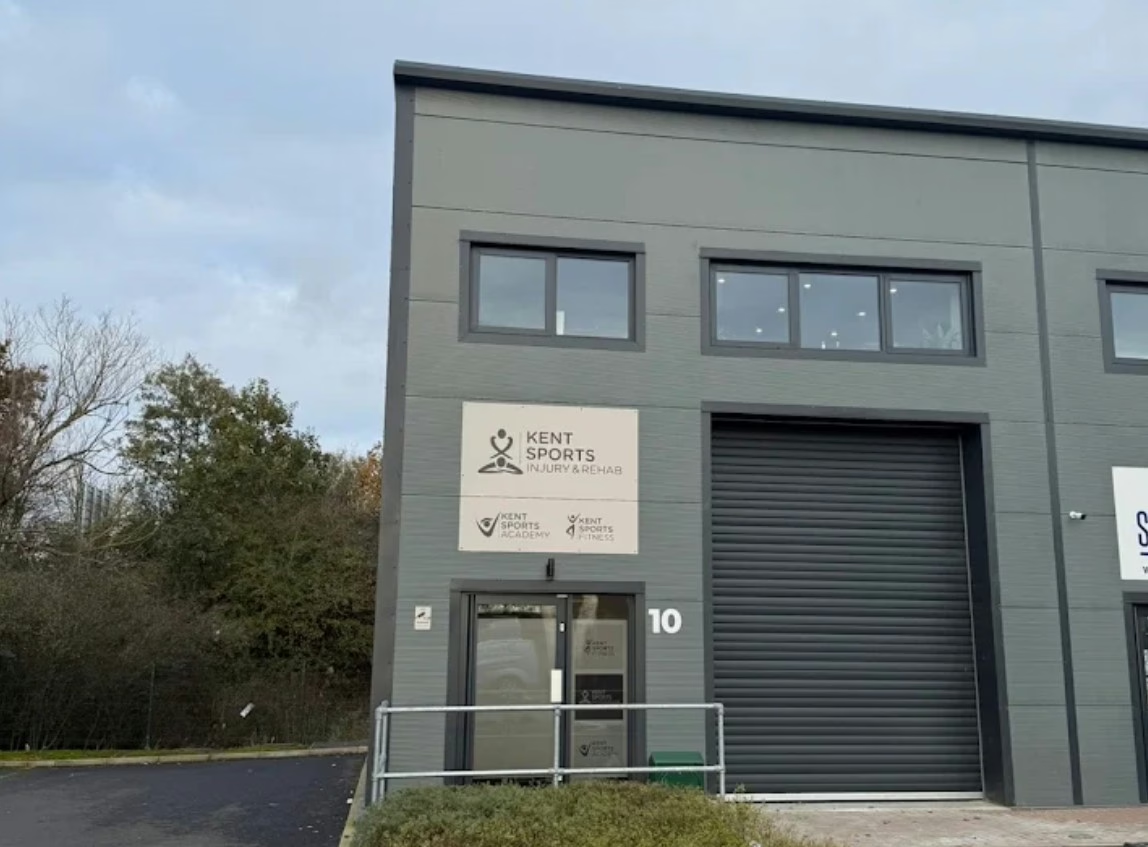
Ashford, TN24: Private Microsuction Earwax Removal

Barnet, EN5: Private Microsuction Earwax Removal
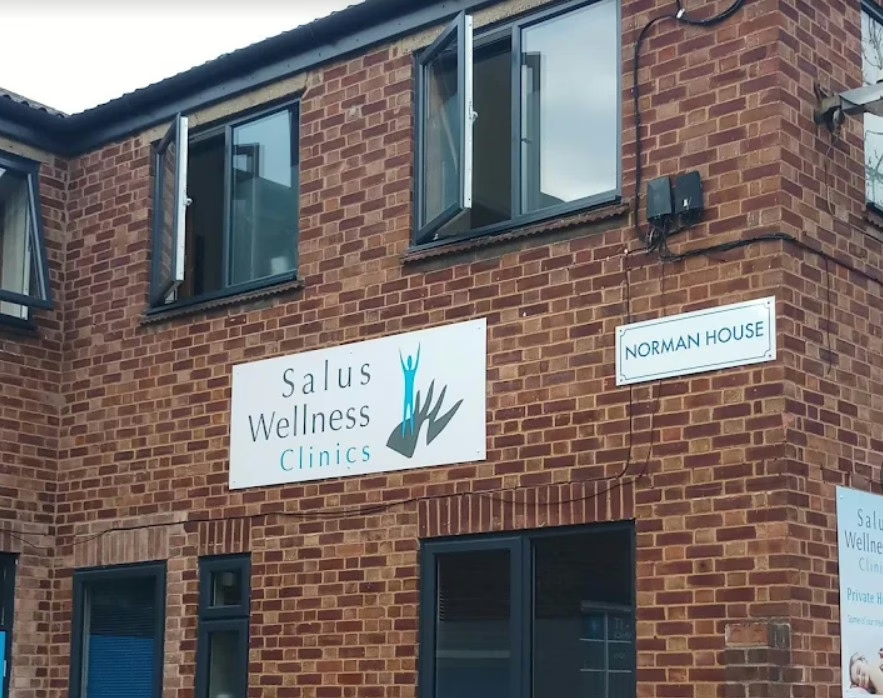
Cambridge, CB2: Private Microsuction Earwax Removal

Colindale, NW4: Private Microsuction Earwax Removal
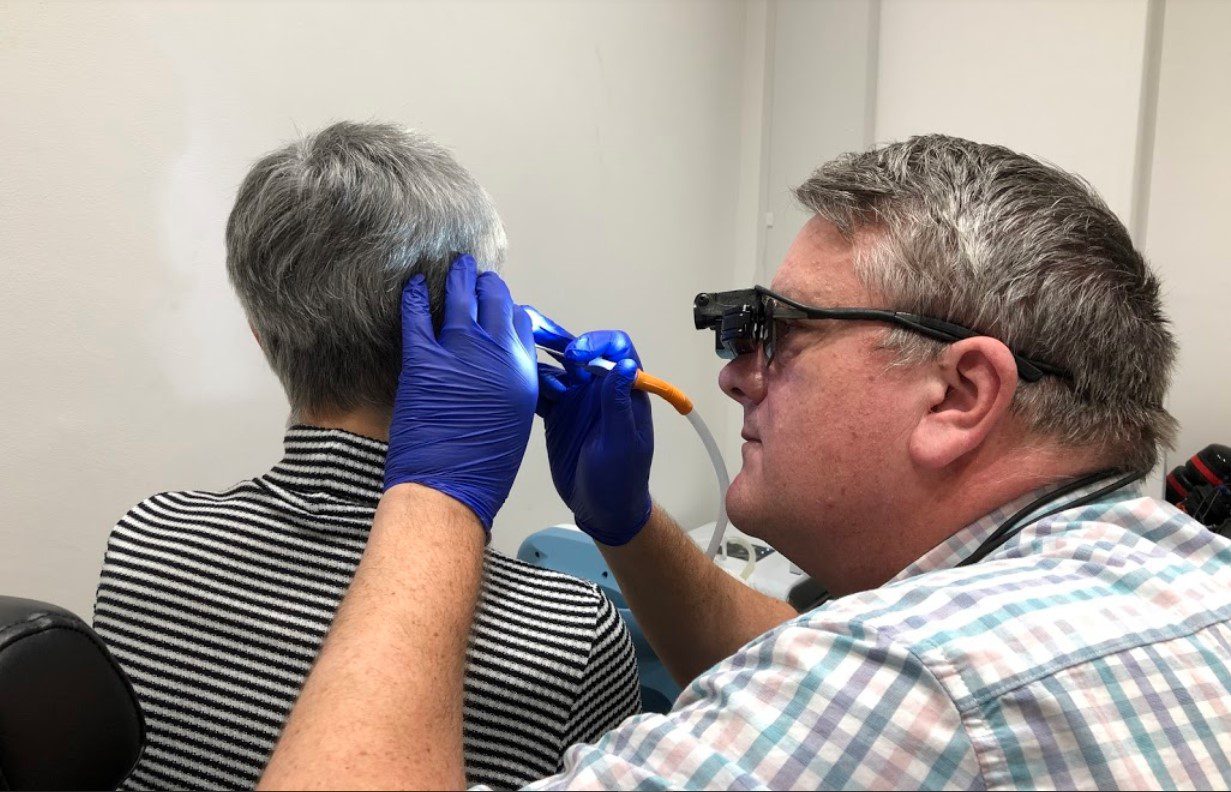
Ealing, W5: Private Microsuction Earwax Removal

East Finchley, N2: Private Microsuction Earwax Removal
Edgware, NW4: Private Microsuction Earwax Removal
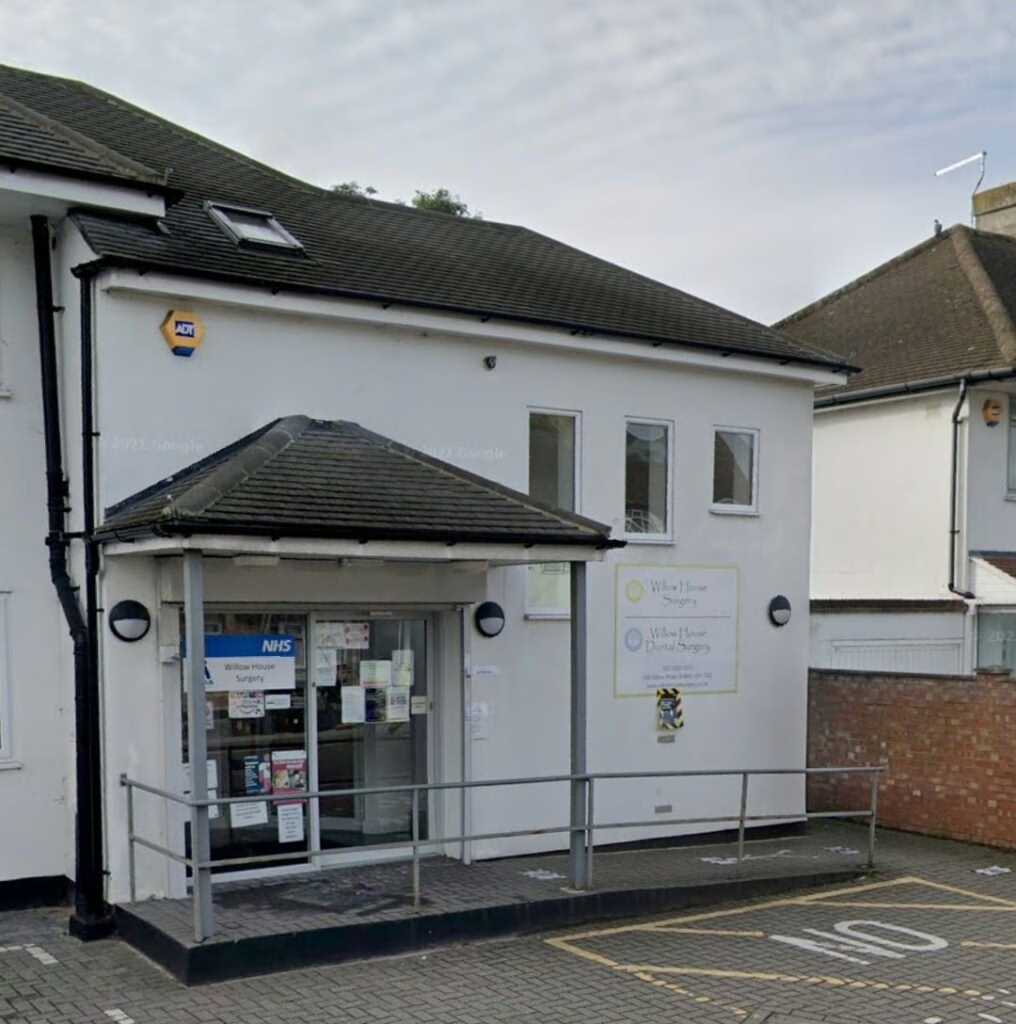
Enfield, EN1: Private Microsuction Earwax Removal
Finchley: Private Microsuction Earwax Removal, North London
Hastings, TN34: Private Microsuction Earwax Removal
Hendon, NW4: Private Microsuction Earwax Removal
Hythe, CT21: Private Microsuction Earwax Removal
Kingston-upon-Thames, KT6: Private Microsuction Earwax Removal
Mill Hill, NW4: Private Microsuction Earwax Removal
Milton Keynes, MK2: Private Microsuction Earwax Removal

Muswell Hill, N2: Private Microsuction Earwax Removal

Oxford, OX2: Private Microsuction Earwax Removal
Reading, RG30: Private Microsuction Earwax Removal
Surbiton, KT6: Private Microsuction Earwax Removal
Contact details, amendments and directory updates

The directory provides current contact details for each clinic, including telephone numbers, email addresses and a link to the clinic's own website for comprehensive patient information. Staff responsible for updates are named and offer a direct route for clinics to submit amendments, new service listings or evidence of recent accreditation. We conduct scheduled validation checks to confirm opening hours, clinician availability and service changes, and we welcome notifications of new consultants, relocations or service expansions such as additional imaging capacity or extended physiotherapy hours. Maintaining accurate listings supports better referral decisions, reduces failed appointments and improves public access to trusted orthopaedic, physiotherapy and audiology care.
If you represent a clinic and need to update your entry, contact the directory administrator with verification documents including professional registration numbers, valid indemnity confirmation and any new accreditation certificates. We aim to process requests within five working days and will publish changes after verification to preserve the directory's reliability for patients and referring clinicians.