North Shore Orthopaedic maintains a network of clinics and partner centres designed to deliver specialist orthopaedic assessment, outpatient procedures, and physiotherapy-led rehabilitation close to where patients live. Each site is selected to provide rapid access to diagnostic imaging, consultant review, and multidisciplinary care, with clinicians who hold substantive hospital appointments and a track record in joint replacement, sports injury, and paediatric orthopaedics. This page outlines the types of locations in the network, how services are distributed between main hospitals and satellite clinics, and what patients can expect when they attend for a first consultation. It also explains the clinic model used for follow-up care, where nurse-led clinics and community physiotherapy often reduce travel and waiting times.
Site Types and Service Mix
Major hospital-affiliated outpatient centre providing on-site X-ray and ultrasound, consultant-led clinics, multidisciplinary team meetings and access to inpatient theatres when surgical admission is required, typically suited for complex joint and spinal conditions.
Community-based specialist clinic offering rapid-access assessment and targeted injections, with physiotherapy and orthotics on site, designed to manage common tendon and joint problems when imaging has already been completed.
Diagnostic hub equipped for weight-bearing radiographs and ultrasound guided injections, allowing clinicians to confirm a diagnosis and plan conservative or operative treatment without referral to separate facilities.
Rehabilitation and physiotherapy centre focused on post-operative recovery, bespoke exercise prescription and return-to-sport programmes, staffed by experienced musculoskeletal physiotherapists and rehabilitation therapists.
Satellite outreach clinics that host visiting consultants for follow-up appointments and minor procedures, intended to reduce patient travel by bringing specialist care closer to suburban and semi-rural communities.
Virtual clinic provision for pre-assessment and follow-up when appropriate, supporting remote monitoring and telephone or video consultations to complement face-to-face care.
How to Decide Which Clinic Is Right for You
Choosing a Location for Your Appointment
Selecting the most suitable clinic depends on the urgency of symptoms, the type of assessment or treatment needed, and personal considerations such as mobility and travel. If you require advanced imaging or a possible same-day procedure, a main hospital-affiliated site may be appropriate. For rehabilitation or routine follow-up after surgery, community physiotherapy centres often offer greater flexibility and shorter waits. Patients with complex medical histories should choose sites where consultant anaesthetists and perioperative teams are available, while those seeking conservative management may prefer a clinic with integrated physiotherapy and injection services. Please check the service description for each site to confirm staff specialisms and on-site facilities.
Assess symptom urgency and clinical complexity, prioritising hospital-affiliated clinics when there is a need for same-day imaging, potential admission, or anaesthetic support for operative planning and assessment.
Consider mobility and travel, selecting community or satellite clinics when frequent appointments will be needed; these locations are designed to reduce travel burden and support ongoing physiotherapy access.
Review service mix and staff expertise, choosing a centre that lists consultant orthopaedic surgeons experienced in your specific condition, for example joint replacement, hand surgery, or sports trauma.
Check for integrated diagnostics and therapies, favouring sites that provide both imaging and physiotherapy on the same day when rapid assessment and a treatment plan are important.
Where appropriate, opt for virtual pre-assessment or follow-up to reduce face-to-face visits, particularly when your care pathway is well established and physical examination is not required at every appointment.
Services Offered at Regional Centres
Core Clinical Services Explained
Regional centres within the network provide a consistent baseline of orthopaedic services, including consultant outpatient assessment, fracture clinic follow-up, steroid injections, minor soft-tissue procedures performed under local anaesthetic, and access to allied health professionals. Centres vary by size: larger sites will offer inpatient surgical lists and anaesthetic cover, whereas smaller clinics focus on diagnostics, consultations and conservative management. All centres operate under clinical governance frameworks, with pathways for escalation to tertiary units where specialist spinal, tumour, or complex revision surgery is required. Patients are triaged to the correct pathway at referral, ensuring they receive the most appropriate appointment type for their condition.
Service
Typical availability
Consultant-led outpatient clinic
All regional centres: new referrals and follow-up appointments booked according to urgency and consultant subspecialty.
Diagnostic imaging (X-ray, ultrasound)
Main hospital hubs and diagnostic centres: same-day or rapid-booking depending on urgency, enabling immediate clinical correlation.
Physiotherapy and rehabilitation
Community clinics and rehab centres: bespoke programmes for prehab and post-op recovery, with progressive load management and return-to-activity plans.
Accessibility and On-Site Facilities
What to Expect When You Arrive
Each location has been assessed for accessibility, with most larger centres providing step-free entrances, accessible parking bays close to the main entrance, and lifts between clinic floors. Reception staff are trained to support patients with mobility aids and to arrange a chaperone or additional assistance if required. Waiting areas vary by site size; some provide separate waiting rooms for fracture and specialist clinics to improve patient flow. Facilities for accompanying carers are available at many clinics, and toilet and refreshment facilities are provided where space permits. Patients are advised to notify the booking team in advance if they need extra assistance so the site can prepare appropriate support on arrival.
Accessible parking and step-free entrances are standard at major centres; parking at smaller community clinics can be limited, so allow extra time or consider public transport when possible to avoid last-minute stress.
Lift access between floors is provided at multi-storey hospitals, with reception staff available to summon assistance or to rebook an appointment if access proves difficult on the day.
Waiting rooms are organised to keep specialty clinics separate where possible, ensuring fracture or trauma patients do not share the same immediate waiting area as elective outpatient attendees.
Toilets with accessible facilities are usually present at larger sites; smaller sites will advise on nearest accessible facilities when you call to confirm your appointment.
Carer and chaperone arrangements can be organised in advance: inform the bookings team at the time of scheduling if you need a companion to attend with you for mobility or communication support.
Travel and Public Transport Guidance
Planning Your Journey to Clinic
Most sites are accessible by regional rail, local bus services and taxi links, while larger centres have clearly signposted drop-off zones and visitor parking. When arranging travel, consider that appointment duration may vary: initial consultations typically need at least 20 to 40 minutes, diagnostic visits may require additional time for imaging, and procedures under local anaesthetic will extend your visit. If you rely on public transport, check service times for return journeys, particularly outside peak hours; rural satellite clinics can have limited public transport links, and in those cases booking a friend or family member to drive may be the most reliable option. Always allow extra time for hospital security checks and possible construction or diversion routes that affect access.
Check local rail and bus timetables before travel, allowing at least 30 minutes extra for potential delays, as a late arrival may require rebooking and prolong the overall wait for your consultation.
Use hospital or clinic websites to identify drop-off points, set-down bays and short-stay parking, which are often closer to entrances than long-stay car parks and can reduce walking distance.
If you require Blue Badge parking, check availability in advance because spaces are limited and may require arrival earlier than standard appointment times to secure a bay.
Consider taxi or community transport services for evening appointments or when public transport is infrequent; some centres can provide guidance to local community transport options on request.
For complex journeys, request a telephone pre-assessment or video appointment to reduce the need for travel if a physical examination is not essential to your current care pathway.
Referral Routes, Waiting Times and Appointment Types
How Referrals Are Processed
Referrals arrive by general practitioner letter, hospital outpatient transfer or through electronic referral systems, then undergo clinical triage by consultant teams to determine the appropriate appointment type. Urgent referrals for suspected fractures, significant neurovascular compromise or red-flag spinal symptoms are prioritised and allocated to rapid-access clinics. Routine referrals for degenerative conditions, uncomplicated soft-tissue injuries, or chronic joint pain are scheduled according to clinical priority and specialist availability. Patients receive a letter or secure message detailing the appointment type, what to bring, and whether pre-appointment imaging or blood tests are required. Waiting times vary by region and clinical urgency; triage ensures those with the greatest need are seen earliest.
Urgent referrals are triaged to rapid-access or same-week clinics when clinical notes indicate fracture, progressive neurological deficit, or suspected septic joint, ensuring prompt assessment and early management.
Routine musculoskeletal referrals are assessed and scheduled within standard waiting times, with the option of physiotherapy-led triage in some areas to reduce unnecessary consultant appointments.
Follow-up appointments following surgery or conservative management are categorised as face-to-face or remote, depending on the need for examination, wound review, or functional assessment.
Patients are asked to confirm attendance in advance where possible, which helps clinics to reallocate slots to those on waiting lists and minimise avoidable delays for others.
Referral letters should include recent imaging when available, as attaching radiology reports and images expedites triage and reduces the likelihood of repeat investigations on the day.
What to Bring to Your First Appointment
Documentation and Preparation Checklist
To make the most of the initial consultation, bring any relevant prior imaging reports, referral letters, medication lists and a concise history of symptoms and treatments tried so far. Photographs of scars or gait changes can be helpful for follow-up, and a list of questions you want answered ensures a focused appointment. For patients who use walking aids, bring the same aid you use at home so the clinician can assess function realistically. Wear clothing that allows easy examination of the affected area, for example shorts for knee problems or loose sleeves for shoulder assessment. Bringing a companion is advisable if you anticipate needing practical support, transport assistance, or additional help with remembering advice from the consultation.
Recent imaging and reports: bring CDs, USB drives or secure online links to radiology where possible, as clinicians rely on these to form management plans without duplicating tests.
List of current medications and allergies: include prescription and over-the-counter medicines, plus any supplements, to inform safe prescribing and perioperative planning where relevant.
GP and referral letter: this provides clinical background and the reasons for referral, aiding efficient triage and targeted clinical examination during your appointment.
Mobility aids and footwear: bring your usual devices and shoes so clinicians can assess gait, support needs and functional limitations accurately during the consultation.
Questions and goals: note the activities or outcomes that matter most to you, such as returning to work, sport or daily tasks, so your care plan can be aligned with realistic recovery objectives.
Common Procedures Performed at Clinic Level
Minor Procedures and Injections
Many clinics provide minor interventions that do not require general anaesthetic, including ultrasound-guided steroid injections, aspiration of cysts, trigger finger releases under local anaesthetic and wound checks. These procedures are usually offered in designated treatment rooms with sterile protocol, and patients are given written information about risks, benefits and aftercare. For some conditions, clinics will offer image-guided injections to improve accuracy and clinical effect. Where a procedure might require sedation or admission, the patient is referred to a main hospital site with appropriate perioperative facilities and anaesthetic support.
What to Expect During an Injection Visit
Before an injection you will be asked about bleeding history and anticoagulant use, and the practitioner will obtain informed consent. The team will explain pain control measures, possible immediate reactions and follow-up advice regarding rest and physiotherapy. Post-injection, a simple plan for graded activity and symptom monitoring will be agreed, and you will be advised when to contact the clinic if symptoms worsen or there are signs of infection.
Specialist Services and Multidisciplinary Teams
When Multidisciplinary Care Is Required
Certain orthopaedic conditions demand input from multiple specialties: complex joint preservation, spinal deformity, and bone tumour pathways are managed with consultant orthopaedics working alongside radiologists, physiotherapists, pain specialists, and when necessary, oncology teams. Multidisciplinary team meetings are held regularly to review imaging, co-ordinate care plans and determine whether a patient should be listed for specialist surgery at a tertiary referral centre. These collaborative reviews improve diagnostic accuracy and ensure patients receive evidence-based, consensus-driven recommendations.
Clinical Governance and Safety
All multidisciplinary teams operate under robust governance structures that include audit, outcome measurement and morbidity review. This ensures continuous quality improvement and transparent reporting of outcomes, complications and patient satisfaction across the network. Patients are provided with clear information on who to contact for post-operative concerns and the escalation pathway should complications arise.
Tip for Patients Referred to Mdt Pathways
Bring previous correspondence and a concise chronology of symptoms to the MDT appointment so the team can make efficient, well-informed decisions without delay.
Further Clarification
If you need additional explanation after the MDT decision, request a follow-up clinic appointment or a telephone call with the named consultant to discuss the recommended pathway and obtain written confirmation of the plan.
Preparing for Surgery: Pre-Operative Assessment
The Pre-Operative Pathway
When surgery is indicated, patients enter a structured pre-operative pathway that includes a nurse-led assessment, anaesthetic review and where necessary, optimisation of medical comorbidities. Pre-operative assessment clinics may be delivered face-to-face or remotely, depending on complexity and local arrangements. The team will review medication plans, advise on fasting and perioperative anticoagulant management, and provide physiotherapy advice for prehabilitation to improve post-operative outcomes. Clear instructions about parking and arrival times for the surgical site are provided after admission is confirmed.
Prehab and Recovery Expectations
Prehabilitation interventions, such as targeted strength and mobility exercises, smoking cessation and weight management advice, can reduce complication rates and accelerate recovery. The physiotherapy team will outline the expected recovery timeline, milestones for regaining function, and outpatient support available after discharge, including supervised exercise classes and one-to-one therapy where indicated.
Practical Pre-Op Checklist
Confirm medication adjustments with your GP and the pre-operative nurse, particularly for anticoagulants and diabetic medications that may need temporary alteration.
Complete any required pre-operative investigations such as blood tests or ECGs at the requested location before your operation date to avoid last-minute cancellations.
Arrange transport and a responsible adult to accompany you home after day-case surgery, ensuring there is someone available to support you for the first 24 hours post-procedure.
Follow prehab exercises as advised to build muscle strength and joint range of motion, which helps with functional recovery and reduces length of stay where admission is required.
Notify the surgical team promptly of any intercurrent illness, such as respiratory or urinary infection, which could affect anaesthetic safety and may necessitate rescheduling.
Aftercare, Rehabilitation and Follow-Up
Continuity of Care Following Treatment
After any intervention, the network provides a structured follow-up plan tailored to the procedure and patient needs. This can include early wound checks, physiotherapy-led rehabilitation, pain management input and graduated return-to-activity programmes. Follow-up appointments may be face-to-face or conducted remotely, and patient-reported outcome measures are used routinely to monitor recovery and satisfaction. Where complications are identified, the clinical governance pathway ensures timely review by the treating consultant and, where necessary, escalation to more specialised services for revision surgery or complex management.
Early postoperative review ensures wounds are healing and that initial rehabilitation is progressing; most clinics offer nurse-led wound checks within the first one to two weeks following surgery.
Physiotherapy regimes are bespoke, focusing on pain control, restoration of mobility and graded strength training tailored to your surgical procedure and personal recovery goals.
Pain management support includes advice on multimodal analgesia, opioid stewardship where required and referral to specialist pain clinics for persistent or complex postoperative pain issues.
Routine outcome measurement with validated questionnaires helps clinicians track functional improvement and informs any necessary changes to the rehabilitation plan.
A clear point of contact is provided for urgent concerns such as sudden swelling, severe pain, or signs of infection, enabling rapid review and safe escalation of care when needed.
Patient Information and Support Services
Resources Available Before and After Visits
The network offers a range of patient information resources to support informed decision making, including procedure leaflets, prehab exercise sheets and recovery timelines. Specialist nurses and physiotherapists are available to answer questions about day-case procedures and expected recovery. For patients with complex needs, the service can arrange liaison with social care and community rehabilitation teams to ensure a safe discharge home. Educational materials are written in plain language and are available in electronic formats to help patients prepare for clinic visits and to support adherence to rehabilitation plans.
If you have concerns about mobility, social support or medication management following discharge, please notify the bookings team so appropriate community services can be arranged before your operation or clinic visit.
Click Here To Book Ear Wax Removal In Surbiton
Waxfree Guarantee™: The only ear wax removal clinic in Surbiton offering the Waxfree Guarantee™.
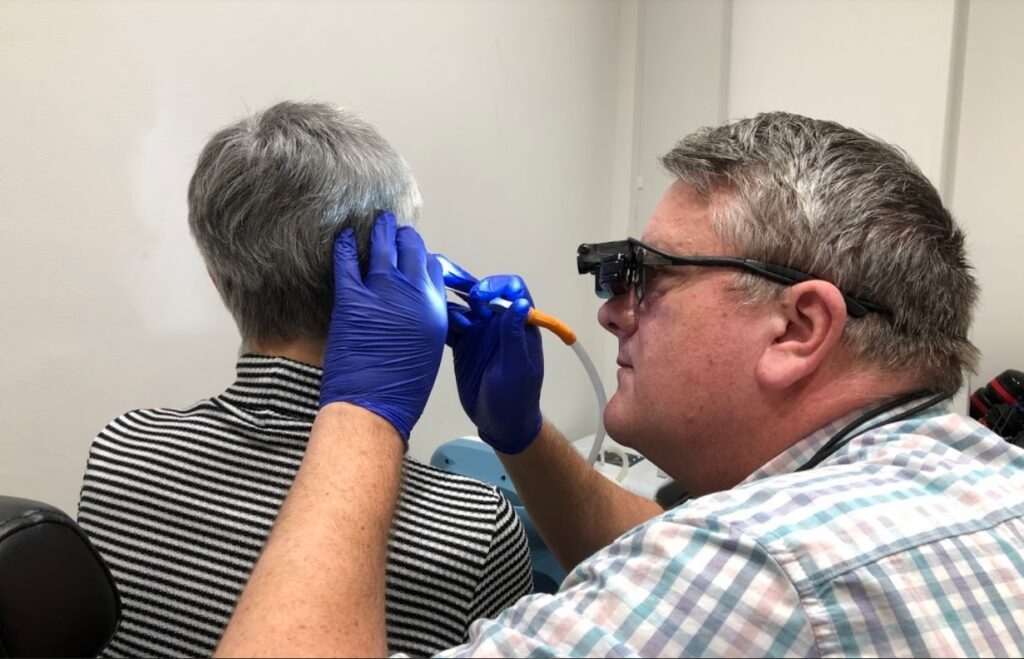
We’re the only specialist microsuction ear wax removal clinic in Surbiton providing Microsuction Earwax Removal and Manual Instrument Earwax Removal by our expert Audiologists. All of our earwax removal practitioners are hand-picked by our founder, Jason Levy. We really are the ear wax removal experts in Surbiton.
Our convenient location in Surbiton, Southwest London, also serves Kingston-Upon-Thames, Tolworth, Thames Ditton, East Molesey, West Molesey, Hersham, Claygate, Chessington, Hampton Wick, New Malden, Norbiton, Worcester Park, Bushey Park, Teddington, Twickenham, Sunbury-on-Thames, Cobham, Oxshott, Stoke D’Abernon, Stoneleigh, Ewell, Epsom, Leatherhead and Feltham.… Read more on this subject... “Hearing First Surbiton”
Hearing First Surbiton
Located in Surbiton, this clinic is renowned for its specialist microsuction ear wax removal services. Offering the Waxfree Guarantee™, it stands out as the only dedicated ear wax removal clinic in the area.
Patients can expect expert care from audiologists who have been carefully selected by the founder, Jason Levy. The clinic provides both Microsuction Earwax Removal and Manual Instrument Earwax Removal, ensuring a comprehensive approach to ear health.
Conveniently situated, the clinic also serves surrounding areas including Kingston-Upon-Thames, Tolworth, and Thames Ditton, making it accessible for a wider community seeking effective ear wax removal solutions.
Click Here To Book Ear Wax Removal In Reading
External View Of Hearing First Reading Microsuction Ear Wax Removal In Reading
Waxfree Guarantee™: The only ear wax removal clinic in Reading offering the Waxfree Guarantee™.
We’re the only specialist microsuction ear wax removal clinic in Reading providing Microsuction Earwax Removal and Manual Instrument Earwax Removal by our expert Audiologists. All of our earwax removal practitioners are hand-picked by our founder, Jason Levy. We really are the ear wax removal experts in Reading.
Our convenient location in Reading also serves Abbey, Balmore Park, Battle, Calcot, Caversham, Caversham Heights, Caversham Park Village, Cemetery Junction, Central Reading, Church, Coley, Coley Park, Dee Park, East Reading, Emmer Green, Green Park Village, Katesgrove, Kentwood, Kennet Island, Kings Road, Newtown, Norcot, Palmer Park, Park, Reading West, Redlands, Shinfield Rise, Southcote, Thames, The Mount, The Oracle Quarter, Tilehurst, University Area, West Reading, Whitley, Whitley Wood, Beech Hill, Burghfield Common, Burghfield Village, Grazeley, Mortimer Common, Shinfield (village), Spencers Wood, Swallowfield, Theale, Mapledurham, Woodley, Earley, Sonning, Sonning Common, Tilehurst Hill, Wokingham Without, Arborfield, Aldermaston, Arborfield Green, Shinfield Park Village, Arborfield, Barkham, Bray, Bucklebury, Charvil, Finchampstead, Goring, Goring & Streatley, Hurst, Ruscombe, Sindlesham, Streatley, Twyford, Wargrave, Waltham St Lawrence, Winnersh, Sonning Common, Woodley, Winkfield Row and Yattendon.… Read more on this subject... “Hearing First Reading – Microsuction Ear Wax Removal In Reading”
Hearing First Reading
Hearing First in Reading offers a unique Waxfree Guarantee™, ensuring patients receive the highest standard of ear wax removal services. This clinic is the only specialist in the area providing both Microsuction and Manual Instrument Earwax Removal.
Expert audiologists, selected by Jason Levy, deliver tailored care to each patient, making it a trusted choice for ear wax removal in Reading.
Located in a central area, the clinic serves a broad range of nearby locations, including Abbey, Caversham, and Tilehurst, ensuring easy access for those in need of professional ear care.
Click Here To Book Ear Wax Removal In Oxford
Waxfree Guarantee™: The only ear wax removal clinic in Oxford offering the Waxfree Guarantee™.
We’re the only specialist microsuction ear wax removal clinic in Oxford providing Microsuction Earwax Removal and Manual Instrument Earwax Removal by our expert Audiologists. All of our earwax removal practitioners are hand-picked by our founder, Jason Levy. We really are the ear wax removal experts in Oxford.
Our convenient location in Botley, Oxford, also serves clients in Jericho, Summertown, Wolvercote, Marston, Godstow, Park Town, Wytham, Yarnton, Worton, Elsfield, Beckley, Islip, Hampton Poyle, Kidlington, Eynsham, Stanton Harcourt, Hardwick, Northmoor, Kingston Bagpuize, Gozzard’s Ford, Abingdon, Radley, Littlemore, Cowley, Headington, Thame, Wootton, Kirtlington, Freeland, Cassington, Witney, Ducklington, Aston, Woodstock, Weston-on-the-Green, Charlton-on-Otmore, Horton-cum-Studley, Forest Hill, Wheatley and Sandford-on-Thames.… Read more on this subject... “Hearing First Oxford”
Hearing First Oxford
In Oxford, Hearing First is distinguished by its Waxfree Guarantee™, providing reassurance to patients seeking ear wax removal services. This clinic is dedicated to offering specialist microsuction ear wax removal, performed by skilled audiologists.
All practitioners are hand-picked by founder Jason Levy, ensuring that patients receive expert care tailored to their specific needs.
Situated in Botley, the clinic also caters to clients from surrounding areas, including Jericho and Summertown, making it a convenient option for comprehensive ear health services.
Click Here To Book Ear Wax Removal In Muswell Hill
Waxfree Guarantee™: The only ear wax removal clinic in Muswell Hill offering the Waxfree Guarantee™.
We’re the only specialist microsuction ear wax removal clinic in Muswell Hill providing Microsuction Earwax Removal and Manual Instrument Earwax Removal by our expert Audiologists. All of our earwax removal practitioners are hand-picked by our founder, Jason Levy. We really are the ear wax removal experts in Muswell Hill.
Our convenient location in Muswell Hill, North London, also serves East Finchley, Church End, Golders Green, Hendon, Hampstead Garden Suburb, Mill Hill, Barnet, Finchley, Highgate, Crouch End, Hornsey, Harringay, Southgate, Whetstone, Arnos Grove, Osidge, Wood Green and Tottenham.… Read more on this subject... “Hearing First Muswell Hill”
Hearing First Kingston
Hearing First in Kingston-upon-Thames is the only ear wax removal clinic in the area offering the Waxfree Guarantee™, ensuring a high-quality service for all patients.
Specialising in both Microsuction and Manual Instrument Earwax Removal, the clinic is staffed by expert audiologists selected by Jason Levy, providing top-notch care.
Located conveniently in Kingston, the clinic also serves a variety of nearby locations, including Tolworth and New Malden, making it an accessible choice for those seeking effective ear wax removal solutions.
Click Here To Book Ear Wax Removal In Milton Keynes
Waxfree Guarantee™: The only ear wax removal clinic in Milton Keynes offering the Waxfree Guarantee™.
We’re the only specialist microsuction ear wax removal clinic in Milton Keynes providing Microsuction Earwax Removal and Manual Instrument Earwax Removal by our expert Audiologists. All of our earwax removal practitioners are hand-picked by our founder, Jason Levy. We really are the ear wax removal experts in Milton Keynes.
Our convenient location in Milton Keynes, MK2 Bucks, also serves clients in Bletchley, Water Eaton, Fenny Stratford, Newton Longville, Caldecotte, Wavendon Gate, Furzton, Old Farm Park, Bean Hill, Walton Park, Ashland, Netherfield, Knowlhill, Coffee Hall, Leadenhall, Oldbrook, Peartree Bridge, Woolstone, Monkston Park, Woughton on the Green, Brinklow, Wavendon, Downhead Park, Downs Barn, Pennyland, Neath Hill, Conniburrow, Stantonbury Fields, Tongwell, Heelands, Giffard Park, Blakelands, Oakridge Park, New Bradwell, Greenleys, Crownhill, Grange Farm, Kingsmead, Bradville, Emerson Valley, Bow Brickhill, Shenley Lodge, Tattenhoe, Westcroft, Walnut Tree, Kents Hill, Woburn Sands, Fishermead, Shenley Church End, Two Mile Ash, Stacey Bushes, Great Linford, Eaglestone, Kingston, Broughton, Willen, Stantonbury, Great Brickhill, Heath and Reach, Deanshanger, Potterspury, Little Horwood, Thornborough, Buckingham, Maids Moreton, Swanbourne, Stewkley, Winslow, Gawcott, Leighton Buzzard, Woburn, Toddington, Winslow, Old Wolverton, Cosgrove, Passenham, Calverton, Lower Weald, Middle Weald, Upper Weald, Medbourne, Woodhill, Oxley Park, Olney, Newport Pagnell, Towcester, Bedford, Wellingborough, Bucks and Buckinghamshire.… Read more on this subject... “Hearing First Milton Keynes”
Click Here To Book Ear Wax Removal In Mill Hill
Waxfree Guarantee™: The only ear wax removal clinic in Mill Hill offering the Waxfree Guarantee™.
We’re the only specialist microsuction ear wax removal clinic in Mill Hill providing Microsuction Earwax Removal and Manual Instrument Earwax Removal by our expert Audiologists. All of our earwax removal practitioners are hand-picked by our founder, Jason Levy. We really are the ear wax removal experts in Mill Hill.
Our convenient location in Mill Hill, North London, also serves Hendon, Colindale, Edgware, Golders Green, Stanmore, Burnt Oak, Belmont, Queensbury, South Mimms, Brookmans Park, Potters Bar, Southgate, Hadley Wood, Arkley, Kitt’s End, Oakleigh Park, Highwood Hill, Whetstone, Northaw, Cockfosters and Finchley.… Read more on this subject... “Hearing First Mill Hill”
Click Here To Book Ear Wax Removal In Kingston
Waxfree Guarantee™: The only ear wax removal clinic in Kingston offering the Waxfree Guarantee™.
We’re the only specialist microsuction ear wax removal clinic in Kingston-upon-Thames providing Microsuction Earwax Removal and Manual Instrument Earwax Removal by our expert Audiologists. All of our earwax removal practitioners are hand-picked by our founder, Jason Levy. We really are the ear wax removal experts in Kingston.
Our convenient location in Kingston, Southwest London, also serves Kingston-Upon-Thames, Tolworth, Thames Ditton, East Molesey, West Molesey, Hersham, Claygate, Chessington, Hampton Wick, New Malden, Norbiton, Worcester Park, Bushey Park, Teddington, Twickenham, Sunbury-on-Thames, Cobham, Oxshott, Stoke D’Abernon, Stoneleigh, Ewell, Epsom, Leatherhead and Feltham.… Read more on this subject... “Hearing First Kingston”
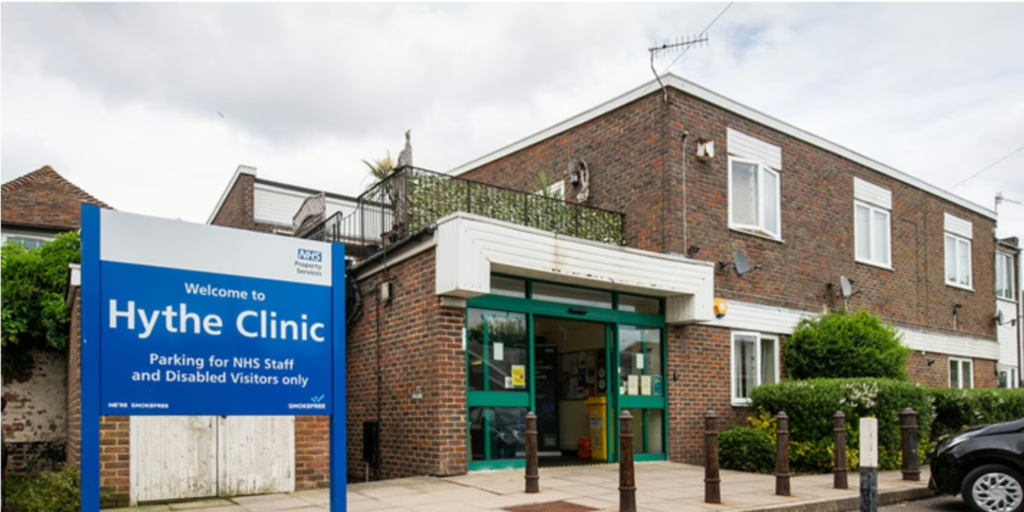
Click Here To Book Ear Wax Removal In Hythe
Waxfree Guarantee™: The only ear wax removal clinic in Hythe offering the Waxfree Guarantee™.
We’re the only specialist microsuction ear wax removal clinic in Hythe providing Microsuction Earwax Removal and Manual Instrument Earwax Removal by our expert Audiologists. All of our earwax removal practitioners are hand-picked by our founder, Jason Levy. We really are the ear wax removal experts in Hythe.
Our convenient location in Hythe, Kent, also serves Saltwood, Seabrook, Palmarsh, Botolph’s Bridge, St Mary’s Bay, Romney Marsh, Newchurch, Folkestone, Sandgate, Pedlinge, Lympne, West Hythe, Dymchurch, Westenhanger, Beachborough, Stanford, Etchinghill, Postling, Sellindge, Burmarsh, Aldington, Bonnington, Bilsington, Stone Cross, Ruckinge, Mersham, The Forstal, Smeeth, Lilyvale, Brabourne Lees, Monks Horton, Broad Street, Newbarn, Stowting, Sixmile, Lymbridge Green, Bodsham, Newington, Arpinge, Frogholt, Peene, other towns and villages in Kent.… Read more on this subject... “Hearing First Hythe”
Waxfree Guarantee™: The only ear wax removal clinic in Hendon offering the Waxfree Guarantee™.
We’re the only specialist microsuction ear wax removal clinic in Hendon providing Microsuction Earwax Removal and Manual Instrument Earwax Removal by our expert Audiologists. All of our earwax removal practitioners are hand-picked by our founder, Jason Levy. We really are the ear wax removal experts in Hendon.
Our convenient location in Hendon, North London, also serves Hendon, Mill Hill, Hendon, Golders Green, Stanmore, Burnt Oak, Belmont, Queensbury, South Mimms, Brookmans Park, Potters Bar, Southgate, Hadley Wood, Arkley, Kitt’s End, Oakleigh Park, Highwood Hill, Whetstone, Northaw, Cockfosters and Finchley.… Read more on this subject... “Hearing First Hendon”
Click Here To Book Ear Wax Removal In Hastings
Waxfree Guarantee™: The only ear wax removal clinic in Hastings offering the Waxfree Guarantee™.
We’re the only specialist microsuction ear wax removal clinic in Hastings providing Microsuction Earwax Removal and Manual Instrument Earwax Removal by our expert Audiologists. All of our earwax removal practitioners are hand-picked by our founder, Jason Levy. We really are the ear wax removal experts in Hastings.
Our convenient location in Hastings, East Sussex, also serves Sussex, Battle, Bexhill, Robertsbridge, Westfield, Pevensey, Brede, Seddlesfield, Ninfield, Catsfield, Hooe, Wartling, Herstmonceux, Rye, Camber, Peasmarsh, Burwash, Beckley, Northiam, Bodiam, Salehurst, Sandhurst, Hawkhurst, Hurst Green, Cripps Corner, Brightling and Eastbourne.… Read more on this subject... “Hearing First Hastings”
Scroll to Top
Feedback, Complaints and Patient Involvement
How We Use Patient Feedback
Patient experience data is collected systematically across the network to guide service improvement. Feedback informs appointment scheduling, clinic environment changes, and the development of educational materials. There are established routes for raising concerns or making formal complaints, with independent review where necessary. Patient representatives are included in local governance meetings to provide lived-experience perspectives on service design, ensuring that changes reflect the priorities of those who use our clinics. This collaborative approach helps maintain high standards of clinical care, safety and accessibility across all locations.
Raising a Concern or Making a Complaint
Concerns should be raised promptly via the clinic feedback process or the patient liaison service, which will acknowledge the issue and provide a clear timeline for investigation. Where clinical matters are involved, an appropriate clinician will review the case and offer a response, and independent review is available if a resolution cannot be reached locally. The patient liaison team can also explain mediation options and how to escalate to regional or statutory review bodies if required.