Category: Ear Health

  • Climate Change’s Universal Effects on Ear Health

    Exploring the Link Between Rising Global Temperatures and Increased Incidence of Ear Infections

    The increasingly troubling connection between escalating global temperatures and the rise in ear infections is becoming increasingly apparent in the domain of public health. As average temperatures continue to climb due to climate change, we can expect a significant increase in the prevalence of ear infections, which presents a serious risk to populations worldwide. Understanding this correlation is vital for effectively predicting future health challenges in our warming planet, enabling us to implement proactive strategies to safeguard vulnerable communities and enhance overall health outcomes.

    Investigating How Elevated Temperatures Accelerate Bacterial Growth Associated with Ear Infections

    Microscopic view of bacteria multiplying in warm, moist ear canal, with rising thermometer.

    Increased temperatures foster an optimal environment for bacterial proliferation, particularly in warm and humid conditions. As our climate continues to heat up, many regions are witnessing a rise in ear infections, primarily driven by enhanced bacterial growth. Studies indicate that prevalent bacteria, such as Streptococcus pneumoniae and Haemophilus influenzae, flourish under these newly favourable conditions, resulting in a surge of infections. This trend highlights the critical importance of monitoring environmental changes and their direct implications on public health, especially for vulnerable populations who are at greater risk.

    Individuals living in tropical or subtropical climates are likely to experience higher rates of ear infections due to consistently raised temperatures. Urban environments with poor ventilation and severe pollution may encounter stagnant heat, exacerbating conditions conducive to bacterial growth. This concern extends beyond localised issues; it is a global challenge that can affect diverse demographics, from children in Southeast Asia to the elderly in Southern Europe. Grasping these dynamics is essential for formulating targeted public health strategies to combat this escalating threat.

    Moreover, healthcare systems across the globe may not be sufficiently equipped to handle the anticipated rise in ear infections. An influx of cases could place immense pressure on medical resources, particularly in developing countries where access to healthcare is already limited. Without effective interventions in place, communities could face long-term health ramifications from untreated ear infections, such as hearing loss and chronic pain, reinforcing the urgent need for preparedness and resource allocation within healthcare infrastructures.

    Understanding the Effects of Heat Stress on Immune Function and Ear Health

    The body’s response to heat stress profoundly affects overall health, especially the immune system. Elevated temperatures can impair immune responses, rendering individuals more susceptible to infections, including those impacting the ears. Under heat stress conditions, the immune system becomes less adept at combating pathogens, increasing the risk of complications such as ear infections. This correlation underscores the necessity of comprehending how environmental factors can directly influence health outcomes.

    This concern is particularly pronounced for vulnerable groups, such as the elderly and children, who may already have compromised immune systems. In areas experiencing extreme heat waves, such as parts of Africa and Australia, the likelihood of ear infections surges significantly, potentially leading to severe health repercussions. Addressing these risks demands focused public health initiatives and educational programmes aimed at raising awareness.

    Furthermore, the rising incidence of heat-related illnesses may divert medical attention from ear health, exacerbating the situation. As healthcare providers respond to immediate complications associated with heat stress, ear infections could be overlooked and left untreated, resulting in long-term auditory complications. Prioritising ear health within the context of heat stress is vital for developing comprehensive healthcare strategies that safeguard overall health.

    How Temperature Variations Influence Ear Pressure and Overall Ear Health

    Abrupt and extreme temperature changes can lead to discomfort in the ears due to fluctuations in ear pressure. This effect is particularly noticeable when transitioning from warm outdoor environments to cooler, air-conditioned indoor spaces. Such variations can create a pressure imbalance between the external ear and the inner ear, leading to discomfort and a heightened risk of infections. Understanding these dynamics is crucial for individuals who are frequently exposed to varying temperature conditions.

    Individuals who travel often or reside in regions with variable climates may encounter ongoing challenges related to ear pressure. For instance, air travel can intensify these symptoms, as passengers undergo rapid altitude and temperature changes, potentially leading to a condition known as barotrauma. This painful condition can cause significant discomfort and may elevate the risk of infections if not managed appropriately. Awareness of these risks is paramount for frequent travellers and those living in climates subject to fluctuation.

    The global rise in temperature variability due to climate change indicates that more individuals will encounter these discomforts. This scenario highlights the need for increased awareness and effective strategies for managing ear pressure, such as employing techniques like the Valsalva manoeuvre or using decongestants during anticipated pressure changes. Educating individuals on these techniques can greatly enhance ear health outcomes and mitigate risks.

    Examining the Connection Between Climate Change, Humidity, and Ear Infections

    A globe with steam rising from Southeast Asia and the Caribbean, surrounded by magnified bacteria and fungi, illustrating the connection between climate change, humidity, and ear infections.

    Beyond rising temperatures, climate change is also causing increased humidity levels worldwide. Elevated humidity creates a damp environment that is highly conducive to the proliferation of bacteria and fungi, resulting in a significant rise in ear infections. Areas already struggling with high humidity, such as Southeast Asia and certain regions of the Caribbean, are likely to face compounded risks of ear complications as climate change advances.

    The moist conditions not only encourage bacterial growth but also facilitate the onset of ailments like otitis externa, commonly known as swimmer’s ear. This infection occurs when water becomes trapped in the ear canal, providing a fertile ground for pathogens. As humidity levels increase, the likelihood of moisture retention escalates, making ear infections more common and underscoring the necessity for public health awareness and preventive measures.

    For individuals residing in humid regions, everyday activities such as swimming or bathing can heighten the risk to ear health. To alleviate this risk, it is imperative to promote awareness and preventive strategies. Simple measures such as keeping the ears dry and using earplugs while swimming can significantly decrease the risks associated with high humidity levels, thereby helping to protect ear health in vulnerable populations.

    Uncovering the Hidden Dangers of Air Pollution on Ear Health

    The intricate relationship between air pollution and ear health is often overlooked, yet it plays a pivotal role in how climate change influences ear health. As industrial emissions, vehicle exhaust, and various pollutants rise, so does the potential for ear-related health complications globally, highlighting the urgent need for a comprehensive approach to public health.

    How Particulate Matter Contributes to Ear Irritation and Infections

    Exposure to particulate matter resulting from air pollution can lead to irritation in the ear canal, thereby elevating the risk of infections and other complications. Fine particles, often measuring less than 2.5 micrometres in diameter, have the ability to penetrate deep into the respiratory system and even reach the ears, resulting in inflammation and discomfort. Understanding these effects is crucial for the formulation of effective public health strategies aimed at protecting ear health.

    Research demonstrates that populations residing in urban areas with high levels of air pollution experience elevated rates of ear infections compared to individuals in cleaner environments. For example, cities like Delhi and Beijing grapple with severe air quality challenges that negatively impact both respiratory health and contribute to rising rates of ear-related complications. This relationship highlights the necessity for a focused approach to improving air quality as a means of protecting ear health and overall well-being.

    Furthermore, the connection between air quality and ear health extends beyond mere irritation; chronic exposure to pollutants can lead to long-term damage. Health experts caution that children exposed to high levels of air pollution may face an increased risk of developing chronic ear infections and associated hearing problems, underscoring the urgent need to address air quality on a global scale to safeguard future generations’ health.

    How Environmental Pollutants Impact Middle Ear Health

    Cross-section of human ear with industrial pollutants causing inflammation and hearing loss.

    Certain environmental pollutants can have direct repercussions for the middle ear, leading to severe complications, including hearing loss. Toxic substances found in industrial waste, heavy metals, and other harmful chemicals can enter the body through inhalation and subsequently affect auditory function. This connection underscores the necessity for vigilant monitoring of environmental changes and their implications for public health.

    Studies indicate that exposure to lead and other heavy metals is associated with a higher incidence of hearing loss. In regions characterised by high levels of industrial activity, there are often reports of auditory dysfunction and ear infections among both children and adults, highlighting the urgent need for stricter regulations on emissions and effective pollution control measures globally.

    As nations confront the challenges posed by climate change, tackling air pollution emerges as a dual challenge—one that substantially impacts both environmental and public health. By investing in cleaner technologies and implementing rigorous pollution control strategies, societies can mitigate the risk of middle ear issues while contributing positively to global health and environmental sustainability.

    Noise Pollution: An Underestimated Threat to Hearing Health

    In the context of climate change, noise pollution represents a critical yet often neglected factor affecting ear health. As urban areas expand and industrial activities proliferate, ambient noise levels have surged dramatically. Continuous exposure to loud sounds can lead to both temporary and permanent hearing damage, raising significant concerns for populations worldwide, especially in densely populated cities.

    Increased noise levels can contribute to various ear health problems, including tinnitus and long-term hearing loss. Furthermore, studies suggest that children exposed to elevated levels of noise pollution may experience delays in speech and language development, which can have lasting implications for their education and social interactions. Recognising these consequences is essential for formulating effective public health strategies that prioritise auditory health.

    Global cities already grappling with noise pollution, such as New York, London, and Tokyo, must prioritise strategies to mitigate these sound levels. Implementing improved urban planning, employing sound barriers, and promoting quieter technologies can significantly diminish the detrimental effects of noise on ear health. Investing in these strategies will not only safeguard auditory health but also enhance the overall quality of life in urban settings.

    The Influence of Humidity Levels on Ear Conditions

    Humidity levels, often underestimated, can profoundly affect the occurrence and severity of ear conditions. Variations in humidity can lead to various complications that impact both auditory function and overall ear health. Understanding these effects is essential for implementing effective public health interventions that can safeguard ear health.

    How High Humidity Levels Encourage Fungal Infections in the Ear

    High humidity creates an ideal breeding ground for fungi, thereby increasing the risk of ear infections. Conditions such as otomycosis, a fungal infection of the ear canal, are more prevalent in humid climates, particularly among individuals who frequent moist environments, including swimmers and those living in tropical regions. Recognising these risks is crucial for protecting ear health effectively.

    The rise of fungal infections can result in significant discomfort and complications, including chronic ear pain and hearing impairment. Preventive measures, such as ensuring dry ears after swimming or bathing, are vital in minimising risks associated with high humidity and fostering improved ear health outcomes.

    Additionally, healthcare professionals are increasingly recognising the importance of addressing fungal infections concerning climate change. As global humidity levels continue to rise, more individuals may confront these conditions, highlighting the urgent need for targeted education and preventive strategies.

    The Impact of Low Humidity on Ear Health

    Conversely, low humidity can lead to dryness in the ear canal, increasing the risk of irritation and infections. Individuals in regions experiencing droughts or arid conditions may find themselves more susceptible to ailments such as dry ear syndrome, which can cause discomfort and potential complications. Understanding these dynamics is crucial for effective preventive care and intervention.

    Dry ear canals can disrupt natural ear wax production, leading to heightened exposure to pathogens. This scenario can escalate into infections requiring medical intervention, creating a cycle of ear health issues that can be challenging to manage effectively. Addressing these risks necessitates a comprehensive understanding of the impact of humidity on ear health and adopting appropriate strategies to maintain optimal conditions.

    By acknowledging the effects of humidity, individuals can take proactive steps to preserve ear health. Using humidifiers in dry environments and ensuring adequate hydration can help alleviate some of these issues, promoting overall ear health across various climatic conditions.

    The Interrelation Between Humidity Changes and Ear Pressure Levels

    Fluctuations in humidity can also impact ear pressure, leading to discomfort and potential health complications. Rapid changes in humidity, particularly when paired with temperature fluctuations, can create a sensation of fullness or pressure in the ears, resulting in pain and possible hearing issues. This relationship underscores the importance of awareness regarding environmental factors that influence ear health.

    This phenomenon is particularly relevant to individuals who frequently travel or live in areas with variable climates. Understanding how variations in humidity can affect ear pressure is essential, especially for frequent flyers or those residing at high altitudes. Proactive measures such as swallowing or yawning during ascent and descent in flights can help equalise ear pressure, reducing discomfort and the risk of complications.

    By comprehending the interplay between humidity levels and ear pressure, individuals can adopt strategies to safeguard their ear health. Awareness and education regarding these dynamics can empower individuals to take proactive steps to maintain their auditory well-being.

    The Implications of High Humidity on Ear Wax Accumulation

    Interestingly, high humidity can stimulate ear wax production, potentially leading to blockages and hearing issues. While ear wax serves as a natural protective mechanism, excessive buildup can create an environment conducive to bacterial growth, resulting in infections and other complications. This dynamic highlights the importance of understanding environmental factors that influence ear health.

    Regions experiencing rising humidity levels may observe an increase in complaints related to ear wax buildup and associated issues. Regular ear care, including safe cleaning methods, is essential to mitigate these risks. Educating individuals about proper ear hygiene practices is crucial for maintaining optimal ear health under varying humidity conditions.

    The Significance of Humidity Control for Achieving Optimal Ear Health

    Maintaining appropriate humidity levels is vital for ear health, as both extremes can lead to various complications. Individuals can take proactive measures to regulate humidity levels in their surroundings, using dehumidifiers in damp conditions or humidifiers in dry climates. Such measures not only promote ear health but also enhance overall well-being and comfort.

    Education plays a crucial role in promoting healthy practices that support ear health. Healthcare providers can significantly contribute by disseminating information about the effects of humidity on ear health, empowering individuals to make informed decisions regarding their ear care routines. Increased awareness can lead to better health outcomes and improved quality of life within communities.

    By prioritising humidity control, communities can collectively enhance ear health, reducing the risks of infections and other complications associated with climate change. Simple yet effective measures can make a significant difference in maintaining optimal ear conditions globally, fostering healthier populations and reducing healthcare burdens.

    The Dangers of Extreme Weather Events on Ear Trauma

    The increasing frequency of extreme weather events linked to climate change presents grave dangers to ear health, leading to trauma and various complications. Understanding these risks is essential for establishing effective prevention and treatment strategies that can safeguard ear health.

    The Connection Between Storms and Ear Barotrauma

    Sudden shifts in pressure during storms can result in ear barotrauma, a painful condition caused by the ear’s inability to equalise pressure. This phenomenon is particularly prevalent during severe thunderstorms and hurricanes, where rapid atmospheric pressure changes can lead to discomfort and potential injury. Recognising these risks is crucial for protecting vulnerable populations during extreme weather events.

    Individuals may experience intense pain, hearing loss, or even ruptured eardrums due to barotrauma. The elderly and children are especially susceptible to these conditions, as their ear structures may not adapt as effectively to sudden pressure changes. Awareness of these risks is vital for public health and individual safety.

    Preventive measures, such as staying indoors during severe storms and employing techniques to equalise ear pressure, can help minimise these risks. Public awareness campaigns focusing on ear safety during extreme weather events can significantly reduce the incidence of barotrauma, ultimately contributing to community health and resilience.

    Flooding and Its Association with Water-Induced Ear Infections

    Flooding can dramatically elevate the risk of water-induced ear infections, particularly in affected areas. Stagnant water often becomes a breeding ground for bacteria and other pathogens, leading to infections like otitis externa. Understanding the public health implications of flooding is crucial for implementing effective response strategies that prioritise ear health.

    Regions prone to flooding, such as coastal areas or riverbanks, may experience a surge in ear infections following heavy rainfall. It is essential for communities to establish rapid response strategies and public health education initiatives to mitigate the impact of such events on ear health. Proactive measures can significantly lessen the burden of these infections and protect community health.

    Post-flood recovery efforts should prioritise ear health by promoting safe hygiene practices, such as keeping ears dry and seeking medical attention for any signs of infection. By integrating ear health considerations into disaster preparedness and response plans, communities can enhance their resilience against the health impacts of flooding and protect vulnerable populations.

    The Consequences of Drought on Dust-Related Ear Problems

    Drought conditions can elevate dust levels in the atmosphere, which may enter the ear and cause irritation and infection. As vegetation diminishes due to a lack of moisture, dust becomes airborne, posing risks to both respiratory and ear health. Recognising these environmental factors is essential for effective public health strategies aimed at reducing related health risks.

    Individuals residing in arid regions may face heightened instances of ear irritation and infections as environmental conditions worsen. Awareness of these risks can empower individuals to adopt preventive measures, such as using ear protection in dusty environments or maintaining proper ear hygiene. By understanding the interplay between climate change and ear health, communities can better protect their populations from related health issues.

    Moreover, addressing the broader impacts of climate change on drought and its associated health risks can lead to more comprehensive public health strategies. By recognising the connection between environmental conditions and ear health, communities can prioritise initiatives that safeguard their populations against the adverse effects of climate change.

    The Influence of Allergies on Ear Health in the Context of Climate Change

    The interaction between climate change and allergies raises significant concerns, particularly regarding ear health. As pollen levels increase and seasonal allergens become more widespread, individuals may experience a rise in ear-related issues, highlighting the need for awareness and timely intervention.

    How Elevated Pollen Levels Lead to Ear Irritation and Infections

    Rising pollen levels attributed to climate change can result in increased ear irritation and infections. As plants bloom earlier and produce more pollen, individuals with allergies may experience discomfort that extends to their ears. This relationship underscores the importance of understanding the environmental impacts on health and developing effective management strategies.

    For those suffering from allergic rhinitis, the inflammation caused by pollen can lead to Eustachian tube dysfunction, resulting in pressure changes in the ears and heightened vulnerability to infections. The global rise in pollen levels is particularly pronounced in urban areas, where warmer temperatures and increased vegetation contribute to earlier growing seasons. Addressing these challenges requires a multifaceted public health approach that considers environmental influences on health.

    Combating these issues necessitates a comprehensive strategy, including public health education on effective allergy management and initiatives aimed at reducing pollen exposure during peak seasons. Simple measures, such as staying indoors on high pollen count days, can significantly alleviate irritation and prevent subsequent ear complications, ensuring better health outcomes for affected individuals.

    The Link Between Allergic Reactions and Eustachian Tube Dysfunction

    Allergic reactions can induce dysfunction in the Eustachian tube, resulting in various ear problems including discomfort, pressure buildup, and infections. As climate change exacerbates seasonal allergies, the incidence of Eustachian tube dysfunction may increase, impacting populations around the world. Understanding these connections is essential for implementing effective prevention and treatment strategies.

    Individuals experiencing allergies should be proactive in managing their symptoms. This may involve using antihistamines, nasal sprays, or other medications as advised by healthcare professionals. Raising awareness about the relationship between allergies and ear health is crucial in mitigating risks and enhancing outcomes for individuals affected by these challenges.

    By educating individuals on proper allergy management, healthcare providers can help reduce the likelihood of developing ear-related complications stemming from Eustachian tube dysfunction. This proactive approach is vital for fostering better ear health in allergy-prone populations, ensuring their overall well-being.

    Seasonal Allergies and Their Contribution to Chronic Ear Issues

    Seasonal allergies exacerbated by climate change can lead to chronic ear health issues, resulting in a cycle of discomfort and potential long-term complications. As warmer temperatures extend allergy seasons, individuals may find themselves dealing with persistent symptoms that adversely affect ear health. This situation underscores the need for continuous monitoring and timely intervention to prevent deterioration.

    Chronic inflammation stemming from prolonged allergic reactions can lead to more frequent ear infections and other complications. It is imperative for individuals to recognise the signs of chronic ear issues and seek medical advice when necessary to prevent further deterioration of their ear health. Proactive management is key to mitigating long-term effects and preserving auditory function.

    Healthcare providers should be adequately equipped to address the unique challenges posed by climate change on allergies and ear health. By developing targeted treatment plans that consider environmental influences, practitioners can better support their patients in achieving optimal ear health, enhancing their overall quality of life.

    The Intersection of Vector-Borne Diseases and Ear Health Complications

    As climate change reshapes the distribution of vector-borne diseases, the risk of ear complications associated with these illnesses is also escalating. Understanding the connections between these diseases and ear health is essential for addressing public health implications effectively.

    The Association Between Mosquito-Borne Diseases and Ear Infections

    The increasing prevalence of mosquito-borne diseases, such as Zika and West Nile virus, presents unique challenges for ear health. These diseases can lead to secondary infections, including ear infections, as the immune system battles the primary illness. This relationship highlights the need for integrated public health strategies that address both infectious diseases and their associated complications.

    Regions experiencing rising mosquito populations due to climate change may witness a corresponding increase in ear-related health issues. Initiatives focused on mosquito control and education about the risks of these diseases can play a pivotal role in protecting communities from associated complications and improving overall health outcomes for at-risk populations.

    Preventive measures, such as using insect repellent and avoiding standing water, are crucial for minimising the risk of mosquito-borne diseases. By raising awareness and promoting these practices, communities can better safeguard their populations against ear complications linked to vector-borne diseases.

    How Tick-Borne Illnesses Can Result in Hearing Loss

    Certain tick-borne illnesses, such as Lyme disease, can lead to serious complications, including hearing loss. As climate change alters the habitats of ticks, the incidence of these diseases may rise, consequently increasing the risk of auditory issues among affected populations. Understanding these dynamics is critical for effective prevention and treatment strategies.

    Individuals residing in areas where ticks are prevalent should take precautions to protect themselves from bites and seek medical attention if they exhibit symptoms of tick-borne illnesses. Early intervention is crucial for managing these conditions and preventing long-term complications, including hearing loss. Awareness and education are vital tools in this regard to ensure timely treatment and recovery.

    Public health campaigns focusing on tick awareness and prevention can help educate communities on the importance of safeguarding their ear health in the context of climate change and associated risks. Promoting proactive measures can significantly reduce the likelihood of developing hearing complications resulting from tick-borne diseases.

    Parasitic Infections and Their Manifestations in Ear Symptoms

    Parasitic infections, increasingly prevalent in warmer climates, can present with ear symptoms ranging from discomfort to severe complications. As climate change creates conditions conducive to these parasites, the risk of associated ear health issues may escalate. Understanding these connections is essential for implementing effective health interventions that target these complications.

    Individuals residing in tropical and subtropical regions are particularly vulnerable to infections such as schistosomiasis, which can manifest with ear-related symptoms. Recognising the signs of these infections and seeking prompt medical attention is critical for preventing further complications and ensuring effective treatment outcomes.

    Healthcare providers must be prepared to address the unique challenges posed by parasitic infections concerning ear health. By understanding the connections between climate change, parasitic infections, and ear symptoms, practitioners can implement targeted strategies for prevention and treatment, ultimately enhancing overall community health and resilience.

    The Risks Associated with Flea-Borne Diseases and Ear Irritation

    Flea-borne diseases, such as murine typhus, can result in ear irritations and discomfort, often necessitating medical intervention. As climate change affects the distribution of fleas and their associated diseases, individuals may face heightened risks to their ear health. Awareness of these risks is crucial for protecting vulnerable populations and preventing complications.

    Raising awareness about flea-borne diseases is essential for communities living in regions where these pests are prevalent. Preventive measures, including proper hygiene and pest control in living environments, can help mitigate the risks associated with flea infestations. Public health efforts should focus on education and resources for managing flea-borne diseases and their potential impacts on ear health.

    By empowering communities with knowledge and effective prevention strategies, populations can better protect their ear health amidst the challenges posed by climate change and its associated risks. Addressing these challenges collectively can lead to improved health outcomes for all individuals, fostering resilience within communities.

    Sandfly-Borne Infections and Their Influence on Ear Inflammation

    Infections transmitted by sandflies, such as leishmaniasis, may lead to ear inflammation and related complications. As climate change modifies the habitats of these vectors, the incidence of sandfly-borne infections may increase, subsequently impacting ear health. Understanding these connections is crucial for implementing effective public health strategies that address these emerging health threats.

    Individuals in affected regions should be vigilant regarding the risks associated with sandfly bites and take proactive measures to prevent infection. Employing protective clothing and using insect repellents are essential strategies for minimising exposure to these vectors and reducing the risk of related health complications.

    Healthcare providers must remain alert to the symptoms of sandfly-borne infections and their potential impact on ear health. By implementing educational campaigns and targeted resources, communities can enhance their ability to respond effectively to these health threats and safeguard their populations.

    The Link Between Mental Health and Ear Health

    The relationship between ear health and mental well-being is increasingly acknowledged as a significant area within public health. Poor ear health can lead to social isolation and communication difficulties, which can substantially affect mental health and emotional stability. Understanding this connection is vital for comprehensive healthcare strategies that address both auditory and psychological well-being.

    How Ear Health Impacts Mental Well-being

    Individuals with compromised ear health often face challenges such as hearing loss, leading to feelings of isolation and frustration. This creates a cycle of emotional distress that negatively affects overall quality of life. As climate change continues to influence ear health, addressing the mental health implications becomes increasingly crucial for healthcare providers seeking to support affected individuals.

    Communication barriers arising from hearing loss can result in social withdrawal, exacerbating feelings of loneliness and depression. Understanding the psychological impact of ear health issues is essential for promoting comprehensive care that addresses both physical and mental well-being.

    Healthcare providers should prioritise mental health support for individuals experiencing ear health complications. By integrating mental health services into ear care, practitioners can offer holistic support that enhances overall well-being and fosters resilience among those affected by ear health issues.

    As climate change continues to impact ear health, the importance of mental health awareness cannot be overstated. By recognising the interplay between these factors, communities can work collaboratively to create supportive environments that promote both ear health and mental well-being, ultimately enhancing the quality of life for all individuals.

    Common Questions Regarding Ear Health and Climate Change

    In what ways does climate change affect ear infections?

    Climate change leads to increasing temperatures and humidity levels that promote bacterial growth, creating conditions conducive to ear infections, especially among vulnerable populations.

    Can rising heat undermine the immune system?

    Yes, elevated temperatures can induce heat stress, weakening the immune response and increasing susceptibility to infections, including those affecting the ears.

    What is meant by ear barotrauma?

    Ear barotrauma refers to a condition caused by sudden pressure changes, resulting in ear pain and potential hearing loss. Extreme weather events can exacerbate this condition.

    How does humidity influence ear health?

    High humidity can encourage fungal infections, while low humidity can lead to dryness in the ear canal, elevating the risk of irritation and infections.

    Why do allergies pose a risk to ear health?

    Climate change can increase pollen levels and exacerbate allergies, leading to Eustachian tube dysfunction and subsequent ear health issues.

    What role do vector-borne diseases play in ear health?

    Vector-borne diseases, such as those transmitted by mosquitoes and ticks, can lead to secondary infections that may affect ear health and contribute to hearing loss.

    How can individuals protect their ear health during extreme weather events?

    Individuals can take preventive measures such as staying indoors during severe storms, using ear protection, and maintaining good ear hygiene following flooding events.

    What are the psychological implications of poor ear health?

    Poor ear health can lead to communication difficulties, resulting in social isolation, frustration, and emotional distress, ultimately impacting mental well-being.

    What proactive measures can be taken to maintain optimal ear health?

    Maintaining proper ear hygiene, staying informed about environmental conditions, and seeking medical advice for ear issues are critical steps for promoting ear health.

    How can communities tackle the challenges of climate change on ear health?

    Communities can promote awareness, implement preventive measures, and develop public health strategies to effectively mitigate the impacts of climate change on ear health.

    Explore our world on X!

    The post Climate Change and Its Universal Impacts on Ear Health appeared first on The Microsuction Ear Wax Removal Network.

  • Ear Infections in Adults: Understanding Causes and Treatments

    Comprehensive Exploration of Different Types of Ear Infections: A Detailed Guide

    Acquiring a comprehensive understanding of the various types of ear infections is crucial for everyone, especially adults who may be at a heightened risk for these distressing conditions. There are three primary categories to be aware of: Acute Otitis Media (AOM), Otitis Externa (commonly known as Swimmer’s Ear), and Chronic Otitis Media. Each category possesses unique characteristics, symptoms, and treatment protocols that necessitate careful attention and understanding for effective management and recovery.

    Identifying Symptoms and Treatment Options for Acute Otitis Media (AOM)

    A distressed child with a red, inflamed ear, tears streaming down their face, in a cozy room with a concerned parent holding a thermometer.

    Acute Otitis Media (AOM) signifies a sudden infection of the middle ear, frequently resulting in considerable discomfort and distress. This condition is typically characterised by symptoms such as sharp ear pain, fever, and in some instances, temporary hearing loss. AOM is commonly triggered by bacterial or viral infections, often originating from prior respiratory infections, allergies, or sinus infections that lead to inflammation and fluid accumulation in the middle ear cavity. The rapid onset of these symptoms can be alarming, necessitating immediate medical attention and intervention.

    The distressing symptoms linked to AOM can be intensely severe. Adults may encounter a sharp, pulsating pain in the ear, accompanied by fever and irritability. If left untreated, AOM poses the risk of permanent hearing impairment, underscoring the significance of prompt diagnosis and treatment. Typically, healthcare providers prescribe antibiotics to combat bacterial infections, while viral-induced cases may require symptomatic relief through medications like pain relievers or anti-inflammatories to efficiently manage discomfort.

    The global prevalence of AOM can fluctuate significantly, influenced by factors such as environmental conditions, access to healthcare, and individual health status. In developing regions, where healthcare resources are often scarce, untreated AOM can lead to severe complications, including the potential spread of infection. Recognising how AOM manifests itself and understanding its possible repercussions is essential for anyone experiencing any form of ear discomfort or pain.

    Thorough Understanding of Otitis Externa: What You Need to Know About Swimmer’s Ear

    Otitis Externa, more commonly known as Swimmer’s Ear, is an infection affecting the outer ear canal, primarily caused by excessive exposure to moisture. This condition is frequently observed in individuals who swim regularly, hence its name. The infection typically develops when bacteria or fungi infiltrate the ear canal, resulting in inflammation, discomfort, and itching sensations that can be quite bothersome.

    Common symptoms of Otitis Externa include persistent itching within the ear canal, visible redness, and pain that intensifies upon pulling on the earlobe. In more severe cases, discharge from the ear may occur, which can be alarming for those affected. Treatment for this condition typically involves thorough cleaning of the ear canal followed by the application of antibiotic or antifungal ear drops to effectively eradicate the infection and restore optimal ear health.

    The incidence of Otitis Externa is significantly higher in warmer climates and areas characterised by high humidity levels. Therefore, individuals residing in such regions must adopt proactive measures to prevent this condition, such as ensuring that the ears are thoroughly dried after swimming or showering and avoiding the use of cotton swabs that can irritate the sensitive ear canal lining. Implementing these preventive strategies can notably reduce the risk of developing this uncomfortable ear infection.

    Effective Management of Chronic Otitis Media: Understanding Ongoing Ear Health Challenges

    Chronic Otitis Media is defined by a persistent state of inflammation or infection of the middle ear, lasting for an extended period and often resulting in ongoing health challenges. This condition can lead to recurrent ear infections, persistent hearing loss, and fluid accumulation that complicates the overall ear health situation, making effective management essential.

    Typically, Chronic Otitis Media develops as a consequence of repeated episodes of Acute Otitis Media that have not been effectively treated. Adults suffering from this condition may report ongoing discomfort, a sensation of fullness in the ear, and diminishing hearing capabilities. This chronic issue can significantly disrupt daily activities, impacting communication and overall well-being, making timely intervention crucial.

    Addressing Chronic Otitis Media often requires more than merely administering antibiotics. In certain cases, surgical intervention may be necessary, particularly if there is substantial fluid buildup or damage to the ear’s structures. Surgical procedures such as tympanoplasty or the insertion of tympanostomy tubes are designed to relieve pressure and avert future infections effectively, thus improving the patient’s quality of life.

    Understanding the complexities of Chronic Otitis Media is vital, as untreated cases can lead to severe complications. Recognising the signs and symptoms associated with this condition and seeking timely medical assistance can prevent long-term damage and significantly enhance the quality of life for adults facing these ear health challenges.

    Identifying Symptoms and Accurate Diagnosis of Ear Infections

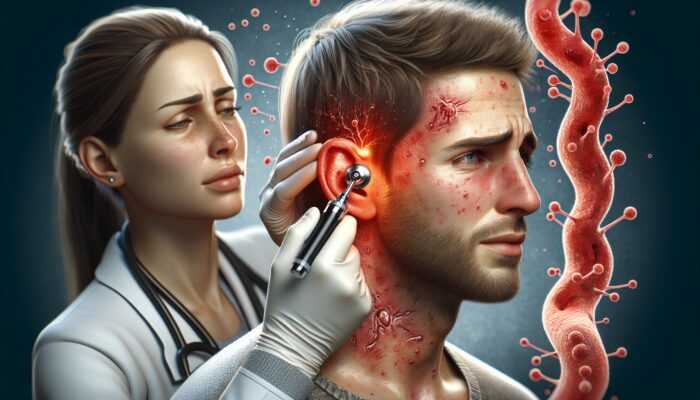
    Illustration of an adult with ear infection symptoms being examined by a doctor using an otoscope.

    Recognising the various symptoms associated with ear infections is vital for ensuring timely diagnosis and appropriate treatment. The signs of ear infections in adults can encompass ear pain, fever, hearing loss, and potential discharge. Familiarising oneself with these symptoms empowers individuals to seek medical attention when necessary, facilitating prompt intervention and care, which is crucial for effective recovery.

    Key Symptoms to Monitor for Ear Infections

    Experiencing ear pain as an adult can be both perplexing and alarming. The pain may manifest as sharp, throbbing, or a dull ache that lingers, signalling potential issues within the ear. Accompanying symptoms typically include fever, which can range from mild to high, alongside feelings of fatigue or irritability. Another prominent indication of an ear infection is hearing loss, as swelling and fluid accumulation within the ear can impede effective sound transmission, further complicating the situation.

    The occurrence of discharge from the ear may also arise, indicating a potential infection. This discharge can vary in colour and consistency, ranging from clear fluid to pus. These symptoms can escalate quickly, making it imperative to remain attuned to your body and seek medical advice if they persist beyond a couple of days or worsen over time, as early intervention can prevent complications.

    Understanding the diverse array of symptoms linked to ear infections can facilitate more effective communication with healthcare providers, ensuring that appropriate actions are taken swiftly to address the condition and mitigate any potential complications that may arise as a result of delay in treatment.

    Effective Diagnostic Techniques for Accurate Identification of Ear Infections

    When diagnosing ear infections, healthcare professionals utilise a variety of techniques to accurately assess the condition. One of the most widely used methods is otoscopy, where a doctor employs an otoscope to visually inspect the ear canal and eardrum for signs of infection or fluid accumulation. This visual examination is crucial for identifying the underlying issues contributing to the patient’s symptoms and determining the appropriate course of action.

    Another valuable diagnostic tool is tympanometry, which measures the movement of the eardrum in response to variations in air pressure. This test can help determine the presence of fluid in the middle ear, a common characteristic of infections. Additionally, audiometry assesses the patient’s hearing capabilities, providing further insight into how the infection may be affecting auditory function and overall ear health, which is vital for comprehensive treatment planning.

    These diagnostic methods offer invaluable information that aids in determining the best course of treatment. Accurately identifying the specific type of ear infection allows for a more tailored approach, ensuring a better outcome for the patient and facilitating quicker recovery from the condition.

    Understanding When to Seek Medical Assistance for Ear Infections

    Adult in distress clutching ear, showing pain and high fever, in urgent medical setting with doctor.

    Recognising the appropriate moments to seek medical attention for ear infections is crucial in preventing potential complications. Adults who experience severe pain, particularly when accompanied by a high fever or sudden hearing loss, should seek immediate medical care, as these symptoms could signify a serious infection requiring urgent intervention and treatment.

    Furthermore, if symptoms persist for more than a couple of days without showing improvement, it is advisable to consult a healthcare professional. Ignoring prolonged symptoms can lead to serious complications such as chronic ear infections or even the potential spread of infection to nearby structures, including the brain, which can pose life-threatening risks.

    Being vigilant about your health and not dismissing signs of severe discomfort can be a lifesaver. Understanding when to take action can significantly influence recovery and overall health outcomes, ultimately contributing to better ear health and quality of life.

    Understanding the Complications Arising from Untreated Ear Infections

    The implications of untreated ear infections can be severe and far-reaching. Chronic or neglected infections can lead to irreversible hearing loss, profoundly impacting one’s quality of life. Beyond hearing impairment, complications such as mastoiditis can occur, where the infection spreads to the mastoid bone behind the ear, necessitating aggressive treatment and possible hospitalisation, which can be overwhelming for affected individuals and their families.

    Additionally, the risk of the infection spreading to the brain is a serious concern, potentially leading to life-threatening conditions such as meningitis or brain abscesses. Understanding these potential complications underscores the critical importance of seeking medical advice promptly to effectively manage ear infections and prevent more serious health issues from arising, ensuring a safer and healthier future.

    Taking proactive steps to address ear infections can safeguard against these severe consequences. Awareness of the risks associated with untreated infections can motivate individuals to prioritise their health and seek the necessary treatment to protect their overall well-being from the potential dangers posed by these conditions.

    Implementing Preventive Measures for Optimal Ear Health

    Prevention is always more effective than treatment, and when it comes to ear infections, there are several strategies that individuals can adopt to minimise their risk. Avoiding excessive water exposure, particularly in crowded swimming pools, can significantly decrease the likelihood of developing infections such as Otitis Externa, making it essential to be vigilant.

    Maintaining good hygiene practices is also imperative. Regular hand washing and refraining from touching or inserting objects into the ears can help prevent the introduction of bacteria or fungi that lead to infections. Additionally, ensuring that vaccinations are current—such as the pneumococcal and influenza vaccines—can further reduce the risk of infections that might lead to ear problems, enhancing overall health and protection.

    Understanding these preventive measures empowers adults to take control of their ear health. Simple lifestyle adjustments can lead to substantial reductions in the risk of ear infections, promoting improved health outcomes and overall well-being, ultimately ensuring a better quality of life.

    Identifying Risk Factors Contributing to the Development of Ear Infections

    Recognising the risk factors associated with ear infections in adults is crucial for mitigating their frequency and severity. Several environmental, lifestyle, and genetic factors contribute to the likelihood of developing these infections, making awareness essential for proactive ear health management and intervention.

    Environmental Factors Influencing the Risks of Ear Infections

    Exposure to environmental pollutants represents a significant risk factor for ear infections. Individuals residing in areas with elevated levels of smoke, allergens, or pollutants may find themselves more susceptible to infections. For instance, exposure to secondhand smoke can irritate the Eustachian tubes, leading to blockages and subsequent infections that complicate ear health.

    High altitudes can also exacerbate the risk of ear infections. Changes in atmospheric pressure can affect the middle ear, particularly during activities such as flying or diving. Being aware of these environmental triggers can encourage proactive measures to avoid or minimise exposure, ensuring better ear health and reducing the likelihood of infections that can disrupt daily life.

    Creating a living environment that promotes clean air quality and minimising exposure to known irritants can significantly decrease the risk of ear infections, particularly for individuals already predisposed to such conditions. Such measures can improve overall health and enhance quality of life.

    Lifestyle Choices and Existing Health Conditions That Elevate Risk

    Certain lifestyle choices and pre-existing health conditions can elevate the risk of developing ear infections. Individuals with diabetes or immune system disorders may find themselves more susceptible due to a compromised ability to fend off infections effectively, making it crucial to manage these conditions.

    Additionally, smoking serves as a prominent risk factor, as it can damage the Eustachian tubes and promote fluid accumulation in the middle ear. Furthermore, adults who frequently consume alcohol may also be at heightened risk, as excessive drinking can impair immune function and increase vulnerability to infections that can lead to significant health challenges.

    Understanding the interplay between lifestyle choices and ear infection risk can guide individuals toward better habits. Making conscious decisions regarding health and wellness can significantly contribute to reducing the likelihood of developing ear infections and improving overall ear health, thereby promoting a healthier lifestyle.

    Genetic Factors Influencing Susceptibility to Ear Infections

    Genetic predispositions can significantly influence an individual’s susceptibility to ear infections. Anatomical differences in the structure of the Eustachian tubes, for example, can make certain individuals more prone to recurrent infections. A family history of ear infections may indicate a genetic component, necessitating increased awareness and preventive measures to address these risks effectively.

    Recognising genetic predispositions can encourage proactive monitoring of ear health. Individuals with a family history of ear infections should consult with healthcare providers regarding preventive strategies and early intervention approaches to mitigate risks effectively, ensuring a comprehensive approach to ear health management.

    Understanding the influence of genetics on ear health empowers individuals to take preventive steps to reduce their risk of infections, ultimately leading to better health outcomes and enhanced quality of life.

    Age-Related Changes Impacting Ear Health

    As adults age, the structure and function of the ear can change, increasing susceptibility to infections. The Eustachian tubes may become less efficient at equalising pressure and draining fluid, creating an environment conducive to infections, particularly in older adults who may face additional health challenges.

    Moreover, age-related health conditions, such as arthritis or other chronic diseases, can further complicate ear health, making it imperative for aging adults to remain vigilant about their ear health. Regular check-ups can help identify potential issues before they escalate into more serious conditions, ensuring proactive management and intervention.

    Maintaining awareness of how aging impacts ear health can encourage older adults to seek proactive care, ensuring better management of their overall health and the prevention of ear infections that can significantly affect quality of life.

    Occupational Hazards and Their Link to Increased Risk of Ear Infections

    Certain occupations can heighten the risk of ear infections, particularly those involving exposure to loud noises or water. For example, swimmers, divers, or individuals working in environments with frequent moisture exposure are at increased risk for conditions like Otitis Externa, necessitating protective measures.

    Implementing protective measures, such as wearing earplugs or protective headgear, can significantly mitigate the risk of developing ear infections in these professions. Additionally, ensuring proper ear hygiene is essential for those who face occupational hazards, helping to maintain ear health and prevent infections that can disrupt their careers and daily lives.

    Understanding the potential risks associated with specific occupations can motivate individuals to take preventive action, safeguarding their ear health while pursuing their careers effectively, thus promoting overall well-being.

    Effective Strategies for Preventing Ear Infections

    Implementing effective prevention strategies is crucial for reducing the incidence of ear infections. By understanding the best practices for maintaining ear health, individuals can take proactive measures to keep their ears healthy and free from infections.

    Essential Hygiene Practices for Maintaining Optimal Ear Health

    Maintaining proper hygiene stands as one of the simplest yet most effective strategies for preventing ear infections. Regular hand washing can substantially reduce the risk of introducing harmful bacteria into the ears. Additionally, minimising the tendency to touch the ears unnecessarily is vital for reducing exposure to germs that may lead to infections, making awareness critical.

    It is equally important to keep the ear canal clean and dry, especially after swimming or showering. Gently drying the ears with a towel can help prevent moisture buildup, a known contributor to infections. Understanding the significance of hygiene can empower individuals to adopt healthier habits that support their ear health and overall well-being, leading to improved quality of life.

    Emphasising the role of hygiene in preventing ear infections can lead to significant improvements in overall ear health, thereby reducing the likelihood of discomfort and potential complications associated with infections, ensuring a healthier future.

    Proactive Ear Care Tips for Effective Infection Prevention

    Taking care of your ears extends beyond basic hygiene; it involves adopting specific practices that promote optimal ear health. For instance, avoiding the insertion of cotton swabs or other objects into the ear canal can prevent irritation and potential damage to the delicate ear structures, safeguarding against infections.

    Using earplugs while swimming can also minimise the risk of Otitis Externa by protecting the ear canal from unwanted water exposure. Additionally, refraining from exposure to loud noises and wearing protective headgear when necessary can contribute to preserving hearing and preventing infections that can lead to significant health issues.

    By implementing these ear care tips, individuals can take charge of their ear health, resulting in a reduced risk of infections and related complications that can arise from neglecting ear hygiene, thus promoting overall wellness.

    The Vital Role of Vaccinations in Preventing Ear Infections

    Vaccinations play a crucial role in preventing ear infections, particularly those caused by bacterial agents that can lead to conditions such as Acute Otitis Media. Vaccines like the pneumococcal and influenza vaccines are instrumental in providing protection against infections that could potentially lead to ear complications, making immunisation essential.

    Ensuring that individuals, especially children and older adults, are up-to-date on their vaccinations can significantly lower the incidence of ear infections. Consulting healthcare providers about recommended vaccinations can empower individuals to take proactive control of their ear health, ensuring they are equipped to prevent infections effectively and maintain optimal health.

    Recognising the powerful impact of vaccinations on preventing ear infections encourages individuals to prioritise their health and seek appropriate immunisations to safeguard their well-being, ultimately contributing to a healthier community.

    Comprehensive Treatment Options for Ear Infections

    Understanding the array of treatment options available for ear infections is essential for effective management and recovery. Depending on the severity and type of infection, various strategies may be employed, ranging from medications to surgical interventions to restore ear health and function.

    Utilising Antibiotics for Treating Bacterial Ear Infections

    When dealing with bacterial ear infections, antibiotics are often the first line of defence. Prescribed by healthcare providers, these medications are crucial for treating Acute Otitis Media and preventing complications that may arise from untreated infections. The choice of antibiotic will depend on the specific bacteria involved and any potential allergies that the patient may have, demonstrating the need for personalised treatment.

    It is vital for patients to adhere to the prescribed course of antibiotics fully, even if symptoms begin to improve before completion. This practice helps prevent antibiotic resistance and ensures that the infection is adequately addressed, which is essential for effective recovery.

    Additionally, being aware of potential side effects is crucial for patients. Some individuals may experience gastrointestinal discomfort or allergic reactions, making it important to communicate any concerns with the prescribing physician to manage treatment effectively and safely.

    Understanding the role of antibiotics in treating ear infections empowers patients to engage actively in their treatment and recovery, ensuring a more favourable outcome and improved ear health overall, thus enhancing their quality of life.

    Implementing Effective Pain Management Strategies for Ear Infections

    Managing pain associated with ear infections is a critical component of treatment. Over-the-counter pain relievers such as ibuprofen or acetaminophen can effectively offer relief from discomfort and help to reduce fever. Understanding safe dosage guidelines and adhering to recommended dosages is essential for effective pain management, ensuring patient safety.

    For more severe pain, healthcare providers may recommend stronger pain medications or topical treatments to provide relief. Complementary therapies, such as using warm compresses applied to the affected ear, can also offer additional comfort and alleviate discomfort, contributing positively to the overall treatment experience.

    Effective pain management not only alleviates immediate discomfort but also enhances overall recovery. Individuals should feel empowered to discuss their pain levels with healthcare providers to ensure they receive appropriate and effective relief throughout their treatment journey, ultimately improving their quality of life.

    Exploring Surgical Interventions for Persistent Ear Infections

    In cases of severe or recurrent ear infections, surgical intervention may become necessary. Procedures such as tympanostomy tube insertion can help drain fluid from the middle ear, alleviating pressure and preventing future infections from occurring, thus protecting ear health.

    Surgical options are typically considered when conservative treatments have proven ineffective or when complications arise, such as chronic tubal obstruction or significant hearing loss. Understanding the indications for surgery can help individuals recognise when surgical intervention may be necessary for their ear health and well-being, providing clarity in decision-making.

    Consulting with an ear, nose, and throat (ENT) specialist can provide valuable insights into the necessity of surgical intervention and what to expect during the process, ensuring patients are well-informed and prepared for potential treatments, thereby reducing anxiety associated with surgery.

    Taking an informed approach to treatment can lead to better health outcomes and a more comprehensive understanding of one’s ear health, ensuring patients feel empowered throughout their journey to recovery.

    Understanding Potential Complications and Long-term Effects of Ear Infections

    The complications arising from untreated ear infections can have profound and lasting impacts on health and well-being. Understanding these potential consequences is essential for anyone who experiences ear infections, as awareness leads to better proactive management and treatment, ultimately promoting a healthier life.

    Understanding Hearing Loss Linked to Ear Infections

    One of the most concerning complications of untreated ear infections is hearing loss. Both temporary and permanent hearing loss can occur as a result of ongoing infections, significantly affecting communication and overall quality of life. For adults, this can lead to social withdrawal, difficulties in professional settings, and emotional distress stemming from impaired hearing, highlighting the need for prompt treatment.

    Recognising the signs of hearing loss early on can facilitate timely intervention and management strategies. Regular hearing assessments and consultations with healthcare providers can help mitigate the risks associated with ear infections and preserve auditory function, ensuring that individuals maintain optimal communication abilities.

    Understanding the potential for hearing loss underscores the importance of seeking treatment promptly, ensuring that ear health is prioritised for a better quality of life and overall well-being, ultimately fostering a more fulfilling life experience.

    The Risk of Infection Spread and Related Complications

    The risk of infection spreading to nearby structures poses a serious concern with untreated ear infections. Conditions such as mastoiditis, where the infection spreads to the mastoid bone, may arise, necessitating aggressive treatment that can include hospitalisation and intravenous antibiotics, complicating recovery efforts.

    Moreover, the potential for infection to reach the brain represents a grave concern. Life-threatening conditions such as meningitis can develop, requiring immediate medical attention and intervention to prevent serious health outcomes, underscoring the urgency of addressing ear infections promptly.

    Awareness of these severe complications emphasises the importance of proactive healthcare engagement. Recognising the signs of worsening symptoms can lead to timely interventions that protect against serious health risks associated with untreated ear infections, ultimately preserving health and wellness.

    Managing Chronic Conditions Resulting from Ear Infections

    Persistent ear infections can lead to chronic conditions that require ongoing management and care. Chronic Otitis Media, which involves continuous inflammation or infection, can be particularly challenging to treat and manage effectively, necessitating a comprehensive care approach.

    Patients grappling with chronic ear conditions may require regular medical follow-ups, audiological assessments, and potential surgical interventions to address ongoing issues. Understanding the nature of these chronic conditions can help individuals navigate their treatment options and make informed decisions regarding their ear health, promoting better outcomes.

    Proactive management and open communication with healthcare providers are crucial for achieving better outcomes for those experiencing chronic ear infections and related complications, ultimately enhancing quality of life and health status.

    Navigating Tinnitus as a Long-term Effect of Ear Infections

    Another potential long-term effect of chronic ear infections is tinnitus, characterised by persistent ringing or buzzing in the ears. This condition can be distressing and may significantly impact daily life, leading to difficulties in concentration and sleep disturbances due to the constant sound, which can be frustrating for affected individuals.

    While not all cases of tinnitus are linked directly to ear infections, understanding the potential connection can help individuals seek appropriate care and management strategies. Treatment options might include sound therapy, counselling, or lifestyle adjustments to cope with and manage the symptoms effectively, providing relief and improving well-being.

    Recognising the relationship between ear infections and tinnitus empowers individuals to take proactive steps in seeking treatment and managing their ear health effectively, fostering a better quality of life and overall satisfaction.

    Addressing Balance Issues Linked to Ear Infections

    Infections affecting the inner ear can lead to balance problems, causing symptoms such as dizziness or vertigo. These issues can increase the risk of falls and injuries, particularly among older adults who may already be at risk for such incidents, making awareness and prevention critical.

    Seeking medical advice when balance problems arise can lead to effective management strategies, including physical therapy or vestibular rehabilitation to address the underlying issues and improve stability. Such interventions can substantially enhance safety and quality of life for those affected, ensuring better health outcomes.

    Being aware of the potential for balance-related complications encourages individuals to prioritise their ear health and seek timely care when necessary to prevent these issues from escalating, ultimately safeguarding their overall well-being.

    Frequently Asked Questions Regarding Ear Infections

    What are the most common causes of ear infections in adults?

    The most prevalent causes of ear infections in adults include respiratory infections, allergies, and sinus infections, which can lead to fluid accumulation in the ears and subsequent infection, necessitating awareness and preventive measures.

    How can I determine if I have an ear infection?

    Symptoms indicative of an ear infection may include ear pain, fever, hearing loss, and discharge from the ear. If you experience these symptoms, it is advisable to consult a healthcare provider for a thorough evaluation and diagnosis, ensuring appropriate treatment.

    Are ear infections considered serious medical conditions?

    Yes, ear infections can lead to serious complications if left untreated, including hearing loss and the potential spread of infection to nearby structures, which can pose significant health risks that require immediate attention.

    Can I take preventative measures against ear infections?

    Absolutely! You can prevent ear infections by maintaining good hygiene, avoiding excessive water exposure, and ensuring that your vaccinations are current to reduce the risk of infections that can lead to complications.

    What steps should I take if I suspect I have an ear infection?

    If you suspect an ear infection, seek medical attention promptly, especially if you experience severe pain, high fever, or sudden hearing loss, as these may indicate a more serious condition requiring immediate care and intervention.

    How are ear infections typically treated?

    Treatment for ear infections may involve the use of antibiotics for bacterial infections, pain management strategies, and in some cases, surgical interventions to drain fluid and alleviate pressure, ensuring effective recovery.

    Is it safe to use ear drops for treating ear infections?

    Using ear drops can be safe, but it’s essential to follow a healthcare provider’s instructions carefully to avoid further irritation or complications that may arise from improper use, ensuring effective treatment.

    Can ear infections lead to hearing issues?

    Yes, untreated ear infections can result in both temporary and permanent hearing loss, adversely affecting overall quality of life and making early intervention crucial for preserving auditory function.

    What is the typical recovery time for an ear infection?

    Recovery time varies by individual and the severity of the infection, but most adults begin to feel better within a few days of appropriate treatment, although complete healing may take longer, necessitating patience and care.

    Are there long-term effects associated with recurrent ear infections?

    Recurrent ear infections can lead to chronic conditions, persistent hearing loss, and complications such as tinnitus or balance problems if not managed effectively and promptly, highlighting the need for proactive care.

    Discover more about ear health at X!

    The post Ear Infections in Adults: Causes and Effective Treatments appeared first on The Microsuction Ear Wax Removal Network.

  • Ears and Balance: Exploring Their Complex Relationship

    Our sense of balance is a fundamental element of our daily experiences, enabling us to navigate our environments with confidence and stability. Although we may not often contemplate its significance, our ears play a vital role in maintaining this intricate equilibrium. In this article, we delve into the fascinating relationship between our ears and balance, exploring the anatomy of the ear, its essential contribution to balance, the various balance disorders that can occur, and effective strategies to preserve ear health over time.

    Discover the Intricate Anatomy of the Ear and Its Impact on Balance

    To fully understand how our ears influence balance, it is essential to familiarise ourselves with their complex anatomy. The ear is composed of three primary sections: the outer ear, the middle ear, and the inner ear. Each of these parts plays a distinct role in the hearing process and contributes significantly to our ability to maintain balance.

    Investigating the Outer Ear and Its Crucial Role in Sound Collection

    Detailed anatomical illustration of outer ear, showing pinna and ear canal directing sound waves to middle ear.

    The outer ear, which encompasses the pinna and the ear canal, is the part of the ear that we most commonly recognise. Its primary function is to collect and funnel sound waves towards the middle ear, commencing the intricate process of hearing. Without the proper functioning of the outer ear, our ability to perceive sounds would be severely compromised.

    The pinna, often referred to as the auricle, represents the visible portion of the outer ear and plays a pivotal role in capturing auditory signals from our surroundings. Acting like a funnel, it effectively directs sound waves into the ear canal, which is a slender, tube-like structure that further transports these sound waves deeper into the ear, thus facilitating the hearing process.

    Comprehending the Middle Ear’s Function in Sound Transmission

    The middle ear, located between the outer ear and the inner ear, contains three tiny bones known as the ossicles: the malleus (hammer), incus (anvil), and stapes (stirrup). These small yet crucial bones are responsible for effectively transmitting sound vibrations from the eardrum to the inner ear, amplifying the sound signals along the way.

    The eardrum, also known as the tympanic membrane, acts as a barrier separating the outer ear from the middle ear. When sound waves strike the eardrum, it vibrates, resulting in the movement of the ossicles. This movement not only amplifies the sound but also ensures its effective transfer to the inner ear, allowing us to hear sounds with clarity and precision.

    Examining the Inner Ear’s Dual Role in Hearing and Balance

    The inner ear is a complex structure that is responsible for both hearing and balance. It comprises two primary components: the cochlea, which converts sound waves into electrical signals for the brain to interpret, and the vestibular system, which is essential for maintaining our balance and spatial orientation.

    Within the cochlea, a spiral-shaped organ filled with fluid, sound vibrations create ripples. These ripples stimulate tiny hair cells lining the walls of the cochlea, which convert the vibrations into electrical signals. These signals are then transmitted to the brain via the auditory nerve, allowing us to perceive and interpret sounds.

    On the other hand, the vestibular system, located within the inner ear, plays a critical role in sensing motion and maintaining balance. This system consists of three semicircular canals and two otolith organs. The semicircular canals detect rotational movements, while the otolith organs sense linear movements and changes in the position of the head, contributing to our overall sense of balance.

    Exploring the Vestibular System’s Essential Role in Maintaining Balance

    Anatomical illustration of the inner ear's vestibular system and its role in balance maintenance.

    The vestibular system is a sophisticated network of fluid-filled canals and sensory organs located in the inner ear, playing a vital role in maintaining our sense of balance. This system operates in conjunction with our visual system and proprioception (the sensory input received from muscles and joints) to provide a comprehensive awareness of our body’s position and movements in three-dimensional space.

    Understanding the Mechanism of the Vestibular System: How It Functions

    The vestibular system consists of three semicircular canals, each oriented in distinct planes: the anterior, posterior, and horizontal canals. Each canal contains fluid and hair cells that are sensitive to changes in head position and rotational movements.

    As we move our heads, the fluid within the semicircular canals shifts accordingly. This fluid movement stimulates the hair cells, which then relay signals to the brain regarding the direction and speed of our head movements. The brain integrates this information with visual cues and proprioceptive feedback to maintain balance effectively and respond to changes in our environment.

    The otolith organs, which consist of the utricle and saccule, are responsible for detecting linear movements and changes in head position in relation to gravity. These organs contain tiny calcium carbonate crystals known as otoliths, which shift in response to gravitational forces and head movements. When the otoliths move, they bend the hair cells, generating electrical signals that are sent to the brain for processing.

    Recognising Common Balance Disorders: Understanding Their Effects

    When the vestibular system malfunctions, it can lead to various balance disorders that significantly impact daily life. Some of the most common disorders include:

    1. Vertigo: This disorder is characterised by a sensation of spinning or dizziness, often accompanied by nausea and feelings of unsteadiness. Vertigo can stem from issues within the inner ear or problems in the brain’s processing of balance signals, leading to disorientation.

    2. Labyrinthitis: This condition refers to the inflammation of the inner ear, typically caused by an infection, which can lead to vertigo and hearing loss. Labyrinthitis often results in a temporary disruption of the vestibular system, causing significant balance problems.

    3. Meniere’s disease: This disorder is characterised by recurrent episodes of vertigo, hearing loss, tinnitus (ringing in the ears), and a sensation of fullness in the affected ear. It is believed to arise from an abnormal accumulation of fluid in the inner ear, leading to these distressing symptoms.

    4. Benign paroxysmal positional vertigo (BPPV): This condition is caused by the dislocation of small calcium crystals within the inner ear, resulting in brief episodes of vertigo triggered by specific head movements. BPPV is one of the most common causes of vertigo, significantly affecting quality of life.

    Effective Strategies for Maintaining Ear Health and Enhancing Balance

    A person practicing yoga on a cliff, with visible ear structures, symbolizing ear health and balance.

    While certain balance disorders may require medical intervention, there are numerous proactive steps we can take to maintain optimal ear health and support our balance over time:

    1. Safeguard Your Ears from Loud Noises

    Exposure to loud sounds can severely damage the delicate structures within the inner ear and potentially lead to balance complications. It is advisable to use ear protection, such as earplugs or earmuffs, when in noisy environments like concerts or construction sites, as this can help prevent hearing damage.

    Additionally, it is crucial to avoid inserting objects, such as cotton swabs, into the ear canal, as this practice can cause injuries and increase the risk of infections. Safeguarding your ears is a vital component of maintaining both hearing and balance, ensuring they function optimally.

    2. Engage in Regular Physical Activity to Enhance Balance and Coordination

    Participating in regular physical activity is instrumental in improving balance and coordination. Involvement in exercises such as yoga, tai chi, or simply taking consistent walks can significantly strengthen the muscles and systems responsible for maintaining balance, enhancing overall physical stability.

    Practices like yoga and tai chi focus on elements of balance, flexibility, and body awareness, which are essential for improving proprioception and overall balance control. Staying active is not only beneficial for physical health but also promotes mental well-being, contributing to a holistic approach to health.

    3. Seek Prompt Treatment for Infections to Prevent Complications

    Infections, such as otitis media (middle ear infection), can adversely affect balance and overall ear health. If you experience symptoms such as ear pain, discharge, or dizziness, it is essential to seek prompt medical attention to prevent any potential complications that may arise.

    Treatment for ear infections may involve antibiotics, pain relievers, and ear drops. It is vital to follow your healthcare provider’s prescribed treatment plan and complete the full course of medication to ensure effective recovery and minimise the risk of recurrence.

    4. Moderately Limit Alcohol Consumption to Maintain Balance

    Excessive alcohol intake can disrupt the vestibular system, leading to disturbances in balance and coordination. Alcohol acts as a depressant on the central nervous system, impacting the brain areas responsible for balance and motor control.

    To maintain optimal balance, it is advisable to consume alcohol in moderation and remain mindful of your intake. If you experience balance issues following alcohol consumption, it may be wise to refrain from drinking altogether to ensure your safety and well-being.

    5. Implement Fall Prevention Strategies to Enhance Safety

    Taking proactive measures to prevent falls can significantly reduce the risk of injuries related to balance issues. Ensure your living environment is free from hazards, install handrails in critical areas, and use non-slip mats or rugs to minimise the likelihood of slips and falls.

    Engaging in regular physical exercise, including strength training and balance exercises, can also enhance muscle strength, flexibility, and coordination, effectively lowering the risk of falls and creating a safer living environment.

    6. Consult Healthcare Professionals for Persistent Balance Issues

    If you experience ongoing balance problems or suspect a balance disorder, it is crucial to consult a healthcare professional. They can conduct a thorough evaluation, diagnose any underlying conditions, and recommend appropriate treatments or therapies tailored to your individual needs.

    Possible treatment options for balance disorders may include medications, physical therapy, vestibular rehabilitation exercises, and lifestyle modifications designed to improve your overall balance and enhance your quality of life.

    Recognising the Importance of Ear Health for Overall Balance

    The intricate connection between our ears and balance highlights the significance of maintaining optimal ear health. By enhancing our understanding of the anatomy of the ear and the integral role of the vestibular system, along with implementing proactive measures to promote ear health, we can significantly improve our overall sense of balance and well-being. Remember to protect your ears, remain physically active, and seek professional assistance when necessary; taking care of our ears is ultimately essential for preserving our balance and enhancing our quality of life.

    Your Frequently Asked Questions About Ear Health and Balance Answered

    1. What are the main parts of the ear?

    The ear consists of three primary components: the outer ear, middle ear, and inner ear, each playing a unique role in hearing and balance.

    2. How does the vestibular system function?

    The vestibular system operates by detecting changes in head position and rotational movement through its intricate network of fluid-filled canals and sensitive hair cells located in the inner ear.

    3. What are some common balance disorders?

    Some prevalent balance disorders include vertigo, labyrinthitis, Meniere’s disease, and benign paroxysmal positional vertigo (BPPV), each with distinct symptoms and impacts on daily life.

    4. How can I maintain ear health and balance?

    To promote ear health and maintain balance, you should protect your ears from loud noises, engage in regular physical activity, treat infections promptly, limit alcohol consumption, implement fall prevention strategies, and consult healthcare professionals when needed.

    Originally posted 2022-02-03 21:13:10.