Category: Health & Wellness

  • Starkey Muse Debuts in the UK Market

    Starkey Muse from Hearing First brings a new generation of power and precision to hearing aid wearers, making conversation clearer in noisy environments, and music more natural.

    Starkey Muse from Hearing First

    Discover the Innovative Starkey Muse Hearing Aids Now Available in the UK

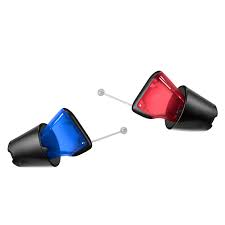
    Starkey has officially unveiled its latest Muse range of hearing aids, designed to meet diverse user needs. The collection features various styles, including the discreet yet powerful CIC (completely in the canal), ITC, and ITE custom designs. options like the microRIC 312, miniBTE, and microRIC 312 AP provide up to 70dB of amplification without feedback. For those prioritising invisibility, Starkey presents the Soundlens Synergy, recognised as the world’s first wireless true iic (invisible in the canal) hearing aid.

    The Muse hearing aids come in three technology levels: i2400, i2000, and i1600. They are powered by Starkey’s innovative Synergy technology platform, which features a quad-core architecture. This advanced design allows for up to 24 channels and dual compressors, enhancing overall performance.

    Every model includes Starkey’s cutting-edge, patent-pending Multiflex Tinnitus technology. This system combines personalisation and flexibility, providing much-needed relief for individuals suffering from tinnitus.

    The Muse range, featuring the revolutionary Synergy platform, stands out as the only hearing aid system utilising quad-core twin compressor technology. This innovation ensures unparalleled precision in sound clarity and the ultimate optimisation for an enjoyable listening experience. With the integration of Acuity OS, Starkey’s new high-definition operating system, speech and musical sounds are processed in a unique manner for the first time, significantly improving speech audibility and musical enjoyment across various environments.

    Synergy also integrates 900sync Technology, which is favoured by patients for its high-quality wireless performance. This technology enhances the auditory experience for those with unilateral hearing loss through the new Muse CROS System and improves phone comprehension with the innovative ear-to-ear phone streaming feature.

    To explore the Starkey Muse range further, visit the following links:

    Learn more about Starkey Muse i2400

    Discover Starkey Muse i2000

  • Starkey Muse i2400: Affordable Hearing Aids for Every Need

    Starkey Muse i2400 £1595 from Hearing First brings a new generation of power and precision to hearing aid wearers, making conversation clearer in noisy environments, and music more natural.

    Starkey Muse i2400 £1595 from Hearing First

    Discover the Starkey Muse i2400 for £1595

    Starkey has unveiled its latest Muse range of hearing aids, with the most competitive price in the UK available at Hearing First for just £1595. This innovative collection includes various styles, from the discreet yet powerful CIC (completely in the canal) and ITC (in the canal) to ITE (in the ear) custom designs. the range features the microRIC 312, miniBTE, and the microRIC 312 AP, which offers up to 70dB of feedback-free amplification. For those prioritising discretion, Starkey introduces the Soundlens Synergy, the world’s first wireless true iic (invisible in the canal) hearing aid.

    The Muse range is available in three technology levels: i2400, i2000, and i1600. Each model is powered by Starkey’s new Synergy technology platform, which operates on a quad-core architecture that supports up to 24 channels and twin compressors.

    Each hearing aid model includes Starkey’s innovative Multiflex Tinnitus technology, which offers personalised and flexible solutions to help alleviate the symptoms of tinnitus for users.

    What Cutting-Edge Features Does the Starkey Muse i2400 Offer?

    The i2400 model is equipped with the following advanced features:

    • 24 channels and 24 bands for enhanced sound processing
    • Extended bandwidth reaching up to 10kHz for superior audio clarity
    • Acuity OS for optimised performance
    • 900sync Wireless Technology for seamless connectivity
    • Wireless Spatial Streaming for an immersive listening experience
    • Acuity Speech Optimisation to enhance speech comprehension
    • Music Enhancement features, including:
      • Music Adaptation – Level 4 for tailored listening
      • Music Memory for consistent sound quality
      • E2E Music Adaptation – Maximum for optimal music playback
    • Ear 2 Ear Acuity Binaural Imaging, which includes:
      • E2E Machine Noise Adaptation – Level 4 to minimise distracting sounds
      • E2E Wind Noise Management – Level 4 for clear listening in breezy conditions
      • E2E Directionality for improved focus on conversations
      • E2E Phone Streaming for enhanced phone call clarity
    • Environment Manager – Acuity Lifescape Analyser, which features:
      • Music – Level 4 for optimal sound in musical environments
      • Speech – Level 4 for better understanding in conversations
      • Speech and Noise – Level 4 for balanced listening in challenging settings
      • Machine Noise – Level 4 to reduce background interference
      • Wind – Level 4 for protection against gusty conditions
      • Noise – Level 4 for overall sound management
      • Quiet – Level 4 for serene listening experiences
    • Directional Processing – Acuity Directionality, which features:
      • Channels: 24 for comprehensive sound capture
      • Dynamic – Maximum for adaptive sound adjustment
      • Directional – Maximum for focused listening
      • Adaptive – Maximum for personalised audio experiences
    • Noise Control – Acuity Voice, which includes:
      • Noise Reduction Strength – Level 4 for minimising unwanted sound
    • Whistlefree Feedback Cancellation to eliminate annoying feedback
    • Speech Shift Frequency Lowering to enhance clarity
    • Multiflex Tinnitus Technology for tailored relief
    • SurfLink Wireless Accessories for enhanced connectivity

    The Muse range, powered by Starkey’s revolutionary Synergy platform, is the only one to incorporate quad-core twin compressor technology. This system provides exceptional precision for sound clarity and optimises the listening experience. The Synergy platform, combined with Acuity OS, Starkey’s high-definition operating system, allows for unique processing of speech and music. This innovation significantly enhances both speech intelligibility and the enjoyment of music across various environments.

    Synergy also integrates 900sync Technology, the preferred wireless solution for users. This technology delivers an unparalleled audio experience, catering to those with unilateral hearing loss through the new Muse CROS System. It also enhances phone comprehension with the innovative ear-to-ear phone streaming.

  • Starkey Muse i2000 Hearing Aids: CIC, ITC, ITE, RIC, BTE Options

    Starkey Muse i2000 £1295 from Hearing First brings a new generation of power and precision to hearing aid wearers, making conversation clearer in noisy environments, and music more natural.

    Discover the Starkey Muse i2000 at £1295 from Hearing First

    Experience the Starkey Muse i2000 for £1295

    If you are searching for the best price in the UK for the Starkey Muse i2000, look no further than Hearing First.

    The Starkey Muse i2000 features our groundbreaking Acuity Binaural Imaging, which offers ultra high-definition audio, ensuring a natural ear-to-ear communication experience for users. This innovative technology allows for effective collaborative decision-making, preserving speech clarity while maintaining user comfort.

    Today’s audiology patients wish to enjoy rich listening experiences in all types of environments. Our sophisticated Acuity Lifescape Analyzer serves this need with its rigorous environmental detection capabilities. It can identify and adapt to seven different sound classes simultaneously, providing the most advanced classification and adaptation system available.

    To enhance speech detection in challenging listening situations, we have developed Acuity Directionality. This intelligent, personalised feature continually adapts across all channels, focusing on conversations while delivering up to 6dB of speech enhancement. As a result, users can engage in conversations from any direction with greater ease.

    Acuity Voice operates alongside the Acuity Lifescape Analyzer, ensuring optimal clarity for spoken communication. This advanced two-part algorithm employs dynamic voice identification paired with spectral noise control, calculating the required gain on a per-channel basis. This results in exceptional sound quality and intelligibility, even in noisy environments.

    Our wireless system, 900sync, seamlessly streams a caller’s voice to both ears through our innovative Ear-to-Ear Phone Streaming feature, making phone conversations clearer and more manageable than ever.

    Advanced Technology Features of the Starkey Muse i2000

    The i2000 model is equipped with a range of impressive features, including:

    • 20 channels and 20 bands for precise sound management
    • Extended bandwidth reaching up to 10kHz for enhanced audio clarity
    • The cutting-edge Acuity OS for superior performance
    • 900sync Wireless Technology for effortless connectivity
    • Wireless Spatial Streaming for immersive listening experiences
    • Acuity Speech Optimisation – Medium for improved speech clarity
    • Music Enhancement features, including:
      • Music Adaptation – Level 2 for tailored listening
      • Music Memory for personalised playback
      • E2E Music Adaptation – Medium for versatile audio management
    • Ear-to-Ear Acuity Binaural Imaging, which includes:
      • E2E Machine Noise Adaptation – Level 2 for reduced background interference
      • E2E Wind Noise Management – Level 2 for clear sound in breezy conditions
      • E2E Directionality for enhanced focus on conversations
      • E2E Phone Streaming for effortless phone use
    • Environment Management through the Acuity Lifescape Analyser, featuring:
      • Music – Level 2 for optimal enjoyment
      • Speech – Level 2 to enhance clarity
      • Speech and Noise – Level 2 for balanced listening
      • Machine Noise – Level 2 to minimise disruption
      • Wind – Level 2 for clear speech outdoors
      • Noise – Level 2 for effective sound management
      • Quiet – Level 2 for peaceful listening
    • Directional Processing through Acuity Directionality, featuring:
      • 20 channels for precise directionality
      • Dynamic – Medium for adaptable sound processing
      • Directional – Medium for focused listening
      • Adaptive – Medium for varied environments
    • Noise Control with Acuity Voice, featuring:
      • Noise Reduction Strength – Level 2 for enhanced clarity
    • Whistlefree Feedback Cancellation to eliminate annoying feedback
    • Speech Shift Frequency Lowering for improved understanding
    • Multiflex Tinnitus Technology for tailored sound solutions
    • SurfLink Wireless Accessories for added convenience

    The Muse, powered by Starkey’s innovative Synergy platform, is the only hearing aid to incorporate quad core twin compressor technology. This advancement delivers unparalleled precision for audibility and optimises the listening experience. The combination of Synergy and Acuity OS, our high-definition operating system, allows for unique processing of speech and music, enhancing both speech understanding and musical enjoyment in all environments.

    Synergy integrates 900sync Technology, our preferred wireless system, which provides a crystal-clear audio experience. This feature is designed to assist those with unilateral hearing loss through our new Muse CROS System and improves phone conversations with our innovative ear-to-ear phone streaming.

  • Soundlens Synergy i2400 by Starkey for £2195

    Discover the Starkey SoundLens Synergy i2400: The Pinnacle of Invisible Hearing Aid Technology

    Starkey Soundlens Synergy From Hearing First - the world's smallest truly invisible in the canal hearing aid - now available with wireless technology.

    Starkey Soundlens Synergy From Hearing First

    The Starkey SoundLens Synergy i2400 from Hearing First represents the forefront of invisible hearing aid innovation. These devices are tailored specifically to your individual ear canal shape and personal hearing requirements, ensuring a snug and discreet fit that remains unnoticed by others. Despite their small size, the SoundLens Synergy is equipped with cutting-edge technology, making them the first and most sought-after custom-fit Invisible-in-the-Canal (IIC) hearing aids available today.

    • Experience Unmatched Discreteness with Custom Fit

      These hearing aids are designed to be placed deep within your ear canal, customised for all-day comfort and an invisible appearance.

      Starkey has a reputation for producing the smallest, truly invisible in-the-canal hearing aids. With the addition of wireless capabilities and an enhanced technology platform, these hearing aids are at the pinnacle of invisibility and advanced features.

    • Effortlessly Adjust to New Sounds

      This innovative feature facilitates your adaptation to hearing aids by gradually modifying settings, allowing your auditory system to acclimatise to new sounds.

    • Enhanced Wireless Streaming Capabilities

      The technology ensures reliable wireless performance while streaming audio from televisions, music devices, and other media using SurfLink® Mobile 2 and compatible SurfLink accessories.

    • Personalised and Comfortable Listening

      Sound comfort technology is crafted to deliver distortion-free listening for loud sounds while providing exceptional clarity for softer tones.

    • Eliminate Buzzing and Whistling Sounds

      Our state-of-the-art feedback cancellation system ensures a feedback-free experience, allowing for comfortable listening throughout the day.

    • Immerse Yourself in Authentic Music Quality

      These hearing aids are specifically designed to enhance your music experience, allowing you to appreciate every note as the artist intended, with pure and refined sound quality.

    • Customisable Relief for Tinnitus

      The advanced Multiflex Tinnitus Technology incorporated into the hearing aids offers tailored relief for individuals who experience tinnitus or ringing in the ears.

    Explore the Advanced Technology Behind the Starkey SoundLens Synergy i2400

    The i2400 model is equipped with an impressive array of features:

    • 24 channels and 24 bands for precise sound management
    • Extended bandwidth reaching up to 10kHz for enhanced audio clarity
    • Acuity OS for superior processing capabilities
    • 900sync Wireless Technology for seamless connectivity
    • Wireless Spatial Streaming for immersive audio experiences
    • Acuity Speech Optimisation for clearer conversations
    • Music Enhancement features, including
      • Music Adaptation – Level 4 for tailored listening
      • Music Memory for recalling favourite settings
      • E2E Music Adaptation – Maximum for optimal audio quality
    • Ear 2 Ear Acuity Binaural Imaging, featuring
      • E2E Machine Noise Adaptation – Level 4 for reducing background sounds
      • E2E Wind Noise Management – Level 4 for clearer outdoor listening
      • E2E Directionality for improved focus on conversations
      • E2E Phone Streaming for effortless communication
    • Environment Manager – Acuity Lifescape Analyser, including
      • Music – Level 4 for enhanced enjoyment
      • Speech – Level 4 for clearer dialogue
      • Speech and Noise – Level 4 for balanced listening
      • Machine Noise – Level 4 for quieter environments
      • Wind – Level 4 for outdoor clarity
      • Noise – Level 4 for optimal comfort
      • Quiet – Level 4 for peaceful moments
    • Noise Control – Acuity Voice with
      • Noise Reduction Strength – Level 4 for effective sound management
    • Whistlefree Feedback Cancellation for uninterrupted listening
    • Speech Shift Frequency Lowering for enhanced speech clarity
    • Multiflex Tinnitus Technology for effective management of tinnitus symptoms
    • SurfLink Wireless Accessories for versatile connectivity options

  • Hearing Aid Scams: Key Tips for Your Protection

    Last Updated on 26/04/2025 by Admin

    Identify and Avoid Common Hearing Aid Scams

    Understanding the Different Types of Hearing Aid Scams

    The proliferation of fraudulent schemes related to hearing aids has raised significant concerns, as scammers target those who are vulnerable while seeking assistance for their audiological health. A prevalent type of scam involves counterfeit products that mimic genuine hearing aids but provide no real advantage. These deceptive practices often employ flashy advertisements promising groundbreaking technology at unreasonably low prices. The temptation of advanced features can mislead consumers, resulting in wasted money on ineffective devices that do not satisfy their needs or expectations.

    Another common scam revolves around the misleading promotion of hearing aid services. Fraudsters may claim to offer “free trials” or “risk-free” purchasing options that entrap customers in a maze of hidden fees and obligations. A growing trend includes online platforms that appear credible but are merely facades designed to extract personal and financial information, exposing consumers to identity theft and financial loss.

    While hearing aids can greatly enhance one’s quality of life, it is vital to purchase them from trustworthy sources. Recognising these scams is a fundamental step in protecting both your auditory health and financial security, ensuring your investment contributes to devices that genuinely improve your hearing experience.

    Key Warning Signs of Hearing Aid Scams

    Staying informed is your best defence against scams. Unsolicited offers are major red flags; if you receive promotions via email, phone calls, or social media from unfamiliar companies, proceed with extreme caution. Scammers frequently use pressure tactics, insisting that you must act swiftly to secure a deal. In contrast, reputable sellers provide you with ample time to consider your purchase, while fraudsters create a false sense of urgency to rush your decisions.

    Offers that appear too good to be true should immediately raise suspicions. If a hearing aid claims to provide premium features at a fraction of the standard price, it is likely a scam. Always compare prices with industry standards, conducting thorough research on what similar devices generally cost to avoid falling victim to fraudulent offers.

    By remaining vigilant and recognising these warning signs, you can significantly lower your chances of becoming a victim of fraudulent schemes, ensuring your investments in hearing aids genuinely address your legitimate hearing needs.

    Understanding the Tactics Used by Scammers

    Scammers employ a range of sophisticated tactics to trap unsuspecting individuals. Phishing emails, often disguised as communications from legitimate companies, can trick consumers into clicking harmful links or revealing personal information. These emails often create a false sense of urgency, urging immediate responses that can lead to serious consequences.

    Another common tactic involves the creation of fraudulent websites that closely resemble those of reputable brands. These sites typically feature testimonials and reviews that seem authentic but are, in fact, fabricated to build trust. Scammers may also leverage targeted ads on social media platforms, focusing on specific demographics to enhance their chances of ensnaring potential victims.

    In-person sales pitches remain prevalent, particularly in areas where individuals may lack knowledge about the latest hearing aid technology. Sales representatives can be highly persuasive, promoting products that lack scientific validation or regulatory approval. Understanding these methods empowers you to recognise when something feels off, enabling you to avoid potential scams and protect your interests.

    Proactive Steps to Protect Yourself from Scams

    Person using multiple screens to research hearing aid sellers, focusing on reviews and secure payment methods.

    Taking proactive measures and conducting thorough research are essential for safeguarding yourself against hearing aid scams. Start by verifying the credentials of sellers through comprehensive reviews and consumer reports. Pay attention to testimonials from verified purchasers, especially on platforms that allow users to share their experiences openly and honestly.

    Utilising secure payment methods is another critical strategy in your defence against fraud. Opt for credit cards or reputable online payment services that offer robust buyer protection. Avoid payment methods like wire transfers, which often provide limited recourse should the transaction turn problematic.

    Reporting any suspicious activities to the appropriate authorities can help others avoid similar pitfalls. Always stay alert and share your experiences; knowledge and awareness are vital for preventing scams within the hearing aid market, fostering a safer environment for all consumers.

    Carefully Evaluate Seller Credibility

    Conducting Thorough Research on Hearing Aid Sellers

    Conducting comprehensive research on any hearing aid seller is crucial to significantly reduce your risk of falling prey to scams. The digital age grants consumers unprecedented access to information, enabling extensive comparison and analysis. Begin by checking online reviews and ratings across various platforms, such as Trustpilot and the Better Business Bureau.

    Pay careful attention to the overall sentiment expressed in the reviews; a pattern of negative feedback should raise immediate concerns. Scams often accumulate numerous complaints, indicating a history of dishonest practices. It is essential not to rely on a single source; instead, corroborate your findings across multiple platforms to obtain a comprehensive view of the seller’s credibility and reputation in the market.

    Explore discussions in community forums or social media groups focused on hearing health. Real users often share their experiences and insights, providing a wealth of knowledge that can guide potential buyers in their decision-making process. Conducting this research is a pivotal step in ensuring you engage with legitimate sellers, thus protecting your investment and well-being.

    Verifying Certifications and Affiliations

    Certificates from ASHA and IHS displayed in an office, symbolising credibility and ethics.

    Confirming that a seller has the appropriate certifications is vital for establishing their credibility. Look for affiliations with reputable hearing health organisations, such as the American Speech-Language-Hearing Association or the International Hearing Society. Certified sellers not only adhere to industry standards but also commit to ethical business practices, enhancing consumer trust.

    A legitimate seller should readily provide details about their certifications and affiliations. If they are evasive or provide vague responses, this may indicate a lack of transparency and potential dishonesty, raising further questions about their legitimacy.

    To their certifications, check if the seller has received any awards or recognitions from respected industry bodies. Such accolades often underscore a commitment to quality and customer satisfaction, providing further assurance that you are dealing with a credible source that values its customers.

    Communicating Directly with Sellers

    Engaging with the seller directly can foster trust and provide clarity regarding their operations and offerings. Reach out through the contact options available on their website—be it a phone number or email. A legitimate business should respond promptly and professionally to your inquiries, demonstrating their commitment to customer service and satisfaction.

    Prepare specific questions about their products, warranties, and any service commitments they may offer. If the seller is evasive or fails to provide clear answers to your inquiries, consider this a warning sign. Trustworthy sellers should be open and willing to share comprehensive information about their hearing aids, including user guides and demonstration options, ensuring that you have all the information needed to make an informed decision.

    Establishing direct communication not only verifies credibility but also allows you to assess the quality of the seller’s customer service. A responsive and helpful seller can significantly enhance your overall experience, ensuring you have a reliable support system for all your hearing needs.

    Assess the Authenticity of Hearing Aid Products

    Thoroughly Checking Product Details

    Ensuring the authenticity of hearing aids is critical when making a purchase, as counterfeit products can cause serious issues for users. Start by examining essential product details such as model numbers, features, and warranty information. Each model should have specific identifiers that you can cross-reference with the manufacturer’s official website to confirm its legitimacy.

    Look for supporting documentation, including manuals or certification papers accompanying the product. Authentic hearing aids typically include legitimate warranties that assure quality and performance. Be sceptical of products that lack proper documentation or appear poorly constructed, as these are often indicators of counterfeit items.

    Familiarise yourself with the standard features of legitimate hearing aids. Many users fall victim to scams due to a lack of knowledge about what a quality device should offer. Researching the features will help you identify authenticity while ensuring you select a device that meets your specific hearing needs and preferences.

    Cross-Referencing with Official Sources

    Cross-referencing product information against official manufacturer websites or authorised dealers is a powerful method for detecting counterfeit products. Official sources typically provide comprehensive details about their offerings, including specifications, pricing, and lists of authorised retailers.

    When you come across a hearing aid that seems appealing, resist the temptation to make an impulsive decision. Instead, verify whether the product is listed on the manufacturer’s website. If you cannot find it or if the prices differ significantly, this discrepancy may indicate a scam or counterfeit product.

    Engaging with the manufacturer’s customer service can clarify any uncertainties you may have. They can provide valuable information about authorised sellers, ensuring that you make a purchase from a reputable source. Taking this simple yet effective step can save you time, money, and hassle in the long run, providing peace of mind in your buying decision.

    Effective Strategies for Avoiding Counterfeit Hearing Aid Products

    The market is saturated with products that appear genuine but are, in reality, counterfeit. To avoid falling victim to these scams, it is essential to remain vigilant with your purchases. Suspiciously low prices should immediately raise doubts; if a deal seems too good to be true, it likely is.

    Only purchase hearing aids through verified and authorised channels—whether that involves visiting an authorised retailer or directly accessing the manufacturer’s website. Counterfeit products are often sold through unauthorised online platforms or dubious storefronts where buyer protection is minimal or non-existent.

    Always request proof of authenticity when making a purchase. Legitimate sellers should be more than willing to provide documentation that confirms their products are genuine and meet industry standards. The stakes are high regarding your hearing health; do not compromise on quality merely to save a few pounds. Prioritising authenticity is crucial for ensuring effective auditory support.

    Understanding Pricing and Promotional Offers

    Assessing Price Points in the Hearing Aid Market

    Gaining an understanding of pricing in the hearing aid market equips consumers with the knowledge needed to identify reasonable costs and avoid scams. Begin by researching the average price of various hearing aid models. This information is typically available on manufacturer websites or reliable consumer health resources that provide insights into the market landscape.

    Once you have established a baseline price, start comparing costs across multiple vendors. If a seller offers a price substantially lower than the average, proceed with caution. Scammers often lure customers in with unrealistic pricing, so it’s essential to scrutinise any discrepancies and question the reasons behind such low offers.

    Your price analysis should also take into account the features and quality of the product. A higher price does not always correlate with better quality, but abnormally low prices usually signify something amiss. If you find yourself in doubt, do not hesitate to seek clarifications or guidance from an audiologist, who can provide expert insights into fair pricing for hearing aids.

    Evaluating Promotional Offers with Caution

    Promotional offers can be enticing, yet they often conceal hidden risks. When assessing these promotions, be wary of aggressive sales tactics that pressure you into making quick decisions. Legitimate sellers will allow you ample time to consider any offers, while scammers frequently create an artificial sense of urgency to compel hasty decisions.

    Always read the fine print associated with promotional offers. Look for details regarding terms, conditions, and any obligations tied to the offer. If a deal sounds overly generous without clear stipulations, it is likely a scam designed to extract more money from you later through hidden fees or unexpected costs.

    Careful evaluation of promotional offers can save you from incurring significant financial losses. Ensure that any promotional claims are substantiated with clear evidence and that they align with your research into standard pricing and product offerings in the market.

    Recognising Deals That Seem Too Good to Be True

    In the realm of hearing aids, offers promising substantial discounts or free trials often come with hidden strings attached. These promotions may lack transparency regarding costs or product quality, making them risky propositions for consumers.

    Always scrutinise the terms and conditions associated with these deals. Scammers frequently employ enticing offers to lure unsuspecting consumers, only to impose additional fees once the consumer is committed to the purchase. If essential details about the offer are not readily available or clearly stated, it serves as a warning sign of potential fraud.

    Be cautious of promotions that require personal information upfront. Legitimate companies will not demand sensitive data for simple promotional offers. Stay informed and prioritise your safety over potential savings, as the consequences of falling for scams can be dire and far-reaching.

    Assessing Value for Money in Hearing Aids

    Evaluating whether a hearing aid provides good value for money extends beyond merely comparing prices. Consider the product’s features, quality, and how well they align with your specific hearing needs. A comprehensive assessment of your requirements can help you recognise the importance of investing in quality over quantity when it comes to hearing aids.

    Compare the product with similar options available in the market. If you notice a specific brand consistently receives praise for its durability and effectiveness, it may justify a premium price. Conversely, if a cheaper alternative has a history of complaints and limited functionality, it may not be worth the initial savings, potentially leading to greater expenses down the line.

    Ultimately, the best hearing aid is one that not only fits within your budget but also enhances your quality of life. Investing in a reliable, effective product can make a significant difference, ensuring you receive the auditory support you need while avoiding unnecessary pitfalls associated with subpar devices.

    Utilise Secure Payment Methods for Transactions

    Selecting Reliable Payment Options for Purchases

    Choosing secure payment methods can significantly protect you from fraud when purchasing hearing aids. Opting for payment options that offer buyer protection—such as credit cards or reputable online payment platforms—provides an additional layer of security in your transactions.

    Credit cards typically offer chargeback protections, allowing you to dispute unauthorised transactions. This means that if something goes wrong with your purchase, you can take appropriate steps to recover your funds, granting you peace of mind during your buying journey.

    Reputable online payment services, such as PayPal, provide buyer protection and monitoring features that can alert you to suspicious activity. Always prioritise your payment choices to minimise potential losses and enhance your overall purchasing experience while ensuring your financial security.

    Avoiding Risky Payment Methods

    Utilising risky payment methods can leave you vulnerable to scams, making it crucial to steer clear of alternatives like wire transfers or cryptocurrencies. These options typically offer limited recourse if something goes wrong, and scammers often prefer these methods due to the anonymity they provide.

    Wire transfers, once completed, cannot be reversed, meaning that once you send money to a fraudulent seller, it becomes nearly impossible to recover your funds. Cryptocurrencies operate similarly, often leaving consumers with little to no protection if they fall victim to scams or fraud.

    To ensure a safe transaction, stick to payment methods that offer definitive protections and robust support systems. Your financial security should be a top priority, especially in a landscape rife with potential scams and fraudulent activities targeting vulnerable consumers.

    Regularly Monitoring Your Transactions

    Maintaining vigilance in monitoring your transactions is vital for quickly detecting unauthorised charges. Regularly reviewing your payment statements allows you to catch any dubious activity early on, enabling you to take prompt action if necessary.

    Consider setting up alerts for your transactions, which can provide immediate notifications regarding purchases made with your account. This proactive approach helps you identify any unauthorised activities swiftly, allowing for timely responses before issues escalate.

    Taking the time to monitor your transactions not only safeguards your finances but also fosters a habit of awareness regarding your spending and online activity. Remaining proactive in your financial management is crucial for protecting yourself against potential scams in the hearing aid market and beyond.

    Implementing Two-Factor Authentication for Enhanced Security

    Two-factor authentication (2FA) significantly strengthens your account’s security by adding an extra layer of verification. By requiring a second form of identification—such as a text message code or an authentication app—2FA makes it much more difficult for scammers to gain unauthorised access to your accounts and sensitive information.

    Enabling this feature across your payment accounts is a straightforward yet effective strategy for bolstering your security. Many platforms now integrate 2FA as a standard feature, providing you with the tools necessary to protect your sensitive information from potential threats and breaches.

    Investing the time to set up 2FA not only safeguards your financial data but also reinforces your overall cybersecurity, ensuring that only you can access your accounts. This additional layer of defence is crucial in today’s digital landscape, where threats are continually evolving, and protecting your personal information is paramount.

    Regularly Updating Your Payment Information

    Keeping your payment information secure is an ongoing commitment that requires diligence. Regularly updating your card details and passwords can significantly reduce the risk of fraud. Change your passwords every few months and ensure they are complex, combining uppercase letters, lowercase letters, numbers, and symbols for enhanced security.

    When updating your payment information, apply the same rigour you would when creating your password. Ensure that any site where you update your information is secure and reputable, providing peace of mind during your online transactions.

    Establishing these habits not only protects you from fraud but also fosters a culture of security in your online interactions. Take the initiative to safeguard your financial information, remaining proactive in your approach to secure your personal data and purchasing activities.

    Protecting Your Personal Information Online

    Strategies for Safeguarding Your Data

    In an era where personal information can be easily exploited, safeguarding your data is of utmost importance. Only share personal details with verified and trusted sources, particularly when making purchases. If a seller requests information that seems unnecessary for the transaction, it should serve as a potential red flag, warranting further investigation.

    Utilise encrypted websites for all transactions, ensuring that your data is protected during transmission. Look for “https://” in the web address, as this indicates a secure connection, providing a layer of protection against data breaches and unauthorised access.

    Being cautious about sharing your personal information not only protects you but also sets a precedent for how you engage with online vendors. Prioritising your privacy and security mitigates risks associated with scams and fraudulent activities in the hearing aid market and beyond.

    Effectively Identifying Phishing Attempts

    Phishing attempts have become increasingly sophisticated, making it essential to learn how to identify these fraudulent emails or calls that attempt to trick you into revealing personal or financial information. Common signs of phishing include poor grammar, generic greetings, and unexpected attachments or links that seem suspicious.

    If you receive unsolicited communication, do not respond, click on links, or download attachments. Instead, verify the sender by contacting the company directly through official channels. This simple yet effective action can save you from inadvertently exposing your sensitive information to scams and fraud.

    Staying informed about evolving phishing tactics is crucial in today’s digital landscape. Equip yourself with knowledge to recognise and respond effectively to these attempts, thereby protecting your personal information from unscrupulous actors looking to exploit vulnerabilities.

    Wisely Utilising Privacy Settings

    Adjusting privacy settings on your devices and online accounts is a proactive measure to limit the exposure of your personal information. Familiarise yourself with the privacy options available on social media platforms and various online services, ensuring that you maintain control over who can access your data.

    Enable settings that restrict location sharing and limit how much of your personal information is publicly visible. This can significantly reduce the chances of your data being exploited by scammers who may seek to target individuals based on publicly available information.

    Regularly reviewing and updating your privacy settings fosters a protective environment for your online interactions. Empower yourself to take charge of your data security, actively safeguarding your personal information from potential threats and vulnerabilities.

    Seeking Professional Guidance in the Hearing Aid Market

    Consulting Licensed Audiologists for Expert Recommendations

    Seeking professional advice is essential when navigating the complex hearing aid market. Licensed audiologists can provide invaluable insights, recommending reputable sellers and products that meet your specific hearing needs. They possess the expertise to evaluate your hearing requirements and guide you towards devices that offer optimal performance and benefits tailored to your lifestyle.

    Scheduling an appointment to discuss your options is highly beneficial; audiologists often remain informed about the latest advancements in hearing technology. They can offer valuable tips on what features to look for in a hearing aid, empowering you in your purchasing decisions and ensuring you make informed choices.

    Consulting an audiologist not only enhances your understanding of hearing aids but also connects you with trusted resources that prioritise your health and well-being. This professional guidance can be pivotal in avoiding scams and ensuring that you invest in a product that genuinely supports your auditory health and lifestyle needs.

    Valuing Second Opinions for Informed Decisions

    In the realm of hearing aids, seeking multiple professional opinions is crucial for ensuring you make well-informed decisions. Engaging with different audiologists can provide valuable perspectives on suitable devices and their effectiveness, helping you navigate the options available in the market.

    Second opinions can help confirm or challenge initial assessments, ensuring you consider all angles before making a purchase. Comparing suggestions on brands, features, and pricing enables you to weigh the pros and cons of each recommendation, leading to a more informed choice.

    By valuing multiple perspectives, you enhance your understanding of your options and reduce the likelihood of falling prey to scams or misleading offers. Being well-informed is your strongest asset in making sound decisions about hearing aids that genuinely meet your needs.

    Visiting Specialized Hearing Clinics for Tailored Advice

    Scheduling appointments at specialised hearing clinics can provide personalised advice suited to your specific hearing needs. These clinics often employ trained professionals who can conduct comprehensive assessments, recommend products that align with your lifestyle, and educate you about the latest technologies available.

    During your visit, take full advantage of the opportunity to ask questions about various hearing aid models, features, and potential scams that may exist in the market. Many clinics offer fittings, allowing you to test devices before making a purchase, ensuring comfort and suitability.

    Engaging with experts in hearing clinics not only guarantees you receive well-informed recommendations but also creates a supportive environment as you navigate your auditory health journey. This personalised approach fosters confidence in your purchasing decisions and enhances your overall experience.

    Participating in Support Groups for Shared Insights

    Joining local or online support groups can offer invaluable insights and recommendations from individuals facing similar hearing challenges. These communities often share personal experiences with different hearing aids and sellers, providing a wealth of knowledge that can guide your purchasing decisions.

    Support groups serve as platforms for discussion, allowing members to exchange tips on avoiding scams and identifying trustworthy brands. Engaging in these conversations fosters a sense of belonging and community, making the journey of dealing with hearing loss less daunting and more manageable.

    Connecting with others who understand your experiences can empower you to make informed choices regarding hearing aids. The shared wisdom within these groups serves as a powerful resource in navigating the complexities of the hearing aid market, ensuring that you are well-equipped to make sound decisions.

    Frequently Asked Questions Regarding Hearing Aids and Scams

    What are the most common hearing aid scams?

    Common scams encompass counterfeit products, misleading promotions, and online phishing schemes. Scammers often employ aggressive sales tactics or overly attractive offers that seem too good to be true, luring individuals into traps that jeopardise their financial security.

    How can I verify a hearing aid seller’s credibility?

    Research the seller’s online reviews, check for certifications from reputable organisations, and contact them directly to ask specific questions about their products and services. This thorough investigation can help confirm their legitimacy and trustworthiness.

    What should I examine to confirm product authenticity?

    Examine product details like model numbers, warranty information, and compare specifications with official manufacturer sources to verify the product’s authenticity. Ensuring that all necessary documentation accompanies the product is also crucial.

    What payment methods are the safest for purchasing hearing aids?

    Utilising credit cards or reputable online payment services offers buyer protection, making them safer options for transactions. Avoid risky methods like wire transfers or cryptocurrencies that leave you vulnerable to potential fraud.

    How can I protect my personal information when purchasing online?

    Share personal information only with trusted and verified sellers, and ensure that payments are made through secure, encrypted websites to safeguard your data during transactions.

    What is two-factor authentication, and why should I implement it?

    Two-factor authentication adds an extra layer of security by requiring a second form of verification. It helps protect your accounts from unauthorised access, enhancing your overall cybersecurity.

    How can I avoid falling victim to phishing scams?

    Recognise red flags like poor grammar or unsolicited offers, and always verify the identity of the sender before clicking on links or providing personal information to avoid falling prey to these schemes.

    Why should I consult an audiologist before buying a hearing aid?

    Audiologists can provide expert advice tailored to your specific needs, recommending reputable products and helping you avoid scams in the hearing aid market, ensuring you make informed choices.

    What should I do if I suspect I have been scammed?

    Report the incident to relevant authorities, such as consumer protection agencies, and monitor your financial accounts for unauthorised transactions to mitigate risks associated with fraudulent activities.

    How can support groups assist me in my hearing aid journey?

    Support groups enable you to connect with others who share your experiences, offering insights and recommendations for navigating the hearing aid market effectively while providing emotional support.

    Explore our world at X!

    The post Avoid Hearing Aid Scams: Key Tips for Protection appeared first on The Microsuction Ear Wax Removal Network.

    Originally posted 2025-04-27 03:10:13.

    The post Hearing Aid Scams: Essential Tips to Safeguard Yourself appeared first on Healthcare Marketing Service.

    The post Hearing Aid Scams: Essential Tips to Safeguard Yourself appeared first on Healthcare Marketing Service.

  • Invisible Hearing Aids: AudioService Quixx 16 G2 Available Today

    Audio Service Quix from Hearing First - same day testing and fitting of invisible hearing aids

    Same Day Invisible Hearing Aids from Hearing First

    Experience Same Day Fitting of Invisible Hearing Aids

    Discover the Advanced Technology Behind Invisible Hearing Aids

    The quiX 16 G2 from Audio Service represents a remarkable advancement in hearing aid technology. This compact device is designed to be virtually invisible when placed in the ear canal. Unlike many in-the-canal (iic) hearing aids that require custom moulding to fit the unique shape of your ear, the quiX offers versatility with various sized open and closed domes tailored to both your hearing loss needs and the dimensions of your ear canal.

    Immediate Access to Invisible Hearing Solutions

    One of the standout features of the quiX is its ability to be fitted without the need for ear impressions. Provided that you possess a suitably sized ear canal—something 99% of individuals do—there is no lengthy wait for your hearing aids. You can undergo a comprehensive hearing assessment and have your new, cutting-edge invisible hearing aids fitted on the same day.

    Enjoy an Almost Invisible Design with Effortless Operation

    The quiX 16 G2 is engineered to be discreet and unobtrusive, featuring an automatic operation that eliminates the need for user manual adjustments. Our qualified Audiologist will configure the settings based on your hearing assessment, allowing you to simply insert the devices and forget they are there. With a remarkable 36 channels and 40dB of amplification, these hearing aids cater to a wide range of hearing loss profiles. They are adept at recognising five distinct listening environments—quiet conversation, speech in noisy surroundings, music, general noise, and in-vehicle audio—automatically adjusting the sound output to suit each scenario. This means you can concentrate entirely on the sounds you wish to hear without any manual settings.

    Key Features of the Audio Service quiX 16 G2

    The quiX 16 G2 is an intuitive hearing system designed for immediate fitting. It sits comfortably within the auditory canal, rendering it nearly invisible while being perfectly suited for individuals who wear spectacles. Its design mimics the natural shape of the ear canal and incorporates the Clic Ball, a secure connection between the quiX G2 and the dome. This system operates automatically, ensuring ease of use for all wearers.

    Same Day Invisible Hearing Aids From Hearing First. No need for custom impressions and weeks of waiting. With Hearing First's quiX 16 G2, you can have your hearing test and get your hearing aids on the same day!

    Same Day Invisible Hearing Aids From Hearing First – quiX 16 G2

    Comprehensive Product Features

    • Completely In-the-Canal (CIC) design with size 10 battery and standard shell
    • Minimised component size for comfort and discretion
    • 36 signal processing channels and 18 frequency channels for optimal sound quality
    • Single hearing programme for straightforward use
    • Data logging for personalisation of hearing experiences
    • Advanced G2 anti-feedback system to prevent sound distortion
    • Noise management features, including impulse suppression
    • High-fidelity functionality for superior audio reproduction
    • Automatic functions for seamless operation
    • Receiver with dual-chamber technology for enhanced clarity
    • Notification tones/melodies for low battery indication (can be activated/deactivated)

    Innovative Signal Processing Capabilities

    • G2 anti-feedback system for clear sound
    • Noise Manager features:
      • Adaptive noise reduction technology
      • Wiener Filter for improved signal clarity
      • Impulse suppression to handle sudden sounds
      • Auto-situation adaption for various environments
    • Dynamic frequency processing:
      • TRC S for tailored sound
      • Selective frequency compression for clarity
      • High-fidelity functionality

    Smart Automatic Features for Enhanced Listening

    • Intelligent acclimatisation for personalised sound adjustment
    • Comformatic technology for user-friendly operation
  • Top Hearing Aids: Bluetooth, AuraCast, and Essential Features

    Last Updated on 08/06/2026 by Admin

    In 2026, the leading hearing aids available in the UK go beyond mere sound amplification. The most significant factors differentiating these devices now include battery longevity, quality of Bluetooth streaming, design invisibility, and compatibility with Auracast for next-generation public audio streaming. Renowned brands such as Signia, Rexton, Widex, Oticon, and Starkey are at the forefront, offering premium models that are both rechargeable and powered by artificial intelligence. Recent evaluations from audiologists in the UK particularly emphasise the growing popularity of Auracast-compatible devices and discreet rechargeable in-ear styles.

    1. Top Choice for Overall Performance

    – Signia Pure Charge&Go IX

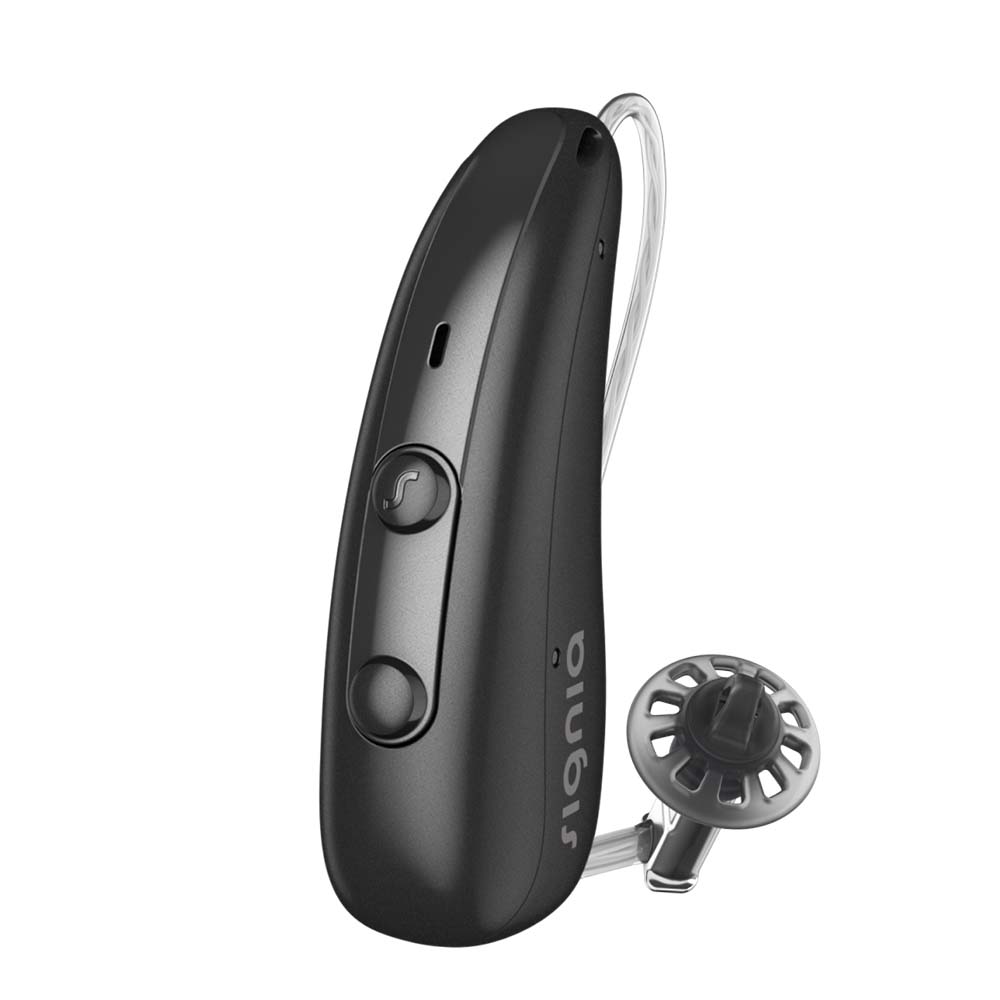
    The Signia IX platform is arguably the most well-rounded premium hearing aid currently available in the UK. It delivers exceptional performance in challenging listening environments, strong Bluetooth connectivity, impressive battery life, and a user-friendly app experience. The Integrated Xperience platform is particularly beneficial for individuals who frequently shift between conversations.

    2. Best Choice for Discreet Hearing Aids

    – Signia Silk IX Charge&Go

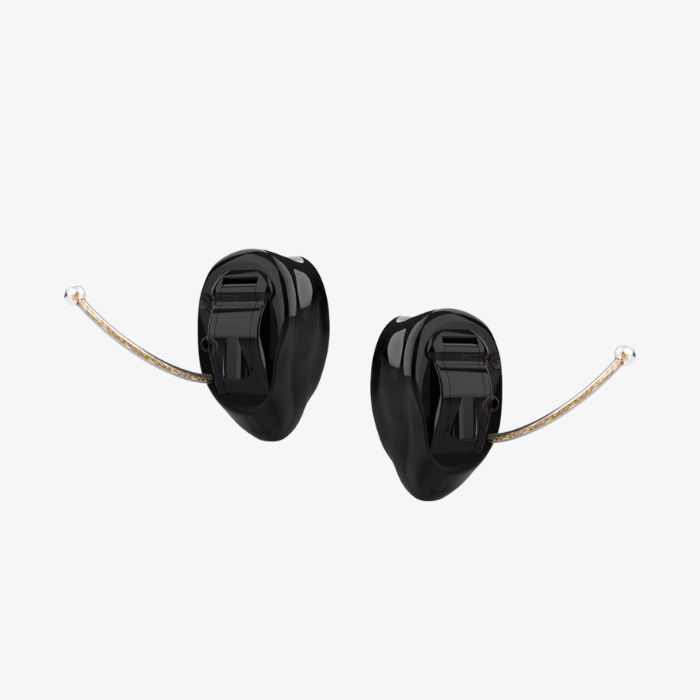
    This hearing aid is among the smallest rechargeable in-ear devices, featuring Bluetooth-ready technology and a highly discreet design.

    As one of the few truly unobtrusive rechargeable CIC-style hearing aids on the UK market, it caters to users seeking virtually invisible auditory support without compromising on modern streaming capabilities and rechargeability.

    3. Optimal Choice for Authentic Sound Quality

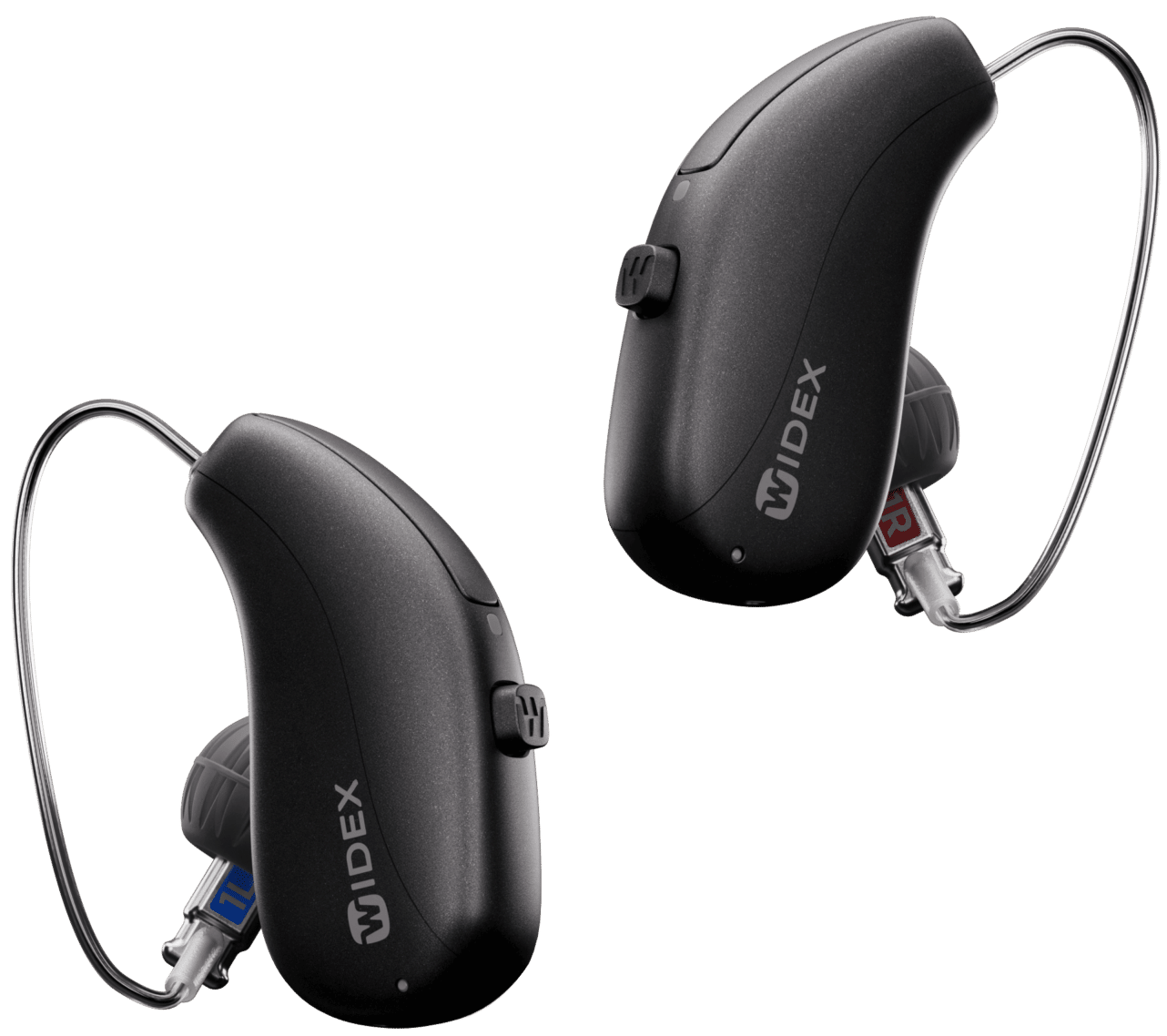
    – Widex Allure 440

    This premium rechargeable hearing aid is renowned for delivering exceptionally natural sound and minimising processing delays.

    Widex continues to be a top choice among music enthusiasts and those sensitive to artificial sound processing. The SmartRIC redesign has further enhanced microphone positioning and battery efficiency.

    4. Leading Choice for Auracast Compatibility

    – Starkey Omega AI 24

    The Omega AI 24 represents Starkey’s premier hearing aid technology. It features exclusive DNN 360 directionality, ensuring optimal speech understanding even in noisy settings, enhanced spatial awareness, and top-tier automatic sound optimisation. This model is particularly suited for active individuals who often find themselves in restaurants, social events, meetings, or bustling public spaces.

    5. Superior Choice for Brain-Led AI Processing

    – Oticon Intent 1

    The Oticon Intent is among the most intelligent hearing aids on the market, employing 4D sensors that respond to movement, listening intent, and the dynamics of conversation in real time. UK reviewers consistently recognise it as one of the best premium hearing aids available in 2026.

    Signia Pure Charge and Go IX Signia Silk Charge & Go IX Widex Allure RIC 440 Starkey Omega AI 24 Oticon Intent 1
    Style RIC (Receiver-in-Canal) CIC / Invisible-in-ear RIC Custom rechargeable miniRITE
    Rechargeable Yes Yes Yes Yes Yes
    Bluetooth Streaming Excellent Limited compared to RIC models Excellent Excellent Excellent
    Auracast / LE Audio LE Audio-ready Limited future support Expected future support Strong early support LE Audio capable
    Best Strength Group conversations Discreet design Natural sound quality AI + smart features Adaptive listening
    Speech in Noise Excellent Very good Good–Very Good Excellent Excellent
    Music Quality Very Good Good Excellent Very Good Very Good
    Visibility Low-profile Nearly invisible Moderate Invisible/custom Moderate
    Battery Life Up to full day+ Full day Full day Excellent Excellent
    App Experience Excellent Signia app Signia app Widex app Starkey app with wellness tools Oticon Companion
    Best For Busy social environments Users wanting invisible aids Music lovers & natural sound Tech-focused users Dynamic listening environments
    Hearing Loss Range Mild–Profound Mild–Moderate Mild–Profound Mild–Severe Mild–Profound
    Key Differentiator RealTime Conversation Enhancement Smallest rechargeable Signia style Widex PureSound processing AI health + environmental features 4D user-intent sensors

    For the majority of users in the UK, the Signia Pure Charge&Go IX likely offers the best overall balance, particularly if clarity of speech in social settings such as restaurants and meetings is paramount. The Widex Allure 440 excels in delivering music and natural sound quality, while the Signia Silk IX is the perfect choice for those prioritising cosmetic invisibility. The Starkey Omega AI 24 is ideal for users seeking AI-driven wellness features and future-ready connectivity, whereas the Oticon Intent 1 stands out for its adaptive processing capabilities, utilising motion and conversational sensors.

    The post Top 5 Hearing Aids by Feature – Bluetooth, AuraCast, and More appeared first on The Microsuction Ear Wax Removal Network.

  • Healthcare Tech Strategies for NHS Upgrades

    Thorough Assessment of NHS Technology Infrastructure

    Performing Detailed Technology Audits

    It is essential to conduct thorough evaluations of the current NHS technology systems to pinpoint outdated equipment and inefficiencies affecting hospitals and clinics across the United Kingdom. These detailed audits should assess the functionality of the technology in use, ensuring compliance with national standards and alignment with patient care priorities. By engaging with the technology that supports healthcare delivery, stakeholders can better understand what requires upgrading. Special emphasis should be placed on the age of equipment, the versions of software currently in use, and the capability of existing systems to meet modern interoperability standards.

    Audits must also include an evaluation of the existing performance metrics, which can uncover significant gaps in service delivery and patient outcomes. Recognising these deficiencies forms the basis for prioritising upgrades that promise the most substantial improvements in patient care. For instance, if a hospital’s electronic health record (EHR) system is not integrated with diagnostic tools, it may lead to treatment delays. Resolving such issues is crucial for streamlining processes and enhancing clinical efficiency.

    Assessing Staff Preparedness for Embracing New Technologies

    Determining the readiness of NHS teams to adopt new tools is vital for a successful technology upgrade. Insights collected from various trusts throughout the United Kingdom indicate that levels of preparedness can vary widely, affected by factors such as previous experiences with technology, current skill sets, and the type of training received. Identifying gaps in training is crucial; if staff members lack the necessary skills to operate new systems effectively, the entire upgrade initiative may not achieve its goals.

    Regular assessments can help gauge staff comfort and proficiency with existing technologies. For instance, using surveys or focus groups can yield valuable insights directly from the users of these systems on the frontline. This engagement fosters a culture of continuous learning and development, empowering staff to take an active role in the upgrade process. Emphasising targeted training initiatives that address identified gaps will enhance staff confidence and facilitate smoother transitions to new technologies.

    Recognising Integration Challenges Before Upgrades

    Integrating new technologies into the existing NHS framework can pose numerous challenges, especially when interfacing with legacy databases and electronic patient records (EPRs). Early identification of critical integration points is essential during the upgrade process to minimise potential complications. The challenges can be summarised as follows:

    • Compatibility with legacy systems
    • Data migration complexities
    • Interoperability with third-party applications
    • Discrepancies in user interface
    • Access control and data security protocols
    • Training requirements for staff on new systems
    • Regulatory compliance across various regions
    • Ongoing support during the transition phase

    By prioritising these integration challenges, NHS trusts can develop strategic solutions that ensure new systems complement and enhance existing workflows. A well-planned integration strategy is crucial to avoid disruptions in patient care and maintain operational efficiency.

    How Can Stakeholder Engagement Enhance Technology Upgrades?

    Identifying and Involving Key NHS Stakeholders

    Mapping the diverse stakeholders within NHS organisations is essential for aligning technology upgrade goals with the actual needs and operational realities faced by clinicians, administrators, and IT leaders. Frontline staff provide invaluable insights into the daily challenges that technology can effectively resolve. Involving these individuals from the outset ensures that the solutions implemented are appropriate and embraced by those who will ultimately use them.

    Stakeholders may include a wide range of individuals such as department heads, IT specialists, and clinical staff. Each group offers a unique perspective that can significantly inform the upgrade process. Regular meetings and discussions with these stakeholders foster a collaborative environment where every contribution is valued. Understanding their priorities allows for a more tailored approach to technology integration, ultimately leading to improved outcomes for both patients and staff.

    Creating Collaborative Frameworks for Input

    Establishing regular forums for gathering input from both patients and staff is essential for refining implementation plans within NHS organisations. Collaboration can take various forms, such as focus groups and surveys, ensuring that all voices are heard throughout the upgrade process. These forums provide stakeholders with a platform to express their concerns and share innovative ideas, fostering a sense of ownership over the newly introduced technologies.

    Collaborative frameworks can help identify potential barriers to adoption early on. By encouraging open communication, NHS trusts can proactively address issues that may arise. This approach not only enhances the likelihood of successful technology implementation but also builds trust between management and staff, which is vital for long-term success. As technology advances, so too must the methods employed to engage those it impacts, ensuring that NHS organisations remain responsive to stakeholder needs.

    Evaluating Engagement Outcomes for Ongoing Improvement

    To effectively gauge the success of stakeholder engagement during healthcare technology projects, it is critical to identify appropriate metrics. These metrics may include participation rates in consultations, feedback scores from surveys, and levels of staff involvement in training sessions. Such indicators provide a quantifiable understanding of how engaged stakeholders are with the upgrade process.

    Measuring engagement can also extend to patient interactions. For example, tracking patient satisfaction ratings before and after upgrades offers insights into whether the technology changes have positively influenced care delivery. Establishing these metrics enables NHS trusts to evaluate the effectiveness of their engagement strategies and make necessary adjustments to enhance buy-in from all involved parties.

    Addressing Barriers to Successful Implementation

    Identifying and overcoming potential obstacles, such as budget constraints and staff scepticism, is essential for ensuring successful technology upgrades within the NHS. Establishing trust and clearly demonstrating the benefits to all stakeholders can help mitigate resistance to change. Open discussions about the expected improvements in patient care and operational efficiencies can alleviate concerns related to new technologies.

    Sharing case studies or examples of successful technology implementations within similar NHS settings can serve as motivational factors for sceptical staff. Presenting evidence-based outcomes reinforces the message that upgrades are beneficial and necessary for enhancing healthcare delivery. Strategies to mitigate the impact of budget constraints might include phased implementations or exploring alternative funding sources, such as public-private partnerships, to support the transition.

    Expert Perspectives on Effective Healthcare Technology Upgrades

    Insights from NHS Pilot Programmes

    Investigating successful technology rollouts within NHS trusts reveals invaluable lessons that can facilitate scalable adoption across the healthcare sector. Recent pilot programmes, such as the introduction of digital triage systems in emergency departments, highlight the potential for technology to significantly improve patient experience and operational efficiency. In these instances, thorough planning and robust stakeholder engagement were crucial for navigating integration challenges while ensuring staff received adequate training.

    These pilot studies often emphasise the importance of a phased approach to implementation, allowing for adjustments based on real-time feedback from users. When scaling these technologies, maintaining open lines of communication with all stakeholders is essential, as their insights can inform further developments. Reviewing such case studies can provide a roadmap for NHS organisations looking to implement similar upgrades, ensuring they learn from both the successes and challenges encountered by their peers.

    Tackling Common Barriers to Technology Adoption

    Frequent barriers to technology upgrades in NHS settings often include funding limitations and staff resistance to change. Actionable steps to overcome these challenges begin with clear communication regarding the benefits that upgrades will deliver. Engaging staff early in the process can also help reduce resistance; when employees understand how technology can alleviate their burdens, they are more likely to embrace changes.

    Developing a robust financial plan that outlines the costs of implementation and ongoing maintenance can assist in securing necessary funding. Presenting a comprehensive view of the return on investment for technology upgrades is likely to resonate with decision-makers and stakeholders. This thorough approach ensures that both the financial and operational aspects of upgrades are carefully considered, leading to more successful outcomes.

    Aligning Technology Upgrades with National Healthcare Policies

    Technology upgrades must align with the objectives outlined in the NHS Long Term Plan to ensure they contribute effectively to overarching goals within the health service. Understanding how technology fits into these national policies aids NHS organisations in prioritising initiatives that will not only benefit their own operations but also positively impact the broader healthcare landscape across the UK.

    For instance, many initiatives under the Long Term Plan focus on enhancing patient access to services through technology. This alignment ensures that upgrades are meaningful and conducive to achieving national targets, facilitating a more coordinated approach to health service delivery. aligning with national policies helps secure funding, as projects reflecting governmental priorities are more likely to receive support.

    What Funding Options Are Available for Technology Upgrades?

    Exploring Government Grants for NHS Technology Enhancements

    NHS-specific funding streams aimed at technology improvements play a vital role in facilitating upgrades across public health services in the United Kingdom. Understanding the eligibility criteria for these grants can unlock significant resources for NHS organisations seeking to implement new technologies. Various government initiatives, including the Digital First programme, aim to support NHS trusts in enhancing their technological capabilities.

    Applying for these grants requires a comprehensive understanding of both the project objectives and the expected outcomes. NHS organisations must submit clear proposals detailing how the requested funds will be utilised to improve patient outcomes and operational efficiency. By proactively pursuing these funding opportunities, NHS trusts can alleviate some financial burdens associated with technology upgrades.

    Utilising Public-Private Partnerships for Accelerated Technology Adoption

    Public-private partnerships (PPPs) can significantly expedite technology upgrades within NHS trusts by combining resources and expertise from both sectors. These collaborations allow NHS organisations to share the financial burden of technology implementation while benefiting from the innovative solutions provided by private companies. Such partnerships can foster a spirit of innovation and efficiency, enabling quicker access to the latest technologies.

    Successful examples of PPPs in the NHS include collaborations for telehealth services and digital health solutions. These partnerships not only enhance service delivery but also create a competitive marketplace where best practices can thrive. By leveraging the strengths of both sectors, NHS trusts can navigate the complexities associated with technology implementation more effectively.

    Budgeting for Sustainable Ongoing Costs

    Considering ongoing costs is crucial for the sustainability of NHS tech systems following implementation. A detailed budgeting process should encompass various recurring expenses, summarised as follows:

    • Software licensing fees
    • Maintenance and support services
    • Training and development for staff
    • Data storage and management
    • System upgrades and updates
    • Cybersecurity measures
    • Integration with other systems
    • Patient support and engagement tools

    Incorporating these costs during the planning phase ensures that NHS trusts maintain financial viability and can continue to support their enhanced technology infrastructure. This foresight is crucial for ensuring that technology upgrades yield lasting benefits for patient care and operational performance.

    Research-Backed Advantages of Implementing Healthcare Technology Upgrades

    Measuring Efficiency Gains from Technology Implementation

    Providing expert analysis on time savings and error reductions observed in the United Kingdom NHS implementations highlights the benefits of technology upgrades. For example, the introduction of automated scheduling systems in outpatient clinics has resulted in noticeable reductions in administrative time, allowing staff to concentrate more on patient care. Such efficiency gains not only boost productivity but also enhance patient experiences.

    Quantifying these improvements can be achieved through data analysis, comparing metrics before and after implementation. By presenting concrete figures to stakeholders, NHS organisations can clearly demonstrate the tangible benefits of investing in technology. Efficiency is essential for delivering high-quality care, and showcasing these gains reinforces the necessity of ongoing investment in healthcare technology.

    Enhancing Patient Outcomes Through Technology Adoption

    Real-world examples of improved care quality from recent NHS technology adoptions illustrate the significant impact of tech upgrades on patient outcomes. For instance, implementing electronic prescribing systems has markedly reduced medication errors, ensuring patient safety and enhancing overall care delivery. These systems enable clinicians to access up-to-date patient information promptly, facilitating more informed decision-making.

    Improved data sharing between departments leads to more coordinated care pathways. Patients benefit from streamlined processes, reduced wait times, and ultimately better health outcomes. Demonstrating these real-world applications not only validates the need for technology upgrades but also promotes a culture of continuous improvement within NHS trusts.

    Maximising Data Utilisation for Enhanced Decision Making

    Research indicates that upgraded systems in healthcare settings can lead to improved decision-making through enhanced data utilisation. When NHS organisations leverage advanced analytics tools, they gain deeper insights into patient populations, treatment efficacy, and resource allocation. This shift towards data-driven decision-making allows healthcare providers to tailor services to the specific needs of their communities.

    Improved data utilisation can contribute to proactive health management, identifying trends and addressing issues before they escalate. By harnessing the power of data analytics, NHS organisations can enhance service delivery and drive continuous improvement in patient care. This strategic approach positions technology upgrades as essential components of modern healthcare delivery.

    What Measures Can Be Taken to Safeguard Data Security During Upgrades?

    Implementing Strong Encryption to Safeguard Patient Data

    Compliance with UK data protection regulations is vital for protecting patient information during NHS technology transitions. Implementing strong encryption methods not only secures sensitive data but also fosters trust with patients concerned about their privacy. Effective encryption protocols ensure that even in the event of data breaches, the information remains secure and unreadable.

    NHS organisations must also stay informed about evolving data protection laws and best practices, adapting their security measures accordingly. This proactive approach to data security is crucial for maintaining compliance and preserving patient confidentiality. By prioritising encryption and data protection, NHS trusts can create a secure environment for both staff and patients during technology upgrades.

    Conducting Regular Risk Assessments for Managing Vulnerabilities

    NHS organisations should undertake regular risk assessments to thoroughly evaluate vulnerabilities during upgrade phases. These assessments should be comprehensive, covering both technological and human factors that could jeopardise data security. Establishing a consistent schedule for these evaluations ensures that potential risks are identified and mitigated proactively.

    Risk assessments must also include staff training to ensure all personnel are aware of security protocols and their responsibilities in maintaining data integrity. By fostering a culture of security awareness, NHS organisations can significantly reduce the likelihood of breaches during technology transitions. This ongoing vigilance is key to protecting patient information and building trust in the healthcare system.

    Training Staff on Cybersecurity Best Practices

    Equipping staff with the necessary skills to uphold security standards in healthcare facilities across the United Kingdom is not merely a regulatory requirement; it is fundamental to fostering a secure environment during technology upgrades. Comprehensive training programmes should cover best practices for data protection, recognising phishing attempts, and effective incident response strategies.

    Regular workshops and refresher courses can help reinforce these skills, ensuring that staff stay current with evolving cybersecurity threats. A well-trained workforce serves as the first line of defence against potential breaches, enhancing the overall security posture of NHS organisations. By prioritising cybersecurity training, NHS trusts not only protect patient data but also cultivate a culture of responsibility and vigilance among all employees.

    Monitoring and Assessing Performance Following Upgrades

    Establishing Clear Performance Indicators for Effective Evaluation

    Defining success measures tailored to NHS objectives, such as reduced wait times and improved diagnostics, is crucial for monitoring the effectiveness of technology upgrades. Establishing clear performance indicators allows NHS organisations to assess the impact of new technologies on both operational efficiency and patient care.

    These indicators could include metrics such as patient throughput, error rates, and staff productivity levels. By regularly reviewing these performance indicators, NHS trusts can identify areas for improvement and make data-driven decisions to optimise their healthcare delivery. A structured approach to performance evaluation ensures that technology upgrades produce the expected outcomes and contribute to continuous enhancements in service quality.

    Implementing Effective Feedback Mechanisms for Ongoing Improvement

    Establishing effective feedback mechanisms to gather input from patients and providers within the United Kingdom is essential for assessing the success of technology upgrades. Potential survey methods may include:

    • Patient satisfaction surveys following visits
    • Focus groups with clinical staff
    • Online feedback forms
    • Real-time feedback tools integrated into patient management systems
    • Regular check-ins with stakeholders during the upgrade process
    • Post-implementation reviews with key personnel
    • Anonymous suggestion boxes for staff
    • Patient experience interviews

    These feedback mechanisms enable NHS organisations to collect insights that inform ongoing refinements to technology implementations. By fostering a culture of open communication, NHS trusts can create a continuous improvement loop that enhances both staff and patient experiences.

    Adjusting Strategies Based on Performance Feedback

    Continuous refinements are critical for the long-term success of technology upgrades within NHS contexts. When performance indicators and feedback mechanisms highlight areas needing improvement, NHS organisations must remain agile in their responses. Developing a framework for adjusting strategies based on results can facilitate prompt action, ensuring that technologies continue to meet the evolving needs of patients and healthcare providers.

    For example, if feedback indicates that a new EHR system is causing delays in patient processing, NHS trusts should investigate the root causes and implement necessary changes swiftly. This proactive approach to identifying and addressing issues enhances the overall effectiveness of technology upgrades and nurtures a culture of continuous improvement.

    Benchmarking Against Comparable Healthcare Systems for Best Practices

    Conducting thorough benchmarking exercises by comparing key performance indicators of the upgraded system with those of leading healthcare organisations across the United Kingdom and Europe can facilitate the identification of gaps and opportunities for further improvements in service delivery. Benchmarking offers valuable insights into best practices and highlights areas where NHS organisations can innovate or enhance their operations.

    By assessing performance against comparable systems, NHS trusts can identify successful strategies that may be adapted for their contexts. This process not only drives improvement but also fosters a sense of accountability as organisations strive to meet or exceed industry standards. Benchmarking should be an ongoing process that informs future technology upgrades, ensuring that NHS organisations remain at the forefront of healthcare delivery.

    Frequently Asked Questions on NHS Technology Upgrades

    What Are Healthcare Technology Upgrades?

    Healthcare technology upgrades refer to the implementation of new technologies or enhancements to existing systems aimed at improving patient care and operational efficiency within healthcare settings.

    How Can NHS Organisations Conduct Technology Audits?

    NHS organisations can initiate technology audits by performing thorough reviews of current systems, assessing equipment age, software effectiveness, and compliance with national standards.

    What Role Do Stakeholders Have in Technology Upgrades?

    Stakeholders, including clinicians and IT leads, provide critical insights into practical needs and operational realities, helping to shape technology upgrades that align with frontline requirements.

    What Are the Common Barriers to Healthcare Technology Upgrades?

    Common barriers include budget constraints, resistance to change among staff, and integration challenges with existing systems, all of which can hinder successful implementations.

    How Can Funding for Technology Upgrades Be Secured?

    Funding can be secured through government grants, public-private partnerships, and careful budgeting that outlines the expected return on investment for technology upgrades.

    What Are the Benefits of Technology Adoption in Healthcare?

    Benefits include increased efficiency, improved patient outcomes, enhanced data utilisation, and the facilitation of better decision-making within healthcare settings.

    How Is Data Security Maintained During Upgrades?

    Data security is maintained through robust encryption, regular risk assessments, and training staff on cybersecurity protocols to safeguard patient information.

    What Performance Indicators Should NHS Organisations Track After Upgrades?

    NHS organisations should track performance indicators such as patient throughput, error rates, staff productivity, and patient satisfaction to evaluate the effectiveness of technology upgrades.

    How Can Feedback from Staff and Patients Be Effectively Gathered?

    Feedback can be gathered through surveys, focus groups, real-time feedback tools, and anonymous suggestion boxes to ensure diverse perspectives are captured.

    Why Is Benchmarking Important for NHS Technology Upgrades?

    Benchmarking against comparable healthcare systems helps identify gaps, opportunities for improvement, and best practices that can enhance service delivery and patient care.

    The post Healthcare Tech Upgrades: Strategies for NHS Implementation appeared first on Healthcare Marketing Service.

  • Healthcare CRM Solutions: Enhance Potential with Training

    The healthcare industry is undergoing a remarkable transformation, underscoring the urgent need for efficient communication and management systems. Healthcare CRM (Customer Relationship Management) solutions have emerged as vital instruments in this progress, empowering healthcare organisations to optimise their operations, enhance patient care, and significantly improve overall efficiency. the successful deployment and effective use of these CRM systems depend heavily on thorough and effective training. This article examines the crucial role of training in unlocking the full potential of healthcare CRM solutions and presents a range of training strategies and best practices that can aid this essential endeavour.

    Understanding the Significance of Healthcare CRM Solutions in the Modern Healthcare Landscape

    Before exploring the critical role of training in the successful implementation of healthcare CRM solutions, it is essential to appreciate the value of these tools within the healthcare sector. Healthcare CRM solutions are sophisticated, technology-driven platforms specifically designed to manage interactions with patients, enhance patient engagement, streamline daily operations, and improve the quality of care delivery. These platforms consolidate vital patient data, enable effective communication, and automate numerous administrative tasks. This integration allows healthcare providers to concentrate on delivering excellent care and enriching the overall patient experience.

    The advantages of implementing healthcare CRM solutions are extensive and encompass:

    1. Enhanced Patient Engagement: CRM solutions empower patients by granting them access to their health information, allowing them to schedule appointments, and facilitating personalised communication. This heightened engagement considerably boosts patient satisfaction, ultimately leading to improved healthcare outcomes.

    2. Optimised Communication: These CRM platforms encourage seamless interactions among healthcare providers, patients, and other key stakeholders. By providing a centralised platform for collaboration, they enhance coordination and communication, which are vital for delivering exceptional patient care.

    3. Streamlined Operational Processes: CRM solutions automate administrative tasks such as appointment scheduling, billing, and workflow management. This automation enhances operational efficiency and alleviates the administrative workload on healthcare professionals. As a result, practitioners can devote more time to direct patient care, thereby elevating the overall quality of service.

    4. Data-Driven Decision Making: By analysing patient data, healthcare CRM solutions provide valuable insights and analytics. This functionality enables healthcare organisations to make informed decisions and deliver tailored care, resulting in improved patient outcomes and satisfaction.

    Maximising the Benefits of Healthcare CRM Solutions Through Comprehensive Training

    A diverse group of healthcare professionals using CRM software on various devices during a training session to enhance patient care and operational efficiency.

    While adopting healthcare CRM solutions is crucial, their effective implementation and utilisation hinge on comprehensive training. Here are several reasons why training is essential for unlocking the full potential of these CRM solutions:

    1. Ensuring Proficiency with the CRM System

    The primary aim of training is to ensure that healthcare professionals are adept at using the CRM system. Training sessions should encompass all functionalities, features, and workflows of the CRM platform to familiarise users with its comprehensive capabilities. Such familiarity enables healthcare professionals to harness the full potential of the CRM solution, ensuring efficient usage and maximising benefits for both patients and the organisation.

    Hands-on exercises and simulations should form a core part of the training process, providing a practical learning experience. By actively engaging with the CRM system, healthcare professionals can build confidence in their ability to perform various tasks, such as accessing patient information, scheduling appointments, and managing communications effectively.

    2. Boosting User Adoption Rates

    Training programmes significantly contribute to increasing user adoption rates. When healthcare professionals understand the advantages and value of the CRM solution, they are more inclined to embrace and incorporate it into their daily routines. Comprehensive training can ease initial resistance or trepidation towards new technologies, paving the way for widespread adoption and effective utilisation of CRM solutions.

    To further enhance user adoption, training should highlight the unique benefits of the CRM system tailored for different user roles within the healthcare organisation. For instance, physicians can benefit from features like quick access to patient records and personalised communication, while administrative staff may appreciate streamlined appointment scheduling and billing processes. By customising the training content to cater to the specific needs of each user role, organisations can encourage greater engagement and active participation in utilising the CRM solution.

    3. Promoting Efficient Data Management Practices

    A healthcare professional undergoing training on CRM software, focusing on data management and security protocols.

    CRM solutions centralise patient data, allowing seamless access and sharing among healthcare providers. to manage and utilise this data effectively, healthcare professionals must receive proper training. Training programmes should emphasise best practices for data entry, privacy and security protocols, along with data retrieval and analysis techniques.

    By providing comprehensive training on data management, healthcare organisations can ensure that healthcare professionals understand the significance of accurate and complete data entry. This training should address the use of standardised data formats, capturing relevant patient information, and maintaining data integrity. it should cover data privacy regulations and security measures, ensuring compliance and safeguarding sensitive patient information.

    Training in data retrieval and analysis techniques empowers healthcare professionals to extract valuable insights from the CRM system. This capability promotes data-driven decision-making, enabling healthcare providers to analyse trends, identify patterns, and make informed decisions that enhance personalised patient care.

    4. Emphasising Customisation and Tailoring of CRM Solutions

    Healthcare CRM solutions often come equipped with various customisation options to address the specific needs of different organisations. Training sessions should highlight the customisation capabilities of the CRM platform, enabling healthcare professionals to tailor it according to their workflows and preferences. This level of customisation allows users to optimise the potential of the CRM solution, ensuring seamless integration into existing processes and workflows.

    During training, healthcare professionals should be introduced to the various customisation features available within the CRM system. This includes configuring user interfaces, creating custom fields and templates, and establishing automated workflows. By providing training on customisation, organisations empower healthcare professionals to adapt the CRM solution to their specific requirements, leading to a more efficient and tailored user experience.

    Implementing Effective Training Strategies and Best Practices to Optimise Healthcare CRM Solutions

    To fully unlock the capabilities of healthcare CRM solutions, organisations should adopt effective training strategies and best practices. Here are several essential recommendations to ensure successful training implementation:

    1. Conducting a Thorough Needs Assessment

    A diverse group of professionals analysing data to evaluate CRM training needs in a conference room.

    Before designing an effective training programme, organisations must conduct a comprehensive needs assessment to identify knowledge gaps, skill deficiencies, and specific training requirements. This assessment should involve input from all stakeholders, including healthcare professionals, IT personnel, and administrators. By understanding the unique needs of the organisation, training programmes can be tailored to address specific challenges and optimise the benefits of healthcare CRM solutions.

    During the needs assessment, organisations should evaluate the current level of CRM system knowledge among healthcare professionals. This can be accomplished through surveys, interviews, or direct observations. feedback from IT personnel can provide insights into technical requirements and potential integration challenges. By gathering comprehensive information, organisations can design training programmes that cater to the specific needs of various user roles, ensuring effective knowledge transfer.

    2. Developing Tailored Training Modules for Varied Roles

    Training programmes should be designed to accommodate the diverse user roles and responsibilities within the healthcare organisation. Customised training modules can be created for different departments, such as physicians, nurses, administrative staff, and IT personnel. These modules should focus on the specific functionalities and workflows relevant to each role, ensuring targeted and efficient training that meets the requirements of individual users.

    By tailoring training modules to specific user roles, organisations can provide relevant and practical training experiences. For instance, physicians may require training on accessing patient records and utilising clinical decision support tools, while administrative staff may need guidance on appointment scheduling and billing processes. By addressing the unique requirements of each user role, organisations can enhance the effectiveness of training and ensure that healthcare professionals acquire the necessary skills to utilise the CRM solution proficiently.

    3. Implementing Practical Hands-On Training and Simulations

    Hands-on training and simulations offer a practical learning experience, allowing healthcare professionals to familiarise themselves with the CRM system in a controlled environment. This interactive approach helps users build confidence and competence in using the CRM solution and facilitates a smooth transition during its implementation. Simulations can replicate real-life scenarios, enabling healthcare professionals to practice using the CRM solution in various situations, ensuring they are well-prepared to handle different patient interactions effectively.

    During hands-on training sessions, healthcare professionals should have opportunities to actively engage with the CRM system. This may involve exercises such as creating patient profiles, scheduling appointments, and generating reports. By simulating real-life scenarios, healthcare professionals can develop the necessary skills and familiarity with the CRM solution, ensuring a smooth and successful implementation process.

    4. Providing Continuous Support and Ongoing Training

    Training should not be perceived as a one-time event; it must be an ongoing process. Healthcare organisations should offer continuous support and training opportunities for healthcare professionals even after the initial implementation phase. This includes regular refresher courses, updates on new features and functionalities, and addressing emerging challenges or issues. By investing in continuous training, organisations can ensure that healthcare professionals remain proficient in using the CRM solution and can adapt effectively to any system updates or changes.

    To provide ongoing support, organisations may establish a dedicated support team or help desk that healthcare professionals can contact for assistance. This team should possess in-depth knowledge of the CRM system and be ready to address any user queries or issues. periodic training sessions and workshops can be organised to keep healthcare professionals informed about new features and functionalities or to reinforce specific training topics.

    Harnessing the Full Potential of Healthcare CRM Solutions Through Effective Training

    In summary, healthcare CRM solutions have the potential to transform the healthcare industry by improving patient care, streamlining operations, and enhancing overall efficiency. Nevertheless, the success of these solutions hinges significantly on comprehensive training. By implementing robust training programmes tailored to the specific needs of healthcare professionals, organisations can fully unlock the potential of healthcare CRM solutions. This strategy leads to better patient outcomes, increased operational efficiency, and improved overall performance within the organisation.

    Frequently Asked Questions Regarding Healthcare CRM Solutions

    1. What are the primary advantages of healthcare CRM solutions?

      Healthcare CRM solutions offer a wide array of benefits, including enhanced patient engagement, improved communication, streamlined operations, and the facilitation of data-driven decision-making.

    2. Why is training vital for healthcare CRM solutions?

      Training is essential for healthcare CRM solutions as it ensures familiarity with the CRM system, enhances user adoption, promotes effective data management, and facilitates the customisation and tailoring of the system.

    3. Which specific areas should training programmes for healthcare CRM solutions focus on?

      Training programmes for healthcare CRM solutions should prioritise practical learning experiences through hands-on training and simulations. They should also highlight customisation capabilities and address the distinct needs of various user roles within the organisation.

    4. How can organisations provide ongoing support and continuous training for healthcare CRM solutions?

      Organisations can ensure ongoing support and continuous training for healthcare CRM solutions by establishing a dedicated support team or help desk, conducting regular refresher courses and workshops, and keeping healthcare professionals informed about new features and functionalities.

    Originally posted 2023-04-27 16:49:10.

    The post Healthcare CRM Solutions: Unlocking Potential through Training appeared first on Healthcare Marketing Service.

  • Hearing Aid Scams: Essential Tips for Protection

    Last Updated on 26/04/2025 by Admin

    Identify and Avoid Common Hearing Aid Scams Effectively

    Understand the Different Types of Hearing Aid Scams

    Fraudulent schemes related to hearing aids have become increasingly prevalent, preying on those seeking assistance with their audiological health. A particularly alarming type of scam involves counterfeit devices that resemble genuine hearing aids but provide no real benefits. These deceptive schemes often feature eye-catching advertisements that promise cutting-edge technology at shockingly low prices. The temptation of advanced features can mislead consumers, resulting in squandered funds on ineffective products that fail to meet their actual needs or expectations.

    Another frequent scam involves the misleading marketing of hearing aid services. Unscrupulous sellers may lure customers with alluring “free trials” or “risk-free” purchasing options, which often entrap buyers in a web of hidden fees and obligations. A growing tactic involves online platforms that initially appear to be credible, yet are actually fronts designed to harvest personal information and financial details, exposing consumers to identity theft and financial loss.

    While hearing aids can dramatically enhance quality of life, this transformation only occurs when products are acquired from trustworthy vendors. Recognising these scams is the crucial first step in protecting both your auditory health and financial well-being, ensuring that you invest in devices that truly improve your hearing experience.

    Spot the Essential Warning Signs of Hearing Aid Scams

    Being informed serves as your most powerful defence against scams. Unsolicited offers should raise significant red flags; if you receive promotions via email, phone calls, or social media from a company you have never interacted with, proceed with extreme caution. Scammers often employ high-pressure tactics, insisting that you must act quickly to secure a supposed deal. In contrast, reputable sellers allow you the necessary time to consider your purchase, while scammers create a false sense of urgency to rush your decision-making.

    Offers that seem overly generous should immediately arouse suspicion. If a hearing aid claims to deliver premium features at a fraction of the standard price, it is likely a scam. Always compare prices with industry standards and conduct thorough research into what similar devices typically cost to avoid falling prey to fraudulent offers.

    By staying vigilant and alert to these warning signs, you can significantly reduce your chances of becoming a victim of fraudulent schemes, ensuring that your investments in hearing aids truly address your genuine hearing needs.

    Gain Insight into the Techniques Employed by Scammers

    Scammers utilise a range of sophisticated strategies to ensnare unsuspecting individuals. Phishing emails, often disguised as communications from legitimate companies, can mislead consumers into clicking harmful links or providing personal information. These emails frequently create an artificial sense of urgency, prompting immediate responses that can lead to dire consequences, such as identity theft or financial loss.

    Another common tactic involves the creation of counterfeit websites that closely resemble those of reputable brands. These sites typically display testimonials and reviews that appear authentic but are, in fact, fabricated to establish credibility. Scammers may also leverage targeted advertisements on social media platforms, focusing on specific demographic groups to enhance their chances of ensnaring potential victims.

    In-person sales pitches remain prevalent, especially in areas where individuals may be less informed about the latest advancements in hearing aid technology. Sales representatives can be exceptionally persuasive, promoting products that lack scientific validation or regulatory approval. Understanding these tactics empowers you to discern when something appears amiss, enabling you to sidestep potential scams and protect your interests.

    Adopt Proactive Strategies to Safeguard Against Scams

    Person using multiple screens to research hearing aid sellers, focusing on reviews and secure payment methods.

    Taking proactive measures and conducting thorough research is essential for protecting yourself against hearing aid scams. Begin by verifying seller credentials through comprehensive reviews and consumer reports. Focus on testimonials from verified purchasers, particularly on platforms that encourage users to share their experiences candidly and honestly.

    Utilising secure payment methods adds another vital layer of protection against fraud. Opt for credit cards or reputable online payment services that provide strong buyer protection. Avoid payment methods such as wire transfers, which usually offer limited recourse if any problems arise during the transaction.

    Reporting any suspicious activities to the appropriate authorities can assist others in evading similar pitfalls. Always remain alert and share your experiences; knowledge and awareness are crucial in preventing scams within the hearing aid market, fostering a safer environment for all consumers.

    Conduct a Thorough Assessment of Seller Credibility

    Carry Out Detailed Research on Hearing Aid Vendors

    Conducting detailed research on any hearing aid seller is vital for significantly reducing your risk of falling victim to scams. The digital age offers consumers unparalleled access to information, facilitating extensive comparisons and analyses. Begin by examining online reviews and ratings across multiple platforms, such as Trustpilot and the Better Business Bureau.

    Pay close attention to the overall sentiment expressed in the reviews; a pattern of negative feedback should raise immediate concerns. Scams often accumulate numerous complaints, indicating a history of deceitful practices. It is crucial not to depend on a single source; instead, corroborate your findings across various platforms to obtain a comprehensive view of the seller’s credibility and reputation within the market.

    Delve into discussions in community forums or social media groups focused on hearing health. Real users frequently share their experiences and insights, providing a wealth of knowledge that can guide potential buyers in their decision-making process. Engaging in this research is an essential step in ensuring you interact with legitimate sellers, thereby protecting your investment and well-being.

    Confirm Certifications and Industry Affiliations

    Certificates from ASHA and IHS displayed in an office, symbolising credibility and ethics.

    Verifying that a seller possesses the necessary certifications is crucial in establishing their credibility. Look for affiliations with reputable hearing health organisations, such as the American Speech-Language-Hearing Association or the International Hearing Society. Certified sellers not only comply with industry standards but also commit to ethical business practices, thereby enhancing consumer trust.

    A genuine seller should readily provide details regarding their certifications and affiliations. If they hesitate or offer vague answers, this may indicate a lack of transparency and potential dishonesty, raising further questions about their legitimacy.

    To certifications, check if the seller has received any awards or recognitions from respected industry bodies. Such accolades often highlight a commitment to quality and customer satisfaction, offering further assurance that you are dealing with a credible source that values its clientele.

    Engage in Direct Communication with Sellers

    Interacting directly with the seller can build trust and clarify their operations and offerings. Reach out through the contact options available on their website—whether it’s a phone number or email address. A reputable business should respond promptly and professionally to your inquiries, demonstrating their commitment to customer service and satisfaction.

    Prepare specific questions regarding their products, warranties, and any service commitments they may offer. If the seller is evasive or fails to provide clear answers to your inquiries, consider this a warning sign. Trustworthy sellers should be open and willing to share comprehensive information about their hearing aids, including user guides and demonstration options, ensuring that you have all the necessary information to make an informed decision.

    Engaging in direct communication not only verifies credibility but also allows you to assess the quality of the seller’s customer service. A responsive and helpful seller can significantly enhance your overall experience, ensuring you have reliable support for all your hearing needs.

    Scrutinise the Authenticity of Hearing Aid Products

    Meticulously Review Product Information

    Ensuring the authenticity of hearing aids is crucial when making a purchase, as counterfeit products can lead to significant issues for users. Start by closely examining essential product details such as model numbers, features, and warranty information. Each model should possess specific identifiers that you can cross-reference with the manufacturer’s official website to confirm its legitimacy.

    Look for supporting documentation, including manuals or certification papers that accompany the product. Authentic hearing aids typically come with genuine warranties that provide assurance of quality and performance. Be wary of products that lack proper documentation or appear poorly constructed, as these are often indicators of counterfeit items.

    Familiarise yourself with the standard features of legitimate hearing aids. Many users fall victim to scams due to a lack of knowledge about what a quality device should offer. Researching the features will not only help you confirm authenticity but also ensure you select a device that meets your specific hearing needs and preferences.

    Cross-Reference with Official Manufacturer Sources

    Cross-referencing product information against official manufacturer websites or authorised dealers is a powerful method for identifying counterfeit products. Official sources typically provide comprehensive details about their offerings, including specifications, pricing, and lists of authorised retailers.

    When you encounter a hearing aid that appears appealing, resist the urge to make an impulsive decision. Instead, verify whether the product is listed on the manufacturer’s website. If you cannot find it or if the prices differ significantly, this discrepancy may indicate a scam or counterfeit product.

    Contacting the manufacturer’s customer service can help clarify any uncertainties you may have. They can provide valuable information about authorised sellers, ensuring that you make a purchase from a reputable source. Taking this straightforward yet effective step can save you time, money, and hassle in the long run, providing peace of mind in your buying decision.

    Implement Strategies to Prevent Counterfeit Hearing Aid Products

    The market is saturated with products that appear genuine but are, in fact, counterfeit. To avoid becoming a victim of these scams, it is essential to remain vigilant with your purchases. Suspiciously low prices should immediately raise scepticism; if a deal seems too good to be true, it likely is.

    Only purchase hearing aids through verified and authorised channels—whether that involves visiting an authorised retailer or directly accessing the manufacturer’s website. Counterfeit products are often sold through unauthorised online platforms or dubious storefronts where buyer protection is minimal or non-existent.

    Always request proof of authenticity when making a purchase. Legitimate sellers should be more than willing to provide documentation that confirms their products are genuine and meet industry standards. The stakes are high regarding your hearing health; do not compromise on quality merely to save a few pounds. Prioritising authenticity is crucial to ensuring effective auditory support.

    Understand Pricing and Promotional Offers Thoroughly

    Analyse Price Points in the Hearing Aid Market

    Understanding pricing in the hearing aid market equips consumers with the knowledge needed to identify reasonable costs and avoid scams. Begin by researching the average price of various hearing aid models. This information is typically accessible on manufacturer websites or reliable consumer health resources that provide insights into the market landscape.

    Once you have established a baseline price, start comparing costs across multiple vendors. If a seller offers a price substantially lower than the average, proceed with caution. Scammers often entice customers with unrealistic pricing, making it essential to scrutinise any discrepancies and question the reasons behind such low offers.

    Your price analysis should also consider the features and quality of the product. A higher price does not always equate to superior quality, but abnormally low prices typically indicate something amiss. If you find yourself in doubt, do not hesitate to ask for clarifications or seek guidance from an audiologist, who can provide expert insights into fair pricing for hearing aids.

    Evaluate Promotional Offers with Care

    Promotional offers can be enticing, yet they often hide hidden risks. When assessing these promotions, be wary of aggressive sales tactics that pressure you into making quick decisions. Legitimate sellers will provide ample time to consider any offers, while scammers frequently create an artificial sense of urgency to compel hasty actions.

    Always read the fine print associated with promotional offers. Look for details regarding terms, conditions, and any obligations tied to the offer. If a deal sounds overly generous without clear stipulations, it is likely a scam designed to extract more money from you later through hidden fees or unexpected costs.

    Carefully evaluating promotional offers can save you from incurring significant financial losses. Ensure that any promotional claims are substantiated with clear evidence and that they align with your research into standard pricing and product offerings in the market.

    Identify Deals That Seem Too Good to Be True

    In the world of hearing aids, deals promising substantial discounts or free trials often come with strings attached. These offers may lack transparency regarding costs or product quality, rendering them risky propositions for consumers.

    Always scrutinise the terms and conditions associated with these deals. Scammers often use enticing offers to lure unsuspecting consumers, only to impose additional fees once the consumer is committed to the purchase. If essential details about the offer are not readily available or clearly stated, this serves as a warning sign of potential fraud.

    Be cautious of promotions that require personal information upfront. Legitimate companies will not demand sensitive data for simple promotional offers. Stay informed and prioritise your safety over potential savings, as the consequences of falling for scams can be dire and far-reaching.

    Assess Value for Money in Hearing Aids

    Determining whether a hearing aid provides good value for money extends beyond merely comparing prices. Consider the product’s features, quality, and how well they align with your specific hearing needs. A comprehensive assessment of your requirements can help you recognise the significance of investing in quality over quantity when it comes to hearing aids.

    Compare the product with similar options available in the market. If you notice a specific brand consistently receives praise for its durability and effectiveness, it may justify a premium price. Conversely, if a cheaper alternative has a history of complaints and limited functionality, it may not be worth the initial savings, potentially leading to greater expenses down the line.

    Ultimately, the best hearing aid is one that not only fits within your budget but also enhances your quality of life. Investing in a reliable, effective product can make a significant difference, ensuring you receive the auditory support you need while avoiding unnecessary pitfalls associated with subpar devices.

    Use Secure Payment Methods for Transactions

    Choose Trusted Payment Options for Purchases

    Opting for secure payment methods can significantly protect you from fraud when purchasing hearing aids. Choosing payment options that offer buyer protection—such as credit cards or reputable online payment platforms—provides an additional layer of security during your transactions.

    Credit cards typically offer chargeback protections, allowing you to dispute unauthorised transactions. This means that if something goes wrong with your purchase, you can take appropriate measures to recover your funds, granting you peace of mind during your buying journey.

    Reputable online payment services, such as PayPal, provide buyer protection and monitoring features that can alert you to suspicious activity. Always prioritise your payment choices to minimise potential losses and enhance your overall purchasing experience while ensuring your financial security.

    Steer Clear of Risky Payment Methods

    Utilising risky payment methods can leave you vulnerable to scams, making it crucial to avoid alternatives like wire transfers or cryptocurrencies. These options generally offer limited recourse if something goes wrong, and scammers often prefer these methods due to the anonymity they provide.

    Wire transfers, once completed, cannot be reversed, meaning that once you send money to a fraudulent seller, it becomes nearly impossible to recover your funds. Cryptocurrencies operate similarly, often leaving consumers with little to no protection if they fall victim to scams or fraud.

    To ensure a safe transaction, stick to payment methods that offer definitive protections and robust support systems. Your financial security should be a top priority, especially in a landscape rife with potential scams and fraudulent activities targeting vulnerable consumers.

    Regularly Monitor Your Transactions

    Maintaining vigilance in monitoring your transactions is vital for swiftly detecting unauthorised charges. Regularly reviewing your payment statements allows you to catch any dubious activity early on, enabling you to take prompt action if necessary.

    Consider setting up alerts for your transactions, which can provide immediate notifications regarding purchases made with your account. This proactive approach helps you identify any unauthorised activities quickly, allowing for timely responses before issues escalate.

    Taking the time to monitor your transactions not only safeguards your finances but also fosters a habit of awareness regarding your spending and online activity. Remaining proactive in your financial management is crucial for protecting yourself against potential scams in the hearing aid market and beyond.

    Implement Two-Factor Authentication for Enhanced Security

    Two-factor authentication (2FA) significantly strengthens your account’s security by adding an extra layer of verification. By requiring a second form of identification—such as a text message code or an authentication app—2FA makes it considerably more difficult for scammers to gain unauthorised access to your accounts and sensitive information.

    Enabling this feature across your payment accounts is a straightforward yet effective strategy for enhancing your security. Many platforms now incorporate 2FA as a standard feature, providing you with the tools necessary to protect your sensitive information from potential threats and breaches.

    Investing the time to set up 2FA not only safeguards your financial data but also reinforces your overall cybersecurity, ensuring that only you can access your accounts. This additional layer of defence is crucial in today’s digital landscape, where threats are constantly evolving, and protecting your personal information is paramount.

    Regularly Update Your Payment Information

    Keeping your payment information secure is an ongoing commitment that necessitates diligence. Regularly updating your card details and passwords can significantly reduce the risk of fraud. Change your passwords every few months and ensure they are complex, combining uppercase letters, lowercase letters, numbers, and symbols for enhanced security.

    When updating your payment information, apply the same rigour you would when creating your password. Ensure that any site where you update your information is secure and reputable, providing peace of mind during your online transactions.

    Establishing these habits not only protects you from fraud but also fosters a culture of security in your online interactions. Take the initiative to safeguard your financial information, remaining proactive in your approach to secure your personal data and purchasing activities.

    Safeguard Your Personal Information Online

    Effective Strategies for Data Protection

    In an era where personal information can be easily exploited, safeguarding your data is of utmost importance. Only share personal details with verified and trusted sources, particularly when making purchases. If a seller requests information that seems unnecessary for the transaction, it should serve as a potential red flag, warranting further investigation.

    Utilise encrypted websites for all transactions, ensuring that your data is protected during transmission. Look for “https://” in the web address, as this indicates a secure connection, providing a layer of protection against data breaches and unauthorised access.

    Being cautious about sharing your personal information not only protects you but also sets a precedent for how you engage with online vendors. Prioritising your privacy and security mitigates risks associated with scams and fraudulent activities in the hearing aid market and beyond.

    Effectively Identify Phishing Attempts

    Phishing attempts have become increasingly sophisticated, making it essential to learn how to identify these fraudulent emails or calls that attempt to trick you into revealing personal or financial information. Common signs of phishing include poor grammar, generic greetings, and unexpected attachments or links that seem suspicious.

    If you receive unsolicited communication, do not respond, click on links, or download attachments. Instead, verify the sender by contacting the company directly through official channels. This simple yet effective action can save you from inadvertently exposing your sensitive information to scams and fraud.

    Staying informed about evolving phishing tactics is crucial in today’s digital landscape. Equip yourself with knowledge to recognise and respond effectively to these attempts, thereby protecting your personal information from unscrupulous actors looking to exploit vulnerabilities.

    Wisely Adjust Privacy Settings

    Modifying privacy settings on your devices and online accounts is a proactive measure to limit exposure to your personal information. Familiarise yourself with the privacy options available on social media platforms and various online services, ensuring that you maintain control over who can access your data.

    Enable settings that restrict location sharing and limit how much of your personal information is publicly visible. This can significantly reduce the chances of your data being exploited by scammers who may seek to target individuals based on publicly available information.

    Regularly reviewing and updating your privacy settings fosters a protective environment for your online interactions. Empower yourself to take charge of your data security, actively safeguarding your personal information from potential threats and vulnerabilities.

    Seek Professional Guidance in the Hearing Aid Market

    Consult Licensed Audiologists for Expert Recommendations

    Seeking professional advice is essential when navigating the complex hearing aid market. Licensed audiologists can provide invaluable insights, recommending reputable sellers and products that meet your specific hearing needs. They possess the expertise to evaluate your hearing requirements and guide you toward devices that offer optimal performance and benefits tailored to your lifestyle.

    Scheduling an appointment to discuss your options is highly beneficial; audiologists often remain informed about the latest advancements in hearing technology. They can offer valuable tips on what features to look for in a hearing aid, empowering you in your purchasing decisions and ensuring you make informed choices.

    Consulting an audiologist not only enhances your understanding of hearing aids but also connects you with trusted resources that prioritise your health and well-being. This professional guidance can be pivotal in avoiding scams and ensuring that you invest in a product that genuinely supports your auditory health and lifestyle needs.

    Consider Second Opinions for Informed Choices

    In the realm of hearing aids, seeking multiple professional opinions is crucial for ensuring you make well-informed decisions. Engaging with different audiologists can provide valuable perspectives on suitable devices and their effectiveness, helping you navigate the options available in the market.

    Second opinions can help confirm or challenge initial assessments, ensuring you consider all angles before making a purchase. Comparing suggestions on brands, features, and pricing enables you to weigh the pros and cons of each recommendation, leading to a more informed choice.

    By valuing multiple perspectives, you enhance your understanding of your options and reduce the likelihood of falling prey to scams or misleading offers. Being well-informed is your strongest asset in making sound decisions about hearing aids that genuinely meet your needs.

    Visit Specialized Hearing Clinics for Tailored Advice

    Scheduling appointments at specialised hearing clinics can provide personalised advice suited to your specific hearing needs. These clinics often employ trained professionals who can conduct comprehensive assessments, recommend products that align with your lifestyle, and educate you about the latest technologies available.

    During your visit, take full advantage of the opportunity to ask questions about various hearing aid models, features, and potential scams that may exist in the market. Many clinics offer fittings, allowing you to test devices before making a purchase, ensuring comfort and suitability.

    Engaging with experts in hearing clinics not only guarantees you receive well-informed recommendations but also creates a supportive environment as you navigate your auditory health journey. This personalised approach fosters confidence in your purchasing decisions and enhances your overall experience.

    Participate in Support Groups for Shared Insights

    Joining local or online support groups can offer invaluable insights and recommendations from individuals facing similar hearing challenges. These communities often share personal experiences with different hearing aids and sellers, providing a wealth of knowledge that can guide your purchasing decisions.

    Support groups serve as platforms for discussion, allowing members to exchange tips on avoiding scams and identifying trustworthy brands. Engaging in these conversations fosters a sense of belonging and community, making the journey of dealing with hearing loss less daunting and more manageable.

    Connecting with others who understand your experiences can empower you to make informed choices regarding hearing aids. The shared wisdom within these groups serves as a powerful resource in navigating the complexities of the hearing aid market, ensuring that you are well-equipped to make sound decisions.

    Frequently Asked Questions About Hearing Aids and Scams

    What are the most prevalent hearing aid scams?

    Common scams include counterfeit products, misleading promotions, and online phishing schemes. Scammers often employ aggressive sales tactics or overly attractive offers that seem too good to be true, luring individuals into traps that compromise their financial security.

    How can I confirm a hearing aid seller’s credibility?

    Research the seller’s online reviews, check for certifications from reputable organisations, and contact them directly to ask specific questions about their products and services. This thorough investigation can help confirm their legitimacy and trustworthiness.

    What should I examine to verify product authenticity?

    Examine product details such as model numbers, warranty information, and compare specifications with official manufacturer sources to confirm the product’s authenticity. Ensuring that all necessary documentation accompanies the product is also crucial.

    What payment methods are safest for purchasing hearing aids?

    Using credit cards or reputable online payment services offers buyer protection, making them safer options for transactions. Avoid risky methods like wire transfers or cryptocurrencies that leave you vulnerable to potential fraud.

    How can I safeguard my personal information when purchasing online?

    Share personal information only with trusted and verified sellers, and ensure that payments are made through secure, encrypted websites to protect your data during transactions.

    What is two-factor authentication, and why should I enable it?

    Two-factor authentication adds an extra layer of security by requiring a second form of verification. It helps protect your accounts from unauthorised access, enhancing your overall cybersecurity.

    How can I avoid falling victim to phishing scams?

    Recognise red flags such as poor grammar or unsolicited offers, and always verify the identity of the sender before clicking on links or providing personal information to avoid falling prey to these schemes.

    Why should I consult an audiologist before purchasing a hearing aid?

    Audiologists can provide expert advice tailored to your specific needs, recommending reputable products and helping you avoid scams in the hearing aid market, ensuring you make informed choices.

    What actions should I take if I suspect I have been scammed?

    Report the incident to relevant authorities, such as consumer protection agencies, and monitor your financial accounts for unauthorised transactions to mitigate risks associated with fraudulent activities.

    How can support groups assist me in my hearing aid journey?

    Support groups allow you to connect with others who share your experiences, offering insights and recommendations for navigating the hearing aid market effectively while providing emotional support.

    Explore our world at X!

    The post Avoid Hearing Aid Scams: Key Tips for Protection appeared first on The Microsuction Ear Wax Removal Network.

    Originally posted 2025-04-27 03:10:13.

    The post Avoid Hearing Aid Scams: Essential Protection Tips appeared first on Healthcare Marketing Service.