Blog

  • Hearing Aids: Enjoying TV with Enhanced Sound Quality

    Last Updated on 04/05/2025 by Admin

    Maximise Your Television Viewing Enjoyment with Hearing Aids

    To truly savour your television experience while wearing hearing aids, it is essential to understand the interaction between various hearing aids and different television audio systems. Not all hearing aids offer the same connectivity features, making it vital to choose a model that fits your viewing habits and lifestyle. The current market provides a vast selection of hearing aid types, including behind-the-ear (BTE) models, celebrated for their extensive functionalities, and in-the-ear (ITE) styles that offer a more subtle alternative. Each category presents unique advantages and disadvantages concerning connectivity with television audio, highlighting the need to select a model that aligns with your personal preferences and daily activities.

    Exploring the Diverse Categories of Hearing Aids

    Familiarising yourself with the various types of hearing aids can significantly improve your television viewing experience. Behind-the-ear (BTE) hearing aids are generally the most adaptable, providing ample space for advanced technology that enhances audio clarity. They usually connect seamlessly to television audio systems via Bluetooth or telecoil connections, allowing you to enjoy clear sound directly from your TV while minimising external noise interference. In comparison, in-the-ear (ITE) models fit snugly within the ear canal. Although they often feature Bluetooth capabilities, their compact size may sometimes limit audio quality, particularly in terms of clarity.

    For individuals who seek a combination of both options, receiver-in-canal (RIC) hearing aids offer an excellent compromise, delivering outstanding sound quality while maintaining a discreet appearance. When enhancing your television experience with hearing aids, it is crucial to select a model compatible with your television’s audio output system to ensure optimal functionality.

    Recognising Audio Output Options for Hearing Aids

    Understanding the array of audio output options is essential for ensuring effective communication between hearing aids and your television. Many contemporary hearing aids come equipped with Bluetooth technology, facilitating seamless audio streaming directly from your TV. This capability allows viewers to immerse themselves in their favourite programmes without the distraction of surrounding noise, greatly enhancing the viewing experience.

    Another option worth considering is telecoils, which capture electromagnetic signals from the television and transmit them directly into your hearing aids. Direct audio input (DAI) cables offer a traditional and reliable connection between your hearing aids and the TV’s audio output. By understanding these diverse audio output options, users can create a viewing environment tailored to their specific needs and preferences, ensuring a pleasurable experience every time they watch television.

    Adjusting Hearing Aid Settings for Optimal Television Viewing

    Customising settings within hearing aids can significantly enhance your television viewing experience. Many devices allow users to adjust settings to amplify specific frequencies, making dialogue clearer while simultaneously diminishing background noise. Volume control plays a crucial role in this process, as the ability to fine-tune audio levels can dramatically enhance your overall enjoyment during viewing.

    Some hearing aids also provide the option for sound equalisation, enabling users to tailor the audio profile according to their preferences. Whether you favour a bass-heavy sound for action-packed films or a more balanced tone for insightful documentaries, these customisation features cater to varied listening needs. Learning how to optimise these settings can transform your television viewing into a personalised and immersive experience.

    Improving Audio Quality for Hearing Aid Users During Television Viewing

    Audio quality while watching television is critical for hearing aid users, and numerous innovative solutions can markedly enhance this experience. Exploring options like soundbars, wireless headphones, and adjusting your television’s audio settings can significantly improve sound perception, making your television time much more enjoyable.

    Enhancing Sound Quality with Soundbars

    Soundbars can serve as an excellent addition for improving the audio quality of your television, particularly for those who wear hearing aids. They are designed to produce clearer and more balanced sound profiles, which is especially beneficial for dialogue-heavy content, such as news broadcasts or films. When selecting a soundbar, ensure it supports Bluetooth connectivity, allowing for a direct link to your hearing aids for a seamless audio experience.

    Many soundbars incorporate technology specifically designed to enhance speech intelligibility, a vital feature for hearing aid users. This technology effectively filters out distracting background noise while emphasising dialogue, ensuring that you do not miss any important lines during your favourite shows or films.

    Enriching Your Experience with Wireless Headphones

    Wireless headphones represent another excellent option for enhancing your television viewing experience. These devices can connect to both televisions and hearing aids, providing a customised sound experience that does not disturb others in the same room. Numerous headphone models feature adjustable sound profiles, enabling users to modify audio settings based on the content type, whether it’s an engaging documentary, an exciting film, or a thrilling live sports event.

    Choosing headphones with noise cancellation capabilities can further improve audio clarity by minimising distractions from household noises. By effectively integrating technology, wireless headphones offer a close and personal auditory experience that can transform your television viewing sessions into a delightful escape.

    Refining Television Audio Settings for Enhanced Clarity

    Adjusting your television’s audio settings can significantly improve the experience for hearing aid users. Modern televisions come equipped with a variety of features, including speech enhancement and surround sound settings. Speech enhancement technology is designed to amplify dialogue frequencies while suppressing background noise, making conversations easier to understand.

    Conversely, surround sound settings can create a more immersive listening environment. It is important to confirm that these settings are compatible with your hearing aids. Some users may find that simpler audio modes, such as stereo, provide a more straightforward sound that is easier to comprehend. Experimenting with various audio settings can lead to a more enriching and satisfying viewing experience.

    Selecting the Ideal Television for Hearing Aid Users

    When choosing a television that caters to the requirements of hearing aid users, several factors must be considered. From advanced audio technologies to essential accessibility features, knowing what to prioritise can significantly enhance your viewing experience.

    Choosing Televisions with Advanced Audio Technology

    Opting for a television that incorporates advanced audio technology, such as Dolby Atmos, can greatly enhance the viewing experience for those using hearing aids. Dolby Atmos creates a three-dimensional sound environment, enabling listeners to discern the origin of sounds, adding depth to the audio experience. This improved sound quality is particularly advantageous when watching action films or engaging shows.

    Investing in a television that supports high-definition audio formats is crucial to ensure that sound quality remains uncompromised. This consideration is especially significant for individuals who rely on hearing aids, as the clarity of audio can greatly affect their enjoyment and understanding of the content presented.

    Key Accessibility Features for Enhanced Viewing

    Accessibility features are vital in improving the viewing experience for hearing aid users. Options like closed captions and audio descriptions serve as invaluable tools that allow users to engage more fully with content. Closed captions provide a text representation of the dialogue, which can be immensely helpful for individuals who may struggle with audio clarity.

    Many modern televisions now include built-in audio description services, narrating scenes and actions for viewers. This feature aids hearing aid users in grasping the context of a scene, enriching their viewing experience and making it more enjoyable overall.

    Assessing Screen Size and Optimal Placement

    The screen size and placement of your television can also substantially impact sound quality and the effectiveness of hearing aids. Larger screens positioned at appropriate angles can promote better sound dispersion, ensuring that users do not miss any crucial audio cues. Placing the television at a level where sound can travel evenly throughout the room can enhance audio clarity and overall quality.

    Room acoustics play a significant role as well; spaces with hard surfaces may amplify echoes and distort sound. Incorporating softer materials like rugs and curtains can create a more conducive environment for sound reproduction, greatly benefiting those who rely on hearing aids.

    Ensuring Optimal Hearing Aid Performance

    To fully enjoy your television time, it is essential to maintain the performance of your hearing aids consistently. Regular cleaning, effective battery management, and professional check-ups are critical practices to ensure optimal functionality and sound quality.

    The Importance of Routine Cleaning

    Keeping hearing aids clean is crucial for their effectiveness, especially for users who depend on them during television viewing. The accumulation of dust, moisture, and earwax can obstruct sound clarity and disrupt overall performance. Use a soft brush or a specialised cleaning kit to carefully remove any debris that may have developed on your devices.

    Consulting your audiologist for tailored recommendations on cleaning techniques specific to your hearing aid model is advisable. Regular maintenance not only prolongs the lifespan of your devices but also enhances the sound quality they deliver, leading to a more enjoyable television viewing experience.

    Effective Battery Management Strategies

    Proper management of hearing aid batteries is crucial to avoid interruptions during your TV watching sessions. One effective strategy is to monitor battery life closely, establish a charging routine, or maintain a stock of backup batteries. Many modern hearing aids feature rechargeable batteries, offering a more convenient option and alleviating concerns about sudden power loss.

    Investing in a hearing aid dehumidifier is a prudent choice, as moisture can negatively impact battery performance. Storing batteries in a cool, dry environment can significantly extend their lifespan, ensuring that you can enjoy uninterrupted content on your television.

    The Importance of Professional Check-ups

    Regular professional check-ups are essential for ensuring your hearing aids function properly. Audiologists can identify potential issues or necessary adjustments that can enhance performance, particularly regarding TV viewing. These experts can also help fine-tune settings to suit specific environments, ultimately improving clarity and sound quality.

    Scheduling routine visits ensures that your hearing aids are well-calibrated and operating at their best. This proactive approach is key to maximising your enjoyment of television shows, movies, and other media.

    Addressing Common Challenges in Television Viewing

    Despite advancements in hearing aid technology, users may still encounter challenges while watching television. Issues like background noise, sound distortion, and discomfort can detract from the experience. Effective strategies exist to overcome these hurdles.

    Minimising Background Noise for Enhanced Clarity

    Background noise often poses a challenge for hearing aid users, particularly when trying to watch television in a lively environment. One effective strategy to reduce this distraction is to establish a designated viewing area that is free from excessive ambient sounds. Whenever possible, utilise curtains or furniture to absorb sound reflections, creating a quieter atmosphere conducive to focused viewing.

    Smart sound technology in hearing aids can assist in filtering out background noise, allowing you to concentrate on the audio signals emanating from the television. Collaborating with audiologists can help users identify the most suitable settings tailored to their specific environments, enhancing overall audio clarity during viewing.

    Tackling Sound Distortion Issues

    Experiencing sound distortion while using hearing aids with televisions can be frustrating, but fortunately, these issues can often be resolved. The first step is to ensure that the audio output settings on your television are compatible with your hearing aids. Adjusting the equalisation settings can help eliminate muffled or unclear sounds that may hinder your viewing experience.

    If sound distortion continues to be problematic, it is advisable to consult your audiologist to review the settings on your hearing aids. They may recommend specific adjustments or even suggest upgrading to a newer model designed to better manage complex audio signals, ensuring a more enjoyable and pleasant viewing experience overall.

    Ensuring Comfort and Proper Fit

    Comfort during extended television viewing sessions is vital, especially for individuals wearing hearing aids. Users should ensure that their devices fit properly, as an ill-fitting hearing aid can lead to discomfort and irritation. Regularly checking the fit and making necessary adjustments or consulting a professional for re-fitting is essential for optimal comfort.

    Taking breaks during prolonged viewing sessions can alleviate discomfort. Engaging in alternative activities—such as going for a walk or listening to music—during these breaks can refresh both your mind and ears, thereby enhancing your overall enjoyment of television.

    Elevating the Overall Viewing Experience

    To enhance the television watching experience for hearing aid users, consider integrating various aids, including subtitles, audio descriptions, and interactive features. These enhancements can transform typical viewing into a captivating and immersive experience.

    Utilising Subtitles and Captions

    Incorporating subtitles and closed captions is an effective way to enhance the experience of hearing aid users while watching television. These tools provide a visual representation of audio, allowing users to follow dialogue and sound effects more accurately. They are particularly useful during fast-paced scenes or when characters speak softly, ensuring that critical plot points are not overlooked.

    Most modern televisions offer customisable caption settings, allowing users to adjust font size, colour, and background for improved visibility. This personalisation ensures that you won’t miss any significant dialogue or plot twists, significantly enriching your overall television viewing experience.

    Utilising Audio Description Services

    Audio description services present an incredible opportunity for hearing aid users to grasp context that might otherwise be missed. This service provides an audio track that narrates essential visual elements, including actions, settings, and character expressions.

    By utilising audio descriptions, viewers can gain a deeper understanding of the storyline, enriching their connection with the content. Familiarising yourself with the audio description settings available on your television can help you maximise this feature and enhance your overall engagement with the material.

    Making the Most of Interactive Features

    Interactive features available on many modern televisions empower viewers to pause, rewind, or replay scenes, which can be particularly beneficial for hearing aid users. These options allow individuals to revisit dialogue moments that may have been unclear, ensuring complete comprehension of the content.

    Utilising these features provides users with greater control over their viewing experience. If a character’s dialogue is difficult to understand, rewinding a few seconds can provide the clarity needed, avoiding the frustration of missing vital information.

    Customising Audio Settings for Individual Preferences

    Customisable audio settings can greatly enhance the overall experience for individuals using hearing aids. Many televisions allow users to adjust treble, bass, and balance, enabling them to tailor sound to their specific preferences. Engaging with these settings can create a sound profile that aligns with personal tastes while accommodating hearing aid specifications.

    Experimenting with these settings while watching different genres can yield significant improvements. Some viewers may prefer a richer bass for music performances, while others might benefit from enhanced treble for documentaries. Discovering the ideal balance can truly elevate your television viewing experience to new heights.

    Integrating Visual Aids and Sign Language

    To create a more inclusive viewing experience, incorporating visual aids and sign language options can be incredibly beneficial. Many programmes offer sign language interpretation, providing an alternative way for hearing aid users to follow the content effectively.

    Visual aids, such as on-screen graphics or animations, can help illustrate complex ideas or scenarios. By utilising these tools, viewers can enjoy a more fulfilling engagement with the content, ensuring they do not miss out on nuances that audio alone may not convey.

    Building Community and Seeking Support

    Connecting with a community of fellow hearing aid users can significantly enhance your television viewing experience. Whether through online forums, local groups, or educational workshops, sharing experiences and strategies can provide invaluable insights and support.

    Joining Online Communities

    Participating in online forums dedicated to hearing aid users can be transformative. These platforms offer a space for sharing experiences, tips, and advice on enhancing your TV viewing experience with hearing aids. Members can discuss various audio options, recommend devices, or share personal strategies for improving audio clarity.

    Active participation in these forums can lead to discovering new technologies or services that may enhance your television watching experience. By exchanging information with a diverse group, you may uncover innovative solutions to common challenges faced by hearing aid users.

    Engaging in Support Networks

    Becoming involved in local or virtual support groups can foster a sense of belonging and understanding among hearing aid users. These groups often focus on discussing challenges and sharing solutions tailored to the needs of hearing aid users.

    Interacting with peers can yield valuable tips on enjoying television more effectively, while also promoting a supportive atmosphere where users can share both frustrations and successes. This shared journey can enhance the overall experience and provide a network of understanding friends.

    Consulting with Professionals

    Seeking guidance from professionals can offer tailored solutions for optimising hearing aids for television use. Audiologists and hearing specialists can provide insights into the latest technologies and adjustments that can enhance sound quality, ensuring users can fully enjoy all forms of media.

    Regular consultations can also keep users informed about advancements in hearing aid technology, providing solutions that further improve their viewing experience and overall satisfaction.

    Participating in Educational Workshops

    Engaging in workshops focused on maximising hearing aid use with televisions can provide valuable hands-on learning experiences. These sessions often feature expert advice on enhancing the viewing experience, ensuring participants leave with actionable tips and knowledge.

    Workshops also facilitate connections with fellow hearing aid users, creating a supportive network where experiences are shared and solutions are explored. These educational opportunities can be invaluable in navigating the complexities of television viewing alongside hearing aids.

    Common Questions Answered

    Can I connect my hearing aids to my television?

    Certainly! Many modern hearing aids feature Bluetooth technology, allowing for direct connectivity to your television for a seamless audio experience.

    What types of hearing aids are most suitable for television viewing?

    Generally, behind-the-ear (BTE) and receiver-in-canal (RIC) hearing aids are the most effective options for television viewing due to their advanced features and superior sound quality.

    How can I improve sound clarity on my TV with hearing aids?

    Utilising soundbars, adjusting your television’s audio settings, and ensuring a proper fit for your hearing aids can significantly enhance sound clarity while watching TV.

    Are there specific television features designed for hearing aid users?

    Yes, look for features such as closed captions, audio descriptions, and speech enhancement technologies that improve accessibility for hearing aid users.

    What should I do if I experience sound distortion with my hearing aids?

    First, check the audio output settings on your television. If issues persist, consult with an audiologist to ensure your hearing aids are calibrated correctly.

    How often should I clean my hearing aids?

    Regular cleaning is essential; aim to clean your hearing aids at least once a week to maintain optimal performance.

    What best practices should I follow for managing hearing aid batteries?

    Keep track of battery life, consider investing in a hearing aid dehumidifier, and think about using rechargeable models to minimise interruptions while watching television.

    How can I effectively use subtitles while watching TV?

    Most modern televisions allow customisation of subtitle settings, so adjust font size and colour to ensure visibility and enhance your viewing experience.

    Are there support groups available for hearing aid users?

    Indeed, many local and online support groups exist, connecting users and providing a space to share challenges and solutions related to hearing aid use.

    What resources can I access for learning about hearing aids and TV use?

    Look for workshops, online forums, and professional consultations to gain insights and practical tips on optimising your hearing aids for an improved TV experience.

    Join us on our journey on X!

    The post Enjoy TV with Hearing Aids: Your Essential Guide appeared first on The Microsuction Ear Wax Removal Network.

    Originally posted 2025-05-05 03:12:22.

    The post Hearing Aids: Your Essential Guide to Enjoying TV appeared first on Healthcare Marketing Service.

  • Prevention Tips for Otitis Media and Ear Infections

    Last Updated on 03/05/2025 by Admin

    Comprehensive Guide to Otitis Media: Understanding Its Causes and Prevention

    What Exactly is Otitis Media? Key Insights for All

    Otitis media is an infection or inflammation of the middle ear, a condition prevalent among both children and adults. Recognising this condition is essential as it can lead to significant discomfort and serious complications if not addressed swiftly. The middle ear, located just behind the eardrum, plays a crucial role in our hearing. An infection in this area can result in fluid accumulation, causing pain and a feeling of fullness in the ear. Understanding what otitis media is and how to prevent it is vital for parents and healthcare providers, particularly given its high prevalence in young children. This group is especially vulnerable due to their developing immune systems and shorter eustachian tubes.

    Otitis media can manifest in different forms, such as acute otitis media, which is characterised by sudden onset and prominent symptoms, and otitis media with effusion, where fluid accumulates without obvious infection signs. Symptoms may vary from mild discomfort to severe pain and fever, often resulting in temporary hearing loss. Identifying these symptoms promptly is crucial for early intervention and treatment, which can avert further complications.

    How Can You Identify the Symptoms of Otitis Media?

    Symptoms of otitis media differ significantly between adults and children. Common indicators include ear pain that can range from a dull ache to sharp, debilitating discomfort. Young children may find it challenging to express their pain, leading to increased irritability and fussiness. Fever often accompanies ear infections, as the body’s immune response kicks in to combat the infection.

    Hearing difficulties frequently arise due to fluid build-up in the middle ear, leading to temporary hearing loss. This is particularly concerning for children, as it can adversely affect their language development. Close monitoring of these symptoms is essential; untreated otitis media can result in severe health issues, such as the spread of infection or chronic hearing impairment. A thorough understanding of what otitis media entails and how to prevent it is crucial to mitigate long-term consequences associated with this condition.

    What Triggers Otitis Media? Understanding Its Causes

    The primary causes of otitis media are bacterial or viral infections, often initiated by colds, allergies, or sinus infections that lead to inflammation of the eustachian tubes. These tubes connect the middle ear to the back of the throat, facilitating pressure regulation and fluid drainage. When these tubes become swollen or blocked, fluid can accumulate, creating an environment suitable for pathogen growth.

    Environmental factors also significantly influence the occurrence of otitis media. Exposure to secondhand smoke is a notable risk factor, particularly for children, as it irritates the respiratory system and eustachian tubes, increasing the likelihood of infections. Allergens such as dust mites and pet dander can exacerbate the situation, leading to recurrent infections. Genetic predisposition also plays a role; children with a family history of ear infections are more likely to experience similar issues, highlighting the multifaceted nature of this condition.

    How Do Healthcare Professionals Diagnose Otitis Media?

    Diagnosing otitis media typically starts with a comprehensive physical examination by a qualified healthcare professional. The main diagnostic tool is an otoscope, a handheld device with a light and magnifying lens that allows the doctor to inspect the ear canal and assess the eardrum’s condition for signs of infection, such as redness, swelling, or fluid build-up.

    In some cases, additional testing may be necessary to confirm the diagnosis and evaluate the state of the middle ear. Tympanometry is one such test that measures the eardrum’s movement and can indicate fluid presence in the middle ear. Hearing tests, such as audiometry, may also be conducted to evaluate any hearing loss related to the infection. Timely and accurate diagnosis is essential for effective treatment and addressing issues related to otitis media.

    What Treatment Options Are Available for Otitis Media?

    Treatment strategies for otitis media vary based on the infection’s severity and the patient’s overall health. For bacterial infections, healthcare providers typically prescribe antibiotics to eliminate the pathogens responsible. In mild cases, particularly when a viral infection is suspected, antibiotics may not be necessary.

    Pain relief is another critical aspect of treatment. Over-the-counter medications such as acetaminophen or ibuprofen are often recommended to alleviate discomfort associated with ear infections. In more severe or recurrent cases, surgical intervention may be indicated. For example, tympanostomy tubes can be inserted to facilitate fluid drainage and prevent future infections.

    Alternative therapies, though less commonly utilised, may also provide symptomatic relief. Some individuals explore options such as acupuncture or herbal remedies; however, the effectiveness of these treatments can vary significantly. Consulting with a healthcare professional before pursuing alternative options is essential. Preventive measures, including appropriate vaccinations and good hygiene practices, are crucial in reducing the incidence of ear infections and the need for treatment.

    Understanding the Risk Factors Associated with Otitis Media

    How Does Age Affect the Risk of Otitis Media in Children?

    Young children are particularly at risk of otitis media due to their developing immune systems and anatomical differences, such as shorter, horizontally oriented eustachian tubes. These factors facilitate easier access for pathogens to the middle ear. Statistics show that by age three, nearly 80% of children will have experienced at least one episode of otitis media, underscoring the need for vigilance among parents and caregivers.

    To anatomical predispositions, children’s immune responses are still maturing, making them less effective at combating infections. Any respiratory tract infection can quickly escalate to otitis media. Parents should remain observant of symptoms and seek medical advice promptly to prevent potential complications, especially during periods of heightened respiratory infections, such as flu season.

    As children grow, the risk of otitis media does not entirely diminish. Adolescents and adults can still develop this condition, especially if they have underlying health issues or are exposed to environmental risk factors. Understanding these age-related dynamics is vital for effectively managing and preventing occurrences of otitis media throughout various life stages.

    How Do Environmental Factors Contribute to Otitis Media Development?

    Environmental influences significantly impact the development of otitis media. Exposure to secondhand smoke is particularly concerning, as studies indicate that children living in smoking households are more likely to develop respiratory infections, which can subsequently lead to middle ear infections.

    Allergens present in the environment can also worsen otitis media. Common triggers, such as dust mites, mould, and pet dander, can exacerbate respiratory conditions and inflame the eustachian tubes, heightening the risk of infection. Parents and caregivers should implement strategies to minimise allergen exposure at home, including regular cleaning, using air purifiers, and keeping pets out of bedrooms.

    Geographical factors can further influence the prevalence of otitis media. For instance, children in urban settings may face higher levels of air pollution, contributing to respiratory issues. In contrast, rural children could encounter increased exposure to outdoor allergens. Understanding these environmental influences can empower families to take proactive measures in managing the risk of otitis media, ultimately enhancing their overall health.

    How Does Genetic Predisposition Impact Otitis Media Risk?

    Genetic predisposition significantly affects the likelihood of developing otitis media. A family history of ear infections may indicate a genetic vulnerability among family members, especially children. Research suggests that hereditary factors can influence both the ear’s structure and immune response, making some individuals more prone to infections.

    Being aware of one’s family health history can be instrumental in anticipating potential health issues, including otitis media. Families with a known history of ear infections may benefit from early interventions, such as routine check-ups with healthcare providers to monitor for signs of infection and address them swiftly.

    Genetic factors can interact with environmental influences to elevate risk. For example, a child with a family history of otitis media who is also exposed to allergens or secondhand smoke may have a heightened likelihood of developing this condition. Recognising the interplay between genetics and environment is crucial for developing personalised prevention strategies and ensuring timely treatment.

    The Diagnostic Process for Otitis Media

    Conducting a Thorough Physical Examination for Accurate Diagnosis

    The diagnostic process for otitis media begins with a comprehensive physical examination, usually carried out by a healthcare professional. The primary instrument used during this examination is an otoscope, a handheld device featuring a light and magnifying lens that enables the doctor to inspect the ear canal and assess the condition of the eardrum.

    During this examination, the healthcare provider will check for signs of infection, such as redness, swelling, or fluid presence behind the eardrum. This visual inspection is vital as it helps determine whether the infection is acute or has progressed to a more chronic state. For children, who may struggle to effectively communicate their symptoms, this examination provides crucial insights into their ear health.

    In certain cases, the doctor may also check for any drainage from the ear, which can indicate a more severe infection or perforation of the eardrum. Recognising the signs of otitis media through a physical examination is essential, as early detection leads to better outcomes. This enables healthcare providers to recommend appropriate treatment and prevent complications associated with untreated infections.

    Assessing Hearing Ability Through Comprehensive Testing

    Hearing assessments are a critical component in the thorough evaluation of otitis media, particularly in determining any hearing loss resulting from the condition. Audiometry is a standard method used to measure a patient’s hearing ability, helping to ascertain the extent of the impact otitis media may have on auditory function.

    In children, hearing loss can significantly hinder language development and communication skills. By identifying any hearing deficits early, healthcare providers can implement strategies to address these challenges, including referrals to speech therapists or audiologists. The connection between otitis media and hearing loss underscores the necessity of regular hearing assessments, especially in high-risk populations, such as young children.

    Audiometric testing may need to be repeated over time to monitor any changes in hearing ability, particularly for those with recurrent otitis media. This ongoing evaluation is crucial in understanding the long-term implications of ear infections on auditory health and ensuring that individuals receive appropriate interventions to support their hearing and communication needs.

    Utilising Additional Testing for a Comprehensive Evaluation

    In certain instances, additional testing may be required to diagnose and evaluate otitis media more thoroughly. Tympanometry is a valuable diagnostic tool that measures the movement of the eardrum in response to changes in air pressure. This test helps assess the presence of fluid in the middle ear, a hallmark of otitis media.

    For more complex cases, imaging studies such as CT scans or MRIs might be advised, particularly when healthcare providers suspect complications like mastoiditis or chronic otitis media. These imaging techniques provide detailed visualisations of ear structures, allowing for a comprehensive assessment of the condition.

    Understanding these diagnostic processes is vital for patients and their families, as it clarifies the steps involved in identifying otitis media. Clear communication with healthcare providers regarding the necessity and implications of these tests can enhance the overall experience and facilitate more informed decisions about treatment options.

    What Effective Treatment Options Exist for Otitis Media?

    Medications: The Primary Approach to Treatment

    The treatment of otitis media usually commences with medications tailored to the underlying cause of the infection. For bacterial infections, healthcare providers typically prescribe antibiotics to combat the responsible pathogens. It is crucial for patients to complete the entire course of antibiotics, even if they start to feel better before finishing the medication. This practice helps prevent the emergence of antibiotic-resistant bacteria, a growing concern in modern medicine.

    To antibiotics, pain relief medications are vital in managing symptoms associated with otitis media. Over-the-counter options, such as acetaminophen and ibuprofen, can alleviate ear pain and reduce fever. These medications are particularly beneficial for children, who might find it difficult to articulate their discomfort. Parents should consult with a healthcare provider regarding appropriate dosages based on their child’s age and weight.

    While medications can effectively treat otitis media, it is important to recognise that not all cases require antibiotic treatment. Many instances of otitis media are viral, for which antibiotics are ineffective. In such cases, healthcare providers may recommend a watchful waiting approach, monitoring symptoms while managing pain through supportive care. Understanding this nuanced approach to treatment can empower patients and their families to make informed decisions about their healthcare.

    Utilising Home Remedies for Supportive Care

    Home remedies can provide supplementary support during otitis media treatment, offering relief from discomfort and promoting overall ear health. One common approach involves applying warm compresses to the affected ear. The gentle heat helps alleviate pain and encourages fluid drainage, enhancing comfort.

    Over-the-counter ear drops may also provide relief, particularly those containing soothing ingredients designed to alleviate itching and discomfort. It is essential to consult with a healthcare professional before using any product, as some drops may not be suitable for individuals with a perforated eardrum or specific ear conditions.

    Maintaining hydration can assist in thinning mucus and promoting drainage from the eustachian tubes, potentially reducing the risk of further infections. Patients might also consider incorporating steam inhalation or saline nasal sprays into their routine to help relieve congestion and improve overall respiratory health. While these home remedies can provide relief, they should complement—not replace—professional medical advice and treatment.

    When Is Surgical Intervention Required?

    In cases of severe or recurrent otitis media, surgical intervention may become necessary to provide relief and prevent future infections. A common procedure involves the insertion of tympanostomy tubes, small tubes placed in the eardrum to facilitate fluid drainage and equalise pressure in the middle ear. This procedure is typically quick and can significantly enhance the quality of life for individuals who experience frequent ear infections.

    Tympanostomy tubes are particularly beneficial for children with recurrent infections, as they can reduce the incidence of ear infections and associated complications. The tubes usually remain in place for several months before naturally dislodging, allowing for improved ear health during this period.

    In more severe cases, such as those involving persistent fluid build-up or complications like mastoiditis, more extensive surgical procedures may be warranted. Options may include mastoidectomy or tympanoplasty, depending on the specific condition and the patient’s overall health. Understanding these surgical options is crucial for families facing the challenges of recurrent otitis media, as they can provide hope for long-term relief and improved ear health.

    Exploring Alternative Therapies for Relief

    Alternative therapies for managing otitis media have garnered interest from patients seeking complementary approaches to traditional treatments. Acupuncture, for example, has been investigated as a potential method for alleviating ear pain and promoting overall wellness. While individual responses to acupuncture can vary, some patients report positive outcomes in pain reduction and improved comfort.

    Herbal remedies have also gained traction as natural solutions. Certain herbs, such as garlic and ginger, are believed to possess anti-inflammatory properties that may help alleviate symptoms. It is essential to approach herbal treatments cautiously and consult with a healthcare provider, as interactions with conventional medications can occur.

    Despite the appeal of alternative therapies, scientific evidence supporting their effectiveness for otitis media remains limited. Patients should remain open to exploring various approaches while prioritising evidence-based treatments and seeking guidance from healthcare professionals to ensure safe and effective management of their condition.

    Implementing Preventive Measures to Enhance Ear Health

    Preventive measures are vital in reducing the risk of otitis media and its recurrence. Vaccinations play a significant role in this prevention strategy, with routine immunisations against pneumococcal infections and influenza recommended for children. These vaccines can greatly decrease the likelihood of infections that might lead to otitis media.

    Good hygiene practices are also essential for preventing the transmission of infections. Simple measures, such as regular hand-washing and avoiding close contact with sick individuals, can help reduce the spread of respiratory pathogens. Parents should encourage children to adopt these habits to protect their health and minimise the risk of ear infections.

    Breastfeeding serves as another effective preventive strategy, especially for infants. Breast milk contains antibodies that can strengthen a child’s immune system, helping to ward off infections, including otitis media. The World Health Organization recommends exclusive breastfeeding for the first six months of life to maximise health benefits.

    By adopting these preventive measures, families can significantly reduce the incidence of otitis media, paving the way for healthier ears and enhanced overall well-being.

    The Impact of Otitis Media on Hearing and Development

    How Does Otitis Media Contribute to Hearing Loss?

    Untreated otitis media can lead to substantial hearing loss, both temporary and permanent, adversely affecting a child’s communication skills and social interactions. Fluid accumulation in the middle ear disrupts the normal functioning of the eardrum and ossicles, which are crucial for sound transmission.

    For children, even a brief episode of hearing loss can interfere with vital language acquisition and development. Research indicates that children with recurrent ear infections are at a heightened risk of developing hearing impairments. This highlights the importance of early diagnosis and intervention to prevent long-term repercussions on auditory health.

    Parents and caregivers should remain vigilant in monitoring their children’s hearing and speech development, seeking professional evaluation if they observe any signs of hearing difficulties. Timely detection and effective management of otitis media can help mitigate the risk of lasting impacts on hearing, ensuring children receive the support they need for optimal development.

    Addressing Speech Delays Associated with Otitis Media

    Speech delays are common among children suffering from recurrent otitis media, as this condition can disrupt the auditory input necessary for language development. Children heavily rely on hearing to learn how to speak, and persistent ear infections can interfere with this critical process.

    Research has established a clear correlation between frequent ear infections and delays in speech and language skills. These delays can manifest in various ways, including difficulties in articulation, vocabulary acquisition, and overall communication effectiveness. Some children may struggle to follow directions or engage in meaningful conversations, leading to frustration and social challenges.

    To combat these potential delays, early intervention is essential. Speech therapy can be invaluable for children affected by hearing loss due to otitis media, providing targeted support to enhance their language skills. Parents should collaborate closely with healthcare providers to monitor their child’s development and seek appropriate resources to support their communication needs.

    Overcoming Educational Challenges Linked to Hearing Issues

    Persistent hearing difficulties resulting from otitis media can pose significant educational challenges for affected children. Hearing impairments can hinder a child’s ability to participate in classroom discussions, follow lessons, and engage with peers, ultimately impacting their academic performance.

    Research indicates that children with frequent ear infections are at a higher risk of experiencing academic struggles, especially in subjects that require strong verbal communication skills. These challenges can lead to frustration and diminished self-esteem, creating a cycle that may further obstruct learning.

    To address these educational hurdles, parents and educators must work together to implement strategies that support affected children. This may include providing additional resources, such as individualized education plans (IEPs) or accommodations within the classroom to enhance learning experiences. Early recognition of hearing issues and proactive intervention can significantly improve educational outcomes for children living with the effects of otitis media.

    Strategies for Effectively Managing Recurrent Otitis Media

    Monitoring Ear Health for Prompt Interventions

    Managing recurrent otitis media requires a proactive approach, beginning with regular monitoring by healthcare providers. Families should establish a routine of check-ups to assess ear health, particularly for children with a history of frequent infections. These appointments allow healthcare professionals to evaluate any changes in the middle ear and recommend appropriate interventions.

    Parents should be attentive in observing their children for recurring symptoms, such as ear pain, fever, or irritability. Keeping a journal of these occurrences can provide valuable information to healthcare providers, enabling them to identify patterns and potential triggers contributing to recurrent infections.

    To regular visits, families should stay informed about the latest research and recommendations regarding otitis media management. Engaging with healthcare providers can facilitate timely identification and treatment of ear infections, ultimately reducing their frequency and improving overall ear health.

    Making Lifestyle Adjustments for Optimal Ear Health

    Lifestyle adjustments can significantly influence the management of recurrent otitis media and help reduce the frequency of infections. Families should consider minimising exposure to known allergens, such as dust mites, pollen, and pet dander, which can aggravate respiratory issues and lead to inflammation of the eustachian tubes.

    Maintaining a healthy environment is essential. This includes ensuring that living spaces are well-ventilated and free from tobacco smoke, as secondhand smoke is a known risk factor for otitis media. Encouraging a nutritious diet rich in fruits, vegetables, and whole grains can also bolster the immune system, further decreasing the risk of infections.

    Regular physical activity is another crucial component of overall health that can contribute to preventing infections. Engaging in outdoor activities, especially during warmer months, enhances respiratory health and promotes well-being. By incorporating these lifestyle adjustments, families can take proactive steps in managing otitis media and fostering better ear health.

    Consulting Specialists for Advanced Management Strategies

    For individuals experiencing recurrent otitis media, consulting specialists can provide valuable insights and advanced management options. Ear, nose, and throat (ENT) specialists are equipped to assess and treat complex cases of otitis media, offering targeted interventions tailored to individual needs.

    ENT specialists may recommend various treatment options, including further diagnostic testing, surgical procedures, or advanced therapies designed to address underlying issues contributing to recurrent infections. Collaborating with specialists ensures that patients receive comprehensive care and access to the latest advancements in otitis media management.

    To medical interventions, specialists can offer education and resources to empower families in managing ear health. This collaborative approach fosters a supportive environment for individuals navigating the challenges of recurrent otitis media, enhancing their overall quality of life.

    Prioritising Vaccinations to Lower Infection Risks

    Keeping vaccinations up to date is an essential strategy for preventing infections that may lead to recurrent otitis media. Vaccines such as the pneumococcal vaccine and the influenza vaccine can significantly lower the risk of respiratory infections, which are common precursors to otitis media.

    Parents should consult with healthcare providers to establish a vaccination schedule that adheres to recommended guidelines. Timely vaccinations not only protect individual health but also contribute to community immunity, further reducing the spread of infections that can lead to ear issues.

    By prioritising vaccinations, families can take proactive measures to safeguard their health and minimise the risk of recurrent otitis media. This preventive approach supports overall well-being and fosters healthier ears, enhancing the quality of life for individuals and families alike.

    Your Questions About Otitis Media Answered

    What is otitis media?

    Otitis media refers to an infection or inflammation of the middle ear, commonly resulting in ear pain, fever, and hearing difficulties.

    What are the main symptoms of otitis media?

    Typical symptoms include ear pain, fever, irritability in children, and hearing difficulties due to fluid accumulation in the middle ear.

    What causes otitis media?

    Otitis media is primarily caused by bacterial or viral infections, often following respiratory illnesses. Environmental factors such as secondhand smoke can also contribute to its development.

    How is otitis media diagnosed?

    Diagnosis usually involves a physical examination using an otoscope to inspect the ear. Additional tests like hearing assessments and tympanometry may be conducted for further evaluation.

    What treatment options are available for otitis media?

    Treatment options include prescribing antibiotics for bacterial infections, pain relief medications, and in severe cases, surgical options like tympanostomy tube insertion.

    Can otitis media lead to hearing loss?

    Yes, if left untreated, otitis media can result in temporary or permanent hearing loss, which negatively impacts communication and language development, particularly in children.

    How can I prevent otitis media?

    Preventive strategies include vaccinations, practising good hygiene, and breastfeeding infants to enhance their immune systems against infections.

    What are the risk factors for otitis media?

    Key risk factors include age (young children), exposure to allergens, and environmental factors such as smoke, along with a family history of ear infections.

    When should I seek medical attention for my child’s ear pain?

    Seek medical attention if your child experiences severe ear pain, fever, irritability, or symptoms persisting longer than a couple of days.

    Are there alternative therapies for otitis media?

    Some individuals explore alternative therapies like acupuncture or herbal remedies, but it is essential to consult healthcare professionals before trying these approaches.

    Explore our world on X!

    The post Otitis Media: Understanding and Preventing Ear Infections appeared first on The Microsuction Ear Wax Removal Network.

    Originally posted 2025-05-04 03:12:18.

    The post Otitis Media: Prevention Tips for Ear Infections appeared first on Healthcare Marketing Service.

  • Professional Fitting for Hearing Aids: A Vital Step

    Last Updated on 02/05/2025 by Admin

    Tailoring Hearing Solutions to Individual Needs

    Enhancing Sound Settings for Optimal Hearing Clarity

    Each person’s journey with hearing loss is unique, highlighting the crucial role of professional fitting for hearing aids. Skilled audiologists perform comprehensive evaluations to pinpoint specific hearing loss patterns that pertain to each individual. Such a targeted approach ensures the creation of personalised sound settings, significantly enhancing both comfort and clarity. With proper professional guidance, users can expect a hearing aid experience that is tailored to their specific auditory needs, allowing them to appreciate sounds with greater clarity and enjoyment.

    For example, an audiologist may adjust the frequency response of hearing aids based on the user’s audiogram, ensuring that vital sounds, such as speech, are amplified while reducing distracting background noise. These settings are flexible and can be modified as the user’s hearing needs change over time, guaranteeing sustained satisfaction and effectiveness. This level of customisation significantly enhances daily interactions, making conversations, laughter, and whispers noticeably clearer and more enjoyable for users.

    Professional fitting allows users to experiment with different sound profiles, tailored to specific environments, from a quiet room to a bustling café or a lively park. By carefully adjusting these settings, professionals empower users to navigate their social interactions with newfound confidence and ease.

    Understanding Ear Anatomy for Improved Device Performance

    The unique shape and size of each individual’s ear play a significant role in the effectiveness of hearing aids. This anatomical diversity underscores the necessity of professional fitting. A correctly fitted hearing aid not only enhances sound transmission but also ensures comfort and stability throughout the day. Audiologists are skilled in assessing ear structures, enabling them to make precise modifications that cater to various ear shapes, ensuring devices fit securely and comfortably.

    Improperly fitted hearing aids can lead to numerous complications, including discomfort and subpar sound amplification. Professionals utilise advanced imaging and moulding techniques to create customised ear moulds that fit the user’s ear canal precisely, preventing sound leakage and optimising the auditory experience. This detailed attention to ear anatomy is particularly vital for those with unique ear shapes or those who have experienced anatomical changes due to age or health conditions.

    Ensuring a proper fit minimises the risk of irritation and potential ear infections that could result from improper device usage, highlighting the essential role that expert fitting plays in the long-term success of hearing aids. This proactive approach allows users to enjoy their devices fully without compromising their ear health.

    Customising Hearing Aids for Diverse Lifestyles and Environments

    Given the wide variety of lifestyles individuals lead, it is essential that their hearing aids reflect this diversity. Professionals are instrumental in calibrating hearing aids to suit users’ daily activities and environmental needs, significantly enhancing their functionality. For instance, someone working in a vibrant café will require different sound settings compared to someone who spends their time in a quiet office. Through a personalised fitting process, audiologists can expertly adjust hearing aids to adapt to various settings, ensuring users can communicate effectively regardless of the environment.

    To illustrate, if a user frequently attends social events, the audiologist might enhance the device’s ability to filter out background noise, prioritising speech frequencies essential for conversation. Conversely, for users who spend considerable time outdoors, modifications can be made to reduce wind noise, resulting in a more pleasant auditory experience.

    This adaptability not only increases the practical use of hearing aids but also boosts overall user satisfaction. The correct adjustments allow individuals to fully engage in their lives, whether they are enjoying family gatherings, attending concerts, or simply having a quiet evening at home.

    Incorporating User Preferences into Hearing Aid Design

    Hearing aids are not a one-size-fits-all solution. They must be customised to suit each user’s specific preferences to ensure a satisfying auditory experience. The importance of professional fitting becomes evident as audiologists work closely with users to understand their sound quality preferences, volume adjustments, and desired features within their devices. This collaborative approach significantly enhances user satisfaction, allowing hearing aids to operate in harmony with individual tastes and lifestyle requirements.

    For instance, some users may prefer a more natural sound experience, while others might favour heightened treble or bass tones. A professional fitting allows users to experiment with these settings in real time, ensuring that the resulting sound profile aligns with their expectations and feels comfortable. This careful attention to user preferences profoundly influences how users perceive their hearing aids, impacting their willingness to wear them consistently.

    Professionals can integrate features such as adaptive sound technology, which automatically adjusts to different listening environments, catering to user preferences without requiring manual changes. This high level of personalisation fosters a strong connection between the user and their hearing aids, leading to increased satisfaction and a commitment to regular device use.

    Ongoing Support and Adjustments for Optimal Hearing

    Hearing health is dynamic; as users experience changes in their hearing abilities, their hearing aids must adapt accordingly. This highlights the necessity of professional fitting, as regular adjustments and support are crucial for maintaining optimal hearing aid performance. Routine follow-up appointments with an audiologist ensure that the hearing aids continue to meet the user’s evolving needs, allowing for timely modifications based on their feedback and any shifts in their hearing condition.

    As individuals age or experience changes in their auditory health due to medical conditions, having a professional available for necessary adjustments ensures that their devices remain effective. These modifications may include fine-tuning amplification levels, altering sound profiles, or updating software to enhance overall performance and user experience.

    This continuous support builds trust and creates a lasting relationship between the user and their audiologist. Users feel empowered knowing they have professional guidance to navigate their hearing journey, enhancing their ability to enjoy the sounds of laughter, music, and conversation without barriers.

    Achieving Outstanding Hearing Aid Performance

    Leveraging Advanced Technology for Superior Auditory Experiences

    Contemporary hearing aids incorporate cutting-edge technology that can dramatically enhance auditory experiences. Effectively harnessing these advancements necessitates professional expertise, underscoring the importance of professional fitting for hearing aids. Audiologists are well-acquainted with the latest features, including Bluetooth connectivity, smartphone integration, and noise-cancellation technology. Their extensive training equips them to optimise these innovations for maximum benefit.

    For example, a professional can facilitate seamless connectivity between hearing aids and smartphones, enabling users to stream music, phone calls, and other audio directly into their devices. This capability can transform how users interact with their surroundings, providing a level of convenience that significantly enhances daily life. Audiologists also guide users on how to effectively utilise these features, ensuring they harness the full potential of their hearing aids.

    Professionals can implement sophisticated noise reduction algorithms that filter out background sounds, making conversations clearer and more enjoyable. Each adjustment is customised to the individual user, ensuring they experience the complete range of benefits offered by modern hearing aids. This technological integration not only elevates the auditory experience but also empowers users to remain connected in an increasingly digital world.

    Prioritising Regular Maintenance and Adjustments

    To ensure long-term success with hearing aids, routine maintenance and adjustments by professionals are essential. The necessity for professional fitting extends beyond the initial setup; ongoing care is vital to guarantee that devices continue to perform optimally over time. Audiologists recommend regular check-ups to recalibrate settings, clean devices, and replace any components that may wear out.

    For instance, routine maintenance might involve cleaning microphones and receivers to prevent dust and earwax from compromising sound quality. Audiologists provide valuable advice on how to care for hearing aids at home, guiding users on best practices for cleaning and storage. This proactive approach helps avert potential issues, prolonging device lifespan and minimising the likelihood of costly repairs or replacements.

    As users undergo changes in their hearing health, professionals can make timely adjustments to accommodate these shifts, ensuring continued effectiveness. This ongoing relationship between users and audiologists fosters trust and confidence, empowering users to embrace their hearing aids as essential tools for enhancing their quality of life.

    Troubleshooting Technical Issues with Professional Assistance

    Technical problems can arise unexpectedly, potentially disrupting the user experience. Having a professional audiologist available to address these challenges is invaluable. The importance of professional fitting is evident in the expertise that professionals bring to diagnosing and resolving technical difficulties, ensuring users can enjoy their hearing aids without interruption.

    For example, if a hearing aid starts to emit distorted sounds or fails to connect to other devices, an audiologist can swiftly identify the underlying cause and implement effective solutions. This may involve adjusting settings, replacing batteries, or repairing damaged components. Users benefit from quick resolutions, minimising downtime and ensuring they remain engaged with their environment.

    Professionals educate users on common issues they might encounter, empowering them to conduct basic troubleshooting independently. This education fosters a deeper understanding of their devices, enhancing user confidence and encouraging consistent use.

    Health and Safety in Hearing Aid Usage

    Preventing Ear Damage Through Professional Fitting

    Wearing hearing aids that are not professionally fitted can lead to serious health complications, including ear damage. This highlights the critical necessity for professional fitting for hearing aids. Audiologists ensure that devices are customised to individual ear shapes and sizes, preventing pressure points that could cause discomfort or injury.

    An improper fit can result in various complications, such as skin irritation, persistent itching, and even infections. Professionals conduct thorough examinations of the ear canal and surrounding structures to facilitate precise adjustments that promote safe and effective usage. This meticulous attention to detail is especially crucial for individuals with sensitive ears or pre-existing conditions.

    Professional fittings also encompass education on safe hearing aid usage and maintenance. This guidance helps users understand the importance of regular cleaning and the necessity of removing devices during certain activities, such as swimming or showering. By addressing these factors, audiologists play an essential role in safeguarding users’ ear health, ensuring that their devices enhance their lives rather than detract from them.

    Consistent Monitoring of Ear Health

    Regular check-ups with a professional audiologist are fundamental for monitoring ear health, thus highlighting the need for professional fitting. Audiologists are trained to identify potential ear health issues that users may overlook, such as wax buildup or early signs of infection. Regular appointments allow for continuous assessments of ear health, ensuring that users can enjoy their hearing aids without complications.

    For example, audiologists often conduct hearing tests during follow-up visits to monitor any changes in hearing ability over time. These evaluations help identify fluctuations that may necessitate adjustments to the hearing aids, guaranteeing that users receive optimal sound amplification based on their current auditory condition.

    This proactive approach to ear health not only enhances the effectiveness of hearing aids but also aids in the early detection of potential health concerns, allowing for timely intervention. Users can trust that their audiologist is committed to their overall well-being, creating a supportive environment for managing their hearing health.

    Addressing Related Health Conditions

    Hearing loss often intersects with other health issues, making professional oversight crucial. The importance of professional fitting extends beyond optimal hearing, addressing any related health conditions that may impact hearing aid usage. Audiologists are trained to identify signs of disorders such as tinnitus, balance issues, and even cognitive decline, all of which can influence how users perceive sound.

    For example, individuals experiencing tinnitus may require specialised adjustments to their hearing aids to effectively manage their symptoms. Audiologists can incorporate features that generate soothing sounds or white noise to help mitigate the perception of ringing in the ears, enhancing overall comfort and user satisfaction.

    Professionals can facilitate referrals to other healthcare providers when necessary, ensuring that users receive comprehensive care for any related health issues. This holistic approach underscores the value of professional fitting, as it considers the user’s broader health landscape and ultimately enhances their quality of life.

    Ensuring Consistent Maintenance of Hearing Aids

    Routine maintenance is essential for the longevity and performance of hearing aids. Professionals are well-equipped to manage this maintenance, reinforcing the necessity for professional fitting. Regular cleaning, component inspections, and software updates are vital practices that audiologists undertake to keep devices functioning at their best.

    During maintenance appointments, audiologists check for any signs of wear and tear, clean microphones and receivers, and replace batteries as needed. This diligent care prevents breakdowns and guarantees that users derive the full benefits of their hearing aids.

    Professionals educate users on how to care for their devices at home, providing practical tips on cleaning, storage, and handling. This knowledge empowers users to take an active role in maintaining their hearing aids, fostering a sense of ownership and responsibility for their hearing health.

    Educating Users on Safe Hearing Aid Practices

    Education is integral to the successful use of hearing aids. Professionals offer guidance on safe usage practices, ensuring users comprehend how to operate their devices effectively and avoid potential pitfalls. The importance of professional fitting extends to educating users about safety measures that enhance their overall experience.

    For instance, audiologists advise users on when to remove hearing aids, such as during swimming or engaging in activities that may expose the devices to moisture or physical strain. This knowledge helps prevent damage and ensures that users can enjoy their hearing aids worry-free.

    Safety education encompasses tips for managing battery life, recognising signs of malfunction, and understanding when to seek professional assistance. By equipping users with this information, audiologists empower them to navigate their hearing journey confidently, fostering a positive relationship with their devices.

    Maximising User Comfort with Hearing Aids

    Minimising Feedback and Whistling Sounds

    One of the most frustrating aspects of wearing hearing aids can be the feedback and whistling noises that may occur. Professional fitting is crucial in minimising these disruptions, as audiologists have the expertise to adjust settings that prevent feedback. By understanding sound acoustics within the ear, they can calibrate devices to effectively reduce these bothersome sounds.

    By fine-tuning the gain and frequency response of hearing aids, professionals create a more seamless listening experience. This meticulous adjustment process allows users to enjoy their devices without the distraction of feedback, significantly enhancing overall comfort and satisfaction during use.

    Audiologists can instruct users on proper insertion and wearing techniques, further decreasing the likelihood of feedback. When users feel assured that their devices will function optimally, they are more inclined to wear them consistently, enhancing their overall hearing experience and engagement with the world around them.

    Achieving a Comfortable Fit

    Comfort is paramount when it comes to using hearing aids. A professional fitting guarantees that devices are comfortable for extended wear, addressing common concerns like pressure points and irritation. Audiologists utilise precise measurements and adjustments based on user feedback to attain a perfect fit.

    Custom moulds can be created for users, ensuring a snug and secure fit that enhances both comfort and performance. This tailored approach not only elevates the wearer’s experience but also prevents common issues associated with ill-fitting devices, such as discomfort and diminished sound quality.

    Individuals with unique ear shapes or sizes greatly benefit from professional fitting, as audiologists can modify devices to meet their specific needs. The result is a more enjoyable experience that encourages consistent use, ultimately leading to improved hearing outcomes and quality of life.

    Utilising Custom Ear Moulds for Superior Fit

    For many individuals, custom ear moulds provide the optimal solution for achieving a comfortable and effective fit with their hearing aids. Professionals can create these moulds based on individual ear anatomy, ensuring a personalised solution that enhances sound quality and comfort.

    The process involves taking detailed impressions of the ear canal, enabling the production of moulds that fit perfectly. These custom ear moulds help prevent sound leakage and improve noise isolation, ensuring users receive the full benefit of their hearing devices without distraction.

    Custom moulds can be crafted from various materials to accommodate user preferences, including softer options for comfort or harder materials for durability. This level of personalisation transforms the hearing aid experience, enabling users to engage more fully with their environments without the discomfort of poor fit.

    Enhancing Communication Skills Through Hearing Aids

    Boosting Speech Clarity and Comprehension

    Effective communication is essential for social engagement, and professionals play a crucial role in enhancing speech clarity through precise adjustments to hearing aids. By understanding the specific nuances of speech frequencies, audiologists can tailor devices to amplify critical sounds while minimising distracting background noise. This emphasis on speech clarity is a key reason for why professional fitting for hearing aids is indispensable.

    Professionals evaluate the user’s unique hearing profile and adjust settings accordingly, ensuring that conversation partners are heard distinctly and clearly. This is particularly important in environments where background noise is prevalent, such as restaurants or busy social events. The right adjustments can significantly enhance the user’s ability to engage in conversations, fostering deeper connections with others and improving overall communication effectiveness.

    Audiologists can implement features such as speech enhancement algorithms that prioritise vocal sounds over ambient noise. This advanced technology further supports clear communication, allowing users to actively participate in discussions without undue strain or effort.

    Incorporating Noise Reduction Features

    In an increasingly noisy world, noise reduction features in hearing aids are invaluable. Professionals can optimise these settings based on the user’s lifestyle and preferences, significantly enhancing communication in noisy environments. The importance of professional fitting is clear as audiologists customise noise reduction features to cater to individual listening needs.

    For example, in crowded areas, a professional may adjust settings to minimise background chatter while enhancing the clarity of speech. This thoughtful calibration allows users to concentrate on conversations without being overwhelmed by surrounding noise and distractions.

    Audiologists can instruct users on how to activate and adjust these features, empowering them to effectively adapt their hearing aids to different environments. This level of customisation ensures that users can navigate various social situations with confidence and ease.

    Fine-Tuning Directional Microphone Capabilities

    Directional microphones are a powerful component of modern hearing aids, and professionals are instrumental in fine-tuning this feature for optimal performance. By adjusting the directional capabilities of hearing aids, audiologists can assist users in focusing on specific sounds, such as conversations, while minimising unwanted background noise.

    For example, when attending a lecture or a meeting, directional microphones can be optimised to emphasise the speaker’s voice, thereby providing clearer sound quality. Such adjustments are crucial for enhancing the overall communication experience, ensuring that users can absorb information effectively and engage meaningfully.

    Professionals can educate users on how to utilise their directional microphones in various settings, empowering them to take control of their hearing experience. This personalised approach enriches the user’s daily interactions, allowing for a more engaged and fulfilling social life.

    Exploring Wireless Connectivity Options

    The rise of wireless technology has transformed the way users interact with their hearing aids. Professionals play a critical role in facilitating these wireless connectivity options, which greatly enhance the overall communication experience. By integrating Bluetooth capabilities, audiologists enable users to connect their hearing aids to smartphones, televisions, and other devices, creating a seamless auditory experience.

    This connectivity allows users to stream music, take phone calls, and participate in video conferences, all while benefiting from the amplification provided by their hearing aids. Audiologists guide users on how to utilise these features effectively, ensuring they can enjoy the full spectrum of audio experiences available to them.

    Professionals can recommend compatible devices and applications that enhance the user experience, providing an additional layer of support. This integration of technology not only enriches daily life but also fosters a sense of empowerment, allowing users to stay connected in an increasingly fast-paced, digital world.

    Ensuring Long-Term Cost Efficiency with Hearing Aids

    Minimising Unnecessary Replacements Through Professional Fitting

    Investing in hearing aids represents a considerable financial commitment, and ensuring they are fitted professionally can save users money in the long term. The importance of professional fitting lies in its ability to minimise the need for frequent replacements. By receiving personalised adjustments, users can prolong the lifespan of their devices, thus avoiding the expenses associated with purchasing new hearing aids.

    Proper fitting combined with regular maintenance helps ensure that devices operate optimally, reducing the likelihood of malfunctions that may require costly repairs or replacements. Audiologists educate users on best practices for care and usage, further extending device lifespan and enhancing cost-effectiveness.

    By addressing issues early through routine check-ups, professionals can prevent minor problems from escalating into significant concerns. This proactive strategy not only boosts user satisfaction but also contributes to long-term financial efficiency and peace of mind.

    Maximising Warranty and Service Benefits

    Many hearing aids include warranties and service packages that can significantly reduce overall costs. Professional fitting often comes with these benefits, underscoring the importance of professional fitting in securing long-term value. Users can enjoy peace of mind knowing their investment is protected against defects and malfunctions.

    Audiologists explain the terms of warranties and service packages during the fitting process, ensuring users understand their rights and responsibilities. This knowledge empowers individuals to fully capitalise on the services available to them, maximising the lifespan and functionality of their hearing aids.

    Users who cultivate a professional relationship with their audiologist can benefit from expedited service and support, making it easier to access repairs or adjustments as needed. This level of service not only enhances user satisfaction but also reinforces the value of professional fitting in the overall hearing aid journey.

    Enhancing Device Lifespan Through Professional Care

    The longevity of hearing aids is directly linked to how well they are fitted and maintained. Professional fitting is vital in maximising device lifespan, as audiologists ensure that users receive appropriate adjustments and ongoing support. When hearing aids are customised to individual needs, they are less likely to experience wear and tear that could lead to premature replacement.

    Regular check-ups and maintenance appointments are essential for keeping devices in peak condition. Audiologists provide guidance on caring for hearing aids, including cleaning practices and battery management, which contribute to a longer lifespan.

    Understanding how to operate devices effectively plays a crucial role in maintaining their functionality. Professionals empower users with knowledge and skills that enhance both their experience and the longevity of their hearing aids, ultimately leading to improved long-term cost efficiency.

    Providing Psychological and Emotional Support for Users

    Addressing User Concerns and Fostering Confidence

    Wearing hearing aids can evoke a range of emotions, from frustration to anxiety. Having a professional audiologist available to address these concerns is vital. The importance of professional fitting extends beyond technical adjustments; it encompasses emotional support that promotes confidence and acceptance of hearing aids.

    Professionals provide reassurance and understanding, helping users navigate their feelings surrounding device use. By actively listening to their concerns and offering practical solutions, audiologists create a safe space for users to express their emotions and challenges.

    Tackling concerns about appearance and social stigma is crucial for building confidence. Professionals can assist users in selecting styles and colours that align with their preferences, ensuring they feel comfortable and empowered while wearing their devices. This emotional support enhances the overall user experience, fostering a positive relationship with hearing aids.

    Encouraging Consistent Use of Hearing Aids

    The support provided by professionals is paramount in encouraging consistent use of hearing aids. Users who feel understood and supported are more likely to wear their devices regularly, enhancing their overall auditory experience. The importance of professional fitting becomes evident as professionals assist users in integrating hearing aids into their daily routines.

    Audiologists can offer strategies and tips for overcoming challenges associated with hearing aid use, such as discomfort or social anxiety. By addressing these barriers, professionals empower users to embrace their devices, fostering a sense of independence and confidence in their auditory capabilities.

    Ongoing support and follow-up appointments reinforce the importance of consistent usage. Users are reminded of the myriad benefits of wearing their hearing aids regularly, contributing to a more fulfilling auditory experience. This supportive framework enhances overall satisfaction, encouraging individuals to engage fully in their lives.

    Frequently Asked Questions

    What is the significance of professional fitting for hearing aids?

    Professional fitting ensures that hearing aids are customised to an individual’s specific hearing loss, ear structure, and lifestyle, maximising their performance and comfort throughout daily use.

    How frequently should I visit an audiologist after acquiring hearing aids?

    Regular check-ups are recommended at least once a year, but more frequent visits may be necessary if you notice any changes in your hearing or if your hearing aids require adjustments.

    Can I independently adjust my hearing aids?

    While some hearing aids have user-controlled settings, it’s best to consult an audiologist for significant adjustments to ensure optimal performance and comfort tailored to your specific needs.

    What can I expect during a professional fitting appointment?

    During a fitting appointment, an audiologist will assess your hearing, take ear impressions, and adjust the settings of your hearing aids to ensure a comfortable and effective fit tailored to your needs.

    How can I maintain my hearing aids at home effectively?

    Regularly clean your hearing aids, avoid exposing them to moisture, store them properly, and replace batteries as necessary. Your audiologist will provide specific care instructions tailored to your devices.

    What should I do if my hearing aids are not functioning properly?

    If your hearing aids are not performing as expected, schedule an appointment with your audiologist to troubleshoot the issue and make necessary adjustments to restore functionality.

    Are there various styles of hearing aids available?

    Yes, hearing aids come in a variety of styles, including behind-the-ear, in-the-ear, and completely-in-canal models. Your audiologist can assist you in selecting the best style based on your preferences and needs.

    Can I wear hearing aids while sleeping or exercising?

    It’s generally recommended to remove hearing aids while sleeping or during vigorous exercise. Consult your audiologist for specific advice based on your lifestyle and activity levels.

    Will wearing hearing aids improve my quality of life?

    Yes, wearing hearing aids can significantly enhance communication abilities, social interactions, and overall quality of life by improving auditory experiences and connections with others.

    What should I do if I experience discomfort with my hearing aids?

    If you encounter discomfort, contact your audiologist promptly for adjustments or troubleshooting. Proper fitting is crucial to ensuring your hearing aids are comfortable and effective for daily use.

    Explore our journey on X!

    The post Hearing Aids: The Essential Need for Professional Fitting appeared first on The Microsuction Ear Wax Removal Network.

    Originally posted 2025-05-03 03:13:11.

    The post Hearing Aids: Why Professional Fitting is Essential appeared first on Healthcare Marketing Service.

  • Hearing Loss Explained: Challenges Faced by Pet Owners

    Last Updated on 01/05/2025 by Admin

    Exploring the Unique Challenges of Hearing Loss in Pet Owners

    Hearing is an essential sense for pet owners, who rely on auditory signals to communicate and build strong connections with their beloved pets. When pet owners experience hearing loss, they face specific challenges that can significantly impact their relationship with their furry companions. This condition often creates barriers to communication, which can weaken the emotional bond between owner and pet. Contributing factors to hearing loss include ageing, exposure to loud noises, and various medical conditions, all of which can alter the dynamics of everyday interactions.

    One major cause of age-related hearing loss, known as presbycusis, involves a gradual decline in sound perception with age. Pet owners residing in noisy environments, whether due to bustling city life or jobs involving loud machinery, are at a higher risk of developing auditory impairments. Certain medical conditions, including otosclerosis, recurrent ear infections, or side effects from particular medications, can exacerbate hearing challenges. Understanding these risks empowers pet owners to take proactive steps to mitigate the impact of hearing loss on their connections with their cherished pets.

    The implications of hearing loss in pet owners can manifest in various ways, complicating the pet care experience. For example, owners may struggle to hear their pets’ sounds, such as barking or meowing, which can lead to misunderstandings regarding their pets’ needs. Difficulties in grasping training commands can obstruct effective communication and hinder training efforts, resulting in missed signals that indicate distress or discomfort in pets. This disconnection can negatively affect the overall care routine, potentially causing distress for both the owner and the pet.

    Recognising the signs of hearing loss is crucial for pet owners who wish to maintain a healthy relationship with their animals. Common indicators include challenges understanding speech, particularly in noisy settings, and difficulties following conversations involving multiple speakers. Frequently asking others to repeat themselves or experiencing communication misunderstandings can also signal potential hearing impairment. Pet owners should remain vigilant about these signs and actively consult audiologists if they suspect hearing issues. Taking prompt action can lead to improved communication strategies and the adoption of technologies that enrich interactions with their pets.

    Effectively managing hearing loss requires a comprehensive approach that incorporates multiple strategies. The use of assistive devices, such as hearing aids, can significantly enhance communication abilities by amplifying sounds and helping pet owners detect subtle noises made by their pets that they might otherwise miss. implementing effective communication techniques—such as speaking clearly and maintaining eye contact—can greatly improve mutual understanding. Integrating visual cues, like hand signals, can also strengthen the bond between pet and owner, ensuring their connection remains robust despite any auditory limitations.

    Identifying the Root Causes of Hearing Loss

    Elderly pet owner struggling to hear dog's barks, with inner ear diagram showing age-related hearing loss effects.

    To effectively address the challenges associated with hearing loss, it is essential for pet owners to understand the various underlying causes. Age-related hearing loss, or presbycusis, is marked by a gradual decline in the inner ear’s functionality, particularly affecting the ability to hear higher frequency sounds over time. This condition is particularly prevalent among pet owners aged 60 and above, who may find it increasingly challenging to hear their pets during playful interactions or conversations.

    Another significant cause of hearing loss is noise-induced hearing loss, which arises from prolonged exposure to loud sounds, such as the crack of fireworks, the clatter of construction sites, or even loud music. Pet owners living in urban areas or those employed in noisy industries are at an increased risk of developing hearing difficulties. Protecting one’s hearing through the use of ear protection in noisy environments is essential for long-term auditory health.

    Certain medical conditions, such as otitis media and Meniere’s disease, can also lead to progressive hearing loss. Individuals with a history of ear infections may endure lasting effects on their hearing abilities. The side effects of certain medications can also contribute to auditory impairment. It is vital for pet owners to stay informed about these medical factors and engage in discussions with healthcare providers to protect their hearing health.

    Genetic predisposition can also influence hearing loss; some individuals may inherit a tendency towards auditory impairment based on their family history. Recognising these genetic factors can empower pet owners to participate in regular hearing assessments and adopt proactive measures to safeguard their hearing.

    Evaluating the Impact of Hearing Loss on Pet Care

    The challenges posed by hearing loss in pet owners extend into the realm of pet care, highlighting the need for effective communication. Communication is a fundamental component of successful pet care, and when owners struggle to hear, it can result in significant misunderstandings and difficulties in interpreting their pets’ behaviours. For instance, a dog may bark to indicate a need to go outside, yet the owner may not hear it, leading to indoor accidents.

    Training also becomes more complex. Commands that rely on verbal cues may falter if the owner cannot hear their own voice or the responses from their pets. This situation necessitates the adoption of alternative training methods—particularly those that incorporate visual commands—which can prove more effective for both the pet and the owner. Such adaptations not only improve training outcomes but also strengthen the bond between pet and owner.

    Hearing loss can further impede social interactions and community engagement. Pet owners may feel isolated if they struggle to join conversations at dog parks or community events. This sense of isolation can negatively affect both the owner and the pet, as socialisation is crucial for a pet’s development and happiness. Exploring alternative ways to connect with fellow pet owners—such as participating in online forums or joining local support groups—can help alleviate feelings of loneliness.

    The emotional toll of hearing loss can influence the relationship between pets and their owners. The bond formed between a pet and its owner thrives on mutual understanding and communication. Barriers caused by hearing loss may lead to feelings of frustration or inadequacy for the owner, which can inadvertently affect the pet’s behaviour and emotional well-being.

    Identifying the Key Signs of Hearing Loss

    Awareness of the signs of hearing loss is crucial for pet owners to ensure they maintain healthy interactions with their pets. One primary indicator is difficulty understanding speech, particularly in noisy environments or during conversations with multiple individuals. Pet owners may frequently request repetitions or feel frustrated during discussions, especially in bustling social settings. These subtle signs can often go unnoticed, yet they significantly impact communication with pets, frequently leading to misunderstandings regarding their needs.

    Another notable sign is the inability to hear certain sounds or higher frequency noises, such as a dog’s bark or a cat’s meow. For pet owners, these auditory cues are essential for interpreting their pets’ moods and needs. Failing to notice these signals can have serious implications for pet care, as owners may not respond promptly to their pets’ distress or playful cues.

    Pet owners might find themselves startled by sudden sounds or may avoid situations where attentive listening is crucial, such as veterinary appointments or dog training classes. These reactions can indicate an underlying hearing issue and can hinder a pet’s care routine. Being proactive about hearing assessments and discussing any difficulties with a healthcare professional can facilitate early intervention and better management strategies.

    Educating themselves about the signs of hearing loss can be a powerful tool for pet owners. By remaining vigilant and proactive, they can not only enhance their own experiences but also ensure optimal care for their cherished pets.

    Implementing Effective Strategies for Managing Hearing Loss

    A pet owner using a hearing aid listens to their dog in a cozy living room, enhancing their bond.

    Effectively managing hearing loss is vital for nurturing the bond between pet owners and their pets. The first step is to utilise assistive devices, such as hearing aids, which can significantly impact communication abilities. These devices amplify sounds, enabling pet owners to pick up on subtle cues from their pets that might otherwise go unnoticed. When selecting a hearing aid, it is essential to seek professional guidance to find a suitable model that aligns with the owner’s lifestyle and degree of hearing loss.

    Implementing effective communication techniques can also significantly enhance interactions with pets. Speaking clearly, using a moderate tone, and maintaining eye contact fosters better understanding. Incorporating visual cues into the pet care routine is highly beneficial. Using hand signals for commands can bridge the communication gap, ensuring that pets can still respond effectively to their owners. A consistent set of signals helps reinforce training and establishes a shared language between pet and owner.

    Training pets to respond to visual signals is another vital strategy. This approach can be particularly effective for dogs, who are naturally adept at reading body language. Employing positive reinforcement techniques encourages pets to respond to visual cues, enhancing their ability to comprehend commands without relying solely on auditory input. Starting with simple commands, such as “sit” or “stay,” lays a strong foundation for further training.

    Creating a visually stimulating environment is equally important. Pet owners can fill their surroundings with visual stimuli, such as colourful toys or interactive activities that captivate their pet’s attention. Engaging pets in play that involves visual interactions, such as fetch or hide-and-seek, can also strengthen the bond shared between pet and owner.

    Lastly, scheduling regular check-ins with audiologists to monitor hearing health is essential. Awareness empowers pet owners to adapt their care routines and communication strategies as necessary, paving the way for a healthier and happier relationship with their pets.

    Mastering Communication Techniques for Pet Owners

    Effective communication forms the foundation of a thriving pet-owner relationship, particularly for those facing hearing loss. Without clear channels of communication, misunderstandings can arise, leading to frustration for both the pet owner and their animal. By employing a variety of communication strategies, pet owners can maintain a strong bond with their pets, ensuring their needs are met and their companionship is nurtured.

    Utilising Visual Cues and Signals

    Visual cues serve as a vital tool in bridging the communication gap for pet owners experiencing hearing loss. The use of hand signals, gestures, and facial expressions can significantly enhance interactions, creating a more engaging environment for both pets and their owners. Dogs, in particular, are highly responsive to visual signals, making them ideal candidates for this approach.

    Establishing a consistent set of hand signals for commands allows pet owners to effectively communicate expectations without relying on verbal cues. For example, raising a hand to indicate “stay” or gesturing to signal “come” can convey essential commands that ensure a pet’s safety and compliance. Regular practice of these signals reinforces their meaning, helping pets develop a solid understanding of their owner’s intentions.

    Body language serves as a powerful communication tool. Pet owners can express excitement or encouragement through their posture and movements, motivating their pets to engage positively. Pairing positive reinforcement techniques, such as treats or praise, with visual commands can further enhance learning and reinforce desired behaviours.

    Incorporating visual signals into daily routines can also assist pets in understanding their owners’ expectations. For instance, pet owners can use a specific gesture to indicate feeding time or playtime, establishing a clear connection between the signal and the activity. This not only fosters a sense of structure for the pet but also strengthens the bond between the pet and owner.

    Ultimately, leveraging visual cues can significantly enhance communication, allowing pet owners with hearing loss to connect more deeply with their pets and ensure their needs are met effectively.

    Exploring Assistive Devices

    Hearing-impaired owner alerted by smartwatch and dog's vibrating collar as dog barks at window.

    The advent of assistive devices has transformed how pet owners with hearing loss manage their interactions with their pets. Devices such as vibrating collars or alert systems provide essential support, allowing pet owners to respond effectively to their pets’ needs. These technologies serve to bridge the communication gap, ensuring that pet owners remain engaged in their pets’ routines.

    Vibrating collars are particularly useful for training and communication purposes. These collars can emit vibrations to alert pet owners to their pets’ actions or behaviours, such as barking or wandering off. For instance, when a dog barks, the collar can trigger a vibration that prompts the owner to take action. This method enables pet owners to stay aware of their pets’ activities without relying on sound, ensuring that they remain actively involved in their pets’ lives.

    Alert systems that utilise visual signals, such as flashing lights or vibrations, can notify pet owners of important events. This technology can be especially beneficial during emergencies or daily routines, providing peace of mind that nothing goes unnoticed. For instance, a doorbell alert system that uses visual cues can help owners understand when someone is at the door, allowing them to address guests while still attending to their pets.

    Exploring other assistive devices, such as smartphone applications that translate pet sounds into visual alerts, can be advantageous. These applications can help pet owners interpret the meaning behind various vocalisations, offering insights into their pets’ emotional states and needs. Integrating such technologies into daily routines not only enhances communication but also fosters a deeper understanding between pet owners and their pets.

    In summary, the innovative advancements in assistive devices present a wealth of opportunities for pet owners with hearing loss. By embracing these technologies, pet owners can maintain strong connections with their pets, ensuring that their needs are addressed and their companionship flourishes.

    Innovative Training Techniques

    The significance of effective training techniques cannot be overstated, particularly for pet owners experiencing hearing loss. Adapting traditional training methods to suit the needs of both the pet and the owner can facilitate successful communication and understanding. By employing specialised training techniques, pet owners can ensure that their pets respond effectively to commands, thereby enhancing their overall relationship.

    One of the most effective training approaches is to utilise visual and tactile signals as substitutes for verbal commands. Training begins with simple cues, such as teaching pets to sit or stay using hand signals. These cues can be reinforced with positive reinforcement, like treats or praise, to encourage desired behaviours. Establishing a consistent set of signals helps clarify expectations and reinforces learning.

    Another effective technique involves breaking down commands into smaller, manageable steps. For instance, when teaching a dog to fetch, pet owners can start by encouraging the pet to simply pick up the toy before advancing to bringing it back. This gradual approach allows pets to better comprehend the task and builds their confidence in following commands. Shorter training sessions can prevent frustration and maintain engagement, ensuring that pets remain eager to learn.

    Incorporating play into training can also serve as an effective tool. Engaging pets in games that require them to respond to visual signals not only reinforces training but also fosters a fun and enjoyable atmosphere. Activities such as hide-and-seek or obstacle courses stimulate both the pet and the owner, strengthening their bond while enhancing communication.

    Involving family members or friends in training sessions can provide additional support. They can assist in practising commands and reinforcing training techniques, creating a well-rounded approach to pet care. Through collaboration, pet owners can ensure their pets receive consistent reinforcement and exposure to various signals, solidifying their understanding.

    In conclusion, utilising specialised training techniques tailored to accommodate hearing loss allows pet owners to foster effective communication with their pets. By implementing visual cues, positive reinforcement, and engaging playtime, they can create a rewarding and enriching environment for their pets.

    Addressing the Emotional and Psychological Effects of Hearing Loss

    The emotional and psychological impact of hearing loss in pet owners can profoundly influence the bond between pets and their owners. The inability to communicate effectively can lead to frustration and feelings of isolation, adversely affecting the emotional well-being of both parties. Understanding these emotional challenges and developing coping mechanisms is essential for maintaining a positive relationship with pets.

    Overcoming Barriers to Bonding

    Hearing loss can create significant barriers to bonding between pet owners and their pets. A strong relationship is founded on effective communication, understanding, and emotional connection. When auditory signals are diminished or absent, the subtleties of communication can be lost, leading to misunderstandings and frustration.

    Pet owners may feel disconnected from their pets if they are unable to respond to vocalisations or sounds that indicate distress or excitement. This lack of response can trigger feelings of inadequacy for the owner, further exacerbating emotional distance. Conversely, pets may sense their owner’s frustration or anxiety, which can lead to behavioural issues or a lack of engagement. This cycle can erode the emotional bond that is essential for a rich and fulfilling relationship.

    The challenges associated with hearing loss can result in pet owners withdrawing from social interactions. This isolation can foster feelings of loneliness, as pet owners might avoid public spaces where they feel their hearing loss will hinder communication, such as dog parks or community events. The absence of a supportive community can deepen feelings of isolation, potentially leading to mental health concerns.

    To overcome these bonding challenges, pet owners should actively seek ways to engage with their pets. Creating a routine that incorporates regular activities, such as playtime or training sessions, can help strengthen their connection. Utilising visual cues and assistive devices can facilitate communication and enhance understanding, mitigating feelings of frustration.

    Ultimately, recognising and addressing the emotional challenges of hearing loss in pet owners is vital for fostering a strong and fulfilling relationship with pets. By embracing communication strategies and engaging regularly with their pets, owners can create a more enriching and connected bond.

    Establishing Effective Coping Mechanisms

    Developing effective coping mechanisms is essential for pet owners confronting the emotional challenges associated with hearing loss. Seeking support from various resources can help alleviate feelings of isolation and frustration. Joining support groups tailored for individuals facing similar challenges can cultivate a sense of community, allowing pet owners to share experiences and strategies for managing their relationships with their pets.

    Community support can also be accessed through local veterinary offices and pet training facilities. Engaging with professionals who understand the complexities of hearing loss can offer invaluable insights and recommendations tailored to the specific needs of pet owners. These experts can suggest alternative training methods or assistive devices that improve communication between pets and owners.

    Counselling services can also benefit pet owners grappling with emotional distress linked to hearing loss. Speaking with a licensed professional offers a safe space to express feelings of frustration or apprehension about the future. Through therapy, pet owners can learn coping strategies that enhance resilience and promote positive mental health. Incorporating mindfulness techniques or stress-reduction practices can help pet owners focus on the positives of their relationships with pets rather than dwelling on frustrations.

    Engaging in activities that promote emotional well-being is equally vital. Regular exercise, participation in hobbies, and establishing a consistent routine can instil a sense of normalcy and joy in daily life. These activities benefit not only the pet owner but also positively influence their pets, creating a harmonious environment filled with love and companionship.

    Recognising the importance of emotional well-being is crucial for pet owners facing hearing loss. By actively seeking support, adopting coping mechanisms, and fostering positive experiences with their pets, owners can overcome emotional challenges and strengthen their bond with their furry companions.

    Promoting Overall Well-being

    Emotional well-being is a crucial element in the pet-owner relationship, particularly for those experiencing hearing loss. Engaging in activities that enhance well-being can significantly improve the connection between pet owners and their pets. Providing opportunities for joy and fulfilment can cultivate a positive emotional environment for both parties.

    One effective method for enhancing well-being is through companionship. Pets offer unconditional love and support, serving as a source of comfort during challenging times. Spending quality time together—whether through walks, play, or simple cuddling—can strengthen the bond and promote feelings of happiness.

    Incorporating physical activity into daily routines can also positively impact emotional well-being. Regular walks or outdoor playtime benefit pets’ physical health and provide pet owners with a sense of purpose and joy. Exploring local parks or nature trails together fosters shared experiences that enhance the emotional connection.

    Involving pets in social activities can create a sense of community and encourage social interactions. Organising playdates with other pet owners, participating in local animal charity events, or joining pet clubs can help mitigate feelings of isolation. Building connections with fellow pet owners can provide valuable support and foster camaraderie, enhancing emotional well-being for both pets and their owners.

    Engaging in mindfulness practices, such as meditation or yoga, can benefit emotional health. Including pets in these activities can create a tranquil atmosphere, allowing both the owner and pet to bond over calming experiences. The shared moments of relaxation contribute to overall well-being and strengthen the pet-owner relationship.

    In summary, prioritising emotional well-being through shared activities, social connections, and mindfulness practices fosters a deeper bond between pet owners and their pets. By recognising the significance of emotional health, pet owners can enhance their relationships and experience profound joy in their companionship.

    Implementing Safety Measures for Pet Owners with Hearing Loss

    Ensuring the safety of both pet owners and their pets is paramount, particularly for those experiencing hearing loss. Adapting the home environment and developing emergency plans can significantly enhance the safety and well-being of both parties. Taking precautionary steps empowers pet owners to navigate their daily routines with confidence and security.

    Enhancing Home Safety through Modifications

    Home modifications are essential for enhancing safety for pet owners with hearing loss. Implementing visual alert systems can greatly improve awareness of sounds that might otherwise go unnoticed, such as doorbells, smoke alarms, or pets in distress. These systems often utilise flashing lights or vibrations to draw attention, ensuring pet owners are alerted to critical situations.

    Installing visual alert systems in key areas of the home can provide peace of mind. For example, placing a flashing light near the front door can notify pet owners of visitors, allowing them to respond promptly while ensuring their pets are attended to. Similarly, smoke detectors equipped with visual alerts can provide an added layer of security, ensuring owners are aware of potential fire hazards in their homes.

    Utilising smart home technology can enhance overall safety. Devices that allow remote monitoring, such as cameras or smart speakers, can provide pet owners with insights into their pets’ activities while they are away. This technology enables owners to ensure their pets are safe and secure, even in their absence.

    Creating a pet-friendly environment is equally important. Ensuring that living spaces are free from hazards minimises the risk of accidents. For instance, securing loose wires, removing choking hazards, and providing pet-safe spaces can help create a safe environment for both pets and their owners alike.

    Overall, making home modifications tailored to the unique needs of pet owners with hearing loss can significantly improve safety and enhance the quality of life for both parties, ensuring a harmonious living situation.

    Preparing for Emergencies Effectively

    Emergency preparedness is crucial for pet owners with hearing loss to ensure the safety of both themselves and their pets. Developing a comprehensive emergency plan allows pet owners to respond effectively to unforeseen situations, minimising potential risks. This plan should encompass various aspects, including evacuation procedures, communication methods, and the well-being of pets.

    Creating an emergency kit that includes essential supplies for both the owner and the pet is a key component of preparedness. This kit should contain food, water, medications, leashes, and identification for pets, ensuring their needs are met during emergencies. Including a first-aid kit for both pets and owners can provide peace of mind in case of accidents or injuries.

    Establishing a communication plan is equally important. Pet owners with hearing loss should identify alternative methods of communication with family or friends during emergencies. This may include using text messages, visual alerts, or designated meeting points. By developing a clear plan, pet owners can enhance their preparedness and ensure their pets’ safety in critical situations.

    Regular drills can enhance familiarity with emergency procedures. Practising evacuation routes and ensuring pets are comfortable with travel can reduce stress during real emergencies. Familiarising pets with carriers or travel crates can facilitate smoother transitions when evacuating.

    Lastly, keeping important documents, such as veterinary records and identification, easily accessible can save time during emergencies. Pet owners should consider creating digital copies of these documents to ensure they are readily available, regardless of the situation.

    In summary, prioritising emergency preparedness is essential for pet owners with hearing loss. By developing a comprehensive plan, creating emergency kits, and practising procedures, pet owners can safeguard their well-being and that of their beloved pets.

    Engaging in Outdoor Activities Safely

    Participating in outdoor activities is vital for the well-being of both pets and their owners, yet it requires careful planning for those with hearing loss. Taking precautions during outdoor excursions can prevent accidents and ensure safety. By implementing strategies that consider hearing limitations, pet owners can fully enjoy outdoor experiences with their pets.

    When venturing outdoors, pet owners should carefully assess their environment. Selecting safe and familiar locations reduces potential hazards. Urban areas characterised by heavy traffic or crowded parks can pose challenges for pet owners with hearing loss. Opting for quieter settings, such as nature trails or designated dog parks, can enhance the experience and alleviate stress.

    Utilising visual cues during outdoor activities can significantly improve communication. Employing hand signals or gestures can help reinforce commands and ensure pets remain engaged. Establishing consistent signals for recall or safety commands is essential, particularly in environments filled with distractions.

    Investing in safety gear can bolster protection for both owners and their pets. Reflective collars, leashes, or harnesses can enhance visibility during evening walks or in low-light conditions. This increased visibility ensures that both the owner and the pet remain safe and easily observed by others.

    Enlisting a companion during outdoor activities can provide additional support. Having a friend or family member accompany the pet owner allows for effective communication and enhances safety. Companions can assist in monitoring surroundings, ensuring that the pet owner can concentrate on their pet’s needs without concern for their safety.

    Ultimately, embracing outdoor activities is essential for the health and happiness of pets and their owners. By taking precautions and adapting to the unique challenges of hearing loss, pet owners can create enjoyable and safe experiences while nurturing their bond with their pets.

    Implementing Effective Communication Strategies

    Establishing effective communication strategies is key to enhancing interactions between pet owners with hearing loss and their pets. Developing alternative methods of communication can significantly improve understanding and strengthen the bond shared between pet and owner. By utilising a combination of visual and tactile cues, pet owners can facilitate better communication and foster a deeper connection.

    Incorporating sign language or gestures can prove to be an effective way to convey commands or expectations. Training pets to recognise specific hand signals fosters understanding and provides clarity during interactions. Consistency in using these signals during daily routines helps reinforce learning and creates a shared language between pet and owner.

    Written notes or visual reminders can aid communication. Pet owners might utilise whiteboards or note cards to communicate messages to other family members or caretakers, ensuring that their pets’ needs are consistently met. This approach fosters cooperation and enhances the overall care routine, allowing for seamless communication.

    Leveraging technology, such as smartphones or tablets, can enhance communication methods. Applications that translate spoken language into text or visual alerts can bridge the communication gap. These tools enable pet owners to stay informed and connected, ensuring they can engage in meaningful interactions with their pets.

    Creating a routine that incorporates regular communication can also foster understanding. Consistent practices, such as daily training sessions or playtime, provide opportunities for pet owners to connect with their pets and reinforce positive behaviours. By establishing a structured environment, pet owners can ensure their pets feel secure and understood.

    In summary, embracing creative communication strategies is vital for enhancing the bond between pet owners with hearing loss and their pets. By utilising visual cues, written reminders, and technology, pet owners can navigate the challenges of hearing loss and maintain a strong connection with their furry companions.

    Accessing Support and Resources for Pet Owners

    Accessing support and resources is essential for pet owners experiencing hearing loss. Numerous avenues are available for individuals seeking assistance in navigating the challenges associated with hearing impairment while caring for their pets. By leveraging community support, professional resources, and educational materials, pet owners can enhance their experience and maintain strong relationships with their beloved companions.

    Connecting with Community Support

    Connecting with other pet owners facing similar challenges can provide invaluable support and advice. Online forums, local support groups, and social media communities can foster a sense of belonging and diminish feelings of isolation. By sharing experiences and strategies for managing hearing loss, pet owners can gain insights that enhance their relationships with their pets.

    Many communities offer organised events, such as meetups or workshops, specifically designed for individuals with hearing loss. These events can provide pet owners with opportunities to network, share stories, and gain valuable information about resources available in their area. Local animal shelters may also have programmes that connect pet owners with resources and support, ensuring they feel empowered in their pet care journeys.

    Engaging with local veterinarians or pet trainers can provide tailored solutions for pet owners. Professionals who understand the unique challenges of hearing loss can offer recommendations for training techniques, assistive devices, and effective communication strategies. Building rapport with these experts fosters a collaborative approach to pet care, allowing pet owners to ensure their pets receive the best possible support.

    Ultimately, the power of community support cannot be underestimated. By connecting with others who share similar experiences, pet owners can cultivate meaningful relationships, gain valuable insights, and enhance their overall experience with their pets.

    Seeking Professional Assistance

    Seeking professional assistance is a proactive approach for pet owners navigating the challenges of hearing loss. Audiologists, pet trainers, and behaviour specialists can provide tailored solutions that align with the unique needs of both the owner and their pets. Engaging with these professionals empowers pet owners to enhance communication and improve their pet care routines.

    Audiologists play a critical role in assessing hearing health and recommending assistive devices. Regular check-ups allow pet owners to stay informed about their hearing condition and make necessary adjustments to their hearing aids or other devices. These professionals can offer guidance on how to integrate these devices into daily life, ensuring that pet owners can effectively navigate their environments.

    Pet trainers with experience in working with individuals who have hearing loss can provide insights into effective training techniques. They can offer tailored strategies for teaching pets visual commands and reinforcing positive behaviours. This collaboration ensures that both the owner and their pet can thrive in a supportive environment, enhancing their relationship and communication.

    Consulting with behaviour specialists can address any behavioural issues that may arise due to miscommunication. These professionals can provide assessments and recommendations for addressing anxiety or behavioural challenges in pets, ensuring that both the pet and owner feel secure and understood.

    In conclusion, seeking professional assistance is a valuable resource for pet owners experiencing hearing loss. By leveraging the expertise of audiologists, pet trainers, and behaviour specialists, pet owners can enhance their communication and overall pet care experience.

    Utilising Educational Materials

    Accessing educational materials is essential for pet owners seeking to understand and manage their hearing loss effectively. Numerous resources, including books, articles, and online courses, are available to enhance knowledge and provide practical guidance. By utilising these resources, pet owners can empower themselves to navigate the challenges associated with hearing loss while ensuring optimal care for their pets.

    Books and articles on hearing loss, pet training, and effective communication strategies can offer valuable insights and tips tailored to pet owners’ unique needs. Many resources specifically address the intersection of hearing loss and pet ownership, providing practical advice on managing relationships with pets.

    Online platforms often provide webinars and courses focused on hearing loss management and pet care. These interactive resources cover a range of topics, including effective communication techniques, assistive devices, and training methods. Engaging in these educational opportunities allows pet owners to stay informed about best practices and emerging trends in pet care and hearing health.

    Local libraries and community centres may host workshops or seminars focused on hearing loss and pet care. These events can foster community engagement and provide pet owners with opportunities to ask questions and seek advice from experts.

    Utilising educational materials empowers pet owners to take control of their hearing health and enhance their interactions with their pets. By actively seeking knowledge and resources, pet owners can cultivate a deeper understanding of their experiences and ensure they provide the best possible care for their furry companions.

    Envisioning the Future of Hearing Loss Management for Pet Owners

    The future of addressing hearing loss in pet owners is promising, as advancements in technology and ongoing research pave the way for a more inclusive landscape in pet ownership. Continuous innovation in assistive devices and an increased focus on advocacy and awareness can enhance the quality of life for pet owners experiencing hearing loss.

    Embracing Technological Innovations

    Innovations in technology hold the potential to revolutionise how pet owners with hearing loss manage interactions with their pets. Recent developments in hearing aids, communication apps, and assistive devices are specifically designed to cater to the needs of individuals experiencing hearing impairment. As technology continues to evolve, pet owners can anticipate more accessible and user-friendly solutions.

    For instance, hearing aids equipped with advanced features, such as connectivity to smartphones, allow users to receive notifications, alerts, and even translations of sounds emitted by pets. This integration fosters a more immersive experience, enabling pet owners to stay engaged with their pets’ needs and activities.

    Wearable technology that tracks pets’ behaviours can provide valuable data to pet owners. Devices that monitor activity levels, health metrics, and location can enhance communication and understanding between pets and their owners. This data-driven approach empowers pet owners to make informed decisions about their pets’ care, ultimately improving their overall well-being.

    Expanding accessibility to smart home technology can significantly enhance the safety and communication of pet owners. Innovations utilising visual cues or alerts for critical notifications, such as doorbells or potential hazards, can create a more secure environment for pet owners with hearing loss. As these technologies gain traction, they will play a crucial role in enhancing the quality of life for pet owners and their furry companions.

    In summary, the future of technology holds tremendous promise for pet owners experiencing hearing loss. As advancements continue to emerge, innovative solutions will empower pet owners to foster deeper connections with their pets and enhance their overall quality of life.

    Research and Development: Shaping Future Solutions

    Ongoing research into hearing loss and its impact on daily life continues to yield valuable insights that can benefit pet owners. Scholars and professionals are increasingly recognising the unique challenges faced by pet owners with hearing loss, leading to targeted studies aimed at improving understanding and addressing their needs.

    Research exploring the effectiveness of assistive devices, communication strategies, and training techniques specific to pet ownership can provide critical data. Findings from these studies can inform the development of tailored resources and strategies catering specifically to the needs of pet owners experiencing hearing loss. Understanding the emotional and psychological effects of hearing loss can guide interventions aimed at promoting well-being and fostering strong pet-owner bonds.

    Collaboration between hearing health professionals, pet trainers, and behaviour specialists can further enhance the research landscape. By sharing expertise and insights, these professionals can develop comprehensive solutions that address the multifaceted challenges faced by pet owners with hearing loss. This collaborative effort can lead to improved training programmes, support resources, and communication strategies designed to empower pet owners.

    Involving pet owners in research studies can yield valuable information about their experiences and preferences. Gathering firsthand accounts of challenges faced and successful strategies employed can guide future initiatives and resource development. This participatory approach ensures that the voices of pet owners are heard and considered in shaping the future of support and resources available to them.

    In conclusion, ongoing research and development hold significant potential for enhancing the experiences of pet owners facing hearing loss. By prioritising collaboration and actively involving pet owners in the research process, professionals can create a more inclusive and supportive environment for individuals navigating these unique challenges.

    Advocacy and Awareness: Promoting Positive Change

    Increasing advocacy and awareness for the needs of pet owners with hearing loss is crucial for driving positive change within the community. By fostering a culture of understanding and support, society can work to dismantle barriers and enhance the quality of life for pet owners experiencing hearing loss.

    Awareness campaigns highlighting the challenges faced by pet owners with hearing loss can play a vital role in promoting empathy and understanding. Educational initiatives aimed at the general public can help dispel misconceptions about hearing loss and encourage more inclusive practices. These campaigns can also provide valuable resources and information to pet owners seeking assistance.

    Collaborating with organisations focused on hearing health and animal welfare can amplify advocacy efforts. Partnerships formed between audiologists, veterinarians, and animal behaviourists can create a unified voice advocating for the needs of pet owners with hearing loss. This collaboration can lead to the development of resources, workshops, and training programmes tailored to the unique challenges faced by this population.

    Involving pet owners in advocacy efforts empowers them to share their experiences and insights. Creating platforms for pet owners to tell their stories can foster a sense of community and solidarity, encouraging others to join the movement for change. This grassroots approach can amplify the voices of pet owners and inspire action within the broader community.

    In summary, advocacy and awareness are essential components of improving the experiences of pet owners facing hearing loss. By fostering understanding, building partnerships, and empowering individuals to share their stories, we can create a more inclusive environment that supports the needs of all pet owners and their furry companions.

    Frequently Asked Questions (FAQs)

    What are the common signs of hearing loss in pet owners?

    Common indicators of hearing loss in pet owners include difficulty understanding speech, frequently asking for repetitions, and being startled by loud sounds. Pet owners may also struggle to hear their pets’ vocalisations, such as barking or meowing.

    How can visual cues assist pet owners with hearing loss?

    Visual cues, such as hand signals and gestures, can bridge the communication gap between pet owners and their pets. Utilising consistent visual commands helps pets understand their owners’ expectations without relying solely on auditory signals.

    What assistive devices can help pet owners manage hearing loss?

    Assistive devices like hearing aids, vibrating collars, and visual alert systems can significantly improve communication for pet owners with hearing loss. These devices aid owners in responding to their pets’ needs and ensuring their safety.

    How can pet owners strengthen their bond with pets despite hearing loss?

    Pet owners can enhance their bond with their pets by engaging in regular activities, using visual cues, and incorporating positive reinforcement during training. Creating a structured routine fosters understanding and strengthens the connection.

    What coping mechanisms are effective for pet owners with hearing loss?

    Effective coping strategies include joining support groups, seeking professional assistance, and engaging in mindfulness practices. Connecting with others facing similar challenges can provide valuable insights and emotional support.

    How can pet owners prepare for emergencies with hearing loss?

    Pet owners can enhance emergency preparedness by creating a comprehensive emergency plan that includes an emergency kit, establishing communication methods with family or friends, and regularly practising evacuation procedures.

    What role does community support play for pet owners with hearing loss?

    Community support offers valuable connections and resources for pet owners facing hearing loss. Engaging with local support groups, veterinarians, and pet trainers fosters a sense of belonging and provides practical advice.

    How can technology improve the lives of pet owners with hearing loss?

    Technological advancements, such as smart home devices and apps designed for hearing loss management, can enhance communication and safety for pet owners. These innovations enable pet owners to stay informed about their pets’ needs.

    What resources are available for pet owners seeking to manage hearing loss?

    Pet owners can access educational materials, workshops, and online resources focused on hearing loss management and pet care. Seeking professional guidance from audiologists and pet trainers can provide tailored support.

    What is the future outlook for pet owners with hearing loss?

    The future outlook for pet owners with hearing loss is promising, with advancements in technology, ongoing research, and increased advocacy efforts aimed at creating a more inclusive environment for pet ownership.

    Explore our journey on X!

    The post Hearing Loss Challenges for Pet Owners: A Comprehensive Guide appeared first on The Microsuction Ear Wax Removal Network.
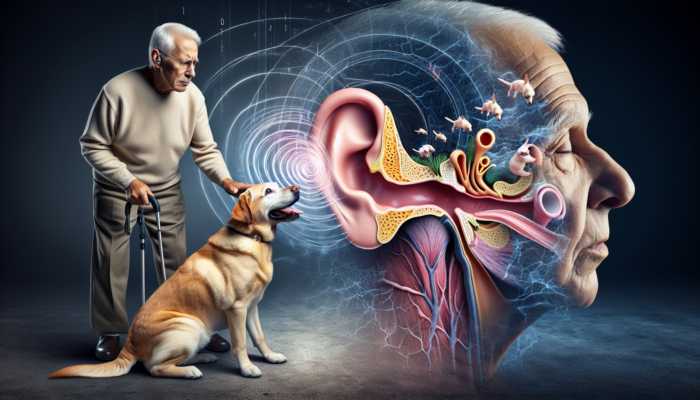
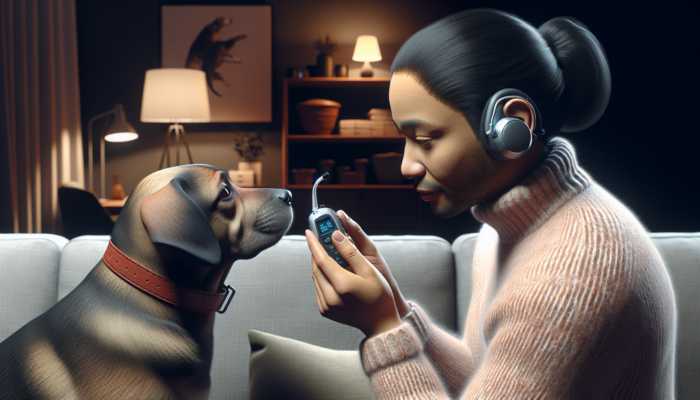
    Originally posted 2025-05-02 03:13:51.

    The post Hearing Loss Challenges for Pet Owners Explained appeared first on Healthcare Marketing Service.

  • Hearing Aid Connectivity: Shaping a Universal Future

    Last Updated on 01/05/2025 by Admin

    Revolutionising Hearing Aids with Cutting-Edge Wireless Technology

    The field of hearing aid technology is undergoing a remarkable transformation, driven by groundbreaking advancements in wireless technology. These innovations are significantly enhancing the auditory experiences of users globally. Central to this evolution is the improved connectivity, which is reshaping how individuals with hearing impairments engage with their environments. A key element of this progress is the heightened use of Bluetooth technology, which is expanding the reach and reliability of audio streaming directly to hearing aids. Previously, users encountered various connectivity challenges, but pioneering solutions are now emerging to offer a seamless auditory experience that enriches their everyday lives.

    Maximising Bluetooth Features for Enhanced Hearing Experiences

    Recent developments in Bluetooth technology are significantly transforming the experiences of hearing aid users. Traditionally, users often faced connectivity disruptions and inadequate audio quality. The latest innovations deliver improved range, enabling users to maintain a robust connection over greater distances without sacrificing sound fidelity. This enhancement is particularly vital for those with active lifestyles or who frequently socialise in larger settings, where distance from their devices can hinder communication.

    For example, state-of-the-art hearing aids featuring Bluetooth Low Energy (BLE) technology ensure dependable connections to smartphones, televisions, and various electronic devices with remarkable stability. This functionality is especially advantageous in vibrant environments such as bustling restaurants or lecture halls, where background noise can complicate the listening experience. The enhanced Bluetooth features not only bolster connectivity but also allow users to personalise their hearing settings through smartphone applications. This level of control empowers individuals to tailor their auditory experiences to their specific preferences, underscoring the transformative impact of these advancements on the industry.

    Energy-Efficient Low Energy Protocols Transforming Hearing Aids

    The increasing adoption of low energy protocols marks a pivotal moment in the progression of hearing aid technology. These protocols are meticulously designed for energy efficiency, significantly prolonging the battery life of hearing devices. Manufacturers are increasingly recognising that extended battery life directly enhances user satisfaction, making hearing aids more convenient and reliable for daily use.

    Worldwide, users are benefiting from these advancements, particularly in regions where access to replacement batteries can be challenging. With energy-efficient designs, modern hearing aids can operate for longer durations between charges, alleviating the constant concern of needing frequent battery replacements. This aspect of contemporary hearing aids aligns seamlessly with the ongoing movement towards sustainability and user convenience, allowing individuals to enjoy the freedom of not being tethered to regular charging routines.

    The integration of low energy protocols substantially enriches the overall user experience by ensuring continuous connectivity with various devices. This means users can fully immerse themselves in their activities without the anxiety of battery depletion, whether attending a concert in Sydney or delivering a presentation in London.

    Effortless Multi-Device Connectivity for Enhanced User Engagement

    The capability to connect hearing aids to multiple devices simultaneously represents a groundbreaking advancement in hearing technology. Today’s hearing aids allow users to transition effortlessly between devices without manual adjustments, streamlining the user experience across smartphones, televisions, and computers. This feature provides an unprecedented level of convenience and significantly enhances the overall user experience.

    Imagine enjoying your favourite programme on a smart TV while also receiving a call on your smartphone. With the latest hearing aids, the audio from the television can be automatically paused, enabling you to take the call directly through your hearing devices. This integration simplifies daily tasks and enriches interactions, allowing users to navigate seamlessly between devices without missing crucial information or conversations.

    This multi-device capability is especially advantageous in professional environments, where users may need to shift between conference calls, video meetings, and presentations. The ability to connect to multiple devices simultaneously facilitates a smoother workflow, ensuring that no vital information is overlooked. As technology continues to advance, the potential for even more sophisticated multi-device connectivity will redefine user expectations and enhance productivity.

    Connecting Hearing Aids with Smart Devices for Enhanced Control

    As technology evolves, the integration of hearing aids with smart devices is becoming increasingly important. This evolution extends beyond mere connectivity; it aims to create a comprehensive auditory experience that enhances control, personalisation, and accessibility for users worldwide. The capacity for hearing aids to seamlessly work with smartphones, smart home systems, and wearable technologies heralds a new era of hearing solutions.

    Leveraging Smartphone Compatibility to Enhance Hearing Aids

    Smartphones have become an integral part of our daily routines, and their compatibility with hearing aids is revolutionising the user experience. Modern hearing aids are specifically engineered to connect effortlessly with smartphones, allowing users to adjust their settings with ease. Through dedicated applications, users can modify volume levels, sound profiles, and even access features such as noise reduction in real-time.

    For individuals in bustling urban environments like Tokyo or New York, this compatibility translates into greater control amidst noisy surroundings. Adjusting settings directly from their phones enables users to enhance speech clarity while diminishing distracting background noise, creating a personalised auditory environment tailored to their specific contexts.

    These applications typically feature user-friendly interfaces that facilitate easy navigation for users of all ages. This level of accessibility is crucial for promoting independence among those with hearing impairments, empowering them to manage their hearing devices without needing external assistance. The ability to control hearing aids via smartphones marks a significant advancement in empowering users and aligning technology with their lifestyle needs.

    Improving Daily Life Through Smart Home Integration

    The integration of hearing aids with smart home systems represents another thrilling frontier in connectivity. Picture a scenario where your hearing aids are directly linked to your home’s smart devices, allowing automatic adjustments based on your surroundings. When someone rings the doorbell or your phone receives a call, your hearing aids can alert you with a gentle amplification of these sounds, ensuring you never miss important notifications.

    Such integration not only enhances awareness but also promotes independence for users within their homes. Individuals living alone or those facing mobility challenges can significantly benefit from smart technologies that connect them with their environments. Whether in São Paulo or Berlin, the convenience of smart home integration improves accessibility and enriches the overall quality of life.

    Smart home devices can be programmed to harmonise with hearing aids, allowing users to experience their environment more richly. For instance, while watching a film, the smart home system can adjust the audio settings of the hearing aids to enhance dialogue clarity, creating an immersive experience. This level of integration is expected to expand further, showcasing the limitless possibilities that lie ahead for hearing aid technology.

    Synergy Between Wearable Technology and Hearing Aids

    The rise of wearable technology, including fitness trackers and smartwatches, has opened new avenues for integrating hearing aids. This synergy enables users to monitor their health and adjust hearing aid settings based on real-time data. For example, fitness trackers can provide insights into activity levels, influencing sound settings according to the user’s environment, such as enhancing audio clarity during workouts.

    Combining hearing aids with wearable technology offers a more comprehensive understanding of overall well-being. Users can monitor their hearing performance alongside health data, fostering informed decisions regarding their auditory health. This integration is especially beneficial for health-conscious individuals, seamlessly merging fitness goals with hearing needs.

    Across various global regions, the trend towards health-conscious living is on the rise. As more individuals embrace wearable technology, the expectation is that hearing aids will evolve to support this lifestyle, ensuring users can thrive in both vibrant urban settings and serene countryside.

    Harnessing Artificial Intelligence for Enhanced Hearing Aid Features

    The integration of Artificial Intelligence (AI) is revolutionising the capabilities of hearing aids, introducing a new level of sophistication and personalisation. From advanced noise cancellation technologies to predictive maintenance features, AI applications are significantly enriching the auditory experience for users worldwide. The future of hearing aid connectivity increasingly depends on these intelligent solutions, driving enhancements in sound quality, usability, and maintenance.

    Improving Sound Clarity with AI-Driven Noise Cancellation

    AI-powered noise cancellation technology is a groundbreaking advancement for hearing aids, greatly enhancing sound clarity. Traditional hearing aids often struggled to distinguish between background noise and speech, leading to frustrating listening experiences. With advanced algorithms now incorporated into modern devices, hearing aids can identify and filter out unwanted sounds while amplifying speech, thus improving clarity.

    This innovation is particularly crucial for users in noisy settings, such as cafes, public transport, or bustling markets. For example, imagine yourself at a family gathering in a crowded restaurant; AI-powered hearing aids can isolate conversations at your table while suppressing unwanted ambient noise, facilitating meaningful interactions. This level of auditory enhancement not only enriches the overall user experience but also fosters social engagement across various cultural contexts.

    AI’s capacity to learn from user preferences allows for continuous improvements in noise cancellation features. By analysing common sound environments and user feedback, hearing aids can automatically adapt settings, creating a seamless auditory experience without requiring manual adjustments. This predictive functionality represents a significant leap forward in hearing technology, making it increasingly user-friendly and effective.

    Crafting Personalised Sound Profiles Using AI Technology

    The future of hearing aids increasingly revolves around their capacity to create personalised sound profiles tailored to individual preferences. By leveraging AI technology, hearing aids can learn from user behaviour and automatically adjust sound settings according to specific environments and interactions. This degree of personalisation ensures that each user enjoys an auditory experience that aligns with their unique hearing needs.

    For instance, a user might favour different sound settings at home compared to social gatherings or quiet environments. AI-enabled hearing aids can automatically adapt based on these contexts, ensuring optimised sound quality without requiring manual adjustments each time the user transitions between settings. This adaptability enhances the overall user experience and encourages greater acceptance and use of hearing aids.

    Globally, the potential for personalised sound profiles is vast. As more individuals recognise the benefits of tailored auditory experiences, the demand for AI-driven solutions is anticipated to rise. This trend not only empowers users in managing their hearing needs but also reflects a broader movement towards customisation in technology.

    Enhancing Device Longevity with Predictive Maintenance

    AI technology is paving the way for predictive maintenance in hearing aids, significantly improving the longevity and performance of these devices. By continuously monitoring performance metrics, AI can detect potential issues before they escalate into major problems. This proactive approach enables users to address maintenance needs early, minimising downtime and ensuring optimal performance.

    For example, if a hearing aid exhibits early signs of battery depletion or audio distortion, AI can notify the user through its connected application, suggesting timely maintenance actions or service appointments. This anticipatory approach not only prevents unexpected failures but also enhances overall user satisfaction with the device.

    In regions where access to hearing healthcare is limited, predictive maintenance provides an essential layer of support. Users can effectively maintain their devices without constant professional oversight, empowering them to take charge of their auditory health. The incorporation of AI in this capacity exemplifies the potential of technology to enhance user experience and accessibility across diverse populations.

    Transforming Hearing Healthcare with Telehealth and Remote Adjustments

    The emergence of telehealth is revolutionising how users manage their hearing aids, offering unprecedented access to audiological services and support. This shift towards remote consultations and adjustments allows users to connect with healthcare professionals without the constraints of traditional in-person appointments. The future of hearing aid connectivity is increasingly intertwined with this telehealth evolution, enhancing accessibility and convenience for users worldwide.

    Breaking Down Barriers with Virtual Audiology Services

    Virtual audiology services are dismantling geographical barriers, enabling users to access professional support regardless of their location. Whether in remote areas or urban centres, individuals can connect with audiologists through telehealth platforms, receiving personalised assessments and adjustments conveniently. This accessibility is particularly critical for those in underserved regions where options for hearing healthcare may be limited.

    In practice, users can schedule virtual consultations to discuss their hearing needs, voice concerns, and receive tailored recommendations. This direct line of communication fosters a collaborative approach to hearing care, enhancing overall satisfaction and outcomes. As remote services gain popularity, it is expected that audiologists will increasingly utilise these platforms to provide ongoing support, ensuring that users maintain optimal hearing health.

    The convenience of virtual consultations allows users to conduct follow-up appointments from the comfort of their homes, reducing the time and stress often associated with traditional visits. This flexibility benefits users while enabling audiologists to reach a broader audience, effectively bridging the gap between patients and professionals.

    Real-Time Data Sharing for Enhanced Hearing Management

    Real-time data sharing represents another innovative aspect of telehealth that significantly improves hearing aid management. Through connected hearing aids, users can share performance data with their audiologists, enabling more informed decisions regarding necessary adjustments and maintenance. This continuous feedback loop ensures that audiologists can monitor user progress and promptly address any concerns.

    The ability to share data in real-time is especially advantageous for users experiencing significant changes in their hearing needs. For instance, if a user reports difficulties in specific environments, their audiologist can analyse performance data and make necessary adjustments remotely, ensuring users receive immediate support. This level of responsiveness not only enhances user trust and satisfaction but also underscores the critical role of connectivity in contemporary hearing healthcare.

    Real-time data sharing encourages a proactive approach to managing hearing health. Audiologists can track trends and patterns in user performance, yielding predictive insights that lead to better hearing outcomes. This innovative application of technology strengthens the bond between users and professionals, fostering a collaborative relationship in effectively managing hearing health.

    Empowering Users through Intuitive Interfaces

    As telehealth services expand, developing user-friendly interfaces is crucial for effective communication between users and audiologists. Mobile applications and online platforms must be intuitive, ensuring users can navigate features easily and access support without frustration. By prioritising usability, manufacturers can enhance user engagement and satisfaction, encouraging individuals to embrace technology in managing their hearing needs.

    User-friendly interfaces should consider diverse demographics, catering to individuals of various ages and levels of technological expertise. Simplifying navigation and incorporating visually appealing designs can enhance the user experience, making hearing aids more accessible to people from all walks of life. This inclusivity is essential, as it fosters greater adoption rates and encourages users to actively engage with their hearing health.

    Ongoing training and support through these interfaces can empower users to maximise the potential of their devices. By providing access to tutorials and FAQs, users can quickly learn how to manage settings or troubleshoot issues independently, further enhancing their confidence in using technology. As telehealth continues to evolve, focusing on user-friendly interfaces will be vital in shaping the future of hearing aid connectivity.

    Facilitating Remote Training and Support for Users

    The growing demand for remote training and support is increasingly evident as hearing aids become integrated into daily life. Users need to feel equipped to manage their devices effectively, and remote training can provide the necessary guidance. Through virtual tutorials and support sessions, users can learn how to navigate their hearing aids, ensuring they maximise the benefits of these advanced technologies.

    For instance, audiologists can conduct online workshops focused on specific device features, such as adjusting sound profiles or managing connectivity with smart devices. This targeted training instils confidence in users, empowering them to engage with their hearing aids and adjust settings to meet their unique needs.

    Remote support serves as a valuable resource for users encountering difficulties or changes in their hearing. By providing a direct line of communication with professionals, users can receive timely assistance, alleviating the anxiety often associated with troubleshooting. This responsive approach enhances user satisfaction and highlights the importance of connectivity in modern hearing healthcare.

    As the telehealth landscape continues to evolve, emphasising remote training and support will be crucial in ensuring users feel empowered and informed. This focus on education and engagement will foster a sense of community among users, further enhancing the adoption and utilisation of hearing aids globally.

    Ensuring Telehealth Regulatory Compliance for User Safety

    As telehealth services expand within the hearing aid industry, ensuring regulatory compliance becomes increasingly vital. Each region has distinct legal and regulatory standards governing telehealth practices, and manufacturers must navigate these complexities to provide safe and effective services. Compliance is essential for fostering trust between users and healthcare providers, allowing users to feel secure in their interactions.

    For example, maintaining patient confidentiality is paramount in telehealth services. Hearing aid manufacturers must implement robust data protection measures to safeguard user information, complying with regulations such as HIPAA in the United States or GDPR in Europe. Ensuring users understand their rights regarding data privacy is crucial in building confidence in telehealth services.

    As telehealth becomes more integrated into hearing healthcare, it is critical for professionals to remain informed about evolving regulations. Continuous education and training for audiologists on telehealth compliance will be vital in delivering high-quality services. This commitment to regulatory adherence reflects a broader responsibility to prioritise user safety and satisfaction in the rapidly changing landscape of hearing aid connectivity.

    Prioritising Data Security and Privacy in Hearing Aids

    As hearing aids become increasingly interconnected, the significance of data security and privacy is paramount. Users are entrusting sensitive information to their devices, and manufacturers bear the responsibility of safeguarding this data through advanced technologies and practices. The future of hearing aid connectivity hinges on ensuring that users feel confident in the security of their information.

    Implementing Advanced Encryption Technologies for Data Protection

    One of the most effective methods of protecting user data is through the implementation of cutting-edge encryption technologies. By encrypting data transmitted by hearing aids, manufacturers can ensure that sensitive information remains secure, preventing unauthorised access or data breaches. This level of protection is crucial as users share personal data with their devices, including health information and audiology assessments.

    Globally, the demand for enhanced data protection is increasing, as individuals become more aware of their privacy rights. Manufacturers must prioritise encryption measures that comply with international standards, ensuring users can trust their hearing aids to safeguard their information. As technology progresses, continuous investment in encryption technologies is vital for maintaining user confidence and satisfaction.

    Educating users about the encryption measures in place can further build trust. By providing transparent information about how their data is protected, manufacturers can reassure users that their information is secure, fostering a sense of safety in their interactions with technology.

    Empowering Users with Consent and Control Over Their Data

    User consent and control over data usage are fundamental principles in the realm of data security and privacy. As hearing aids collect and transmit data, users must have the ability to consent to its use and understand how their information will be utilised. This level of transparency is vital in promoting user trust and engagement with technology.

    Manufacturers should implement straightforward consent processes within their software, allowing users to easily manage their data preferences. For example, users should be able to choose what data they share with audiologists or third-party applications, ensuring they maintain control over their information. This empowerment encourages users to be proactive in managing their hearing health while ensuring their privacy is respected.

    Ongoing communication about data practices is crucial. As regulations evolve and data usage practices change, manufacturers must keep users informed about their rights and options. This commitment to transparency not only builds trust but also fosters a greater sense of agency among users in managing their hearing needs.

    Ensuring Compliance with Data Protection Regulations

    Compliance with data protection regulations is a critical aspect of ensuring user security in hearing aid connectivity. Different regions have established laws governing data privacy, and manufacturers must adhere to these standards to protect user information. This commitment to regulatory compliance is essential in fostering trust between users and manufacturers.

    For instance, manufacturers operating in the European Union must comply with GDPR, which emphasises the importance of user consent and data protection. Adhering to these regulations demonstrates a commitment to safeguarding user information and prioritising privacy in all aspects of hearing aid technology.

    As telehealth services become more integrated into hearing healthcare, manufacturers must ensure their practices align with telehealth regulations. This includes maintaining patient confidentiality, protecting sensitive health information, and ensuring that users feel secure in their interactions with audiologists and their devices. By prioritising compliance, manufacturers can reinforce the importance of user protection and enhance the overall user experience.

    Championing Accessibility and Inclusivity in Hearing Aid Technology

    Creating accessible and inclusive hearing aids is a vital objective for manufacturers in the industry. As the global population continues to grow, addressing the diverse needs of users becomes paramount. By focusing on affordability, user-friendly designs, multilingual support, and cultural sensitivity, the future of hearing aid connectivity can ensure that everyone has access to the technology they need.

    Developing Affordable Hearing Aid Solutions

    The creation of cost-effective hearing aids is essential in increasing accessibility for all users. Many individuals with hearing impairments face financial barriers that obstruct their access to necessary devices. Manufacturers have a responsibility to develop affordable solutions that cater to a wide range of incomes, ensuring that everyone can access essential hearing technology.

    Innovative approaches, such as modular designs and adjustable features, can help reduce production costs while maintaining quality. By prioritising affordability, manufacturers can extend their reach to underserved populations, including those in developing countries where access to hearing healthcare is limited. This commitment to inclusivity aligns with broader efforts to ensure that technology is accessible to all, regardless of socioeconomic status.

    Implementing support programs or partnerships with nonprofit organisations can significantly enhance accessibility for those in need. By collaborating with organisations dedicated to hearing health, manufacturers can facilitate access to affordable hearing aids, empowering individuals to engage fully in their lives.

    Prioritising User-Friendly Design for All Ages

    User-friendly design is a critical component of hearing aids that enhances usability for people of all ages and abilities. Manufacturers must prioritise intuitive interfaces, comfortable fits, and easy-to-navigate controls to accommodate the diverse needs of users. By incorporating user feedback into the design process, manufacturers can create hearing aids that are accessible and enjoyable to use.

    For instance, simplifying control mechanisms, such as using tactile buttons or voice commands, can improve usability for individuals with varying levels of dexterity or technical experience. Designing hearing aids to be lightweight and ergonomically shaped can enhance comfort, encouraging consistent use.

    Globally, this emphasis on user-friendly design can foster greater adoption rates among individuals who may have previously avoided hearing aids due to usability concerns. As manufacturers prioritise accessibility, they can help dismantle barriers preventing users from engaging with hearing technology.

    Incorporating Multilingual Support for Global Accessibility

    In our diverse world, incorporating multilingual support in hearing aid interfaces and applications is essential for fostering inclusivity. Users should feel comfortable interacting with their devices in their preferred language, allowing for a more personalised experience. By offering multilingual options, manufacturers can ensure that hearing aids cater to a global audience.

    This consideration for linguistic diversity is particularly relevant in multicultural regions, where users may speak different languages or dialects. Providing interfaces in multiple languages enhances user satisfaction and promotes a sense of belonging and understanding.

    As global travel and migration continue to rise, accommodating different languages will become increasingly important. Hearing aids equipped with multilingual support can help bridge communication gaps, ensuring that users can engage effectively in diverse environments.

    Designing with Cultural Sensitivity in Mind

    Creating hearing aids with cultural sensitivity is vital in addressing the unique needs of diverse user populations. Manufacturers should consider cultural preferences, values, and practices when developing hearing technology, ensuring that devices resonate with users on a personal level. This thoughtful approach fosters a sense of connection and belonging among users, enriching the overall experience.

    For instance, cultural perceptions of hearing loss may differ significantly across various societies. By engaging with diverse communities during the design process, manufacturers can gain insights into specific needs and preferences, leading to more tailored solutions.

    Incorporating culturally relevant features, such as customisable aesthetics or language options, can enhance user engagement. This level of sensitivity ensures that hearing aids are not merely functional devices but also meaningful tools that resonate with users’ identities and experiences.

    Implementing Inclusive Community Programmes for Hearing Health

    Establishing outreach and educational programmes to enhance hearing aid adoption among underserved populations is vital for promoting inclusivity in hearing healthcare. Manufacturers can partner with local organisations, schools, and community centres to provide resources and training focused on hearing health.

    These programmes can address common misconceptions about hearing aids, offering information on available technology and support options. By engaging directly with communities, manufacturers can foster greater awareness and understanding of hearing health, encouraging individuals to seek assistance when needed.

    Establishing programmes that provide financial assistance or access to affordable hearing aids can significantly impact underserved populations. By prioritising inclusivity and accessibility, manufacturers can help bridge the gap in hearing healthcare, ensuring that all individuals have the opportunity to thrive.

    Enhancing Environmental Adaptability in Hearing Aids

    As hearing aids continue to evolve, environmental adaptability becomes a critical factor in enhancing user experience. Users require devices that can withstand various environmental conditions while delivering optimal performance across different settings. By focusing on weather resistance, adaptive sound settings, and durability, manufacturers can ensure their products meet the diverse needs of users worldwide.

    Ensuring Weather Resistance for Active Lifestyles

    The ability of hearing aids to endure various environmental conditions is vital for users who lead active lifestyles. Weather-resistant hearing aids are designed to withstand rain, humidity, and temperature fluctuations, ensuring reliable performance regardless of external conditions. This adaptability is particularly crucial for users residing in regions with challenging climates, allowing them to engage in outdoor activities without fear of damaging their devices.

    For example, hearing aids equipped with waterproof features can be used during swimming or in rainy conditions, enhancing usability for individuals who enjoy outdoor sports. By prioritising weather resistance, manufacturers can create devices that align with users’ lifestyles, fostering greater confidence in their hearing technology.

    The trend towards robust, durable designs is gaining traction among users seeking long-lasting solutions. By emphasising materials that endure wear and tear, manufacturers can ensure their hearing aids remain functional over time, minimising the need for frequent replacements.

    Adaptive Sound Settings for Smooth Transitions

    Adaptive sound settings represent a significant advancement in hearing aid technology, allowing devices to automatically adjust based on the surrounding environment. With the integration of sensors and AI algorithms, modern hearing aids can detect changes in noise levels and adjust sound settings accordingly, providing users with optimal auditory experiences.

    For instance, when transitioning from a quiet library to a bustling street, adaptive sound settings can enhance speech clarity while suppressing background noise, ensuring users can navigate diverse environments effortlessly. This level of responsiveness enhances user satisfaction and encourages greater engagement with their devices.

    The potential for adaptive sound settings to cater to individual preferences is immense. Users can customise their experiences based on their unique listening habits, promoting a more personalised approach to hearing health. As this technology continues to evolve, adaptive sound settings are expected to become a standard feature in hearing aids, enhancing usability worldwide.

    Enhancing Durability and Longevity of Hearing Aids

    Ensuring that hearing aids are durable and possess a long lifespan is essential for user satisfaction and confidence in their devices. Manufacturers must consider the wear and tear that hearing aids may experience during daily use, creating products that can withstand the rigours of everyday life.

    Durability not only decreases the frequency of replacements but also contributes to overall cost-effectiveness for users. By investing in high-quality materials and robust designs, manufacturers can enhance the longevity of their devices, providing users with reliable solutions that stand the test of time.

    As technology continues to advance, integrating durable features such as shock resistance and impact absorption can further enhance the reliability of hearing aids. This focus on durability aligns with a broader commitment to sustainability, ensuring that devices are built to last in various settings.

    Implementing Moisture and Humidity Protection in Hearing Aids

    Designing hearing aids to resist moisture and humidity is crucial for maintaining functionality in diverse climatic conditions. Users in humid environments often face challenges with moisture affecting their devices’ performance. By incorporating moisture-resistant features, manufacturers can enhance the usability and reliability of hearing aids, ensuring they remain effective even in challenging conditions.

    This level of protection is particularly significant for individuals living in tropical or coastal regions, where humidity levels can fluctuate dramatically. By prioritising moisture and humidity protection, manufacturers can bolster user confidence, allowing individuals to engage fully in their environments without the concern of damaging their hearing aids.

    Implementing moisture-resistant designs ensures that users can continue to enjoy their hearing aids during activities such as exercise or outdoor adventures. This adaptability aligns with the growing trend towards active lifestyles, ensuring that hearing aids remain functional and reliable in various settings.

    Anticipating Future Trends and Innovations in Hearing Aids

    The future of hearing aid connectivity is filled with possibilities, driven by emerging trends and innovations that promise to reshape the auditory technology landscape. From integrating augmented reality to exploring brain-computer interfaces, the potential for advancements is vast. As manufacturers continue to push technological boundaries, users can expect a more immersive and personalised auditory experience.

    Incorporating Augmented Reality into Hearing Aids

    The incorporation of augmented reality (AR) into hearing aids represents an exciting frontier in auditory technology. Imagine hearing aids that not only enhance sound but also enrich visual experiences, providing users with a deeper understanding of their surroundings. AR technology can overlay visual information onto the real world, enhancing users’ ability to interact with their environment.

    For example, AR-enabled hearing aids could provide visual cues for important sounds, such as alerts from home devices or notifications from smartphones. This integration can significantly enhance situational awareness, allowing users to navigate their surroundings with greater confidence. AR technology can offer personalised feedback on auditory experiences, helping users make informed adjustments to their hearing settings.

    As AR technology continues to evolve, the potential for enhancing user experiences is limitless. From providing real-time translations in multilingual environments to offering interactive soundscapes, integrating AR can revolutionise how users engage with the world around them.

    Exploring Brain-Computer Interfaces for Direct Control

    Research into direct brain-hearing aid communication through brain-computer interfaces (BCIs) is an exciting area of development. BCIs could potentially enable users to control their hearing devices through thought alone, eliminating the need for physical controls or smartphone interfaces. This integration presents an innovative approach to accessibility, particularly for individuals with mobility challenges.

    While still in the experimental phase, BCIs hold the potential to drastically change how users interact with their hearing aids. By tapping into neural signals, users could receive auditory input directly from their devices, creating a more seamless auditory experience. This level of integration could redefine engagement with sound, dismantling barriers for individuals with hearing impairments.

    As research continues in this area, it is anticipated that BCIs will evolve into viable solutions for users seeking advanced hearing technologies. The implications for auditory health and accessibility are profound, presenting new avenues for connection and engagement in diverse environments.

    Revolutionising Hearing Aids with Nanotechnology Applications

    Applications of nanotechnology in hearing aids are set to transform the industry, facilitating the creation of devices that are smaller, more efficient, and capable of delivering enhanced performance. By utilising nanomaterials, manufacturers can design hearing aids that are lightweight and comfortable while providing powerful sound amplification and processing capabilities.

    For instance, nanotechnology can enable the development of smaller microphones and speakers, making hearing aids less obtrusive and more aesthetically pleasing for users. Nanomaterials can improve battery life and overall device efficiency, ensuring users can enjoy their hearing aids without frequent recharges or replacements.

    As nanotechnology continues to advance, the potential for innovative applications in hearing aids is expected to grow. This shift towards smaller, more powerful devices aligns with user preferences for discreet and effective solutions, enhancing the overall auditory experience for individuals worldwide.

    Looking Ahead: Final Thoughts on the Future of Hearing Aids

    The future of hearing aid connectivity is bright, characterised by technological advancements that aim to improve the lives of users globally. From enhanced wireless connectivity and AI applications to telehealth services and user-centred designs, the industry is poised for significant growth and transformation. By focusing on accessibility, inclusivity, and innovative technologies, manufacturers can ensure that hearing aids become essential tools for individuals seeking to fully engage with the world around them.

    Frequently Asked Questions about Hearing Aid Innovations

    What key advancements are shaping the future of hearing aid technology?

    Key advancements include enhanced Bluetooth connectivity, AI-driven noise cancellation, and integration with smart devices and telehealth services, all of which significantly improve user experience and accessibility.

    How does Bluetooth technology enhance hearing aid connectivity?

    Recent advancements in Bluetooth improve range and stability, allowing for seamless audio streaming and multi-device connectivity, which significantly enhances the auditory experience in various environments.

    What role does AI play in modern hearing aids?

    AI enhances hearing aids through personalised sound profiles, effective noise cancellation, and predictive maintenance, enabling users to enjoy tailored auditory experiences that suit their needs.

    Why is telehealth significant for hearing aid users?

    Telehealth provides remote consultations and adjustments, improving access to audiological services and allowing users to manage their hearing health conveniently from home.

    How do hearing aids ensure data security and privacy?

    Manufacturers implement robust encryption technologies, ensure user consent and control over data usage, and comply with international data protection regulations to safeguard user information.

    What features enhance the accessibility of hearing aids?

    Affordability, user-friendly designs, multilingual support, and cultural sensitivity are essential features that improve the accessibility of hearing aids for diverse populations.

    How can hearing aids adapt to different environmental conditions?

    Modern hearing aids incorporate weather resistance, adaptive sound settings, and moisture protection, ensuring reliable performance in various climates and conditions.

    What future trends should we anticipate in hearing aid technology?

    Emerging trends include augmented reality integration, brain-computer interfaces, and applications of nanotechnology, which promise to revolutionise user experiences and device capabilities.

    Why is community outreach important for hearing aid adoption?

    Community programmes raise awareness, provide education, and facilitate access to affordable hearing aids, helping underserved populations embrace hearing technology.

    How can users effectively manage their hearing aids?

    Users can utilise smartphone apps and remote support services for real-time adjustments, training, and monitoring to manage their hearing aids effectively.

    Discover our journey on X!

    The post Hearing Aid Connectivity: A Universal Future Ahead appeared first on The Microsuction Ear Wax Removal Network.

    Originally posted 2025-05-02 03:13:52.

    The post Hearing Aid Connectivity Paving the Way for a Universal Future appeared first on Healthcare Marketing Service.

  • Starkey Muse Debuts in the UK Market

    Starkey Muse from Hearing First brings a new generation of power and precision to hearing aid wearers, making conversation clearer in noisy environments, and music more natural.

    Starkey Muse from Hearing First

    Discover the Innovative Starkey Muse Hearing Aids Now Available in the UK

    Starkey has officially unveiled its latest Muse range of hearing aids, designed to meet diverse user needs. The collection features various styles, including the discreet yet powerful CIC (completely in the canal), ITC, and ITE custom designs. options like the microRIC 312, miniBTE, and microRIC 312 AP provide up to 70dB of amplification without feedback. For those prioritising invisibility, Starkey presents the Soundlens Synergy, recognised as the world’s first wireless true iic (invisible in the canal) hearing aid.

    The Muse hearing aids come in three technology levels: i2400, i2000, and i1600. They are powered by Starkey’s innovative Synergy technology platform, which features a quad-core architecture. This advanced design allows for up to 24 channels and dual compressors, enhancing overall performance.

    Every model includes Starkey’s cutting-edge, patent-pending Multiflex Tinnitus technology. This system combines personalisation and flexibility, providing much-needed relief for individuals suffering from tinnitus.

    The Muse range, featuring the revolutionary Synergy platform, stands out as the only hearing aid system utilising quad-core twin compressor technology. This innovation ensures unparalleled precision in sound clarity and the ultimate optimisation for an enjoyable listening experience. With the integration of Acuity OS, Starkey’s new high-definition operating system, speech and musical sounds are processed in a unique manner for the first time, significantly improving speech audibility and musical enjoyment across various environments.

    Synergy also integrates 900sync Technology, which is favoured by patients for its high-quality wireless performance. This technology enhances the auditory experience for those with unilateral hearing loss through the new Muse CROS System and improves phone comprehension with the innovative ear-to-ear phone streaming feature.

    To explore the Starkey Muse range further, visit the following links:

    Learn more about Starkey Muse i2400

    Discover Starkey Muse i2000

  • Starkey Muse i2400: Affordable Hearing Aids for Every Need

    Starkey Muse i2400 £1595 from Hearing First brings a new generation of power and precision to hearing aid wearers, making conversation clearer in noisy environments, and music more natural.

    Starkey Muse i2400 £1595 from Hearing First

    Discover the Starkey Muse i2400 for £1595

    Starkey has unveiled its latest Muse range of hearing aids, with the most competitive price in the UK available at Hearing First for just £1595. This innovative collection includes various styles, from the discreet yet powerful CIC (completely in the canal) and ITC (in the canal) to ITE (in the ear) custom designs. the range features the microRIC 312, miniBTE, and the microRIC 312 AP, which offers up to 70dB of feedback-free amplification. For those prioritising discretion, Starkey introduces the Soundlens Synergy, the world’s first wireless true iic (invisible in the canal) hearing aid.

    The Muse range is available in three technology levels: i2400, i2000, and i1600. Each model is powered by Starkey’s new Synergy technology platform, which operates on a quad-core architecture that supports up to 24 channels and twin compressors.

    Each hearing aid model includes Starkey’s innovative Multiflex Tinnitus technology, which offers personalised and flexible solutions to help alleviate the symptoms of tinnitus for users.

    What Cutting-Edge Features Does the Starkey Muse i2400 Offer?

    The i2400 model is equipped with the following advanced features:

    • 24 channels and 24 bands for enhanced sound processing
    • Extended bandwidth reaching up to 10kHz for superior audio clarity
    • Acuity OS for optimised performance
    • 900sync Wireless Technology for seamless connectivity
    • Wireless Spatial Streaming for an immersive listening experience
    • Acuity Speech Optimisation to enhance speech comprehension
    • Music Enhancement features, including:
      • Music Adaptation – Level 4 for tailored listening
      • Music Memory for consistent sound quality
      • E2E Music Adaptation – Maximum for optimal music playback
    • Ear 2 Ear Acuity Binaural Imaging, which includes:
      • E2E Machine Noise Adaptation – Level 4 to minimise distracting sounds
      • E2E Wind Noise Management – Level 4 for clear listening in breezy conditions
      • E2E Directionality for improved focus on conversations
      • E2E Phone Streaming for enhanced phone call clarity
    • Environment Manager – Acuity Lifescape Analyser, which features:
      • Music – Level 4 for optimal sound in musical environments
      • Speech – Level 4 for better understanding in conversations
      • Speech and Noise – Level 4 for balanced listening in challenging settings
      • Machine Noise – Level 4 to reduce background interference
      • Wind – Level 4 for protection against gusty conditions
      • Noise – Level 4 for overall sound management
      • Quiet – Level 4 for serene listening experiences
    • Directional Processing – Acuity Directionality, which features:
      • Channels: 24 for comprehensive sound capture
      • Dynamic – Maximum for adaptive sound adjustment
      • Directional – Maximum for focused listening
      • Adaptive – Maximum for personalised audio experiences
    • Noise Control – Acuity Voice, which includes:
      • Noise Reduction Strength – Level 4 for minimising unwanted sound
    • Whistlefree Feedback Cancellation to eliminate annoying feedback
    • Speech Shift Frequency Lowering to enhance clarity
    • Multiflex Tinnitus Technology for tailored relief
    • SurfLink Wireless Accessories for enhanced connectivity

    The Muse range, powered by Starkey’s revolutionary Synergy platform, is the only one to incorporate quad-core twin compressor technology. This system provides exceptional precision for sound clarity and optimises the listening experience. The Synergy platform, combined with Acuity OS, Starkey’s high-definition operating system, allows for unique processing of speech and music. This innovation significantly enhances both speech intelligibility and the enjoyment of music across various environments.

    Synergy also integrates 900sync Technology, the preferred wireless solution for users. This technology delivers an unparalleled audio experience, catering to those with unilateral hearing loss through the new Muse CROS System. It also enhances phone comprehension with the innovative ear-to-ear phone streaming.

  • Starkey Muse i2000 Hearing Aids: CIC, ITC, ITE, RIC, BTE Options

    Starkey Muse i2000 £1295 from Hearing First brings a new generation of power and precision to hearing aid wearers, making conversation clearer in noisy environments, and music more natural.

    Discover the Starkey Muse i2000 at £1295 from Hearing First

    Experience the Starkey Muse i2000 for £1295

    If you are searching for the best price in the UK for the Starkey Muse i2000, look no further than Hearing First.

    The Starkey Muse i2000 features our groundbreaking Acuity Binaural Imaging, which offers ultra high-definition audio, ensuring a natural ear-to-ear communication experience for users. This innovative technology allows for effective collaborative decision-making, preserving speech clarity while maintaining user comfort.

    Today’s audiology patients wish to enjoy rich listening experiences in all types of environments. Our sophisticated Acuity Lifescape Analyzer serves this need with its rigorous environmental detection capabilities. It can identify and adapt to seven different sound classes simultaneously, providing the most advanced classification and adaptation system available.

    To enhance speech detection in challenging listening situations, we have developed Acuity Directionality. This intelligent, personalised feature continually adapts across all channels, focusing on conversations while delivering up to 6dB of speech enhancement. As a result, users can engage in conversations from any direction with greater ease.

    Acuity Voice operates alongside the Acuity Lifescape Analyzer, ensuring optimal clarity for spoken communication. This advanced two-part algorithm employs dynamic voice identification paired with spectral noise control, calculating the required gain on a per-channel basis. This results in exceptional sound quality and intelligibility, even in noisy environments.

    Our wireless system, 900sync, seamlessly streams a caller’s voice to both ears through our innovative Ear-to-Ear Phone Streaming feature, making phone conversations clearer and more manageable than ever.

    Advanced Technology Features of the Starkey Muse i2000

    The i2000 model is equipped with a range of impressive features, including:

    • 20 channels and 20 bands for precise sound management
    • Extended bandwidth reaching up to 10kHz for enhanced audio clarity
    • The cutting-edge Acuity OS for superior performance
    • 900sync Wireless Technology for effortless connectivity
    • Wireless Spatial Streaming for immersive listening experiences
    • Acuity Speech Optimisation – Medium for improved speech clarity
    • Music Enhancement features, including:
      • Music Adaptation – Level 2 for tailored listening
      • Music Memory for personalised playback
      • E2E Music Adaptation – Medium for versatile audio management
    • Ear-to-Ear Acuity Binaural Imaging, which includes:
      • E2E Machine Noise Adaptation – Level 2 for reduced background interference
      • E2E Wind Noise Management – Level 2 for clear sound in breezy conditions
      • E2E Directionality for enhanced focus on conversations
      • E2E Phone Streaming for effortless phone use
    • Environment Management through the Acuity Lifescape Analyser, featuring:
      • Music – Level 2 for optimal enjoyment
      • Speech – Level 2 to enhance clarity
      • Speech and Noise – Level 2 for balanced listening
      • Machine Noise – Level 2 to minimise disruption
      • Wind – Level 2 for clear speech outdoors
      • Noise – Level 2 for effective sound management
      • Quiet – Level 2 for peaceful listening
    • Directional Processing through Acuity Directionality, featuring:
      • 20 channels for precise directionality
      • Dynamic – Medium for adaptable sound processing
      • Directional – Medium for focused listening
      • Adaptive – Medium for varied environments
    • Noise Control with Acuity Voice, featuring:
      • Noise Reduction Strength – Level 2 for enhanced clarity
    • Whistlefree Feedback Cancellation to eliminate annoying feedback
    • Speech Shift Frequency Lowering for improved understanding
    • Multiflex Tinnitus Technology for tailored sound solutions
    • SurfLink Wireless Accessories for added convenience

    The Muse, powered by Starkey’s innovative Synergy platform, is the only hearing aid to incorporate quad core twin compressor technology. This advancement delivers unparalleled precision for audibility and optimises the listening experience. The combination of Synergy and Acuity OS, our high-definition operating system, allows for unique processing of speech and music, enhancing both speech understanding and musical enjoyment in all environments.

    Synergy integrates 900sync Technology, our preferred wireless system, which provides a crystal-clear audio experience. This feature is designed to assist those with unilateral hearing loss through our new Muse CROS System and improves phone conversations with our innovative ear-to-ear phone streaming.

  • Soundlens Synergy i2400 by Starkey for £2195

    Discover the Starkey SoundLens Synergy i2400: The Pinnacle of Invisible Hearing Aid Technology

    Starkey Soundlens Synergy From Hearing First - the world's smallest truly invisible in the canal hearing aid - now available with wireless technology.

    Starkey Soundlens Synergy From Hearing First

    The Starkey SoundLens Synergy i2400 from Hearing First represents the forefront of invisible hearing aid innovation. These devices are tailored specifically to your individual ear canal shape and personal hearing requirements, ensuring a snug and discreet fit that remains unnoticed by others. Despite their small size, the SoundLens Synergy is equipped with cutting-edge technology, making them the first and most sought-after custom-fit Invisible-in-the-Canal (IIC) hearing aids available today.

    • Experience Unmatched Discreteness with Custom Fit

      These hearing aids are designed to be placed deep within your ear canal, customised for all-day comfort and an invisible appearance.

      Starkey has a reputation for producing the smallest, truly invisible in-the-canal hearing aids. With the addition of wireless capabilities and an enhanced technology platform, these hearing aids are at the pinnacle of invisibility and advanced features.

    • Effortlessly Adjust to New Sounds

      This innovative feature facilitates your adaptation to hearing aids by gradually modifying settings, allowing your auditory system to acclimatise to new sounds.

    • Enhanced Wireless Streaming Capabilities

      The technology ensures reliable wireless performance while streaming audio from televisions, music devices, and other media using SurfLink® Mobile 2 and compatible SurfLink accessories.

    • Personalised and Comfortable Listening

      Sound comfort technology is crafted to deliver distortion-free listening for loud sounds while providing exceptional clarity for softer tones.

    • Eliminate Buzzing and Whistling Sounds

      Our state-of-the-art feedback cancellation system ensures a feedback-free experience, allowing for comfortable listening throughout the day.

    • Immerse Yourself in Authentic Music Quality

      These hearing aids are specifically designed to enhance your music experience, allowing you to appreciate every note as the artist intended, with pure and refined sound quality.

    • Customisable Relief for Tinnitus

      The advanced Multiflex Tinnitus Technology incorporated into the hearing aids offers tailored relief for individuals who experience tinnitus or ringing in the ears.

    Explore the Advanced Technology Behind the Starkey SoundLens Synergy i2400

    The i2400 model is equipped with an impressive array of features:

    • 24 channels and 24 bands for precise sound management
    • Extended bandwidth reaching up to 10kHz for enhanced audio clarity
    • Acuity OS for superior processing capabilities
    • 900sync Wireless Technology for seamless connectivity
    • Wireless Spatial Streaming for immersive audio experiences
    • Acuity Speech Optimisation for clearer conversations
    • Music Enhancement features, including
      • Music Adaptation – Level 4 for tailored listening
      • Music Memory for recalling favourite settings
      • E2E Music Adaptation – Maximum for optimal audio quality
    • Ear 2 Ear Acuity Binaural Imaging, featuring
      • E2E Machine Noise Adaptation – Level 4 for reducing background sounds
      • E2E Wind Noise Management – Level 4 for clearer outdoor listening
      • E2E Directionality for improved focus on conversations
      • E2E Phone Streaming for effortless communication
    • Environment Manager – Acuity Lifescape Analyser, including
      • Music – Level 4 for enhanced enjoyment
      • Speech – Level 4 for clearer dialogue
      • Speech and Noise – Level 4 for balanced listening
      • Machine Noise – Level 4 for quieter environments
      • Wind – Level 4 for outdoor clarity
      • Noise – Level 4 for optimal comfort
      • Quiet – Level 4 for peaceful moments
    • Noise Control – Acuity Voice with
      • Noise Reduction Strength – Level 4 for effective sound management
    • Whistlefree Feedback Cancellation for uninterrupted listening
    • Speech Shift Frequency Lowering for enhanced speech clarity
    • Multiflex Tinnitus Technology for effective management of tinnitus symptoms
    • SurfLink Wireless Accessories for versatile connectivity options

  • Hearing Aid Scams: Key Tips for Your Protection

    Last Updated on 26/04/2025 by Admin

    Identify and Avoid Common Hearing Aid Scams

    Understanding the Different Types of Hearing Aid Scams

    The proliferation of fraudulent schemes related to hearing aids has raised significant concerns, as scammers target those who are vulnerable while seeking assistance for their audiological health. A prevalent type of scam involves counterfeit products that mimic genuine hearing aids but provide no real advantage. These deceptive practices often employ flashy advertisements promising groundbreaking technology at unreasonably low prices. The temptation of advanced features can mislead consumers, resulting in wasted money on ineffective devices that do not satisfy their needs or expectations.

    Another common scam revolves around the misleading promotion of hearing aid services. Fraudsters may claim to offer “free trials” or “risk-free” purchasing options that entrap customers in a maze of hidden fees and obligations. A growing trend includes online platforms that appear credible but are merely facades designed to extract personal and financial information, exposing consumers to identity theft and financial loss.

    While hearing aids can greatly enhance one’s quality of life, it is vital to purchase them from trustworthy sources. Recognising these scams is a fundamental step in protecting both your auditory health and financial security, ensuring your investment contributes to devices that genuinely improve your hearing experience.

    Key Warning Signs of Hearing Aid Scams

    Staying informed is your best defence against scams. Unsolicited offers are major red flags; if you receive promotions via email, phone calls, or social media from unfamiliar companies, proceed with extreme caution. Scammers frequently use pressure tactics, insisting that you must act swiftly to secure a deal. In contrast, reputable sellers provide you with ample time to consider your purchase, while fraudsters create a false sense of urgency to rush your decisions.

    Offers that appear too good to be true should immediately raise suspicions. If a hearing aid claims to provide premium features at a fraction of the standard price, it is likely a scam. Always compare prices with industry standards, conducting thorough research on what similar devices generally cost to avoid falling victim to fraudulent offers.

    By remaining vigilant and recognising these warning signs, you can significantly lower your chances of becoming a victim of fraudulent schemes, ensuring your investments in hearing aids genuinely address your legitimate hearing needs.

    Understanding the Tactics Used by Scammers

    Scammers employ a range of sophisticated tactics to trap unsuspecting individuals. Phishing emails, often disguised as communications from legitimate companies, can trick consumers into clicking harmful links or revealing personal information. These emails often create a false sense of urgency, urging immediate responses that can lead to serious consequences.

    Another common tactic involves the creation of fraudulent websites that closely resemble those of reputable brands. These sites typically feature testimonials and reviews that seem authentic but are, in fact, fabricated to build trust. Scammers may also leverage targeted ads on social media platforms, focusing on specific demographics to enhance their chances of ensnaring potential victims.

    In-person sales pitches remain prevalent, particularly in areas where individuals may lack knowledge about the latest hearing aid technology. Sales representatives can be highly persuasive, promoting products that lack scientific validation or regulatory approval. Understanding these methods empowers you to recognise when something feels off, enabling you to avoid potential scams and protect your interests.

    Proactive Steps to Protect Yourself from Scams

    Person using multiple screens to research hearing aid sellers, focusing on reviews and secure payment methods.

    Taking proactive measures and conducting thorough research are essential for safeguarding yourself against hearing aid scams. Start by verifying the credentials of sellers through comprehensive reviews and consumer reports. Pay attention to testimonials from verified purchasers, especially on platforms that allow users to share their experiences openly and honestly.

    Utilising secure payment methods is another critical strategy in your defence against fraud. Opt for credit cards or reputable online payment services that offer robust buyer protection. Avoid payment methods like wire transfers, which often provide limited recourse should the transaction turn problematic.

    Reporting any suspicious activities to the appropriate authorities can help others avoid similar pitfalls. Always stay alert and share your experiences; knowledge and awareness are vital for preventing scams within the hearing aid market, fostering a safer environment for all consumers.

    Carefully Evaluate Seller Credibility

    Conducting Thorough Research on Hearing Aid Sellers

    Conducting comprehensive research on any hearing aid seller is crucial to significantly reduce your risk of falling prey to scams. The digital age grants consumers unprecedented access to information, enabling extensive comparison and analysis. Begin by checking online reviews and ratings across various platforms, such as Trustpilot and the Better Business Bureau.

    Pay careful attention to the overall sentiment expressed in the reviews; a pattern of negative feedback should raise immediate concerns. Scams often accumulate numerous complaints, indicating a history of dishonest practices. It is essential not to rely on a single source; instead, corroborate your findings across multiple platforms to obtain a comprehensive view of the seller’s credibility and reputation in the market.

    Explore discussions in community forums or social media groups focused on hearing health. Real users often share their experiences and insights, providing a wealth of knowledge that can guide potential buyers in their decision-making process. Conducting this research is a pivotal step in ensuring you engage with legitimate sellers, thus protecting your investment and well-being.

    Verifying Certifications and Affiliations

    Certificates from ASHA and IHS displayed in an office, symbolising credibility and ethics.

    Confirming that a seller has the appropriate certifications is vital for establishing their credibility. Look for affiliations with reputable hearing health organisations, such as the American Speech-Language-Hearing Association or the International Hearing Society. Certified sellers not only adhere to industry standards but also commit to ethical business practices, enhancing consumer trust.

    A legitimate seller should readily provide details about their certifications and affiliations. If they are evasive or provide vague responses, this may indicate a lack of transparency and potential dishonesty, raising further questions about their legitimacy.

    To their certifications, check if the seller has received any awards or recognitions from respected industry bodies. Such accolades often underscore a commitment to quality and customer satisfaction, providing further assurance that you are dealing with a credible source that values its customers.

    Communicating Directly with Sellers

    Engaging with the seller directly can foster trust and provide clarity regarding their operations and offerings. Reach out through the contact options available on their website—be it a phone number or email. A legitimate business should respond promptly and professionally to your inquiries, demonstrating their commitment to customer service and satisfaction.

    Prepare specific questions about their products, warranties, and any service commitments they may offer. If the seller is evasive or fails to provide clear answers to your inquiries, consider this a warning sign. Trustworthy sellers should be open and willing to share comprehensive information about their hearing aids, including user guides and demonstration options, ensuring that you have all the information needed to make an informed decision.

    Establishing direct communication not only verifies credibility but also allows you to assess the quality of the seller’s customer service. A responsive and helpful seller can significantly enhance your overall experience, ensuring you have a reliable support system for all your hearing needs.

    Assess the Authenticity of Hearing Aid Products

    Thoroughly Checking Product Details

    Ensuring the authenticity of hearing aids is critical when making a purchase, as counterfeit products can cause serious issues for users. Start by examining essential product details such as model numbers, features, and warranty information. Each model should have specific identifiers that you can cross-reference with the manufacturer’s official website to confirm its legitimacy.

    Look for supporting documentation, including manuals or certification papers accompanying the product. Authentic hearing aids typically include legitimate warranties that assure quality and performance. Be sceptical of products that lack proper documentation or appear poorly constructed, as these are often indicators of counterfeit items.

    Familiarise yourself with the standard features of legitimate hearing aids. Many users fall victim to scams due to a lack of knowledge about what a quality device should offer. Researching the features will help you identify authenticity while ensuring you select a device that meets your specific hearing needs and preferences.

    Cross-Referencing with Official Sources

    Cross-referencing product information against official manufacturer websites or authorised dealers is a powerful method for detecting counterfeit products. Official sources typically provide comprehensive details about their offerings, including specifications, pricing, and lists of authorised retailers.

    When you come across a hearing aid that seems appealing, resist the temptation to make an impulsive decision. Instead, verify whether the product is listed on the manufacturer’s website. If you cannot find it or if the prices differ significantly, this discrepancy may indicate a scam or counterfeit product.

    Engaging with the manufacturer’s customer service can clarify any uncertainties you may have. They can provide valuable information about authorised sellers, ensuring that you make a purchase from a reputable source. Taking this simple yet effective step can save you time, money, and hassle in the long run, providing peace of mind in your buying decision.

    Effective Strategies for Avoiding Counterfeit Hearing Aid Products

    The market is saturated with products that appear genuine but are, in reality, counterfeit. To avoid falling victim to these scams, it is essential to remain vigilant with your purchases. Suspiciously low prices should immediately raise doubts; if a deal seems too good to be true, it likely is.

    Only purchase hearing aids through verified and authorised channels—whether that involves visiting an authorised retailer or directly accessing the manufacturer’s website. Counterfeit products are often sold through unauthorised online platforms or dubious storefronts where buyer protection is minimal or non-existent.

    Always request proof of authenticity when making a purchase. Legitimate sellers should be more than willing to provide documentation that confirms their products are genuine and meet industry standards. The stakes are high regarding your hearing health; do not compromise on quality merely to save a few pounds. Prioritising authenticity is crucial for ensuring effective auditory support.

    Understanding Pricing and Promotional Offers

    Assessing Price Points in the Hearing Aid Market

    Gaining an understanding of pricing in the hearing aid market equips consumers with the knowledge needed to identify reasonable costs and avoid scams. Begin by researching the average price of various hearing aid models. This information is typically available on manufacturer websites or reliable consumer health resources that provide insights into the market landscape.

    Once you have established a baseline price, start comparing costs across multiple vendors. If a seller offers a price substantially lower than the average, proceed with caution. Scammers often lure customers in with unrealistic pricing, so it’s essential to scrutinise any discrepancies and question the reasons behind such low offers.

    Your price analysis should also take into account the features and quality of the product. A higher price does not always correlate with better quality, but abnormally low prices usually signify something amiss. If you find yourself in doubt, do not hesitate to seek clarifications or guidance from an audiologist, who can provide expert insights into fair pricing for hearing aids.

    Evaluating Promotional Offers with Caution

    Promotional offers can be enticing, yet they often conceal hidden risks. When assessing these promotions, be wary of aggressive sales tactics that pressure you into making quick decisions. Legitimate sellers will allow you ample time to consider any offers, while scammers frequently create an artificial sense of urgency to compel hasty decisions.

    Always read the fine print associated with promotional offers. Look for details regarding terms, conditions, and any obligations tied to the offer. If a deal sounds overly generous without clear stipulations, it is likely a scam designed to extract more money from you later through hidden fees or unexpected costs.

    Careful evaluation of promotional offers can save you from incurring significant financial losses. Ensure that any promotional claims are substantiated with clear evidence and that they align with your research into standard pricing and product offerings in the market.

    Recognising Deals That Seem Too Good to Be True

    In the realm of hearing aids, offers promising substantial discounts or free trials often come with hidden strings attached. These promotions may lack transparency regarding costs or product quality, making them risky propositions for consumers.

    Always scrutinise the terms and conditions associated with these deals. Scammers frequently employ enticing offers to lure unsuspecting consumers, only to impose additional fees once the consumer is committed to the purchase. If essential details about the offer are not readily available or clearly stated, it serves as a warning sign of potential fraud.

    Be cautious of promotions that require personal information upfront. Legitimate companies will not demand sensitive data for simple promotional offers. Stay informed and prioritise your safety over potential savings, as the consequences of falling for scams can be dire and far-reaching.

    Assessing Value for Money in Hearing Aids

    Evaluating whether a hearing aid provides good value for money extends beyond merely comparing prices. Consider the product’s features, quality, and how well they align with your specific hearing needs. A comprehensive assessment of your requirements can help you recognise the importance of investing in quality over quantity when it comes to hearing aids.

    Compare the product with similar options available in the market. If you notice a specific brand consistently receives praise for its durability and effectiveness, it may justify a premium price. Conversely, if a cheaper alternative has a history of complaints and limited functionality, it may not be worth the initial savings, potentially leading to greater expenses down the line.

    Ultimately, the best hearing aid is one that not only fits within your budget but also enhances your quality of life. Investing in a reliable, effective product can make a significant difference, ensuring you receive the auditory support you need while avoiding unnecessary pitfalls associated with subpar devices.

    Utilise Secure Payment Methods for Transactions

    Selecting Reliable Payment Options for Purchases

    Choosing secure payment methods can significantly protect you from fraud when purchasing hearing aids. Opting for payment options that offer buyer protection—such as credit cards or reputable online payment platforms—provides an additional layer of security in your transactions.

    Credit cards typically offer chargeback protections, allowing you to dispute unauthorised transactions. This means that if something goes wrong with your purchase, you can take appropriate steps to recover your funds, granting you peace of mind during your buying journey.

    Reputable online payment services, such as PayPal, provide buyer protection and monitoring features that can alert you to suspicious activity. Always prioritise your payment choices to minimise potential losses and enhance your overall purchasing experience while ensuring your financial security.

    Avoiding Risky Payment Methods

    Utilising risky payment methods can leave you vulnerable to scams, making it crucial to steer clear of alternatives like wire transfers or cryptocurrencies. These options typically offer limited recourse if something goes wrong, and scammers often prefer these methods due to the anonymity they provide.

    Wire transfers, once completed, cannot be reversed, meaning that once you send money to a fraudulent seller, it becomes nearly impossible to recover your funds. Cryptocurrencies operate similarly, often leaving consumers with little to no protection if they fall victim to scams or fraud.

    To ensure a safe transaction, stick to payment methods that offer definitive protections and robust support systems. Your financial security should be a top priority, especially in a landscape rife with potential scams and fraudulent activities targeting vulnerable consumers.

    Regularly Monitoring Your Transactions

    Maintaining vigilance in monitoring your transactions is vital for quickly detecting unauthorised charges. Regularly reviewing your payment statements allows you to catch any dubious activity early on, enabling you to take prompt action if necessary.

    Consider setting up alerts for your transactions, which can provide immediate notifications regarding purchases made with your account. This proactive approach helps you identify any unauthorised activities swiftly, allowing for timely responses before issues escalate.

    Taking the time to monitor your transactions not only safeguards your finances but also fosters a habit of awareness regarding your spending and online activity. Remaining proactive in your financial management is crucial for protecting yourself against potential scams in the hearing aid market and beyond.

    Implementing Two-Factor Authentication for Enhanced Security

    Two-factor authentication (2FA) significantly strengthens your account’s security by adding an extra layer of verification. By requiring a second form of identification—such as a text message code or an authentication app—2FA makes it much more difficult for scammers to gain unauthorised access to your accounts and sensitive information.

    Enabling this feature across your payment accounts is a straightforward yet effective strategy for bolstering your security. Many platforms now integrate 2FA as a standard feature, providing you with the tools necessary to protect your sensitive information from potential threats and breaches.

    Investing the time to set up 2FA not only safeguards your financial data but also reinforces your overall cybersecurity, ensuring that only you can access your accounts. This additional layer of defence is crucial in today’s digital landscape, where threats are continually evolving, and protecting your personal information is paramount.

    Regularly Updating Your Payment Information

    Keeping your payment information secure is an ongoing commitment that requires diligence. Regularly updating your card details and passwords can significantly reduce the risk of fraud. Change your passwords every few months and ensure they are complex, combining uppercase letters, lowercase letters, numbers, and symbols for enhanced security.

    When updating your payment information, apply the same rigour you would when creating your password. Ensure that any site where you update your information is secure and reputable, providing peace of mind during your online transactions.

    Establishing these habits not only protects you from fraud but also fosters a culture of security in your online interactions. Take the initiative to safeguard your financial information, remaining proactive in your approach to secure your personal data and purchasing activities.

    Protecting Your Personal Information Online

    Strategies for Safeguarding Your Data

    In an era where personal information can be easily exploited, safeguarding your data is of utmost importance. Only share personal details with verified and trusted sources, particularly when making purchases. If a seller requests information that seems unnecessary for the transaction, it should serve as a potential red flag, warranting further investigation.

    Utilise encrypted websites for all transactions, ensuring that your data is protected during transmission. Look for “https://” in the web address, as this indicates a secure connection, providing a layer of protection against data breaches and unauthorised access.

    Being cautious about sharing your personal information not only protects you but also sets a precedent for how you engage with online vendors. Prioritising your privacy and security mitigates risks associated with scams and fraudulent activities in the hearing aid market and beyond.

    Effectively Identifying Phishing Attempts

    Phishing attempts have become increasingly sophisticated, making it essential to learn how to identify these fraudulent emails or calls that attempt to trick you into revealing personal or financial information. Common signs of phishing include poor grammar, generic greetings, and unexpected attachments or links that seem suspicious.

    If you receive unsolicited communication, do not respond, click on links, or download attachments. Instead, verify the sender by contacting the company directly through official channels. This simple yet effective action can save you from inadvertently exposing your sensitive information to scams and fraud.

    Staying informed about evolving phishing tactics is crucial in today’s digital landscape. Equip yourself with knowledge to recognise and respond effectively to these attempts, thereby protecting your personal information from unscrupulous actors looking to exploit vulnerabilities.

    Wisely Utilising Privacy Settings

    Adjusting privacy settings on your devices and online accounts is a proactive measure to limit the exposure of your personal information. Familiarise yourself with the privacy options available on social media platforms and various online services, ensuring that you maintain control over who can access your data.

    Enable settings that restrict location sharing and limit how much of your personal information is publicly visible. This can significantly reduce the chances of your data being exploited by scammers who may seek to target individuals based on publicly available information.

    Regularly reviewing and updating your privacy settings fosters a protective environment for your online interactions. Empower yourself to take charge of your data security, actively safeguarding your personal information from potential threats and vulnerabilities.

    Seeking Professional Guidance in the Hearing Aid Market

    Consulting Licensed Audiologists for Expert Recommendations

    Seeking professional advice is essential when navigating the complex hearing aid market. Licensed audiologists can provide invaluable insights, recommending reputable sellers and products that meet your specific hearing needs. They possess the expertise to evaluate your hearing requirements and guide you towards devices that offer optimal performance and benefits tailored to your lifestyle.

    Scheduling an appointment to discuss your options is highly beneficial; audiologists often remain informed about the latest advancements in hearing technology. They can offer valuable tips on what features to look for in a hearing aid, empowering you in your purchasing decisions and ensuring you make informed choices.

    Consulting an audiologist not only enhances your understanding of hearing aids but also connects you with trusted resources that prioritise your health and well-being. This professional guidance can be pivotal in avoiding scams and ensuring that you invest in a product that genuinely supports your auditory health and lifestyle needs.

    Valuing Second Opinions for Informed Decisions

    In the realm of hearing aids, seeking multiple professional opinions is crucial for ensuring you make well-informed decisions. Engaging with different audiologists can provide valuable perspectives on suitable devices and their effectiveness, helping you navigate the options available in the market.

    Second opinions can help confirm or challenge initial assessments, ensuring you consider all angles before making a purchase. Comparing suggestions on brands, features, and pricing enables you to weigh the pros and cons of each recommendation, leading to a more informed choice.

    By valuing multiple perspectives, you enhance your understanding of your options and reduce the likelihood of falling prey to scams or misleading offers. Being well-informed is your strongest asset in making sound decisions about hearing aids that genuinely meet your needs.

    Visiting Specialized Hearing Clinics for Tailored Advice

    Scheduling appointments at specialised hearing clinics can provide personalised advice suited to your specific hearing needs. These clinics often employ trained professionals who can conduct comprehensive assessments, recommend products that align with your lifestyle, and educate you about the latest technologies available.

    During your visit, take full advantage of the opportunity to ask questions about various hearing aid models, features, and potential scams that may exist in the market. Many clinics offer fittings, allowing you to test devices before making a purchase, ensuring comfort and suitability.

    Engaging with experts in hearing clinics not only guarantees you receive well-informed recommendations but also creates a supportive environment as you navigate your auditory health journey. This personalised approach fosters confidence in your purchasing decisions and enhances your overall experience.

    Participating in Support Groups for Shared Insights

    Joining local or online support groups can offer invaluable insights and recommendations from individuals facing similar hearing challenges. These communities often share personal experiences with different hearing aids and sellers, providing a wealth of knowledge that can guide your purchasing decisions.

    Support groups serve as platforms for discussion, allowing members to exchange tips on avoiding scams and identifying trustworthy brands. Engaging in these conversations fosters a sense of belonging and community, making the journey of dealing with hearing loss less daunting and more manageable.

    Connecting with others who understand your experiences can empower you to make informed choices regarding hearing aids. The shared wisdom within these groups serves as a powerful resource in navigating the complexities of the hearing aid market, ensuring that you are well-equipped to make sound decisions.

    Frequently Asked Questions Regarding Hearing Aids and Scams

    What are the most common hearing aid scams?

    Common scams encompass counterfeit products, misleading promotions, and online phishing schemes. Scammers often employ aggressive sales tactics or overly attractive offers that seem too good to be true, luring individuals into traps that jeopardise their financial security.

    How can I verify a hearing aid seller’s credibility?

    Research the seller’s online reviews, check for certifications from reputable organisations, and contact them directly to ask specific questions about their products and services. This thorough investigation can help confirm their legitimacy and trustworthiness.

    What should I examine to confirm product authenticity?

    Examine product details like model numbers, warranty information, and compare specifications with official manufacturer sources to verify the product’s authenticity. Ensuring that all necessary documentation accompanies the product is also crucial.

    What payment methods are the safest for purchasing hearing aids?

    Utilising credit cards or reputable online payment services offers buyer protection, making them safer options for transactions. Avoid risky methods like wire transfers or cryptocurrencies that leave you vulnerable to potential fraud.

    How can I protect my personal information when purchasing online?

    Share personal information only with trusted and verified sellers, and ensure that payments are made through secure, encrypted websites to safeguard your data during transactions.

    What is two-factor authentication, and why should I implement it?

    Two-factor authentication adds an extra layer of security by requiring a second form of verification. It helps protect your accounts from unauthorised access, enhancing your overall cybersecurity.

    How can I avoid falling victim to phishing scams?

    Recognise red flags like poor grammar or unsolicited offers, and always verify the identity of the sender before clicking on links or providing personal information to avoid falling prey to these schemes.

    Why should I consult an audiologist before buying a hearing aid?

    Audiologists can provide expert advice tailored to your specific needs, recommending reputable products and helping you avoid scams in the hearing aid market, ensuring you make informed choices.

    What should I do if I suspect I have been scammed?

    Report the incident to relevant authorities, such as consumer protection agencies, and monitor your financial accounts for unauthorised transactions to mitigate risks associated with fraudulent activities.

    How can support groups assist me in my hearing aid journey?

    Support groups enable you to connect with others who share your experiences, offering insights and recommendations for navigating the hearing aid market effectively while providing emotional support.

    Explore our world at X!

    The post Avoid Hearing Aid Scams: Key Tips for Protection appeared first on The Microsuction Ear Wax Removal Network.

    Originally posted 2025-04-27 03:10:13.

    The post Hearing Aid Scams: Essential Tips to Safeguard Yourself appeared first on Healthcare Marketing Service.

    The post Hearing Aid Scams: Essential Tips to Safeguard Yourself appeared first on Healthcare Marketing Service.