Blog

  • Hearing Aids: Enhancing Cognitive Health in Dementia Care

    Understanding the Complex Link Between Hearing Loss and Dementia

    The intricate relationship between hearing loss and dementia is both complex and concerning, impacting millions globally. Recognising this connection is vital for raising awareness and discovering effective intervention and care strategies. Current research underscores that addressing hearing impairments can provide crucial insights into alleviating cognitive decline. A comprehensive understanding of how hearing loss exacerbates dementia symptoms is essential for developing strategies that effectively manage dementia and enhance overall patient outcomes.

    Examining How Hearing Loss Affects Cognitive Function

    An elderly person in a social setting, struggling to hear, showing confusion and frustration.

    Hearing loss significantly burdens cognitive resources and increases the probability of developing dementia. When auditory input is limited, the brain must exert more effort to process sounds, diverting attention and mental resources away from other cognitive tasks. This increased cognitive load can accelerate cognitive decline, rendering it more difficult for individuals to engage in social situations, follow conversations, and retain information. Furthermore, the social isolation often linked with hearing loss can worsen this predicament; individuals may retreat from social interactions due to feelings of frustration or embarrassment, creating a detrimental cycle that perpetuates both cognitive decline and isolation.

    Global research indicates that individuals with untreated hearing loss are at an elevated risk of encountering mental health challenges such as depression and anxiety, which can further impair cognitive function. The brain thrives on sensory stimulation; without adequate auditory input, neural connections may deteriorate. This situation becomes even more critical in regions where access to hearing healthcare is limited, highlighting the urgent need for widespread awareness and effective intervention strategies to address hearing loss and its ramifications on cognitive health.

    The Essential Role of Hearing Aids in Enhancing Cognitive Well-Being

    Extensive research indicates that hearing aids play a crucial role in preserving cognitive health for individuals experiencing hearing loss. By enhancing auditory input, hearing aids alleviate the cognitive burden associated with interpreting sounds in a variety of environments, thereby allowing the brain to allocate its resources more efficiently. Improved auditory input not only facilitates clearer communication but also encourages cognitive engagement by continuously providing the necessary stimulation for cognitive functioning.

    The dual advantages of hearing aids in enhancing both auditory perception and cognitive performance present a promising avenue for dementia care. With ongoing technological advancements, contemporary hearing aids now feature capabilities that cater to various listening environments, amplifying their overall effectiveness. For instance, modern hearing aids can filter background noise, prioritising speech, which is especially important in noisy settings. This tailored auditory experience not only aids in maintaining social connections but also fosters cognitive engagement, ultimately benefiting the mental health of users.

    Compelling Research Supporting Hearing Aids as a Preventative Tool Against Dementia

    A growing body of evidence suggests that the consistent use of hearing aids can significantly reduce the risk of developing dementia. Numerous studies published in reputable journals illustrate that individuals who regularly utilise hearing aids experience a slower rate of cognitive decline compared to those who do not use them. Across diverse populations and geographical locations, findings consistently reveal that hearing aid users exhibit improved cognitive functioning and a reduced likelihood of demonstrating dementia-related symptoms.

    One particularly noteworthy study tracked participants over several years, revealing that individuals who wore hearing aids had a remarkably reduced risk—up to 50%—of cognitive decline compared to their counterparts who did not utilise these devices. This correlation underscores the importance of early intervention and the consistent use of hearing aids as proactive strategies in dementia prevention. The implications are profound: equipping individuals with hearing aids not only enhances their auditory experiences but also serves as a vital preventive measure against cognitive decline, highlighting the critical significance of hearing aids in dementia care.

    Uncovering the Benefits of Hearing Aids in Dementia Management

    Elderly person with dementia wearing hearing aids, smiling and conversing with caregiver in a cozy room.

    Incorporating hearing aids into dementia management plans can yield substantial benefits for both patients and caregivers. By enhancing auditory perception, hearing aids improve communication, elevate quality of life, and promote cognitive engagement—all essential components in effectively managing dementia.

    Fostering Effective Communication for Individuals with Dementia

    Effective communication is paramount for those living with dementia; however, hearing loss can create significant barriers. Hearing aids facilitate clearer communication, empowering dementia patients to participate more actively in conversations and social interactions. This enhancement in communication alleviates frustration and fosters a sense of belonging, enabling patients to engage in family gatherings, community events, and even simple daily interactions with greater ease.

    Caregivers play a pivotal role in this dynamic, as they can encourage the regular use of hearing aids and assist patients in navigating their auditory environments. By facilitating discussions about the advantages of hearing aids, caregivers can help dispel any stigma associated with their use. As dementia progresses, maintaining communication becomes increasingly vital; thus, hearing aids serve as indispensable tools in ensuring that patients remain connected to their loved ones and communities.

    Improving Quality of Life Through Enhanced Hearing Capabilities

    Quality of life is a fundamental aspect of dementia care, and hearing aids can significantly enhance this by enabling patients to engage more fully in their daily activities. Improved hearing contributes to a greater sense of independence, allowing individuals to partake in conversations, enjoy music, or engage in hobbies without the limitations imposed by hearing loss. This newfound freedom can lead to increased satisfaction and a more positive outlook on life.

    In various cultural contexts, where social interactions differ widely, the ability to hear well can unlock a multitude of experiences that enrich life. Whether attending a local festival or simply enjoying a family meal, enhanced hearing allows dementia patients to forge meaningful connections that are crucial for their emotional well-being. Consequently, hearing aids serve not only a practical purpose but also play a significant role in improving the overall quality of life for individuals living with dementia.

    Encouraging Cognitive Stimulation and Mental Engagement

    Elderly person with dementia using hearing aids in a lively group discussion, surrounded by stimulating sounds and music.

    Cognitive stimulation is vital for individuals with dementia, and hearing aids can significantly facilitate this process. By enhancing auditory input, hearing aids help maintain mental activity, which is crucial for slowing cognitive decline. Engaging with sounds, conversations, and music stimulates the brain, promoting neural connectivity and overall cognitive health.

    Activities such as listening to audiobooks, participating in discussions, or joining group activities become more accessible with improved hearing capabilities. These experiences not only provide enjoyment but also encourage mental engagement, helping to keep cognitive faculties sharper for extended periods. Additionally, the ability to hear better enhances awareness of surroundings, enriching individuals’ engagement with the world around them.

    The benefits of auditory stimulation extend beyond mere enjoyment. Research indicates that active engagement through hearing aids can lead to improved memory retention and cognitive function in dementia patients, underscoring the essential role these devices play in comprehensive care strategies aimed at supporting cognitive health.

    Confronting Challenges and Considerations in Hearing Aid Use for Dementia

    While the advantages of hearing aids in dementia care are substantial, challenges and considerations must be addressed to ensure optimal outcomes. From adaptation issues to stigma and maintenance requirements, understanding these challenges is crucial for maximising the effectiveness of hearing aids in dementia management.

    Overcoming the Adaptation Process for Dementia Patients Using Hearing Aids

    Adapting to hearing aids can pose unique challenges for dementia patients. Cognitive impairments may hinder their ability to comprehend how to use these devices, leading to feelings of frustration and reluctance. Providing comprehensive support during the initial transition to wearing hearing aids is essential. Caregivers can assist by demonstrating how to properly insert and adjust the devices, ensuring that patients feel comfortable and confident.

    Establishing consistent routines can greatly facilitate this adaptation process. Encouraging patients to wear their hearing aids during specific times of the day can help them acclimatise to the sensations and sounds associated with improved hearing. Regular reinforcement and gentle reminders can significantly influence their willingness to utilise hearing aids effectively.

    Moreover, emotional encouragement is crucial. Acknowledging the challenges associated with hearing aids while emphasising their benefits can help foster a positive attitude towards their use. Celebrating small victories, such as successfully participating in a conversation, can motivate patients to embrace their hearing aids as valuable tools in their dementia care journey.

    Challenging Stigma and Promoting Acceptance of Hearing Aids

    Overcoming the stigma surrounding hearing aids is essential for ensuring their effective use among dementia patients. Societal perceptions often frame hearing aids as symbols of aging or disability, deterring individuals from embracing these devices. To combat this stigma, it is vital to raise awareness regarding the critical role of hearing aids in cognitive health, particularly in the context of dementia care.

    Educational campaigns can play a pivotal role in reshaping public perceptions. Sharing success stories of individuals who have benefited from using hearing aids can inspire others to follow suit. Additionally, involving healthcare professionals in advocacy efforts can enhance the credibility of the message, reinforcing that hearing aids are not merely assistive devices but essential tools for improving quality of life.

    Encouraging open discussions about hearing impairment and its impacts on cognitive health can also help normalise these conversations. By fostering an environment where individuals feel comfortable discussing their hearing loss and seeking assistance, we can break down barriers and promote the acceptance of hearing aids as integral components of effective dementia management.

    Ensuring Proper Fit and Ongoing Maintenance of Hearing Aids

    A proper fit and routine maintenance are vital in ensuring that hearing aids function effectively for dementia patients. Ill-fitting devices can cause discomfort and decrease the likelihood of regular use. Regular check-ups with audiologists are essential to ensure that hearing aids are appropriately adjusted to meet the evolving needs of patients as their dementia progresses.

    Maintenance encompasses not only physical adjustments but also routine cleaning and battery replacements. Caregivers should be trained to assist with these tasks, ensuring that patients receive optimal auditory support. By establishing a maintenance routine, caregivers can provide peace of mind and encourage patients to continue using their hearing aids without hassle.

    Furthermore, as technology advances, hearing aids may require software updates and feature enhancements. Staying informed about these developments can improve the effectiveness of the devices, ensuring that dementia patients receive the best possible auditory experiences throughout their care journey.

    Integrating Hearing Aids into Comprehensive Dementia Care Plans

    The integration of hearing aids into holistic dementia care plans is crucial for providing well-rounded support for patients. Collaboration among healthcare providers, personalised solutions, caregiver education, and ongoing monitoring are all vital components necessary for achieving optimal patient outcomes.

    Collaborating with Healthcare Professionals for Comprehensive Dementia Care

    Effective dementia care necessitates a multidisciplinary approach, where collaboration among audiologists, neurologists, and other healthcare professionals is essential. By integrating hearing aids into treatment plans, a more comprehensive understanding of the patient’s overall health can be achieved. Audiologists can offer insights into the specific hearing needs of dementia patients, while neurologists can address cognitive issues, leading to a cohesive care strategy.

    This collaborative approach ensures that treatment plans are tailored to each individual, considering the complexities of both hearing loss and cognitive decline. Regular communication between professionals fosters an environment of shared knowledge, enabling healthcare teams to adapt strategies as the patient’s condition evolves.

    Additionally, involving family members in this collaboration is essential. By keeping families informed and engaged in care decisions, they can better support patients in adhering to treatment plans and effectively utilising hearing aids. This dynamic support network enhances the overall quality of care and promotes a patient-centred approach.

    Customising Hearing Aid Solutions to Meet Individual Needs

    Personalisation is key to maximising the benefits of hearing aids in dementia care. Each patient’s hearing loss and cognitive decline are unique, necessitating tailored solutions. Audiologists can evaluate individual needs, adjusting settings and features to align with the specific challenges faced by dementia patients.

    For instance, some patients may find noisy environments particularly challenging, requiring hearing aids equipped with advanced noise reduction capabilities. Others may need devices that amplify specific frequencies to enhance speech clarity. By customising these solutions, audiologists can enhance the effectiveness of hearing aids, ensuring that patients receive the auditory support they require.

    Moreover, as dementia progresses, patients may require ongoing adjustments to their hearing aids. Regular follow-ups with audiologists can facilitate these modifications, ensuring that devices continue to meet the evolving needs of patients. This proactive approach encourages sustained auditory engagement, which is essential for maintaining cognitive health.

    Empowering Caregivers with Knowledge About Hearing Aids

    Caregivers play an indispensable role in the effective use of hearing aids for dementia patients. Providing them with comprehensive education about the benefits of hearing aids and how to operate them is crucial for fostering a supportive environment. Understanding how to encourage patients to wear their hearing aids consistently can significantly impact their quality of life.

    Training sessions can equip caregivers with the necessary knowledge to assist patients effectively. This includes information on troubleshooting common issues, recognising signs that hearing aids are not functioning correctly, and understanding the emotional aspects of hearing loss. By empowering caregivers with these skills, they can offer proactive support, enhancing the overall care experience for dementia patients.

    Additionally, caregivers can benefit from learning effective communication strategies that accommodate both hearing loss and cognitive decline. Training in these techniques can further enhance interactions, fostering a deeper sense of connection between caregivers and patients.

    Monitoring and Adjusting Hearing Aid Use Within Dementia Care

    Ongoing monitoring and adjustments of hearing aids are essential to ensure that they continue to meet the needs of dementia patients. Regular assessments can help identify changes in hearing ability or cognitive function, prompting necessary adjustments to the devices. This process is vital for maintaining optimal auditory support as dementia progresses.

    Caregivers should remain vigilant in observing how patients interact with their hearing aids. Are they wearing them consistently? Do they struggle in specific environments? By closely monitoring these factors, caregivers can identify issues and collaborate with audiologists to implement timely adjustments.

    Moreover, advancements in technology offer opportunities for the remote monitoring of hearing aid usage. Some modern devices can provide data on usage patterns and environmental challenges, enabling healthcare providers to make informed decisions regarding necessary adjustments. This integration of technology enhances the efficiency of dementia care, ensuring that patients receive tailored support at every stage of their journey.

    Innovations in Hearing Aids for Enhanced Dementia Support

    The field of hearing aids is continually evolving, with innovative technologies emerging to enhance the experience for dementia patients. These advancements not only improve auditory perception but also include features specifically designed to address the unique needs of individuals with cognitive decline.

    Recent Innovations in Hearing Aid Design and Functionality

    Recent innovations in hearing aid design include features that greatly enhance the user experience for dementia patients. Technologies such as noise reduction, directional microphones, and adaptive sound processing are just a few examples of advancements that cater to various listening environments. These features enable patients to engage more effectively in social situations, thereby lessening the cognitive load associated with interpreting sounds.

    For instance, directional microphones can focus on sounds emanating from specific locations, making it easier for patients to engage in conversations during family gatherings or in bustling environments. This functionality not only enhances communication but also fosters a sense of connection, allowing dementia patients to actively participate in social interactions.

    Moreover, the introduction of rechargeable hearing aids has simplified maintenance routines, removing the need for frequent battery replacements. This convenience is particularly beneficial for individuals with dementia, as it reduces the complexity of managing their hearing aids and encourages consistent usage.

    The Influence of Smart Hearing Aids on Cognitive Health Monitoring

    Smart hearing aids are revolutionising our understanding and management of cognitive health in dementia patients. Equipped with sensors and connectivity features, these devices can monitor usage patterns, auditory engagement, and even social interactions. This data provides valuable insights into the cognitive health of individuals, enabling healthcare providers to identify changes and adapt care strategies accordingly.

    For instance, if data reveals that a patient is not using their hearing aids as frequently as recommended, healthcare providers can intervene early to address potential barriers to usage. Additionally, monitoring social engagement can help caregivers understand how well patients are interacting with their environment, facilitating timely adjustments to care plans.

    As research progresses in this area, the potential of smart hearing aids to offer predictive analytics related to cognitive decline could transform dementia care. Such advancements may allow healthcare providers to implement proactive strategies, addressing cognitive issues before they become pronounced.

    Future Directions for Hearing Aid Technology in Dementia Care

    The future of hearing aid technology holds immense potential for enhancing dementia care. Ongoing research is focused on developing hearing aids that not only improve auditory input but also incorporate features aimed at supporting cognitive health. This includes the integration of artificial intelligence and machine learning algorithms that adapt to individual user preferences and environmental changes, ensuring optimal auditory experiences.

    Furthermore, advancements in biometric sensors may enable hearing aids to monitor vital signs or cognitive activity levels, providing a holistic view of a patient’s health. These innovations could pave the way for more targeted interventions, ensuring that dementia patients receive the necessary support throughout their journey.

    Collaboration between technology companies, healthcare providers, and researchers will be crucial in driving these advancements forward. By prioritising user-centred design and evidence-based solutions, the industry can create hearing aids that address auditory challenges while enhancing cognitive well-being.

    Integrating Hearing Aids with Other Dementia Care Technologies

    The integration of hearing aids with other dementia care technologies presents a unique opportunity to enhance overall patient support. Smart home systems, wearable devices, and telehealth platforms can work in conjunction with hearing aids to create a cohesive care ecosystem. For example, hearing aids can be synchronised with home automation systems, allowing patients to receive auditory prompts or alerts about daily activities.

    Additionally, wearable devices can monitor physical health and cognitive engagement, providing data that can be shared with healthcare providers for comprehensive assessments. This interconnected approach ensures that patients receive holistic support, addressing both auditory and cognitive needs simultaneously.

    As technology continues to advance, the potential for integrating hearing aids into broader health monitoring systems will expand. By leveraging data from various sources, caregivers can gain deeper insights into a patient’s overall well-being, enabling proactive interventions that support cognitive health and enhance quality of life.

    Creating User-Friendly Interfaces for Dementia Patients

    User-friendly interfaces in hearing aids are essential for ensuring that dementia patients can manage their devices effectively and independently. Simplified controls, visual aids, and intuitive designs can significantly enhance the user experience, making it easier for individuals to adapt to their hearing aids.

    Innovative designs that prioritise accessibility are crucial for addressing the unique challenges faced by dementia patients. For instance, tactile buttons and clear visual indicators can help individuals navigate their devices without confusion. Moreover, voice-activated controls may offer additional convenience, allowing users to adjust settings without needing to comprehend complex functions.

    Education and training surrounding these user-friendly features can empower patients to take ownership of their hearing aids, fostering a sense of independence and boosting their confidence. By prioritising ease of use, manufacturers can ensure that hearing aids become valuable companions in the dementia care journey rather than sources of frustration.

    Frequently Asked Questions

    What is the connection between hearing loss and dementia?

    Hearing loss can significantly tax cognitive resources, potentially accelerating cognitive decline and increasing the risk of developing dementia.

    How do hearing aids assist individuals with dementia?

    Hearing aids improve communication, enhance quality of life, and support cognitive stimulation, all contributing to more effective dementia management.

    Can hearing aids serve as a preventive measure against dementia?

    Research suggests that consistent use of hearing aids may reduce the risk of developing dementia by enhancing auditory engagement and cognitive interaction.

    What challenges do dementia patients encounter when using hearing aids?

    Dementia patients may struggle to adapt to hearing aids due to cognitive impairments, societal stigma, and the necessity for proper fit and maintenance.

    How can caregivers assist dementia patients with hearing aids?

    Caregivers can help with the use and upkeep of hearing aids, provide emotional support, and encourage consistent use to enhance communication.

    What advancements are being made in hearing aid technology for dementia care?

    Innovations such as noise reduction, smart features, and integration with other technologies are enhancing the effectiveness of hearing aids for dementia patients.

    Are there specialised hearing aids designed specifically for dementia patients?

    Yes, many modern hearing aids are specifically designed with features that cater to the unique needs of dementia patients, enhancing usability and effectiveness.

    Why is routine maintenance essential for hearing aids?

    Regular maintenance ensures that hearing aids function optimally, adjusting to the changing needs of dementia patients and providing consistent auditory support.

    How can hearing aids improve the quality of life for individuals with dementia?

    By enhancing communication and fostering social engagement, hearing aids can significantly improve the overall quality of life for individuals living with dementia.

    What strategies can help combat the stigma surrounding hearing aids?

    Educational campaigns and sharing success stories can help normalise the use of hearing aids and promote their importance for cognitive health in dementia care.

    Discover our world on X!

    The post Hearing Aids in Dementia Care: Boosting Cognitive Health appeared first on The Microsuction Ear Wax Removal Network.

  • Ear Wax: Understanding Its Role and Functions in the Canal

    Ear wax, scientifically known as cerumen, is a naturally occurring substance generated by specialised glands situated in the ear canal. Although many perceive ear wax as an inconvenience, it is vital for maintaining overall ear health and functionality. This comprehensive article delves into the complexities of ear wax, outlining its essential functions and providing practical strategies for effective management to ensure optimal ear hygiene and overall health.

    Comprehending the Composition and Unique Characteristics of Ear Wax

    Ear wax is a waxy substance secreted by ceruminous glands found within the ear canal. These glands produce ear wax, which comprises a blend of various components, including dead skin cells, hair, and diverse secretions from the glands. The consistency of ear wax can vary greatly among individuals, ranging from dry and flaky to moist and sticky. This variability is influenced by genetic predispositions and environmental conditions, leading to a multitude of experiences relating to ear wax.

    Moreover, the characteristics of ear wax can offer valuable insights into an individual’s health and hygiene habits. The production rate and texture of ear wax reflect the body’s innate processes and illustrate the effectiveness of the ear’s self-maintenance and protective capabilities. A thorough understanding of ear wax, including its composition and diversity, is crucial for appreciating its indispensable role in ear health.

    Unpacking the Essential Functions of Ear Wax in Ear Health

    A cross-section of an ear showing ear wax's protective and cleansing functions in vibrant colors.

    Although often seen as bothersome, ear wax serves several crucial functions that significantly contribute to ear health and overall well-being:

    1. Acting as a Natural Barrier Against Harmful Elements

    One of the primary roles of ear wax is to function as a protective barrier for the sensitive structures within the ear. It serves as a natural defence mechanism, effectively preventing foreign debris, dust, and insects from infiltrating the ear canal. The adhesive quality of ear wax adeptly captures these particles, preventing them from reaching the eardrum, which could otherwise lead to damage or infection. This protective function is essential, as it helps to uphold overall ear health, enhances hearing capabilities, and mitigates the risk of developing complications.

    Additionally, ear wax plays a vital role in maintaining the ear’s ecosystem by creating an unfavourable environment for harmful microorganisms. This defence mechanism ensures the ear canal remains clean and significantly less prone to infections, thereby safeguarding auditory function and promoting overall ear health.

    2. Providing Essential Lubrication for Ear Canal Health

    Ear wax serves not only as a protective barrier but also as a natural lubricant for the ear canal. The natural lubricants found within ear wax aid in keeping the ear canal adequately moist, which prevents dryness and associated discomfort or itching. This moisture is crucial for preserving the health of the skin lining the ear canal, as sufficient lubrication helps to avert irritation and sustains skin integrity. Without adequate moisture, the fragile skin within the ear canal can become dry, leading to discomfort and potential complications, such as infections.

    Furthermore, the lubricating properties of ear wax facilitate the natural migration of wax towards the ear’s opening, promoting a self-cleaning mechanism that supports ear health. This process ensures the ear remains comfortable and operates at optimal levels, allowing for clear hearing and an enjoyable auditory experience.

    3. The Natural Self-Cleaning Mechanism of the Ear

    Cross-section of ear canal showing ear wax migration, removing dirt and debris for cleanliness and health.

    The production of ear wax is a self-regulating process that assists in the removal of dirt and debris from the ear canal. As new ear wax is produced, older wax gradually migrates towards the ear’s opening, transporting along any trapped particles. This self-cleaning mechanism is an essential process that helps maintain the ear canal’s cleanliness and prevents blockages. The regular movement of ear wax is crucial for ensuring the ear remains clean and functional, facilitating optimal hearing and reducing the likelihood of infections.

    This natural cleaning process is imperative as it prevents the build-up of excessive ear wax, which can lead to blockages. By comprehending the self-cleaning capabilities of ear wax, individuals can take appropriate measures to support their ear health and maintain optimal auditory function.

    Recognising the Different Types of Ear Wax

    There are two primary types of ear wax, each with distinct characteristics that can significantly influence ear health:

    1. Wet Ear Wax: Distinct Characteristics and Health Implications

    Wet ear wax, scientifically referred to as cerumen lipidicum, is the most prevalent type found amongst the general population. It typically presents with a softer and more moist consistency, making it easier to naturally expel from the ear canal. Individuals with wet ear wax generally face a lower risk of ear wax blockages, as the texture allows for enhanced movement and cleaning within the ear.

    This type of ear wax frequently appears yellow or brown and is indicative of a healthy ear environment. Those with wet ear wax often experience a cleaner and more comfortable sensation in their ears, further supporting the health of their auditory system.

    2. Dry Ear Wax: Understanding Its Unique Properties and Management

    Close-up of dry, flaky ear wax, gray and beige, typical of East Asian descent.

    Dry ear wax, also known as cerumen desiccans, exhibits a distinct dry and flaky texture. It is usually grey or beige in colour and is more commonly found among individuals of East Asian descent. This type of ear wax may lead to a heightened risk of ear wax blockages, as its consistency makes it less likely to be expelled naturally from the ear canal.

    While the presence of dry ear wax is primarily determined by genetic factors and does not inherently indicate health issues, individuals with this type may need to adopt proactive measures in managing their ear hygiene to prevent potential blockages and maintain optimal ear function.

    Practical Strategies for Effectively Managing Ear Wax Accumulation

    While ear wax is a natural and necessary substance, excessive accumulation can lead to discomfort, impaired hearing, or even infections. Here are some practical tips for effectively managing ear wax:

    1. Steer Clear of Q-Tips or Cotton Swabs When Cleaning Ears

    Contrary to popular belief, inserting Q-tips or cotton swabs into the ear canal can do more harm than good. These implements can unintentionally push ear wax further into the canal, creating blockages or even causing injury. Instead, it is advisable to utilise a warm washcloth to clean the outer parts of the ear. This gentle cleaning method helps to maintain hygiene without disrupting the natural processes of ear wax production and self-cleaning.

    Employing appropriate techniques for ear cleaning can considerably reduce the risk of complications and bolster overall ear health. By avoiding Q-tips and similar objects, individuals can ensure their ears remain comfortable and free from excess wax.

    2. Allowing the Ear to Clean Itself Naturally

    In most instances, the ear is fully capable of naturally expelling excess ear wax. It is crucial to refrain from using any tools or objects to remove the wax, as this can interfere with the self-cleaning process and potentially cause harm. Instead, gently clean the outer ear with a washcloth during regular bathing or showering. This practice helps eliminate any visible wax on the outer ear while allowing the ear canal to perform its natural cleaning function.

    Embracing the ear’s inherent ability to self-clean can lead to improved ear hygiene and diminish the likelihood of blockages, ensuring optimal hearing and comfort. By adopting this natural approach, individuals can promote ear health without unnecessary interventions.

    3. Seeking Professional Assistance When Necessary

    If you experience symptoms of ear wax blockage, such as hearing loss, earache, or ringing in the ears, it is advisable to seek professional assistance. A qualified healthcare provider or an ear specialist can safely and effectively remove the excess wax using specialised tools or techniques tailored to your specific needs. They will assess your situation and provide appropriate treatment or advice to ensure your ear health is maintained.

    Consulting a professional is vital for addressing potential blockages and ensuring the ear canal remains clear and healthy. By engaging with an expert, individuals can receive personalised guidance on effective ear wax management tailored to their unique circumstances.

    Recognising the Importance of Ear Wax for Optimal Ear Health

    Ear wax, despite its reputation as a nuisance, plays a crucial role in sustaining ear health and functionality. Its protective, lubricating, and self-cleaning properties are essential for the well-being of the ears. While it is important to manage ear wax effectively, it is equally crucial to avoid excessive cleaning or removal attempts that may lead to harm. By understanding the purpose and functions of ear wax, we can better appreciate its significance and ensure the optimal health of our ears.

    Common Questions Regarding Ear Wax

    1. What is ear wax and what does it comprise?

    Ear wax, scientifically recognised as cerumen, is a waxy substance produced by ceruminous glands present in the ear canal. It consists of a mixture of various substances such as dead skin cells, hair, and secretions from the glands themselves, all of which contribute to its unique properties.

    2. What is the purpose of ear wax?

    Ear wax serves several important functions. It acts as a natural defence mechanism, protecting the ear from debris, dust, and insects. Additionally, it provides lubrication for the ear canal, helping to prevent dryness and itching. Furthermore, ear wax features a self-cleaning mechanism that aids in the removal of dirt and debris from the ear canal, contributing to overall ear health.

    3. What are the different types of ear wax?

    There are two primary types of ear wax. Wet ear wax, also referred to as cerumen lipidicum, is the most common type and has a softer and more moist consistency. In contrast, dry ear wax, known as cerumen desiccans, has a drier and flakier texture and is more prevalent among individuals of East Asian descent.

    4. How can I effectively manage ear wax?

    To effectively manage ear wax, it is important to avoid using Q-tips or cotton swabs, as these can inadvertently push the wax further into the canal. Instead, clean the external parts of the ear with a warm washcloth. Allow the ear to clean itself naturally and refrain from using any tools or objects to remove the wax. If you experience symptoms of ear wax blockage, seek professional help from a healthcare provider or an ear specialist who can safely remove the excess wax.

    Originally posted 2022-02-05 01:28:38.

  • Ears and Balance: Exploring Their Complex Relationship

    Our sense of balance is a fundamental element of our daily experiences, enabling us to navigate our environments with confidence and stability. Although we may not often contemplate its significance, our ears play a vital role in maintaining this intricate equilibrium. In this article, we delve into the fascinating relationship between our ears and balance, exploring the anatomy of the ear, its essential contribution to balance, the various balance disorders that can occur, and effective strategies to preserve ear health over time.

    Discover the Intricate Anatomy of the Ear and Its Impact on Balance

    To fully understand how our ears influence balance, it is essential to familiarise ourselves with their complex anatomy. The ear is composed of three primary sections: the outer ear, the middle ear, and the inner ear. Each of these parts plays a distinct role in the hearing process and contributes significantly to our ability to maintain balance.

    Investigating the Outer Ear and Its Crucial Role in Sound Collection

    Detailed anatomical illustration of outer ear, showing pinna and ear canal directing sound waves to middle ear.

    The outer ear, which encompasses the pinna and the ear canal, is the part of the ear that we most commonly recognise. Its primary function is to collect and funnel sound waves towards the middle ear, commencing the intricate process of hearing. Without the proper functioning of the outer ear, our ability to perceive sounds would be severely compromised.

    The pinna, often referred to as the auricle, represents the visible portion of the outer ear and plays a pivotal role in capturing auditory signals from our surroundings. Acting like a funnel, it effectively directs sound waves into the ear canal, which is a slender, tube-like structure that further transports these sound waves deeper into the ear, thus facilitating the hearing process.

    Comprehending the Middle Ear’s Function in Sound Transmission

    The middle ear, located between the outer ear and the inner ear, contains three tiny bones known as the ossicles: the malleus (hammer), incus (anvil), and stapes (stirrup). These small yet crucial bones are responsible for effectively transmitting sound vibrations from the eardrum to the inner ear, amplifying the sound signals along the way.

    The eardrum, also known as the tympanic membrane, acts as a barrier separating the outer ear from the middle ear. When sound waves strike the eardrum, it vibrates, resulting in the movement of the ossicles. This movement not only amplifies the sound but also ensures its effective transfer to the inner ear, allowing us to hear sounds with clarity and precision.

    Examining the Inner Ear’s Dual Role in Hearing and Balance

    The inner ear is a complex structure that is responsible for both hearing and balance. It comprises two primary components: the cochlea, which converts sound waves into electrical signals for the brain to interpret, and the vestibular system, which is essential for maintaining our balance and spatial orientation.

    Within the cochlea, a spiral-shaped organ filled with fluid, sound vibrations create ripples. These ripples stimulate tiny hair cells lining the walls of the cochlea, which convert the vibrations into electrical signals. These signals are then transmitted to the brain via the auditory nerve, allowing us to perceive and interpret sounds.

    On the other hand, the vestibular system, located within the inner ear, plays a critical role in sensing motion and maintaining balance. This system consists of three semicircular canals and two otolith organs. The semicircular canals detect rotational movements, while the otolith organs sense linear movements and changes in the position of the head, contributing to our overall sense of balance.

    Exploring the Vestibular System’s Essential Role in Maintaining Balance

    Anatomical illustration of the inner ear's vestibular system and its role in balance maintenance.

    The vestibular system is a sophisticated network of fluid-filled canals and sensory organs located in the inner ear, playing a vital role in maintaining our sense of balance. This system operates in conjunction with our visual system and proprioception (the sensory input received from muscles and joints) to provide a comprehensive awareness of our body’s position and movements in three-dimensional space.

    Understanding the Mechanism of the Vestibular System: How It Functions

    The vestibular system consists of three semicircular canals, each oriented in distinct planes: the anterior, posterior, and horizontal canals. Each canal contains fluid and hair cells that are sensitive to changes in head position and rotational movements.

    As we move our heads, the fluid within the semicircular canals shifts accordingly. This fluid movement stimulates the hair cells, which then relay signals to the brain regarding the direction and speed of our head movements. The brain integrates this information with visual cues and proprioceptive feedback to maintain balance effectively and respond to changes in our environment.

    The otolith organs, which consist of the utricle and saccule, are responsible for detecting linear movements and changes in head position in relation to gravity. These organs contain tiny calcium carbonate crystals known as otoliths, which shift in response to gravitational forces and head movements. When the otoliths move, they bend the hair cells, generating electrical signals that are sent to the brain for processing.

    Recognising Common Balance Disorders: Understanding Their Effects

    When the vestibular system malfunctions, it can lead to various balance disorders that significantly impact daily life. Some of the most common disorders include:

    1. Vertigo: This disorder is characterised by a sensation of spinning or dizziness, often accompanied by nausea and feelings of unsteadiness. Vertigo can stem from issues within the inner ear or problems in the brain’s processing of balance signals, leading to disorientation.

    2. Labyrinthitis: This condition refers to the inflammation of the inner ear, typically caused by an infection, which can lead to vertigo and hearing loss. Labyrinthitis often results in a temporary disruption of the vestibular system, causing significant balance problems.

    3. Meniere’s disease: This disorder is characterised by recurrent episodes of vertigo, hearing loss, tinnitus (ringing in the ears), and a sensation of fullness in the affected ear. It is believed to arise from an abnormal accumulation of fluid in the inner ear, leading to these distressing symptoms.

    4. Benign paroxysmal positional vertigo (BPPV): This condition is caused by the dislocation of small calcium crystals within the inner ear, resulting in brief episodes of vertigo triggered by specific head movements. BPPV is one of the most common causes of vertigo, significantly affecting quality of life.

    Effective Strategies for Maintaining Ear Health and Enhancing Balance

    A person practicing yoga on a cliff, with visible ear structures, symbolizing ear health and balance.

    While certain balance disorders may require medical intervention, there are numerous proactive steps we can take to maintain optimal ear health and support our balance over time:

    1. Safeguard Your Ears from Loud Noises

    Exposure to loud sounds can severely damage the delicate structures within the inner ear and potentially lead to balance complications. It is advisable to use ear protection, such as earplugs or earmuffs, when in noisy environments like concerts or construction sites, as this can help prevent hearing damage.

    Additionally, it is crucial to avoid inserting objects, such as cotton swabs, into the ear canal, as this practice can cause injuries and increase the risk of infections. Safeguarding your ears is a vital component of maintaining both hearing and balance, ensuring they function optimally.

    2. Engage in Regular Physical Activity to Enhance Balance and Coordination

    Participating in regular physical activity is instrumental in improving balance and coordination. Involvement in exercises such as yoga, tai chi, or simply taking consistent walks can significantly strengthen the muscles and systems responsible for maintaining balance, enhancing overall physical stability.

    Practices like yoga and tai chi focus on elements of balance, flexibility, and body awareness, which are essential for improving proprioception and overall balance control. Staying active is not only beneficial for physical health but also promotes mental well-being, contributing to a holistic approach to health.

    3. Seek Prompt Treatment for Infections to Prevent Complications

    Infections, such as otitis media (middle ear infection), can adversely affect balance and overall ear health. If you experience symptoms such as ear pain, discharge, or dizziness, it is essential to seek prompt medical attention to prevent any potential complications that may arise.

    Treatment for ear infections may involve antibiotics, pain relievers, and ear drops. It is vital to follow your healthcare provider’s prescribed treatment plan and complete the full course of medication to ensure effective recovery and minimise the risk of recurrence.

    4. Moderately Limit Alcohol Consumption to Maintain Balance

    Excessive alcohol intake can disrupt the vestibular system, leading to disturbances in balance and coordination. Alcohol acts as a depressant on the central nervous system, impacting the brain areas responsible for balance and motor control.

    To maintain optimal balance, it is advisable to consume alcohol in moderation and remain mindful of your intake. If you experience balance issues following alcohol consumption, it may be wise to refrain from drinking altogether to ensure your safety and well-being.

    5. Implement Fall Prevention Strategies to Enhance Safety

    Taking proactive measures to prevent falls can significantly reduce the risk of injuries related to balance issues. Ensure your living environment is free from hazards, install handrails in critical areas, and use non-slip mats or rugs to minimise the likelihood of slips and falls.

    Engaging in regular physical exercise, including strength training and balance exercises, can also enhance muscle strength, flexibility, and coordination, effectively lowering the risk of falls and creating a safer living environment.

    6. Consult Healthcare Professionals for Persistent Balance Issues

    If you experience ongoing balance problems or suspect a balance disorder, it is crucial to consult a healthcare professional. They can conduct a thorough evaluation, diagnose any underlying conditions, and recommend appropriate treatments or therapies tailored to your individual needs.

    Possible treatment options for balance disorders may include medications, physical therapy, vestibular rehabilitation exercises, and lifestyle modifications designed to improve your overall balance and enhance your quality of life.

    Recognising the Importance of Ear Health for Overall Balance

    The intricate connection between our ears and balance highlights the significance of maintaining optimal ear health. By enhancing our understanding of the anatomy of the ear and the integral role of the vestibular system, along with implementing proactive measures to promote ear health, we can significantly improve our overall sense of balance and well-being. Remember to protect your ears, remain physically active, and seek professional assistance when necessary; taking care of our ears is ultimately essential for preserving our balance and enhancing our quality of life.

    Your Frequently Asked Questions About Ear Health and Balance Answered

    1. What are the main parts of the ear?

    The ear consists of three primary components: the outer ear, middle ear, and inner ear, each playing a unique role in hearing and balance.

    2. How does the vestibular system function?

    The vestibular system operates by detecting changes in head position and rotational movement through its intricate network of fluid-filled canals and sensitive hair cells located in the inner ear.

    3. What are some common balance disorders?

    Some prevalent balance disorders include vertigo, labyrinthitis, Meniere’s disease, and benign paroxysmal positional vertigo (BPPV), each with distinct symptoms and impacts on daily life.

    4. How can I maintain ear health and balance?

    To promote ear health and maintain balance, you should protect your ears from loud noises, engage in regular physical activity, treat infections promptly, limit alcohol consumption, implement fall prevention strategies, and consult healthcare professionals when needed.

    Originally posted 2022-02-03 21:13:10.

  • Preventing Future Blockages with Regular Ear Cleaning

    Preventing Future Blockages with Regular Ear Cleaning


    Introduction

    When was the last time you thought about your ears? They might be one of the most underrated parts of our body, yet they play an essential role in our overall health and well-being. If you’ve ever experienced discomfort, muffled hearing, or pressure in your ears, then you know how important it is to take care of them. Regular ear cleaning can prevent future blockages and keep your auditory system functioning well. In this comprehensive guide, we’ll explore everything related to ear health, including how to maintain clean ears, available treatments, and when to seek professional help like earwax suction near me or ear wax removal mk.

    Preventing Future Blockages with Regular Ear Cleaning

    Ear wax, also known as cerumen, is a natural substance produced by glands in the ear canal. While it serves crucial functions—like protecting the inner ear from dust and debris—it can sometimes build up excessively. This build-up can lead to blockages that may cause pain, discomfort, and even temporary hearing loss. So why wait for symptoms to manifest? Prevention is always better than cure!

    Understanding Ear Wax: The Good and The Bad

    What is Ear Wax?

    Ear wax is made from a combination of secretions from the sebaceous glands and sweat glands in the ear canal. Its primary function is to trap dirt and debris while providing protection against bacteria and fungi.

    The Benefits of Ear Wax

    • Protective Barrier: Acts as a shield against microorganisms.
    • Natural Lubricant: Prevents dryness and itching.
    • Self-Cleaning Mechanism: Naturally moves out of the ear canal with jaw movements.

    The Downsides of Excessive Build-Up

    While ear wax has its benefits, too much can lead to:

    • Hearing problems
    • Pain or discomfort
    • Tinnitus (ringing in the ears)

    Signs You Need Ear Wax Removal

    How Do You Know if You Have a Blockage?

    So how do you determine if it’s time for an ear cleaning session? Here are some common signs:

  • Hearing Loss: Sudden difficulty hearing?
  • Ear Fullness or Pressure: Feels like something’s stuck?
  • Earache: Experiencing pain that won’t go away?
  • Itching or Irritation: Is your ear feeling unusually itchy?
  • If you’re experiencing any of these symptoms, it may be time to search for services like “ear wax extraction near me” or consult an otologist Milton Keynes.

    When Should You Seek Professional Help?

    If at-home remedies aren’t working or if symptoms worsen, it’s crucial to see a healthcare provider skilled in ear blockage removal mk.

    Home Remedies for Ear Cleaning

    Safe Practices for At-Home Care

    You might be tempted to use cotton swabs; however, they often push wax further into the canal instead of removing it. Here’s what you can do instead:

    1. Warm Water Rinse

    Using warm water during a shower helps soften wax naturally.

    2. Olive Oil Drops

    A couple of drops once a week can help lubricate your ear canal.

    3. Hydrogen Peroxide Solution

    Dilute hydrogen peroxide with water (50/50) and place a few drops in your ear once every month.

    But remember! If these methods don’t provide relief for ear pressure near you, consult professionals who specialize in microsuction mk.

    Professional Ear Cleaning Methods

    Understanding Microsuction

    Microsuction involves using a gentle suction device that safely removes excessive earwax without the need for syringing.

    Why Choose Microsuction?

    • Immediate Relief: Fast results with little discomfort.
    • Safety: Less risk than traditional methods.

    If you’re searching for “earwax suction near me,” microsuction might just be your best bet!

    Ear Syringing vs Microsuction

    | Feature | Ear Syringing | Microsuction | |——————|—————————–|——————–| | Method | Flushing with water | Gentle suction | | Comfort | Can be uncomfortable | Generally painless | | Effectiveness | May not remove all wax | Highly effective |

    Finding Local Professionals

    Searching for ‘Ear Doctor Near Me’

    When seeking professional help for ear issues such as excessive wax build-up or pressure relief, consider looking up local specialists:

  • Use search engines with keywords like “ear doctor MK” or “relief for blocked ears near me.”
  • Read reviews on local healthcare providers specializing in earwax cleaning Milton Keynes.
  • Ask friends or family if they’ve had positive experiences with nearby otologists.
  • Consulting an Otologist

    An otologist specializes in conditions affecting the ear; they are particularly adept at diagnosing and treating complex issues related to hearing loss or chronic infections.

    Maintaining Healthy Ears Post-Cleaning

    Establishing a Routine

    Once you’ve had your ears professionally cleaned—what next? It’s essential to create habits that will prevent future blockages:

  • Avoid inserting objects into your ears.
  • Keep water out while swimming—consider using custom-fitted swim plugs.
  • Maintain regular check-ups every six months if you’re prone to excessive buildup.
  • By incorporating these practices into your lifestyle along with regular visits to an otologist near me, you’ll significantly reduce the chances of future blockages!

    FAQs

    1. What causes excessive ear wax?

    Excessive production earwax cleaning milton keynes can stem from skin conditions, frequent usage of earbuds/hearing aids, or even environmental factors like living in dusty conditions.

    2. Is it safe to use cotton swabs?

    No! They often push wax deeper into the canal rather than removing it effectively.

    3. How often should I have my ears cleaned?

    Most people should have their ears checked every six months but consult with an expert based on individual needs.

    4. What’s the difference between syringing and microsuction?

    Syringing uses fluid flushing while microsuction employs gentle suction—which is often safer and more effective!

    5. How do I find ‘earwax cleaning near me’ services?

    Search online directories focusing on audiology clinics; read reviews before making appointments!

    6. Can I clean my own ears safely at home?

    Yes! Methods include warm water rinses or olive oil drops—but consult professionals if unsure!

    Conclusion

    In conclusion, preventing future blockages through regular ear cleaning is not just about maintaining auditory health; it’s about ensuring quality of life! From understanding what causes excessive build-up to knowing when it’s time for professional intervention—your journey toward cleaner ears starts today! Remember that resources like “help for blocked ears milton keynes” are just a search away! So treat your ears right; after all, they’re vital instruments that deserve care just like any other part of your body!

    By remaining proactive about your auditory health through consistent maintenance and accessible treatments such as those provided by specialists nearby—and by following proper hygiene practices—you’ll enjoy clearer hearing for years to come!

    ear wax removal

    ear wax removal

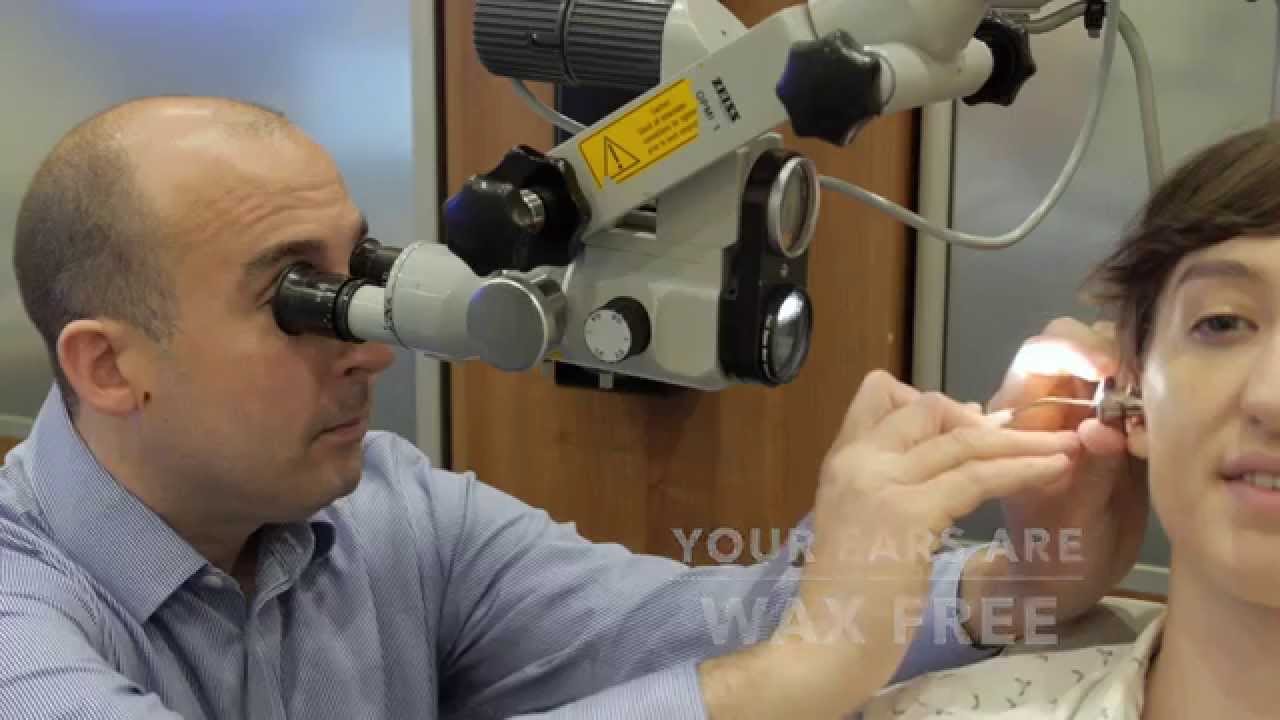
  • Blocked Ear Solutions Clinic Nearby: Find Relief Today!

    Blocked Ear Solutions Clinic Nearby: Find Relief Today!

    Experiencing blocked ears can be frustrating and uncomfortable, impacting your daily life and overall well-being. Whether it’s caused by earwax build-up, allergies, or other health issues, seeking professional help is crucial. Fortunately, numerous clinics offer effective solutions for blocked ears nearby. This article will not only guide you to these trusted establishments but also delve into the various methods available for relief.

    Blocked Ear Solutions Clinic Nearby: Find Relief Today!

    When searching for the best blocked ear solutions clinic nearby, it’s essential to consider factors such as service quality, expertise of staff, and patient reviews. Clinics like Specsavers ear wax removal for hearing aid users in Edgware and Boots ear wax extraction clinic in Edgware are known for their specialized services tailored to meet the needs of individuals with hearing aids. These clinics utilize advanced techniques such as micro suction to ensure safe and effective removal of earwax.

    Understanding Blocked Ears: Causes and Symptoms

    Blocked ears can result from various factors. Understanding these can help you determine when to seek medical advice:

    • Earwax Build-Up: The most common cause of blocked ears is excessive earwax accumulation.
    • Infections: Ear infections can lead to swelling and fluid buildup behind the eardrum.
    • Allergies: Allergic reactions can cause inflammation in the nasal passages, leading to blockage in the ears.
    • Changes in Pressure: Rapid altitude changes during flights or driving through mountains can cause temporary blockages.

    Common Symptoms to Watch For:

    • Muffled hearing
    • Earache or discomfort
    • Ringing sensation (tinnitus)
    • A feeling of fullness in the ear

    If you’re experiencing any of these symptoms, consider visiting a local clinic specializing in ear health.

    Finding Local Blocked Ear Solutions Reviews in Mill Hill

    When choosing a clinic, it’s advisable to read reviews from previous patients. Websites like Google Reviews and Yelp provide insights into others’ experiences https://www.earwaxremoval.net/microsuction-clinic-locations/edgware-private-microsuction-ear-wax-removal-edgware-from-50-in-north-london at various clinics like trusted ear wax build-up treatment clinics Edgware and local help for blocked ears clinic in my area. Look for comments regarding:

  • Professionalism of staff
  • Effectiveness of treatments
  • Overall satisfaction with the services provided
  • These reviews serve as valuable indicators of what you can expect.

    Top Services for Blocked Ears

    Here are some effective treatments available at various clinics:

    1. Micro Suction

    Micro suction is a popular method employed by professionals at clinics like Specsavers and Boots. It involves using a small vacuum-like device to gently remove excess wax without causing damage to the ear canal.

    2. Ear Irrigation

    This technique involves flushing out softened wax with warm water or saline solution under controlled conditions—a method typically performed by trained healthcare providers.

    3. Manual Removal

    In some cases, healthcare professionals may use specialized instruments for manual extraction of wax.

    FAQs About Blocked Ear Solutions

    Q1: How do I know if I need earwax removal?

    If you’re experiencing muffled hearing or discomfort that doesn’t improve on its own after a few days, it’s advisable to consult with an audiologist or visit a local clinic.

    Q2: Is micro suction safe?

    Yes! Micro suction is considered one of the safest methods for removing earwax when performed by trained professionals at reputable clinics like Specsavers or Boots.

    Q3: How often should I have my ears checked?

    It’s good practice to have your ears checked annually or whenever you experience symptoms indicative of blockages.

    Q4: Can I remove earwax myself?

    While there are over-the-counter products available, self-removal isn’t recommended due to risks such as pushing wax further into the canal or injuring your eardrum.

    Q5: Will my insurance cover earwax removal procedures?

    Most health insurance plans cover medically necessary procedures; however, it’s best to contact your provider directly for specifics regarding coverage policies related to blocked ear treatments.

    Q6: What should I expect during my first visit?

    During your initial consultation at any trusted clinic, you’ll undergo an examination where the healthcare provider will assess your condition before recommending appropriate treatment options tailored specifically for you.

    Conclusion

    Finding effective solutions for blocked ears is essential for maintaining optimal auditory health and comfort. With numerous reputable clinics around—such as Specsavers and Boots—you’re sure to find professional care that meets your needs. Remember always to consult healthcare professionals when experiencing persistent symptoms; they’ll provide you with safe and effective treatments tailored just for you!

    If you’re searching for relief from blocked ears today, visit one of these trusted clinics nearby! Don’t let discomfort hold you back any longer—take action now!

  • Hello world!

    Welcome to Www.northshoreorthopaedic.com. This is your first post. Edit or delete it, then start writing!