Blog

  • Disposable Hearing Aids: A Comprehensive Overview

    Last Updated on 23/06/2025 by Admin

    Discovering the Advantages of Disposable Hearing Aids: Are They the Right Choice for You?

    Uncovering the Financial Benefits of Choosing Disposable Hearing Aids

    When considering hearing aids, the financial implications can be daunting, particularly for those navigating strict financial constraints. Disposable hearing aids present a viable solution for individuals in need of hearing support without the hefty expenses typically associated with conventional, reusable models. Priced considerably lower, these devices offer accessibility to a broader audience, empowering those who may have previously hesitated to seek help due to financial barriers. For instance, many disposable options are available at a fraction of the cost of reusable counterparts, which can easily reach thousands of pounds. This affordability not only encourages individuals to address their hearing concerns promptly but also nurtures a culture of proactive management of hearing health.

    Beyond initial costs, the financial flexibility that disposable hearing aids provide can lead to significant long-term savings. Numerous users find that the upfront investment in disposable models offsets the recurring expenses associated with maintenance, repairs, and replacement parts generally linked to reusable devices. In regions where healthcare coverage for hearing aids is sparse, these disposable alternatives can act as a vital stopgap, dismantling financial obstacles that hinder individuals from seeking essential assistance for their hearing challenges. By lowering these barriers, more people are encouraged to seek help for hearing difficulties, ultimately enhancing their communication skills and elevating their overall quality of life.

    Moreover, the economic advantages of disposable hearing aids extend beyond the individual user to benefit the wider healthcare system. Increased access to affordable hearing solutions can lead to improved public health outcomes, thereby alleviating strain on healthcare resources. This is particularly crucial since untreated hearing loss can result in more serious health complications in the long run, such as cognitive decline and social isolation. By facilitating access to economical hearing aids, we can foster healthier communities and enhance overall societal well-being.

    Emphasising the Ease and Accessibility of Disposable Hearing Aids

    In our fast-paced modern world, convenience and accessibility are essential, especially when it comes to healthcare solutions. Disposable hearing aids offer a practical option for individuals in need of immediate support, as they are often readily available over-the-counter in pharmacies or online. This level of accessibility is crucial for those who may not have the luxury of time to attend multiple appointments for fittings and adjustments that traditional, reusable devices typically require. The simplicity of disposable aids allows users to start experiencing improved hearing capabilities instantaneously, providing a quick solution to their auditory challenges.

    Furthermore, the uncomplicated design of disposable hearing aids makes them particularly user-friendly, catering to individuals who may find more advanced hearing aids overly complex. This straightforward approach allows users to focus on enhancing their auditory experience without feeling overwhelmed by technology. This feature is especially advantageous for elderly users, as it can significantly boost their ability to engage in social interactions and maintain their independence.

    The global demand for accessible hearing solutions has increased, reflecting a larger trend towards user-centric designs in the hearing aid market. Countries around the world are increasingly recognising the importance of easily accessible hearing solutions, leading to innovative approaches that prioritise user experience. Whether through mobile applications that facilitate settings adjustments or streamlined designs focused on functionality, manufacturers are responding to the diverse needs of all users, particularly those with limited time or resources.

    Examining the Health and Hygiene Benefits of Disposable Hearing Aids

    Hygiene is a critical aspect of effective hearing aid use, yet it is often neglected in discussions surrounding functionality and performance. Disposable hearing aids stand out as practical alternatives that effectively address hygiene concerns by significantly lowering the risk of ear infections and other health complications that may arise from the reuse of devices. For users with chronic ear conditions or those prone to infections, switching to disposable models can be life-changing. Each new device offers a clean slate, eliminating the build-up of bacteria and earwax that can be problematic with reusable options.

    Additionally, the convenience of discarding these aids after a set period encourages better hygiene practices among users. Regularly replacing hearing aids fosters a routine of care, promoting a healthier auditory environment. In areas where healthcare resources are limited, this can lead to fewer hospital visits for ear-related issues, ultimately saving time and money for both individuals and healthcare systems.

    Moreover, the design of disposable hearing aids frequently incorporates hypoallergenic materials that are safe for prolonged use. Users can be confident that they are less likely to experience allergic reactions or skin irritations, which are commonly associated with traditional hearing aids. This aspect is particularly beneficial for individuals with sensitive skin or allergies, allowing them to utilise hearing aids comfortably and without adverse side effects.

    Evaluating the Potential Drawbacks of Disposable Hearing Aids

    Assessing the Environmental Impact of Disposable Hearing Aids

    Despite the affordability and convenience offered by disposable hearing aids, their environmental implications deserve careful scrutiny. The frequent disposal of these devices contributes to the growing issue of electronic waste (e-waste), which poses a significant challenge to global sustainability efforts. Each year, millions of hearing aids are discarded, adding to landfills and exacerbating pollution concerns. The materials used in the production of disposable hearing aids can cause long-term environmental damage if not managed responsibly.

    Consumers are becoming increasingly aware of their environmental footprints, leading to a shift towards eco-friendly products. Manufacturers are feeling the pressure to adopt sustainable practices that lessen the impact of their products on the planet. Some companies have begun to explore biodegradable materials or implement recycling programmes, allowing users to return their used devices rather than disposing of them. These initiatives can significantly mitigate the adverse effects associated with disposable hearing aids, fostering a more sustainable industry.

    Furthermore, the environmental consequences of disposable aids can contradict the growing consumer preference for sustainable products. As awareness of climate change and pollution increases, companies that do not adapt to environmentally friendly practices may face backlash, negatively affecting their reputation and sales. This necessitates a shift towards sustainable solutions that align with consumer values and expectations.

    Understanding the Limited Durability of Disposable Hearing Aids

    The limited lifespan of disposable hearing aids represents a considerable drawback for users seeking long-term solutions. Disposable hearing aids are suitable for temporary use; however, their lack of durability can be concerning for individuals requiring consistent hearing support. Typically designed for short-term use, many disposable models have a lifespan of only a few weeks to a couple of months, depending on usage patterns and environmental conditions. This short lifespan can lead to recurring costs that may accumulate over time, potentially surpassing the price of a reusable device.

    For individuals experiencing progressive hearing loss, the inflexibility of disposable aids can be particularly frustrating. As their hearing abilities evolve, users may find themselves frequently repurchasing new devices, which can be both time-consuming and financially burdensome. This limitation serves as a significant consideration for those who prefer a long-term investment in their hearing health and solutions.

    The necessity for frequent replacements also contributes to the environmental concerns mentioned earlier. Each disposal adds to e-waste, counteracting any immediate financial savings that users might initially experience. For consumers who prioritise sustainability, the prospect of contributing to landfill waste may overshadow the benefits of cost efficiency.

    Sound Quality Concerns with Disposable Hearing Aids

    Sound quality is crucial in the realm of auditory devices, and many users find that disposable hearing aids often fall short in terms of sound performance. These devices typically do not deliver the same high-fidelity sound quality that more advanced, reusable hearing aids provide. Users frequently report a lack of clarity, especially in challenging listening environments such as crowded restaurants or bustling streets. This limitation can lead to frustration and dissatisfaction, overshadowing the initial benefits of using disposable aids.

    For individuals who rely heavily on nuanced sound for effective communication, the shortcomings of disposable aids can present a significant barrier. Many users struggle to differentiate between various sounds, which can hinder their ability to engage fully in conversations. This issue is particularly pronounced among the elderly population, who may already face challenges with auditory processing and would benefit from devices that offer enhanced sound quality.

    Additionally, advancements in hearing aid technology have introduced sophisticated features such as noise cancellation and adaptive sound processing. Disposable hearing aids often lack these capabilities, leaving users with a more basic auditory experience. For those accustomed to the benefits of high-quality sound, reverting to a lower-quality device can feel like a significant setback, impacting their overall satisfaction with hearing solutions.

    Understanding the Demographics and Needs of Users

    Addressing the Unique Needs of the Elderly Population with Disposable Hearing Aids

    The elderly demographic represents a substantial market for hearing aids, and disposable hearing aids are specifically designed to meet their distinct requirements. Many seniors face financial limitations, making disposable aids an economical option for those on fixed incomes. Furthermore, the ease of use associated with these devices caters to seniors who may struggle with complex technology, enabling them to reclaim their hearing without the steep learning curve often linked to more advanced models.

    Immediate access to disposable hearing aids can also be a critical factor for elderly users. Many seniors experience sudden changes in their hearing abilities, either due to age-related decline or medical conditions. The ability to secure a hearing solution swiftly can prevent social isolation and enhance their quality of life, empowering them to engage more actively in social settings and maintain vital relationships.

    Moreover, disposable hearing aids can serve as a practical choice for elderly individuals who may not require constant or long-term hearing support. For instance, those who experience fluctuating hearing loss or temporary issues can benefit from the flexibility offered by disposable models, allowing them to manage their auditory needs without committing to a permanent solution.

    Supporting Individuals Experiencing Temporary Hearing Loss

    Not all hearing loss is permanent, and many individuals encounter temporary conditions due to illness or environmental factors. Disposable hearing aids provide practical solutions for those facing temporary hearing challenges, enabling them to regain their auditory capabilities without the long-term financial commitment associated with permanent devices. For example, individuals recovering from ear infections, colds, or other temporary ailments can utilise disposable aids to navigate their daily lives. This flexibility alleviates the need for substantial investments in long-term devices when their hearing may return to normal.

    In various regions, seasonal factors or environmental conditions can lead to temporary hearing loss. For instance, allergens during spring can cause congestion and muffled hearing for many individuals. Disposable hearing aids present a straightforward solution during such times, allowing users to adapt swiftly to their changing auditory needs.

    Additionally, people engaged in specific occupations or activities that may result in temporary hearing loss—such as construction workers or musicians—can greatly benefit from using disposable models. These aids allow them to safeguard their hearing during particularly loud events while providing a solution for when they encounter auditory difficulties.

    Catering to the Needs of Budget-Conscious Consumers

    In today’s economic landscape, many consumers are actively seeking affordable options across all aspects of life, including healthcare. Disposable hearing aids serve as practical solutions for budget-conscious individuals who require hearing assistance without the financial strain associated with traditional models. These aids present an excellent alternative for those looking to balance quality with affordability, making them an increasingly popular choice in the hearing aid market.

    Moreover, the escalating costs of healthcare have compelled many individuals to prioritise financial considerations over premium features and advanced technology. Disposable hearing aids cater to this demographic by delivering essential functions without the added costs tied to high-tech devices. This enables users to access necessary hearing assistance without jeopardising their financial stability.

    As awareness of hearing health continues to rise, so does the demand for accessible solutions that cater to diverse financial situations. Manufacturers are adapting to these needs by offering a range of disposable hearing aids that appeal to various budgets while maintaining quality. This adaptability ensures that individuals from all economic backgrounds have the opportunity to improve their hearing capabilities and overall quality of life.

    Convenience for Young Adults Leading Active Lifestyles

    Young adults today lead dynamic lives filled with activities that can impact their hearing. Disposable hearing aids provide practical solutions for younger individuals who may experience temporary hearing loss due to exposure to loud environments or recreational activities. Many young adults participate in events such as concerts, sports, or other social gatherings where noise levels can become overwhelming, leading to temporary auditory issues. Disposable hearing aids offer a convenient, cost-effective way to manage these challenges without the burden of expensive devices.

    Additionally, the fast-paced lifestyle of young adults often means they may not be able to commit to a long-term hearing solution. The flexibility offered by disposable aids allows them to adapt to changing circumstances without the constraints of permanent devices. This adaptability resonates particularly well with younger consumers, who frequently prioritise convenience and usability in their purchasing decisions.

    Furthermore, the emerging trend of health-consciousness among young adults has led to heightened awareness of the importance of hearing health. Many are actively seeking ways to protect their hearing while still enjoying their favourite activities. Disposable hearing aids can serve as an effective tool for this demographic, allowing them to manage their auditory needs without compromising their lifestyle.

    Technological Innovations in Disposable Hearing Aids

    Revolutionary Material Developments in Hearing Aid Design

    The landscape of disposable hearing aids is undergoing significant transformation, driven by technological advancements that enhance user experience. Innovative materials are at the forefront of this evolution, as manufacturers strive to improve comfort, durability, and functionality. Modern disposable hearing aids now incorporate lightweight, hypoallergenic materials tailored to cater to diverse user needs. These advancements not only elevate comfort but also ensure that users can wear their hearing aids for extended periods without discomfort or irritation.

    The introduction of moisture-resistant materials has emerged as a groundbreaking development in the hearing aid market. Many disposable aids are designed to withstand various environmental conditions, including humidity and sweat, which can significantly impact their performance. This enhancement is particularly beneficial for active users who engage in outdoor activities or reside in regions characterised by high humidity. The ability to wear a hearing aid without the fear of damage from perspiration fosters greater confidence and usability among users.

    Additionally, advancements in sound-proofing materials have led to improved sound insulation in disposable hearing aids. This development enhances sound quality, enabling users to navigate complex auditory environments with greater ease. As these materials continue to evolve, the performance gap between disposable and reusable hearing aids is narrowing, making them an increasingly attractive option for a diverse range of users.

    Advancements in Sound Technology for Superior Hearing Experiences

    The sound technology integrated into disposable hearing aids has seen remarkable advancements, allowing these devices to deliver sound quality that rivals that of traditional models. The incorporation of enhanced sound technology has optimised auditory experiences for users, making disposable hearing aids a practical choice for many. Innovations such as digital sound processing and noise reduction algorithms have enabled disposable aids to provide clearer, more accurate sound reproduction, significantly enhancing user satisfaction.

    Digital sound processing has revolutionised how sound is captured and transmitted, enabling greater customisation based on the user’s unique hearing profile. This technology assists users in adjusting to various listening environments, from quiet rooms to bustling streets, ensuring they can hear clearly regardless of circumstances. Enhanced sound technology is particularly beneficial for those with specific hearing loss patterns, facilitating a more tailored listening experience that meets diverse auditory needs.

    Moreover, advancements in directional microphones have further improved sound quality in disposable models. These microphones can focus on sounds coming from specific directions while filtering out background noise. This feature is essential for users who need to engage in conversations in noisy settings, enabling them to participate more fully in social interactions without straining to hear.

    As technology continues to progress, the capabilities of disposable hearing aids are expected to improve further, solidifying their status as a practical choice for various users. The ongoing focus on enhancing sound quality ensures that users can enjoy the benefits of modern hearing aids without the financial burden typically associated with traditional models.

    Integrating Smart Features into Disposable Hearing Aids

    The integration of smart technology into disposable hearing aids marks an exciting advancement in the industry, providing users with enhanced functionality and convenience. These devices are increasingly equipped with features such as Bluetooth connectivity, allowing users to connect their hearing aids to smartphones, tablets, and other smart technologies. This connectivity enables seamless audio streaming directly to their hearing aids, enriching the user experience for music, phone calls, and other media.

    Additionally, the incorporation of mobile applications allows users to customise their hearing experience in real time. These apps facilitate immediate adjustments to settings, empowering users to adapt quickly to changing environments. For instance, users can amplify specific frequencies based on their preferences, enhancing their ability to hear in crowded spaces or quieter settings. This convenience of adjusting settings via a smartphone app enhances user autonomy, allowing individuals to take control of their hearing health.

    Moreover, some disposable hearing aids are integrating advanced features such as fall detection and health monitoring, expanding their utility beyond traditional hearing assistance. These features can alert caregivers or family members in case of emergencies, adding an important layer of safety for users, particularly among the elderly population. The integration of smart features into disposable hearing aids represents a significant step forward in catering to the evolving needs of modern consumers.

    Current Trends in the Market and Changing Consumer Preferences

    Increasing Demand for Disposable Hearing Aid Solutions

    The hearing aid market is witnessing a significant shift in consumer preferences, with a growing demand for disposable options becoming evident across various demographics. Disposable hearing aids are emerging as practical solutions for many individuals seeking convenience and affordability. This trend is largely driven by a heightened awareness of hearing health and the necessity for accessible solutions, especially in populations that may have previously faced barriers to obtaining hearing assistance.

    As the consequences of untreated hearing loss become more recognised, more individuals are actively seeking solutions that fit their needs and lifestyles. The rising demand for disposable hearing aids reflects a broader trend toward user-centric healthcare solutions. The ability to purchase hearing aids easily, without the need for prescriptions or extensive fittings, aligns with the desires of modern consumers who value convenience and accessibility.

    Moreover, ongoing advancements in technology and design have led to a broader array of options available within the disposable hearing aid market. Manufacturers are responding to this demand by offering products that cater to various audiometric profiles and lifestyle needs, ensuring consumers can find disposable solutions that meet their specific requirements. This responsiveness to market trends underscores the essential role disposable hearing aids play in addressing the diverse needs of user populations.

    Responding to the Shift Towards Eco-Friendly Products

    A growing emphasis on sustainability is becoming evident across various industries, including healthcare. Consumers are increasingly mindful of their purchasing decisions, leading to a preference for eco-friendly products, including hearing aids. Disposable hearing aids are now being designed with sustainability in mind as manufacturers respond to this trend. The shift toward environmentally responsible practices is shaping the future of disposable hearing aids, encouraging manufacturers to explore biodegradable materials and recyclable options.

    This move toward eco-friendliness is not merely a market trend; it reflects a broader cultural movement that values sustainability. Many consumers are willing to invest in products that align with their values, even if it requires a higher upfront cost. The hearing aid industry is beginning to recognise this trend, prompting companies to innovate and create products designed to minimise environmental impact.

    Additionally, as awareness of e-waste and its implications grows, consumers increasingly demand responsible disposal options for their hearing aids. Many manufacturers are starting to implement take-back programmes or recycling initiatives, helping to reduce the environmental burden associated with disposable devices. This evolution not only benefits the planet but also enhances the appeal of disposable hearing aids in a market increasingly driven by consumer values.

    Personalisation: A Growing Expectation Among Consumers

    Individualisation is becoming a hallmark of consumer products, and hearing aids are no exception. Disposable hearing aids are increasingly designed with customisable features to meet the diverse needs of users. The ability to tailor settings allows users to adjust their hearing aids based on personal preferences and specific listening environments, significantly enhancing their overall auditory experience.

    Customisation options in disposable hearing aids can include adjustable amplification levels and specific frequency tuning, allowing users to control their auditory environment. This level of personalisation is particularly appealing to younger consumers who value technology that adapts to their lifestyles and preferences.

    Moreover, the integration of smart technology into disposable hearing aids has further expanded customisation capabilities. Many products now come equipped with applications that allow users to make adjustments in real-time, ensuring seamless adaptation to various situations. This user-centred approach not only increases satisfaction but also reduces the likelihood of users abandoning their hearing aids due to frustration with performance.

    As the trend toward customisation continues to evolve, manufacturers are likely to expand their offerings, ensuring consumers have access to options that fit their unique hearing profiles. This adaptability reinforces the practicality of disposable hearing aids in meeting the diverse needs of users worldwide.

    Regulatory and Safety Considerations for Disposable Hearing Aids

    Ensuring Compliance with Health and Safety Standards

    User safety is paramount in the hearing aid industry, and disposable hearing aids must comply with stringent health and safety standards. Regulatory bodies worldwide enforce strict guidelines to ensure these devices meet essential safety and quality requirements. Adherence to these standards helps protect users from potential harm and ensures the devices effectively provide auditory support.

    Manufacturers are required to conduct comprehensive testing during the development of disposable hearing aids to demonstrate their safety and efficacy. This testing process may involve evaluating materials for biocompatibility, assessing the functionality of sound technology, and ensuring that the devices can withstand various environmental conditions. Continuous monitoring of products is also necessary to maintain compliance with evolving health regulations.

    Moreover, consumers are becoming increasingly concerned about the safety of the products they use, placing pressure on manufacturers to prioritise compliance with health standards. The demand for safe and effective hearing solutions continues to rise, prompting manufacturers to invest in quality assurance measures and adhere to industry best practices. As a result, this emphasis on safety enhances consumer confidence in disposable hearing aids, encouraging their adoption.

    Understanding Disposal Regulations for Hearing Aids

    The environmental implications of disposable hearing aids extend beyond their usage; proper disposal of these devices is crucial to comply with environmental regulations and mitigate their impact on the planet. Many regions have established guidelines for the disposal of electronic waste, including hearing aids, to alleviate the adverse effects of e-waste on the environment.

    Consumers must be informed about appropriate disposal methods for disposable hearing aids to ensure they are not contributing to landfill waste. Many manufacturers are implementing take-back programmes that allow users to return their used devices for responsible recycling or disposal. These initiatives promote sustainability and enhance the reputation of manufacturers by showcasing their commitment to environmental responsibility.

    Furthermore, as awareness of the environmental impact of e-waste continues to grow, consumers are increasingly demanding products that align with sustainable practices. Manufacturers that prioritise proper disposal methods will likely gain a competitive edge in the market, appealing to environmentally conscious consumers. This shift highlights the importance of incorporating sustainability into every aspect of product development, from manufacturing to disposal.

    Implementing Quality Control Measures in Hearing Aid Production

    To ensure reliability and user satisfaction, manufacturers of disposable hearing aids must implement robust quality control measures throughout the production process. Rigorous testing at every stage of development helps identify potential issues before products reach the market, ensuring that users receive safe and effective devices. These measures are essential for maintaining compliance with health standards and building trust among consumers.

    Quality control encompasses various aspects of the manufacturing process, including material selection, production techniques, and final product inspection. Manufacturers must adhere to best practices and industry standards to guarantee the safety and performance of their hearing aids. This diligence is particularly important for disposable models, as their rapid turnover necessitates ongoing monitoring to ensure consistent quality.

    Additionally, consumers are increasingly aware of the importance of quality in the products they use. Consequently, manufacturers that prioritise quality control and transparency are more likely to build strong relationships with their customers. By demonstrating a commitment to excellence, companies can foster trust and loyalty among users, encouraging the adoption of their disposable hearing aids.

    Understanding Safety Certification Requirements for Hearing Aids

    The regulatory landscape surrounding disposable hearing aids necessitates that manufacturers obtain safety certifications to validate compliance with industry standards. These certifications serve as a mark of quality and safety, assuring consumers that the products they are purchasing meet stringent guidelines. Compliance with safety certification requirements is essential for building consumer confidence and trust in disposable hearing aids.

    Obtaining safety certifications involves rigorous testing and evaluation by accredited organisations. Manufacturers must demonstrate that their devices meet established safety and performance criteria, including materials used, functionality, and usability. This process helps protect users from potential health risks while ensuring that devices perform as intended.

    As consumers become increasingly discerning about the products they choose, the importance of safety certifications in the hearing aid industry cannot be overstated. Manufacturers that prioritise obtaining these certifications are likely to gain a competitive advantage, as consumers are more inclined to trust products backed by recognised safety standards. This emphasis on safety not only benefits users but also contributes to the overall credibility of the industry.

    Economic Influences on the Adoption of Disposable Hearing Aids

    Conducting a Comprehensive Cost-Benefit Analysis of Disposable Hearing Aids

    For many consumers, the decision to adopt disposable hearing aids often hinges on a thorough cost-benefit analysis. The initial lower cost of disposable models frequently attracts users who are hesitant to invest in more expensive, reusable devices. However, it is crucial for consumers to consider the long-term implications of their choices, including the frequency of replacement and ongoing expenses associated with disposable aids.

    Many individuals may initially perceive disposable hearing aids as a more cost-effective solution. However, when accounting for the necessity of regular replacements, the total financial impact can accumulate quickly. To make informed decisions, consumers must weigh their immediate budget constraints against their long-term hearing assistance needs. This analysis can help individuals determine whether the initial savings associated with disposable aids outweigh the potential drawbacks of limited durability and sound quality.

    Additionally, consumers should consider the value of quality in their decision-making process. While disposable hearing aids may provide short-term financial relief, investing in a high-quality reusable device may offer better long-term performance and satisfaction. Individuals with progressive hearing loss, in particular, may benefit from the adaptability and longevity offered by traditional hearing aids, ultimately leading to a more satisfactory auditory experience.

    The Influence of Insurance and Healthcare Coverage on Hearing Aid Adoption

    The availability of insurance and healthcare coverage for hearing aids significantly impacts consumer adoption patterns. In regions where disposable hearing aids are covered by insurance, their accessibility and affordability increase, making them a popular choice for individuals seeking hearing assistance. Conversely, limited coverage for traditional models may prompt consumers to consider disposable options as a viable alternative.

    Insurance plans that include coverage for disposable hearing aids can alleviate some of the financial burdens associated with hearing loss. Consumers may find that their out-of-pocket expenses are significantly reduced when using disposable models, allowing them to prioritise their hearing health without the stress of high costs. This accessibility can lead to increased adoption rates, as more individuals become aware of their options and the benefits of timely intervention.

    Moreover, as healthcare systems evolve, there is growing interest in expanding coverage for hearing health services. Policymakers and advocates are recognising the importance of addressing untreated hearing loss, which can lead to broader health complications and increased healthcare costs. As a result, there may be initiatives aimed at expanding insurance coverage for hearing aids, including disposable models, further driving adoption.

    Government Support and Incentives for Hearing Aid Adoption

    Government programmes providing financial incentives and subsidies play a vital role in influencing the adoption of hearing aids, especially disposable models. Disposable hearing aids can significantly benefit from supportive government policies aimed at improving access to hearing health services. By offering financial assistance or tax benefits for purchasing hearing aids, governments can enhance affordability, enabling more individuals to access the solutions they need.

    These initiatives can profoundly impact low-income populations and individuals with limited financial resources. By providing subsidies for hearing aids, governments can help bridge the gap in access to essential healthcare services. This approach not only enhances individual quality of life but also contributes to improved public health outcomes by addressing untreated hearing loss.

    Moreover, government support for hearing health initiatives can encourage manufacturers to innovate and develop more affordable solutions, including disposable hearing aids. As market demand grows, manufacturers are likely to respond by creating products that align with consumer needs while also adhering to sustainability principles. This symbiotic relationship between government support and industry innovation can lead to a more comprehensive approach to hearing health.

    Market Competition and Strategic Pricing in the Hearing Aid Industry

    The competitive landscape of the hearing aid market significantly influences consumer choices between disposable and reusable options. Disposable hearing aids benefit from aggressive pricing strategies employed by manufacturers looking to capture market share. As competition intensifies, companies are incentivised to innovate and offer products that cater to diverse consumer needs while maintaining affordability.

    Pricing strategies can shape consumer perceptions of value, prompting individuals to consider disposable aids as viable alternatives to traditional models. Many manufacturers are developing tiered pricing structures that cater to various budgets, ensuring that consumers can find options that meet their financial needs. This flexibility enables users to compare products based on features, quality, and cost, ultimately driving informed purchasing decisions.

    Additionally, promotional campaigns and marketing efforts can enhance the visibility of disposable hearing aids, attracting more consumers to consider these options. Manufacturers that prioritise consumer education and highlight the benefits of their products are likely to experience increased adoption rates. As competition continues to shape the market, the emphasis on affordability and accessibility will remain central to the ongoing evolution of hearing health solutions.

    Frequently Asked Questions About Disposable Hearing Aids

    What are disposable hearing aids?

    Disposable hearing aids are designed for short-term use, typically lasting a few weeks or months. These devices are affordable, user-friendly, and serve as immediate solutions for individuals experiencing hearing difficulties without requiring a long-term commitment.

    How do disposable hearing aids compare to reusable ones?

    While disposable hearing aids are generally more affordable and convenient, they may lack the advanced features and durability associated with reusable models. Users often find that sound quality and longevity are superior in traditional hearing aids.

    Are disposable hearing aids suitable for everyone?

    Disposable hearing aids are particularly beneficial for individuals experiencing temporary hearing loss, those on a budget, and seniors seeking easily accessible solutions. However, they may not be ideal for individuals with progressive hearing loss who require advanced technology.

    Can I use disposable hearing aids in noisy environments?

    Yes, disposable hearing aids can function in noisy environments, but they may not perform as effectively as higher-quality reusable models. Users might experience challenges in distinguishing sounds in particularly complex auditory situations.

    What is the proper way to dispose of disposable hearing aids?

    Proper disposal of disposable hearing aids is essential to minimise environmental impact. Many manufacturers offer take-back programmes that facilitate responsible recycling or disposal of used devices, ensuring they do not contribute to landfill waste.

    Are disposable hearing aids suitable for active lifestyles?

    Absolutely, disposable hearing aids are well-suited for active individuals, providing a convenient solution for temporary hearing loss without the worry of damaging expensive devices during physical activities.

    What hygiene benefits do disposable hearing aids provide?

    Disposable hearing aids significantly reduce the risk of ear infections and other health issues associated with the reuse of devices. Users can enjoy a clean, fresh device each time they replace it, promoting better ear health and hygiene.

    Are there environmental concerns associated with disposable hearing aids?

    Yes, the disposable nature of these hearing aids contributes to electronic waste, which poses environmental challenges. However, the industry is moving toward more sustainable practices and materials to address this issue responsibly.

    What advancements are currently being made in disposable hearing aids?

    Advancements in disposable hearing aids include improved sound technology, integration of smart features, and the use of innovative materials that enhance comfort and performance for users, making them more effective than ever.

    How can I choose the right disposable hearing aid for my needs?

    Selecting the right disposable hearing aid involves considering factors such as sound quality, comfort, and price. Consulting with a hearing healthcare professional can provide valuable guidance tailored to your specific auditory needs.

    Explore our world on X!

    The post Disposable Hearing Aids: A Practical Universal Perspective appeared first on The Microsuction Ear Wax Removal Network.


  • Hearing Aids: Improving Life for Older Adults

    Uncover the Remarkable Advantages of Hearing Aids for Seniors

    Improve Your Communication Abilities with Hearing Aids

    Elderly person smiling, engaged in conversation at family gathering, wearing modern hearing aids.

    Experiencing hearing loss creates an unseen barrier that can significantly hinder elderly individuals’ ability to communicate effectively with their family, friends, and the wider community. The importance of how hearing aids support aging populations is highlighted by their incredible ability to enhance communication skills. For many seniors, engaging in conversations can become increasingly challenging, often resulting in feelings of frustration and emotional isolation. Hearing aids serve to amplify sounds and clarify speech, enabling older adults to participate actively in discussions, whether during a joyous family gathering or casual meet-ups with friends. This enhancement in communication transcends just hearing; it’s fundamentally about re-establishing connections with loved ones and fully engaging in life’s experiences.

    The benefits of using hearing aids are profound; studies have shown that seniors who utilise these devices report significantly improved relationships with their family members. This enhanced engagement fosters deeper emotional connections and reduces the risk of mental health issues related to social isolation. When older adults can accurately hear and respond in conversations, they feel valued and included, greatly enriching their overall quality of life. Improved interpersonal relationships through enhanced communication can lead to a more fulfilling social existence, demonstrating the essential role hearing aids play in promoting emotional wellness among the elderly.

    Furthermore, effective communication is vital for managing healthcare appointments efficiently. When seniors can hear their healthcare providers clearly, they are more likely to comprehend their health conditions, treatment options, and necessary follow-up actions. This understanding empowers them to take a more proactive role in their healthcare journey, encouraging a healthy and graceful approach to ageing. Hence, the significance of hearing aids extends well beyond mere sound amplification; they are indispensable tools for enhancing the overall health and well-being of older adults.

    Enhance Your Social Interaction with Hearing Aids

    Social engagement is a critical element of mental and emotional well-being, particularly for the elderly. The introduction of hearing aids substantially boosts social interaction by allowing seniors to hear conversations, music, and ambient sounds in various settings, including cafes and community centres. This increased auditory clarity not only encourages greater participation in social activities but also contributes to a vibrant and active lifestyle, which is essential for maintaining mental health.

    Seniors experiencing hearing loss often withdraw from social engagements, amplifying feelings of loneliness and depression. However, with the support of hearing devices, many older adults rediscover opportunities to connect, share experiences, and enjoy communal activities. Whether participating in group exercises, attending religious services, or simply enjoying a family dinner, hearing aids facilitate meaningful interactions that effectively counteract social withdrawal. Engaging in these social settings fosters a sense of belonging and community, essential for emotional health and wellbeing.

    Cultural contexts also play a pivotal role in social interactions. In numerous cultures around the globe, gatherings often revolve around storytelling and music, highlighting the significance of auditory connections. The ability to participate in these cultural traditions can significantly enrich an elderly person’s sense of identity and belonging, further amplifying the advantages of improved hearing through devices. Thus, hearing aids not only enhance auditory clarity but also strengthen cultural ties and social engagement.

    Promote Your Safety Awareness with Hearing Aids

    As individuals age, prioritising safety becomes increasingly crucial, particularly as hearing loss can limit awareness of the surrounding environment. Hearing aids are vital tools in enhancing situational awareness, enabling seniors to react effectively to critical sounds such as alarms, traffic, or even the voices of caregivers. This heightened awareness significantly diminishes the risk of accidents and injuries, creating a safer living environment for older adults.

    In urban areas, the ability to hear approaching vehicles or notifications from public transport systems is essential. For seniors, navigating their neighbourhoods safely is key to maintaining independence and confidence while moving about. Additionally, many modern hearing aids now include innovative features like directional microphones, which help users focus on specific sounds in noisy environments, further enhancing their safety and awareness.

    Moreover, maintaining awareness of one’s surroundings is crucial during emergencies. In situations where immediate attention is necessary, such as hearing a fire alarm or someone calling for help, having a hearing aid can prevent seniors from becoming vulnerable. This aspect of how hearing aids support aging populations underscores their role in promoting independence and overall well-being, ensuring that seniors can live confidently and safely.

    Support Your Cognitive Function with Hearing Aids

    Elderly man with hearing aids in lively family conversation, demonstrating improved cognitive function.

    Cognitive decline presents a significant challenge for aging populations, and emerging research increasingly supports the notion that hearing aids can play a crucial role in preserving cognitive health. Engaging in conversations and social interactions provides essential mental stimulation necessary for cognitive vitality. By improving auditory input, hearing aids assist seniors in maintaining mental engagement, leading to enhanced cognitive function and overall health.

    Studies suggest that seniors who utilise hearing aids experience slower rates of cognitive decline compared to those who do not. Actively participating in discussions and comprehending surrounding sounds keeps the brain engaged, thereby reducing the risk of conditions such as dementia. This correlation underscores the substantial impact of auditory health on mental wellness, positioning hearing aids as essential tools in the battle against cognitive deterioration and decline.

    Moreover, the act of actively listening and processing information can enhance memory retention and critical thinking capabilities. For seniors, this means not only remaining socially connected but also maintaining mental agility and sharpness. Cognitive health is closely tied to overall well-being, making the adoption of hearing aids a proactive measure for sustaining a healthy mind as one ages. This highlights the multifaceted benefits of hearing aids in supporting the elderly population.

    Delve into the Latest Technological Innovations in Hearing Aids

    Experience Superior Sound Quality with Digital Signal Processing

    The evolution of hearing aids has been nothing short of transformative, primarily driven by advancements in digital signal processing (DSP) technology. Unlike traditional analog devices, contemporary hearing aids employ sophisticated DSP to significantly enhance sound quality. This innovative technology allows for real-time adaptations to various listening environments, enabling seniors to hear more effectively in a range of settings, from bustling restaurants to calm living rooms.

    DSP technology meticulously analyses incoming sound waves and customises amplification to enhance specific frequencies that may pose challenges for the user. This means seniors can enjoy richer and more immersive sound experiences, whether they are listening to music, attending a concert, or engaging in lively conversations. The clarity provided by DSP can dramatically transform how seniors interact with their surroundings, leading to a more fulfilling auditory experience.

    Additionally, many modern hearing aids are equipped with automatic adjustments, seamlessly adapting to varying noise levels without requiring manual intervention. For instance, transitioning from a tranquil home environment to a vibrant social event can occur smoothly, as the hearing aids intelligently modify settings to optimise the listening experience. This feature alleviates the cognitive load on users, allowing them to concentrate on enjoying the moment rather than fiddling with complicated settings.

    Effortlessly Connect with Wireless Technology

    Elderly person smiling, using Bluetooth hearing aids connected to smartphone, enjoying music with wireless signals and sound waves.

    The integration of wireless technology in hearing aids represents a significant breakthrough that immensely enhances the user experience. Many modern devices now come equipped with Bluetooth capabilities, enabling seniors to connect their hearing aids directly to smartphones, televisions, and other audio devices. This connectivity streamlines communication and entertainment options, creating a more inclusive and enjoyable environment for users.

    For instance, seniors can take phone calls directly through their hearing aids, eliminating the need to hold the phone to their ear. This convenience not only improves clarity but also reinforces independence, allowing users to remain engaged without the hassle of traditional phone usage. Streaming music, podcasts, and other audio content directly into their hearing aids enhances leisure activities, making it easier for seniors to enjoy their favourite media without straining to hear.

    Moreover, this wireless connectivity opens up opportunities for remote support and adjustments, allowing audiologists to fine-tune settings without requiring in-person visits. Users benefit from personalised adjustments based on their needs, ensuring a customised hearing experience that adapts to their evolving lifestyles. The interconnectedness of technology significantly enhances overall quality of life, showcasing yet another way how hearing aids support aging populations.

    Enjoy the Convenience of Rechargeable Batteries

    Battery life can often be a concern for hearing aid users, especially for seniors who may struggle with frequent replacements. Recent advancements have introduced rechargeable battery technology, providing a game-changing solution that simplifies usage. Modern hearing aids equipped with rechargeable batteries eliminate the hassle of changing small batteries and offer extended usage time, which is particularly critical for active seniors.

    Rechargeable hearing aids typically last an entire day on a single charge, with many models featuring straightforward overnight charging solutions. Users simply place their devices in a charging station, ensuring they wake up to fully powered aids each morning. This convenience encourages consistent use, as seniors no longer have to worry about carrying spare batteries or fidgeting with tiny components that can be challenging to handle.

    The eco-friendly aspect of rechargeable batteries also appeals to environmentally-conscious individuals. By reducing battery waste, users contribute positively to sustainability efforts. These advancements not only enhance the practicality of hearing aids but also promote a more seamless integration into the daily lives of elderly users, reinforcing the benefits of adopting modern hearing solutions.

    Experience Enhanced Sound Clarity with Noise Cancellation Technology

    In an increasingly noisy world, the ability to filter out background sounds can provide remarkable benefits for seniors relying on hearing aids. Noise cancellation technology has advanced significantly, enabling devices to differentiate between desirable sounds and distracting noise, resulting in clearer speech comprehension. This feature is particularly valuable in crowded environments where following conversations can be challenging and overwhelming.

    By focusing on specific frequencies associated with speech while dampening background noise, hearing aids equipped with this technology can significantly enhance communication in social settings. For example, during family gatherings where multiple conversations occur simultaneously, users can easily tune in to the voice of a loved one, making for more enjoyable interactions and shared moments.

    Additionally, this technology enables seniors to navigate public spaces such as restaurants, parks, or community centres without feeling overwhelmed by auditory distractions. The ability to hear more clearly in these environments fosters confidence and encourages social interaction, which is essential for mental well-being. The innovation behind noise cancellation technology in hearing aids illustrates yet another compelling way how hearing aids support aging populations, enriching their everyday auditory experiences.

    Customise Your Hearing Experience with Adjustable Sound Settings

    The needs of hearing aid users are as diverse as the individuals themselves; hence, customizable sound settings are a vital feature of modern devices. Many hearing aids allow users to adjust amplification levels, frequency responses, and sound profiles according to personal preferences and specific hearing challenges. This level of customization ensures that each user can fine-tune their auditory experience to suit their unique lifestyles.

    For instance, a senior may require different settings for watching television compared to socialising in a bustling café. Customisable sound settings empower users to create profiles tailored to these various environments, ensuring seamless transitions between different auditory experiences. This adaptability is crucial for maintaining an active social life, as it helps seniors engage effectively across a wide range of activities and social situations.

    Moreover, advancements in smartphone applications allow users to manage these settings conveniently from their devices. With just a few taps, adjustments can be made on-the-go, ensuring that seniors have control over their hearing experience whenever and wherever needed. This level of personalisation not only empowers users but also enhances their confidence in navigating both familiar and new environments, showcasing the versatility of modern hearing aids.

    Appreciate the Influence of Hearing Aids on Mental Health

    Reduce the Risk of Depression through Enhanced Hearing

    The connection between hearing loss and mental health is increasingly acknowledged, with research indicating that untreated hearing loss can result in elevated rates of depression and anxiety. Seniors facing communication challenges often experience feelings of isolation, which can lead to emotional distress. By significantly improving auditory input, hearing aids help mitigate many of these risks, leading to better mental health outcomes.

    Utilising hearing aids enables seniors to engage in conversations and social activities, substantially reducing feelings of loneliness. As they reconnect with family and friends, positive social interactions help combat depressive symptoms. Studies reveal that those who utilise hearing aids report higher levels of happiness and life satisfaction, emphasising the emotional benefits of enhanced hearing and the necessity of seeking auditory solutions.

    Furthermore, participation in group activities and community events becomes more accessible with improved hearing. Seniors are more inclined to join classes, clubs, or volunteer opportunities, all of which foster valuable social connections that promote overall mental well-being. This reinforces the significance of how hearing aids support aging populations by facilitating enriching social experiences that enhance emotional health.

    Safeguard Your Cognitive Function with Hearing Aids

    Cognitive decline is a major concern as individuals age, and emerging evidence suggests that hearing aids may play a crucial role in preserving cognitive function. The brain requires stimulation to maintain optimal health, and engaging in conversation is a vital component of this mental exercise. By improving hearing, seniors can participate more actively in discussions, keeping their minds sharp and engaged.

    Research indicates that individuals with hearing loss who use hearing aids experience slower cognitive decline rates compared to those who do not. This protective effect underscores the importance of auditory health in relation to cognitive longevity. Engaging with others, whether through storytelling or casual chats, fosters neural connections and cognitive resilience, showcasing the profound impact of hearing aids on mental acuity and health.

    Moreover, the mental effort required to follow conversations when hearing is impaired can lead to cognitive fatigue. Hearing aids alleviate this strain, allowing seniors to engage with less effort. This improvement not only enhances their immediate social experiences but also contributes to long-term cognitive health. The interplay between auditory clarity and cognitive function illustrates another significant way how hearing aids support aging populations in maintaining their mental faculties.

    Enhance Your Emotional Well-being with Hearing Aids

    Improved hearing through the use of hearing aids has a direct and positive impact on emotional health. The ability to connect with others fosters a sense of belonging and value, which are vital elements of emotional well-being. Seniors who can fully engage in conversations experience increased feelings of self-worth and confidence, essential for maintaining mental health.

    Additionally, the empowerment derived from the ability to hear and engage effectively can inspire positive outlooks on life. Many seniors report feeling more socially active and less withdrawn when using hearing aids, significantly enhancing their overall happiness. This emotional uplift contributes to a more fulfilling and engaged lifestyle, illustrating the multifaceted benefits of improved hearing on mental health.

    The psychological advantages of using hearing aids extend beyond mere auditory improvements. As seniors navigate their social landscapes with confidence and clarity, they are more likely to cultivate meaningful relationships and enjoy their lives to the fullest. This highlights the essential role of hearing aids in promoting emotional health, ultimately demonstrating the profound ways how hearing aids support aging populations in leading happier lives.

    Investigate Accessibility and Affordability of Hearing Aids

    Understand Your Insurance Coverage Options for Hearing Aids

    Access to hearing aids has traditionally been a challenge for many seniors due to financial constraints. However, growing awareness of the importance of auditory health has led to changes in insurance coverage policies. Many health insurance plans now provide varying degrees of coverage for hearing aids, making these essential devices more accessible to aging populations.

    Understanding the intricacies of insurance coverage can empower seniors to seek the assistance they need. By researching policies and engaging with insurance representatives, individuals can identify options that may alleviate the financial burden associated with hearing aids. This knowledge is particularly beneficial as it encourages seniors to take charge of their hearing health and explore available resources that can help them afford these life-enhancing devices.

    Additionally, some government programs offer subsidies for hearing aids and related services, further assisting those in need. These initiatives underscore the recognition of hearing health as a crucial component of overall wellness, ensuring that seniors can obtain the devices necessary for improved communication and enhanced quality of life.

    Discover Government Assistance Programs for Hearing Aids

    A variety of government assistance programs exist to help alleviate the financial strain associated with obtaining hearing aids. Programs at both local and national levels aim to support seniors, ensuring that they have access to the auditory tools necessary for maintaining a quality life. Eligibility criteria may vary, but many programs are designed to assist low-income individuals, veterans, and those with specific health conditions.

    These initiatives can significantly reduce costs, allowing seniors to acquire hearing aids without confronting overwhelming financial burdens. In some instances, programs may offer free or low-cost evaluations, fittings, and follow-up services, providing comprehensive support for users. The existence of such programs underscores the commitment to enhancing auditory health as a public health priority, ensuring that seniors receive the care they deserve.

    Furthermore, community organisations may also provide resources and support for seniors navigating this landscape. By connecting with local groups or non-profits focused on hearing health, individuals can access valuable information regarding available assistance, ensuring they can make informed decisions about their hearing care and enhance their quality of life.

    Shop for Over-the-Counter Hearing Aids

    In recent years, the availability of over-the-counter (OTC) hearing aids has revolutionised access for seniors. This development introduces a more affordable option for those who may not qualify for insurance coverage or government assistance. OTC hearing aids allow individuals to purchase devices without needing a prescription or audiologist consultation, significantly lowering the barrier to entry.

    This enhanced accessibility empowers seniors to take charge of their hearing health, enabling them to seek solutions at their own pace. With this newfound independence, many older adults are exploring the benefits of hearing aids and acknowledging the positive impacts on their communication and social interactions, enhancing their overall well-being.

    However, it is essential for seniors to approach OTC options with caution. While these devices can be effective, they may not address specific hearing needs as comprehensively as customised solutions provided through audiologists. Therefore, seniors are encouraged to conduct thorough research and, when possible, consult with professionals to identify the most suitable OTC options for their unique hearing challenges.

    Customization and Comfort in Hearing Aids

    Experience Tailored Sound Settings for Optimal Hearing

    Personalisation is a crucial factor in the successful use of hearing aids, and tailored sound settings allow users to experience sound in a manner that best fits their needs. Many modern hearing aids come equipped with advanced features that enable individualized adjustments, which can be critical in ensuring optimal performance and user satisfaction.

    Seniors often encounter diverse environments throughout their daily lives, each requiring different sound settings. For instance, the auditory demands of a quiet library differ significantly from those of a lively family gathering. Tailoring sound settings to these environments empowers users to hear their best, regardless of the situation, greatly enhancing their interaction and enjoyment of social activities.

    Additionally, many hearing aids can capture user preferences over time, learning which settings work best for specific situations. This adaptive technology ensures that seniors have an effortless hearing experience, allowing them to focus on conversation and connection without the burden of constant technical adjustments. Such customisation not only enhances the effectiveness of hearing aids but also encourages sustained usage, leading to a richer and more fulfilling lifestyle.

    Enjoy the Ergonomic Design of Modern Hearing Aids

    Comfort is a crucial consideration when it comes to hearing aids, particularly for seniors who may be wearing them for extended periods. Modern hearing aids are designed with ergonomics in mind, ensuring a comfortable fit that accommodates the unique anatomy of each individual’s ear. This thoughtful design reduces the likelihood of discomfort, allowing users to wear their aids for longer durations without irritation.

    Options such as behind-the-ear and in-the-ear models allow users to select devices that best suit their preferences and lifestyles. The lightweight materials and streamlined designs make these aids nearly imperceptible, reducing any stigma associated with wearing them and enabling seniors to move freely without distraction. The emphasis on comfort is crucial, as it encourages consistent use, which is essential for maximising the benefits of hearing aids.

    In addition to fit, many manufacturers offer customisable features like soft ear tips and adjustable bands to ensure that users can find the perfect fit for their needs. This focus on comfort ultimately enhances the overall experience of wearing hearing aids, showcasing yet another way how hearing aids support aging populations in achieving auditory clarity and comfort.

    Navigate with User-Friendly Controls

    A significant aspect of hearing aid technology is the emphasis on user-friendly controls. Simplified interfaces and intuitive designs make it easier for seniors to navigate settings and features without feeling overwhelmed. Many modern hearing aids come with clear buttons or touch sensors, allowing users to make real-time adjustments quickly and effectively.

    This ease of use is particularly beneficial for seniors who may not be as tech-savvy. By having a straightforward control system, they can feel more confident in managing their hearing aids, promoting consistent wear and engagement with the world around them. This user-friendly approach is complemented by detailed instructions and support materials, ensuring that seniors can access assistance whenever necessary and enhancing their overall experience.

    Incorporating technology in a way that prioritises usability helps bridge the gap for aging populations, making hearing aids more accessible and less intimidating. As seniors gain confidence in using their devices, they can fully embrace the auditory empowerment that hearing aids provide, fostering a more connected and enriched lifestyle.

    Enhance Comfort with Adjustable Features

    Comfort features in hearing aids extend beyond fit; they also include adjustable options designed to enhance the overall user experience. Many models now offer customisable features such as soft ear tips that conform to the shape of the user’s ear and adjustable bands that provide a snug yet comfortable fit.

    These features ensure that seniors can wear their hearing aids for extended periods without discomfort. By prioritising comfort, manufacturers recognise the significance of long-term wear, which is essential for maximising the benefits of hearing aids. When seniors can comfortably wear their devices throughout the day, they increase their likelihood of engaging in social activities, thereby enhancing their overall quality of life.

    Furthermore, many hearing aids come with programmable settings that allow users to adjust comfort levels based on different environments. For instance, a senior may prefer a looser fit while at home but a tighter fit during outdoor activities. This adaptability ensures that users can enjoy their hearing aids without compromising on comfort or auditory clarity, further illustrating the advancements in hearing aid technology.

    Utilise Personalised Program Settings for Optimal Hearing

    Personalised program settings offer a tailored auditory experience that accommodates the diverse environments seniors encounter daily. Many hearing aids allow users to save multiple settings based on specific situations, such as dining with friends, attending a concert, or enjoying a quiet evening at home.

    This personalisation is crucial, as it empowers seniors to create hearing profiles that suit their lifestyles. For example, a program specifically designed for a noisy restaurant can emphasise speech clarity while minimising background distractions. As a result, users can remain engaged in conversations without the frustration of competing sounds, enhancing their overall social experience.

    Moreover, the ability to switch between these personalised settings with ease ensures that seniors can adapt to different situations effortlessly. Whether it’s a gathering with family or a quiet moment at home, having tailored settings significantly enhances the overall auditory experience, making it more enjoyable and fulfilling. Many modern devices offer smartphone applications that enable users to manage these settings conveniently, further empowering seniors to tailor their hearing experience to their needs.

    Ensure Professional Support and Maintenance for Optimal Performance

    Schedule Audiologist Consultations for Comprehensive Hearing Care

    Regular consultations with audiologists are vital for ensuring that hearing aids function optimally and meet the user’s specific needs. Audiologists provide comprehensive assessments, helping seniors understand their hearing loss and the best strategies to manage it. These consultations can lead to personalised hearing solutions tailored to individual preferences and lifestyle requirements, maximising the effectiveness of the devices.

    During check-ups, audiologists can make necessary adjustments based on user feedback, ensuring that settings are optimally configured for the user’s environment and hearing preferences. This ongoing support contributes to the longevity and effectiveness of hearing aids, as adjustments can be made to accommodate changes in hearing ability over time. Regular check-ins also provide seniors with opportunities to ask questions and receive guidance on using their devices effectively.

    Moreover, audiologists serve as invaluable resources for seniors seeking information about advancements in technology, new products, and emerging trends in hearing health. By staying informed and engaged with their audiologist, seniors can maximise the benefits of their hearing aids, leading to improved overall quality of life and a more connected existence.

    Utilise Cleaning and Maintenance Services for Longevity

    Proper cleaning and maintenance of hearing aids are essential for ensuring their longevity and effectiveness. Dust, moisture, and wax can accumulate in hearing aids, impacting sound quality and overall performance. Many audiologists and hearing aid providers offer professional cleaning services, which are crucial for maintaining device functionality and ensuring optimal auditory experiences.

    These services typically include thorough cleaning of components, checks for any damage, and necessary updates to settings. Regular maintenance helps prevent minor issues from escalating into significant problems, ensuring that seniors can rely on their hearing aids when they need them most. With professional support, users can have peace of mind knowing that their devices are in optimal condition.

    Additionally, many manufacturers provide user-friendly cleaning kits and instructions for at-home maintenance. Seniors can learn how to clean and care for their devices, ensuring optimal performance between professional cleanings. This knowledge empowers users to take an active role in their hearing health, reinforcing the importance of consistent maintenance and care to extend the lifespan of their hearing aids.

    Access Troubleshooting and Repair Services for Quick Solutions

    Access to quick and efficient troubleshooting and repair services is crucial for maintaining the usability of hearing aids. Hearing aids, like any electronic devices, may encounter technical difficulties or require adjustments over time. Having reliable support allows seniors to resolve issues promptly, ensuring they can continue to enjoy the benefits of improved hearing without prolonged disruptions.

    Many audiology clinics offer walk-in services for troubleshooting common problems, including battery replacements, software updates, and minor repairs. This accessibility is especially beneficial for seniors, as it provides peace of mind, knowing that assistance is readily available when needed. Quick service options ensure that seniors can maintain their devices without significant delays, promoting continuous use.

    Additionally, some manufacturers have introduced remote troubleshooting services, enabling audiologists to diagnose and resolve issues without requiring an in-person visit. This approach not only saves time but also enhances accessibility, as seniors can receive support from the comfort of their homes. By ensuring that seniors have access to effective troubleshooting and repair solutions, the hearing aid experience becomes smoother and more reliable, further enhancing their overall quality of life.

    Encouraging Hearing Aid Adoption Among Seniors

    Implement Education and Awareness Campaigns

    One of the greatest challenges in encouraging seniors to adopt hearing aids is a lack of awareness regarding the benefits of improved auditory health. Education and awareness campaigns play a vital role in informing seniors about the advantages of hearing aids, helping them understand the significant impact these devices can have on their quality of life.

    Community organisations, healthcare providers, and advocacy groups can collaborate to create informative resources that highlight the benefits of hearing aids. Workshops, seminars, and informational pamphlets can provide seniors with insights into how hearing aids improve communication, social interaction, and overall well-being, addressing common misconceptions and fears.

    Moreover, sharing personal stories from those who have successfully integrated hearing aids into their lives can serve as powerful motivators. Hearing testimonials from peers can resonate deeply with seniors, illustrating the transformative impact that enhanced hearing can have on daily experiences. By fostering a supportive environment and promoting awareness, communities can inspire seniors to seek help for their hearing loss.

    Foster Family and Community Support

    Support from family and community members can significantly influence a senior’s decision to adopt hearing aids. Encouraging conversations about hearing health within families can create a supportive atmosphere that normalises the use of hearing aids. When seniors see their loved ones advocating for auditory health, they may feel less apprehensive about seeking assistance and more inclined to address their hearing issues.

    Community initiatives that facilitate group discussions and workshops can also cultivate an environment of support. By creating spaces where seniors can share their experiences and concerns, communities reinforce the message that seeking help for hearing loss is not only acceptable but beneficial. This encouragement can empower seniors to take proactive steps towards improving their hearing health.

    Family members can play a crucial role in accompanying seniors to audiologist appointments and helping them understand their options. This hands-on support can alleviate anxiety and empower seniors to make informed decisions about their hearing health. Ultimately, fostering strong family and community support networks can enhance the overall adoption of hearing aids among seniors, ensuring that the benefits of improved hearing are accessible to all.

    Promote Accessible Hearing Aid Technology

    To encourage adoption, hearing aid manufacturers are increasingly focusing on creating user-friendly devices that cater to the varying levels of tech-savviness among seniors. By designing straightforward interfaces with clear instructions, manufacturers can make the transition to using hearing aids more seamless for older adults.

    Features such as large buttons, intuitive touchscreens, and simplified app navigation can provide a more accessible user experience. This design consideration can alleviate concerns that seniors may have regarding technology, encouraging them to explore the benefits of hearing aids without feeling overwhelmed by complicated features.

    Additionally, providing clear educational materials and customer support can enhance the learning curve for seniors. Whether through video tutorials, printed guides, or one-on-one consultations, ensuring that users feel comfortable with their devices is essential for successful adoption. By prioritising accessibility in design and support, manufacturers can remove barriers to hearing aid usage and empower seniors to embrace this vital technology.

    Highlight Financial Assistance Programs

    Financial assistance programs can significantly impact the adoption of hearing aids among seniors, making these essential devices more affordable. Various organisations, both governmental and non-profit, offer subsidies or discounts to help eligible seniors cover the costs associated with hearing aids.

    Awareness of these financial assistance options is crucial for seniors who may be hesitant to invest in hearing aids due to cost concerns. Outreach initiatives can help inform seniors and their families about available programs, ensuring they have access to the resources necessary to obtain these life-enhancing devices without undue financial strain.

    Moreover, partnerships between hearing aid manufacturers and financial assistance organisations can create bundled packages that provide comprehensive support. By offering discounted rates for devices along with continued maintenance and support, seniors can experience a more affordable pathway to better hearing. The availability of financial assistance can empower seniors to prioritise their auditory health without excessive financial burden, fostering a healthier aging population.

    Frequently Asked Questions About Hearing Aids

    What are the key benefits of hearing aids for seniors?

    The primary benefits include enhanced communication, improved social interaction, increased safety awareness, and boosted cognitive function, all contributing to a higher quality of life for seniors.

    How do hearing aids assist with cognitive decline?

    Hearing aids stimulate engagement in conversations, providing the mental exercise needed to slow cognitive decline and reduce the risk of dementia in seniors.

    Are there financial assistance programs available for hearing aids?

    Yes, various government and non-profit programs offer subsidies or discounts for seniors, making hearing aids more accessible and affordable.

    What technological advancements have been made in hearing aids?

    Modern hearing aids feature digital signal processing, wireless connectivity, rechargeable batteries, noise cancellation, and customizable sound settings to enhance user experience.

    How often should seniors schedule audiologist appointments after getting hearing aids?

    Regular consultations with an audiologist are recommended every 6 to 12 months to ensure optimal performance and necessary adjustments.

    Can hearing aids be adjusted for different environments?

    Yes, many modern hearing aids allow for customizable settings to optimise hearing in various environments, from quiet spaces to noisy gatherings.

    What role do family members play in supporting seniors with hearing aids?

    Family members can encourage seniors to seek help, accompany them to audiologist appointments, and provide emotional support throughout the process.

    How can seniors learn to use their hearing aids effectively?

    Seniors can benefit from educational resources, workshops, and direct support from audiologists to understand how to use and maintain their hearing aids.

    Are over-the-counter hearing aids effective for seniors?

    Over-the-counter hearing aids can be effective for some users, but they may not provide the same level of customisation and support as professionally fitted devices.

    How do hearing aids influence mental health?

    Hearing aids can reduce feelings of isolation and depression by improving communication and social interaction, ultimately enhancing overall mental well-being.

    Explore more with us on X!

    The post Hearing Aids: Enhancing Quality of Life for Aging Populations appeared first on The Microsuction Ear Wax Removal Network.
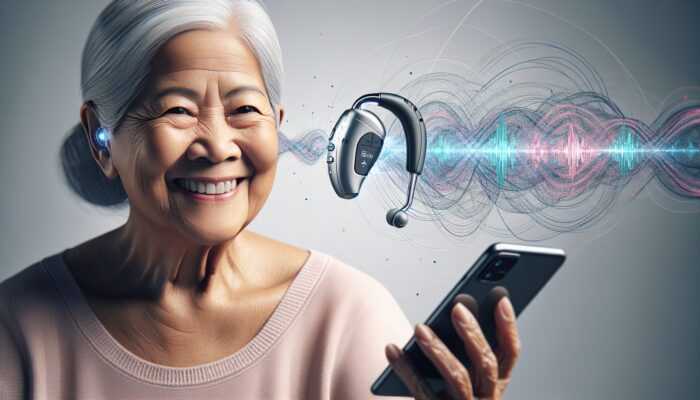
  • Hearing Loss in Children: Exploring Its Distinct Impact

    Last Updated on 22/06/2025 by Admin

    Exploring the Communication Barriers Created by Hearing Loss in Children

    Strategies for Boosting Speech Development in Children with Hearing Impairments

    A young child with hearing loss surrounded by speech bubbles and letters, struggling with phonological awareness and literacy.

    The ramifications of <a href="https://www.earwaxremoval.net/genetics-in-hearing-loss-an-in-depth-exploration/">hearing loss</a> on a child’s speech development are profound, creating significant barriers to their ability to articulate sounds and effectively construct words. Typically, children acquire communication skills by mimicking the sounds they hear in their environment. However, when their auditory input is compromised, this essential learning process encounters considerable challenges. For instance, young children with undiagnosed hearing loss may struggle particularly to produce certain consonant sounds or may not develop the critical phonological awareness necessary for reading and literacy. The absence of these foundational skills can result in long-lasting challenges in both communication and literacy, ultimately affecting their future educational prospects and life opportunities.

    Extensive research demonstrates that children with hearing loss often experience significant delays in reaching crucial speech milestones compared to their hearing peers. Studies indicate that these children are more likely to face difficulties in phonetic production and grasping the structure of language, both vital components for effective communication. While speech therapy can yield considerable benefits, its success is heavily contingent upon early identification and timely intervention. Regrettably, numerous children do not receive the essential support they require until they are well into their developmental years, resulting in substantial long-term educational and social ramifications that could have been mitigated with earlier assistance.

    Beyond the technical aspects of speech development, one must also consider the emotional ramifications. Children who face challenges in effective communication may experience frustration and a sense of inadequacy, which can undermine their confidence in their speaking abilities. Over time, these difficulties can contribute to a negative self-image, complicating their social interactions and overall personal development. Addressing these emotional facets is essential to cultivate a healthier self-perception and improved social skills, thus enabling children to thrive in both academic and social settings.

    Breaking Down Social Interaction Barriers for Children with Hearing Loss

    Navigating social interactions can pose significant hurdles for children with hearing loss. Their struggles in comprehending spoken language often result in substantial social isolation, as they may find it challenging to engage fully in conversations with their peers. This issue becomes particularly pronounced in noisy environments, such as classrooms or playgrounds, where background noise can obscure critical speech cues. Consequently, children with hearing loss may withdraw from social situations, fearing embarrassment or frustration when they cannot participate meaningfully in discussions or respond appropriately.

    Research indicates that children with hearing impairments frequently exhibit underdeveloped social skills. They may miss vital non-verbal cues, such as facial expressions and tone of voice, which are essential for effective communication. This lack of understanding can create barriers to forming friendships, leading to feelings of loneliness and exclusion. The profound impact of social isolation can be significant; studies have shown that children who struggle to develop peer relationships often exhibit heightened levels of anxiety and depression.

    To tackle these social challenges effectively, parents and educators can play a pivotal role in fostering inclusive environments where children with hearing loss feel supported and understood. Encouraging participation in group activities tailored to their needs can help bridge the gap between hearing and non-hearing peers, ultimately facilitating more meaningful social interactions that promote inclusion and a sense of belonging within the community.

    Transforming Family Dynamics Affected by Hearing Loss

    The presence of hearing loss in a child can fundamentally reshape family dynamics, introducing unique communication barriers that may lead to frustration and misunderstandings. Families often find it challenging to share daily experiences or discuss significant events due to these barriers. Parents may struggle to engage their children in meaningful conversations, resulting in feelings of distance or disconnection within the family unit. The absence of effective communication can foster an environment of emotional distance, which can be detrimental to family relationships.

    Effective communication within the family is crucial for emotional bonding. Hearing loss can disrupt the natural flow of dialogue, leading to feelings of isolation for both the child and the parents. For instance, a child may not fully grasp family discussions, leading to misinterpretations or feelings of exclusion from family activities. Additionally, parents may grapple with feelings of guilt or frustration when they find it difficult to communicate effectively with their child, which can negatively impact their emotional well-being and the overall family atmosphere.

    To mitigate these challenges, families can explore various communication techniques tailored to their specific circumstances, such as learning sign language or utilising visual aids. Strengthening familial communication not only enhances emotional bonds but also supports the child’s overall development. Research indicates that families who actively engage in adaptive communication strategies tend to cultivate more resilient relationships, ultimately promoting the child’s emotional health and social skills, facilitating a more supportive environment for all family members.

    The Academic Consequences of Hearing Loss on Children

    Children in a classroom, some with hearing aids, learning with a teacher using visual aids and sign language.

    Tackling Learning Challenges Faced by Children with Hearing Impairments

    The educational landscape presents formidable challenges for children with hearing loss. In traditional classroom settings, auditory information typically serves as the primary mode of instruction, making it exceedingly difficult for hearing-impaired children to grasp essential concepts. Research highlights that these children frequently encounter significant knowledge gaps compared to their hearing peers, particularly in subjects heavily reliant on verbal instruction, such as language arts and social studies. The lack of access to auditory information can severely hinder their learning and overall academic achievement.

    When lessons primarily depend on auditory input, children with hearing loss may struggle to keep pace, leading to poorer academic performance and increased frustration. This difficulty can perpetuate a cycle of disengagement, where children feel overwhelmed and choose to withdraw from classroom participation. For instance, a child unable to comprehend a teacher’s instructions may hesitate to engage in classroom discussions, resulting in missed learning opportunities and a widening academic divide between them and their peers. Such challenges can have lasting implications for their educational trajectory.

    To counteract these learning difficulties, many educational institutions are now implementing inclusive teaching strategies, such as differentiated instruction and the incorporation of technology. Schools can utilise assistive listening devices that amplify the teacher’s voice while minimising background noise, thereby enabling better comprehension. Furthermore, customised learning plans can ensure that children with hearing loss receive the tailored support they need to thrive academically and fully engage in their educational experiences, paving the way for greater success.

    Encouraging Active Participation in the Classroom for Children with Hearing Loss

    Active participation in the classroom is essential for enriching a child’s educational experience; however, children with hearing loss often find it difficult to engage in discussions and group activities. The auditory challenges they face can lead to feelings of inadequacy, making them hesitant to express their thoughts or ask questions. This reluctance can further diminish their learning and social engagement, creating barriers to their academic success and personal development.

    Research indicates that children with hearing loss are less likely to raise their hands or volunteer in class due to fears of misunderstanding or being misunderstood by their peers and teachers. This lack of participation adversely affects not only their academic performance but also their self-esteem and confidence. Moreover, their hesitance to engage can create a feedback loop, where they miss opportunities to practice their communication skills, further impacting their ability to connect with others and participate socially. The importance of fostering an inclusive classroom environment cannot be overstated, as it plays a pivotal role in their overall development.

    Educators can play a vital role in creating an inclusive environment by implementing strategies that encourage participation from all students. Providing visual aids, clear instructions, and opportunities for small group discussions can help children with hearing loss feel more comfortable sharing their ideas. Empowering these children to actively participate in their learning journey is crucial for enhancing their educational experience and emotional well-being, ultimately allowing them to reach their full potential.

    Identifying Special Educational Needs for Children with Hearing Loss

    A teacher using sign language and visual aids with hearing-impaired children in a small group, hands-on learning setting.

    Children with hearing loss frequently require specialised educational support to effectively meet their unique learning needs. Special education programmes can provide a variety of resources, including sign language instruction, assistive listening devices, and individualised education plans (IEPs). These adaptations are crucial for ensuring that children receive the necessary assistance to achieve academic success and fully participate in their education.

    In certain instances, children may benefit from one-on-one instruction or small group settings that cater to their specific learning requirements. For example, teaching methods that incorporate visual learning and hands-on activities can significantly enhance understanding and retention among hearing-impaired students. Furthermore, schools may offer specialised training for teachers to help them comprehend how to communicate effectively with and support students with hearing loss, ensuring a more inclusive educational experience.

    Research suggests that early intervention and targeted support can lead to improved academic outcomes for children with hearing loss. When educational institutions prioritise inclusivity and provide the required resources, children are more likely to thrive both academically and socially. By recognising and addressing the unique challenges faced by these students, educators can establish a more equitable learning environment that fosters success and growth, ultimately benefiting all students.

    Offering Academic Support Services for Children with Hearing Loss

    The significance of academic support services for children with hearing loss cannot be overstated. Numerous schools offer specialised tutoring, note-taking assistance, and academic counselling to help these students overcome the challenges posed by their hearing impairments. These services are integral in bridging the educational gap that often exists for hearing-impaired students and ensuring they receive a comprehensive education that equips them with essential skills for future success.

    For instance, specialised tutoring can target specific areas where a child may be struggling, providing focused assistance that aligns with their individual learning style. Note-taking assistance can be especially beneficial, ensuring that students capture essential information during lectures, which is crucial for later studying and retention. Schools may also implement peer support programmes where hearing peers can help facilitate communication and engagement in group activities, enhancing the overall learning experience and making it more inclusive for all students involved.

    Research shows that children who receive adequate academic support are better equipped to succeed in their studies. By fostering a collaborative learning environment and providing tailored resources, schools can enhance the educational experiences of children with hearing loss. Ultimately, these academic support services play a vital role in helping these children build the skills and confidence necessary for lifelong learning and success, paving the way for a brighter future.

    Examining the Emotional and Psychological Effects of Hearing Loss on Children

    Addressing Self-Esteem Challenges in Children with Hearing Loss

    The emotional ramifications of hearing loss can be profound, with many children grappling with issues related to self-esteem. When communication barriers emerge, children may internalise feelings of inadequacy, leading them to question their ability to express themselves and connect with others effectively. This internal conflict can result in a significantly diminished sense of self-worth, profoundly impacting their overall emotional well-being and mental health.

    Children with hearing loss are often acutely aware of their differences and may feel increasingly isolated from their peers, exacerbating feelings of low self-esteem. This sense of disconnection can manifest in various ways, such as reluctance to participate in social activities or avoidance of group settings. Studies indicate that children with hearing impairments face an increased risk of developing negative self-images, which can hinder their ability to form friendships and integrate into social networks, further complicating their emotional landscape.

    To combat these self-esteem challenges, it is essential for parents and educators to provide consistent encouragement and positive reinforcement. Creating environments where children feel accepted and understood can significantly bolster their self-esteem. Engaging in activities that highlight individual strengths and talents can provide children with opportunities to excel, fostering a more positive self-image and enhancing their confidence in social situations, ultimately leading to healthier emotional development.

    Managing Anxiety and Stress in Children with Hearing Loss

    For children with hearing loss, the ongoing challenges associated with communication can lead to heightened levels of anxiety and stress. The fear of misunderstanding others or being misunderstood can create a pervasive atmosphere of tension. These emotional burdens can have far-reaching implications for a child’s mental health and overall quality of life, affecting their ability to navigate social interactions and academic environments.

    Research indicates that anxiety stemming from communication challenges can interfere with a child’s ability to engage in everyday situations, such as participating in school activities or forming friendships. The pressure to ‘keep up’ with peers can exacerbate feelings of stress, especially in social settings where auditory input is crucial for interaction. This ongoing struggle may lead to a cycle of avoidance, further isolating children from fulfilling social interactions and enriching experiences that are vital for their personal development.

    Parental support plays a critical role in alleviating anxiety and stress. Open communication about feelings, encouraging children to articulate their concerns, and providing coping strategies can significantly enhance their emotional resilience. Additionally, mindfulness techniques and social skills training can empower children to navigate their challenges with greater confidence, reducing anxiety and fostering a sense of belonging within their social circles, ultimately enhancing their quality of life.

    Developing Effective Coping Mechanisms for Children with Hearing Loss

    Establishing effective coping mechanisms is essential for children with hearing loss as they navigate the complexities of communication and social interaction. These strategies can range from utilising assistive technology to implementing social skills training that enhances their ability to engage with peers. Children often develop unique coping strategies based on their individual experiences and the support they receive from family and educators, which can significantly influence their success in overcoming challenges.

    For example, some children may rely on visual cues, such as lip-reading or gestures, to facilitate communication. Others may leverage technology, like hearing aids or speech-to-text applications, to bridge the gap between themselves and their hearing peers. These adaptive strategies not only promote effective communication but also foster a sense of autonomy, empowering children to take charge of their interactions and fostering independence in their daily lives.

    Research underscores the importance of teaching coping mechanisms from an early age. By equipping children with the tools to manage their hearing loss effectively, parents and educators can help mitigate feelings of frustration and isolation. Encouraging participation in support groups or social activities tailored for children with hearing loss can enhance their skillsets while simultaneously providing a sense of community and belonging, which is vital for their emotional and social development.

    Combating Social Isolation in Children with Hearing Loss

    Social isolation is a pervasive issue for children with hearing loss, often stemming from communication difficulties and their inability to fully participate in social interactions. This isolation can lead to severe emotional consequences, including feelings of loneliness and a sense of disconnection from peers. The challenges of navigating group dynamics without adequate communication can leave children feeling excluded, further exacerbating their emotional distress and sense of isolation, which can impact their overall well-being.

    Research shows that children with hearing impairments are at a heightened risk for developing mental health issues, such as anxiety and depression, due to their feelings of isolation. The struggle to connect with peers can result in a reluctance to engage in social settings, reinforcing feelings of loneliness and despair. In some cases, this isolation can extend into adulthood, affecting their ability to form and maintain relationships later in life, creating long-lasting emotional ramifications.

    To combat social isolation, it is crucial to foster inclusive environments both at home and in educational settings. Encouraging friendships with understanding peers and facilitating opportunities for social interaction can significantly enhance a child’s emotional health. Additionally, promoting awareness and understanding of hearing loss among peers can help create a supportive social network, enabling children to feel valued and included within their communities, ultimately improving their quality of life.

    Understanding Depression in Children with Hearing Loss

    The long-term emotional challenges associated with hearing loss can culminate in significant mental health issues, including depression. The persistent struggles with communication, social interaction, and self-worth can weigh heavily on a child’s psyche, leading to feelings of sadness and hopelessness. Research has shown that children with hearing impairments are at a greater risk of experiencing depression compared to their hearing peers, highlighting the urgent need for early intervention and support.

    The impact of depression extends beyond emotional well-being, adversely affecting a child’s academic performance and social relationships. When children feel overwhelmed by their circumstances, they may withdraw from activities and friendships, exacerbating their feelings of isolation and despair. This downward spiral can lead to lasting repercussions, influencing their overall quality of life and emotional stability, making it imperative to address these concerns promptly and effectively.

    To effectively address depression, early intervention is crucial. Parents and educators should remain vigilant for signs of emotional distress and provide appropriate support. Counseling services, peer support groups, and open communication can help children navigate their feelings and build resilience. By fostering an environment of understanding and compassion, families and schools can play a vital role in supporting children’s mental health and overall well-being, ultimately contributing to their long-term success and happiness.

    Investigating Developmental Delays Associated with Hearing Loss in Children

    Supporting Cognitive Growth in Children with Hearing Loss

    Cognitive development is intricately linked to auditory input, making children with hearing loss particularly vulnerable to delays in this critical area. When auditory stimuli are limited, it can impede a child’s ability to process information effectively. This limitation may hinder their learning capacity, impacting essential skills such as critical thinking, problem-solving, and memory retention, which are fundamental for success in academic and everyday life.

    Research indicates that children with hearing impairments often experience slower cognitive development compared to their hearing peers. The absence of rich auditory experiences can restrict exposure to language and concepts vital for cognitive growth. For instance, auditory learning plays a crucial role in understanding abstract concepts, which may be challenging for children who cannot fully engage with verbal instructions, leading to gaps in their understanding and skill development.

    To support cognitive development, early intervention and tailored educational strategies are essential. Utilising visual aids, hands-on activities, and interactive learning techniques can promote cognitive engagement among children with hearing loss. Additionally, fostering a language-rich environment at home can enhance cognitive development, providing children with the necessary tools to succeed academically and socially, ultimately improving their overall quality of life and future opportunities.

    Facilitating Language Acquisition in Children with Hearing Loss

    Language acquisition is one of the most significantly affected areas for children with hearing loss. The capacity to develop language skills often hinges on exposure to auditory stimuli, which may be limited for children with hearing impairments. This limitation can result in considerable delays in language development, impacting their overall communication abilities and academic success. The challenges they face can further complicate their social interactions and self-expression.

    Research shows that children with hearing loss frequently struggle with vocabulary acquisition, grammar, and sentence structure. Early intervention programmes that focus on language development can be instrumental in addressing these challenges. Techniques such as sign language instruction, speech therapy, and interactive reading can provide the essential support children need during their critical language development years, fostering a more robust foundation for their communication skills.

    Moreover, parental involvement plays a crucial role in enhancing language acquisition. Engaging children in conversations, reading together, and incorporating language-rich activities at home can facilitate language development. By creating an enriching linguistic environment, families can empower children with hearing loss to build strong communication skills that will serve them throughout their lives, ultimately contributing to their educational and social success.

    Supporting Motor Skills Development in Children with Hearing Loss

    Motor skill development is another area that can be affected by hearing loss, as children often rely on auditory feedback to refine their physical abilities. The connection between auditory input and motor coordination is significant, especially in early childhood, where play and exploration are critical for developing fine and gross motor skills. Without adequate auditory feedback, children may experience delays in their physical development.

    Children with hearing impairments may struggle with motor skill development due to limited auditory feedback during play interactions. For instance, a child may not hear the sounds associated with specific movements, such as clapping or running, which can hinder their ability to replicate those actions effectively. This lack of auditory cues can lead to challenges in both physical activities and social play, further complicating their overall development and interactions with peers.

    Creating opportunities for children to engage in physical activities, such as sports or dance, can help bolster their motor skills. Encouraging play that emphasises visual and tactile feedback can also support their physical development. Research suggests that children with hearing loss who participate in inclusive physical activities tend to experience enhanced motor skills, social engagement, and overall well-being, promoting a more active and fulfilling lifestyle.

    Enhancing Social and Emotional Development in Children with Hearing Loss

    The interplay between hearing loss and social-emotional development is complex, as communication barriers can significantly impact a child’s ability to engage socially and develop emotional intelligence. Limited communication skills can lead to difficulties in forming friendships and understanding social cues, which are essential for emotional growth and development. The ability to connect with peers is crucial for fostering empathy and social skills.

    Research indicates that children with hearing impairments may experience delays in social-emotional development, as they often struggle to interpret the emotions and intentions of their peers effectively. This inability to connect with others can lead to feelings of isolation and hinder the development of empathy and social skills. Additionally, the emotional challenges associated with hearing loss can exacerbate these delays, creating a cycle of difficulties in social interactions that can persist throughout their lives.

    To foster social-emotional development, it is essential to create inclusive environments that support interaction and communication among peers. Encouraging collaborative play, promoting social skills training, and facilitating open conversations about emotions can help children with hearing loss build strong social connections. By prioritising social-emotional growth, families and educators can empower these children to navigate their world with confidence and resilience, ultimately enhancing their quality of life and interpersonal relationships.

    Fostering Social and Cultural Integration for Children with Hearing Loss

    Building Meaningful Peer Relationships for Children with Hearing Loss

    Establishing and maintaining peer relationships can pose significant challenges for children with hearing loss. Communication barriers often prevent them from fully engaging in conversations, which is crucial for forming friendships. This limitation can lead to feelings of exclusion and loneliness, as children may struggle to connect with their hearing peers, severely impacting their social development and emotional well-being.

    Research indicates that children with hearing impairments often find it more challenging to develop social connections compared to their hearing counterparts. The inability to participate in spontaneous conversations or understand social nuances can hinder the development of friendships, leaving these children feeling isolated and unsupported. This social disconnection can contribute to a sense of low self-esteem and emotional distress, further complicating their ability to thrive socially.

    To foster meaningful peer relationships, it is essential for parents and educators to create inclusive environments that promote understanding and acceptance. Encouraging group activities that focus on collaboration and teamwork can help children with hearing loss connect with their peers more effectively. Additionally, promoting awareness and empathy among hearing children can facilitate more meaningful interactions, allowing for stronger social bonds and connections that are vital for healthy emotional development.

    Enhancing Cultural Participation for Children with Hearing Loss

    Cultural participation is another critical aspect often impacted by hearing loss. Many cultural activities, such as music, theatre, and community events, rely heavily on auditory input, which can leave children with hearing impairments feeling excluded. This exclusion can limit their exposure to diverse cultural experiences, which are vital for personal growth and social integration, ultimately affecting their understanding of community values and traditions.

    Research suggests that children with hearing loss may miss out on cultural traditions and celebrations that involve auditory elements, leading to a disconnection from their communities and heritage. This lack of participation can further exacerbate feelings of isolation and hinder their understanding of cultural norms and values, creating barriers to their full participation in society.

    To enhance cultural participation for children with hearing loss, it is essential to promote inclusivity in community events. Providing accommodations, such as sign language interpretation or visual aids, can enable these children to engage fully in cultural activities. By fostering an inclusive cultural environment, communities can help children with hearing loss feel valued and connected to their heritage, enhancing their sense of belonging and community integration.

    Promoting Community Involvement for Children with Hearing Loss

    Engaging in community events and activities can be particularly challenging for children with hearing loss. The communication barriers they face can lead to a sense of exclusion, preventing them from fully participating in communal life. This disconnection can foster feelings of isolation and diminish their sense of belonging within their communities, impacting their overall emotional health and social development.

    Research indicates that children with hearing impairments often miss out on valuable opportunities for community involvement, which are crucial for social development. The inability to engage in discussions or activities can limit their exposure to diverse perspectives and experiences, further isolating them from their peers and communities, creating barriers to their social integration and emotional well-being.

    To promote community involvement, it is vital for organisations and community leaders to prioritise inclusivity. Creating accessible programmes and ensuring that community events cater to the needs of children with hearing loss can significantly enhance their participation and engagement. Collaborating with local deaf organisations can also create opportunities for meaningful engagement, allowing children to feel connected to their communities and fostering a sense of belonging that is essential for their emotional health.

    Strengthening Family Dynamics Affected by Hearing Loss

    Family dynamics can be significantly impacted by hearing loss, introducing unique challenges in communication that may lead to misunderstandings and emotional distance. Children with hearing impairments may struggle to communicate their needs and feelings effectively, creating tension and frustration within the family unit. This dynamic can complicate relationships and hinder emotional bonding, impacting the overall family atmosphere.

    Research highlights that families of children with hearing loss often experience increased stress and emotional challenges due to these communication barriers. Parents may feel overwhelmed trying to understand their child’s needs, while children may feel isolated and misunderstood, leading to a cycle of emotional distress that affects the family’s overall well-being and functioning.

    To strengthen family dynamics, it is essential to prioritise open communication and understanding. Families can explore adaptive communication strategies, such as learning sign language or incorporating visual aids, to enhance interactions. Engaging in family activities that promote inclusion and understanding can also foster stronger emotional bonds, ultimately supporting the child’s overall development and emotional health, creating a more harmonious and supportive family environment.

    Understanding the Long-Term Consequences of Hearing Loss in Children

    Exploring Career Opportunities for Individuals with Hearing Loss

    The impact of hearing loss can extend far beyond childhood, significantly influencing career opportunities later in life. Many professions require strong communication skills, and children with impairments may find themselves at a disadvantage when navigating the job market. This limitation can result in fewer career options and potentially lower earning potential compared to their hearing peers, affecting their future success and quality of life.

    Research indicates that individuals with hearing loss often encounter barriers to employment, particularly in fields that rely heavily on verbal communication. The inability to effectively articulate ideas or engage in discussions can limit professional advancement and career growth. Moreover, societal perceptions of hearing loss can perpetuate stigma, making it even more challenging for individuals to secure desirable positions in competitive job markets, further complicating their career prospects.

    To mitigate these long-term consequences, it is essential to provide children with hearing loss the necessary support and resources to develop strong communication skills. Encouraging involvement in diverse extracurricular activities and vocational training programmes can help equip them with the skills needed for future success. By fostering a culture of understanding and acceptance within professional settings, society can work to remove barriers to employment for individuals with hearing loss, enabling them to thrive in their careers and lead fulfilling lives.

    Promoting Independence in Children with Hearing Loss

    Achieving independence can be particularly challenging for children with hearing loss as they transition into adulthood. The communication barriers they face may hinder their ability to navigate social and professional situations independently. This challenge can lead to feelings of insecurity and dependency on others, negatively impacting their overall quality of life and self-sufficiency.

    Research suggests that individuals with hearing impairments often require additional support in developing essential life skills, such as effective communication, decision-making, and problem-solving. These skills are crucial for achieving independence and self-reliance. Without adequate support, children with hearing loss may struggle to transition into adulthood successfully, affecting their ability to live independently and pursue their goals, which can lead to long-term challenges in their personal and professional lives.

    To promote independence, it is essential to provide young individuals with hearing loss the tools and resources they need to succeed. Programmes focusing on life skills training, social communication, and self-advocacy can empower these individuals to navigate their world with confidence. Additionally, fostering a supportive network of peers and mentors can help create an inclusive environment that encourages independence and self-reliance, ultimately enhancing their quality of life.

    Improving Quality of Life for Individuals with Hearing Loss

    The cumulative effects of hearing loss can significantly impact an individual’s overall quality of life. The challenges associated with communication, social interaction, and emotional well-being can lead to feelings of isolation, frustration, and unhappiness. Children with hearing impairments may struggle to form meaningful connections and engage in fulfilling relationships, ultimately affecting their life satisfaction and overall happiness.

    Research indicates that individuals with hearing loss often report lower overall quality of life compared to their hearing peers. This disparity can stem from difficulties in social engagement, academic performance, and emotional health. Without proper support and intervention, the long-term consequences of hearing loss can reverberate throughout an individual’s life, affecting their mental, emotional, and social well-being, making it imperative to address these issues comprehensively.

    To enhance quality of life for individuals with hearing loss, it is essential to prioritise early intervention and ongoing support. Providing access to resources, such as counselling, social skills training, and community engagement opportunities, can empower individuals to lead fulfilling lives. By fostering a culture of acceptance and understanding, society can help mitigate the challenges faced by individuals with hearing loss, ultimately improving their overall quality of life and emotional health, enabling them to thrive.

    Frequently Asked Questions About Hearing Loss in Children

    How does hearing loss impact children’s speech development?

    Hearing loss can significantly delay speech development in children, making it more challenging for them to articulate sounds and formulate words. Limited auditory input hampers their ability to learn through imitation, leading to difficulties in phonetic production and understanding language structure.

    What social challenges do children with hearing loss face?

    Children with hearing loss frequently experience social isolation due to their difficulties in understanding spoken language. This can hinder their ability to engage in conversations, forge friendships, and participate in group activities, leading to persistent feelings of loneliness and emotional distress.

    In what ways does hearing loss affect a child’s academic performance?

    Hearing loss can lead to significant learning difficulties, as children may struggle to follow lessons and participate in class discussions. This can result in educational gaps and lower academic performance compared to their hearing peers, impacting their long-term educational outcomes.

    What emotional effects can arise from hearing loss in children?

    Children with hearing loss may experience low self-esteem, anxiety, stress, and depression due to communication challenges and social isolation. These emotional burdens can significantly impact their mental health and overall well-being, necessitating timely support and intervention.

    Can hearing loss impede a child’s cognitive development?

    Yes, hearing loss can impede cognitive development, affecting a child’s ability to process and retain information. Limited auditory input can restrict exposure to language and concepts essential for cognitive growth, leading to learning delays and challenges in critical thinking.

    What strategies can help children with hearing loss develop social skills?

    Encouraging participation in inclusive group activities, promoting social skills training, and fostering open dialogues about emotions can help children with hearing loss build strong social connections and enhance their social interactions, ultimately supporting their emotional development.

    How does hearing loss impact family dynamics?

    Hearing loss can create communication barriers within families, leading to misunderstandings and emotional distance. This can affect the overall emotional bond between parents and children, increasing stress within the family unit and impacting family relationships profoundly.

    What long-term consequences can hearing loss have on career opportunities?

    Hearing loss can limit future job prospects, particularly in fields that require strong communication skills. Individuals with hearing impairments may face barriers to employment and experience lower earning potential, adversely affecting their career trajectory and professional growth.

    How can parents support children with hearing loss in achieving independence?

    Parents can support their children by providing life skills training, encouraging self-advocacy, and fostering a supportive network. Empowering children with the necessary tools can enhance their ability to navigate the world independently and confidently, ultimately promoting their self-reliance.

    What can improve the quality of life for individuals with hearing loss?

    Access to early intervention, ongoing support, and resources such as counselling and social skills training can significantly enhance the quality of life for individuals with hearing loss, helping them lead fulfilling and engaged lives while fostering emotional resilience.

    Explore our journey on X!

    The post Hearing Loss in Children: Understanding Its Unique Effects appeared first on The Microsuction Ear Wax Removal Network.

  • Ear Infections in Adults: Understanding Causes and Treatments

    Comprehensive Exploration of Different Types of Ear Infections: A Detailed Guide

    Acquiring a comprehensive understanding of the various types of ear infections is crucial for everyone, especially adults who may be at a heightened risk for these distressing conditions. There are three primary categories to be aware of: Acute Otitis Media (AOM), Otitis Externa (commonly known as Swimmer’s Ear), and Chronic Otitis Media. Each category possesses unique characteristics, symptoms, and treatment protocols that necessitate careful attention and understanding for effective management and recovery.

    Identifying Symptoms and Treatment Options for Acute Otitis Media (AOM)

    A distressed child with a red, inflamed ear, tears streaming down their face, in a cozy room with a concerned parent holding a thermometer.

    Acute Otitis Media (AOM) signifies a sudden infection of the middle ear, frequently resulting in considerable discomfort and distress. This condition is typically characterised by symptoms such as sharp ear pain, fever, and in some instances, temporary hearing loss. AOM is commonly triggered by bacterial or viral infections, often originating from prior respiratory infections, allergies, or sinus infections that lead to inflammation and fluid accumulation in the middle ear cavity. The rapid onset of these symptoms can be alarming, necessitating immediate medical attention and intervention.

    The distressing symptoms linked to AOM can be intensely severe. Adults may encounter a sharp, pulsating pain in the ear, accompanied by fever and irritability. If left untreated, AOM poses the risk of permanent hearing impairment, underscoring the significance of prompt diagnosis and treatment. Typically, healthcare providers prescribe antibiotics to combat bacterial infections, while viral-induced cases may require symptomatic relief through medications like pain relievers or anti-inflammatories to efficiently manage discomfort.

    The global prevalence of AOM can fluctuate significantly, influenced by factors such as environmental conditions, access to healthcare, and individual health status. In developing regions, where healthcare resources are often scarce, untreated AOM can lead to severe complications, including the potential spread of infection. Recognising how AOM manifests itself and understanding its possible repercussions is essential for anyone experiencing any form of ear discomfort or pain.

    Thorough Understanding of Otitis Externa: What You Need to Know About Swimmer’s Ear

    Otitis Externa, more commonly known as Swimmer’s Ear, is an infection affecting the outer ear canal, primarily caused by excessive exposure to moisture. This condition is frequently observed in individuals who swim regularly, hence its name. The infection typically develops when bacteria or fungi infiltrate the ear canal, resulting in inflammation, discomfort, and itching sensations that can be quite bothersome.

    Common symptoms of Otitis Externa include persistent itching within the ear canal, visible redness, and pain that intensifies upon pulling on the earlobe. In more severe cases, discharge from the ear may occur, which can be alarming for those affected. Treatment for this condition typically involves thorough cleaning of the ear canal followed by the application of antibiotic or antifungal ear drops to effectively eradicate the infection and restore optimal ear health.

    The incidence of Otitis Externa is significantly higher in warmer climates and areas characterised by high humidity levels. Therefore, individuals residing in such regions must adopt proactive measures to prevent this condition, such as ensuring that the ears are thoroughly dried after swimming or showering and avoiding the use of cotton swabs that can irritate the sensitive ear canal lining. Implementing these preventive strategies can notably reduce the risk of developing this uncomfortable ear infection.

    Effective Management of Chronic Otitis Media: Understanding Ongoing Ear Health Challenges

    Chronic Otitis Media is defined by a persistent state of inflammation or infection of the middle ear, lasting for an extended period and often resulting in ongoing health challenges. This condition can lead to recurrent ear infections, persistent hearing loss, and fluid accumulation that complicates the overall ear health situation, making effective management essential.

    Typically, Chronic Otitis Media develops as a consequence of repeated episodes of Acute Otitis Media that have not been effectively treated. Adults suffering from this condition may report ongoing discomfort, a sensation of fullness in the ear, and diminishing hearing capabilities. This chronic issue can significantly disrupt daily activities, impacting communication and overall well-being, making timely intervention crucial.

    Addressing Chronic Otitis Media often requires more than merely administering antibiotics. In certain cases, surgical intervention may be necessary, particularly if there is substantial fluid buildup or damage to the ear’s structures. Surgical procedures such as tympanoplasty or the insertion of tympanostomy tubes are designed to relieve pressure and avert future infections effectively, thus improving the patient’s quality of life.

    Understanding the complexities of Chronic Otitis Media is vital, as untreated cases can lead to severe complications. Recognising the signs and symptoms associated with this condition and seeking timely medical assistance can prevent long-term damage and significantly enhance the quality of life for adults facing these ear health challenges.

    Identifying Symptoms and Accurate Diagnosis of Ear Infections

    Illustration of an adult with ear infection symptoms being examined by a doctor using an otoscope.

    Recognising the various symptoms associated with ear infections is vital for ensuring timely diagnosis and appropriate treatment. The signs of ear infections in adults can encompass ear pain, fever, hearing loss, and potential discharge. Familiarising oneself with these symptoms empowers individuals to seek medical attention when necessary, facilitating prompt intervention and care, which is crucial for effective recovery.

    Key Symptoms to Monitor for Ear Infections

    Experiencing ear pain as an adult can be both perplexing and alarming. The pain may manifest as sharp, throbbing, or a dull ache that lingers, signalling potential issues within the ear. Accompanying symptoms typically include fever, which can range from mild to high, alongside feelings of fatigue or irritability. Another prominent indication of an ear infection is hearing loss, as swelling and fluid accumulation within the ear can impede effective sound transmission, further complicating the situation.

    The occurrence of discharge from the ear may also arise, indicating a potential infection. This discharge can vary in colour and consistency, ranging from clear fluid to pus. These symptoms can escalate quickly, making it imperative to remain attuned to your body and seek medical advice if they persist beyond a couple of days or worsen over time, as early intervention can prevent complications.

    Understanding the diverse array of symptoms linked to ear infections can facilitate more effective communication with healthcare providers, ensuring that appropriate actions are taken swiftly to address the condition and mitigate any potential complications that may arise as a result of delay in treatment.

    Effective Diagnostic Techniques for Accurate Identification of Ear Infections

    When diagnosing ear infections, healthcare professionals utilise a variety of techniques to accurately assess the condition. One of the most widely used methods is otoscopy, where a doctor employs an otoscope to visually inspect the ear canal and eardrum for signs of infection or fluid accumulation. This visual examination is crucial for identifying the underlying issues contributing to the patient’s symptoms and determining the appropriate course of action.

    Another valuable diagnostic tool is tympanometry, which measures the movement of the eardrum in response to variations in air pressure. This test can help determine the presence of fluid in the middle ear, a common characteristic of infections. Additionally, audiometry assesses the patient’s hearing capabilities, providing further insight into how the infection may be affecting auditory function and overall ear health, which is vital for comprehensive treatment planning.

    These diagnostic methods offer invaluable information that aids in determining the best course of treatment. Accurately identifying the specific type of ear infection allows for a more tailored approach, ensuring a better outcome for the patient and facilitating quicker recovery from the condition.

    Understanding When to Seek Medical Assistance for Ear Infections

    Adult in distress clutching ear, showing pain and high fever, in urgent medical setting with doctor.

    Recognising the appropriate moments to seek medical attention for ear infections is crucial in preventing potential complications. Adults who experience severe pain, particularly when accompanied by a high fever or sudden hearing loss, should seek immediate medical care, as these symptoms could signify a serious infection requiring urgent intervention and treatment.

    Furthermore, if symptoms persist for more than a couple of days without showing improvement, it is advisable to consult a healthcare professional. Ignoring prolonged symptoms can lead to serious complications such as chronic ear infections or even the potential spread of infection to nearby structures, including the brain, which can pose life-threatening risks.

    Being vigilant about your health and not dismissing signs of severe discomfort can be a lifesaver. Understanding when to take action can significantly influence recovery and overall health outcomes, ultimately contributing to better ear health and quality of life.

    Understanding the Complications Arising from Untreated Ear Infections

    The implications of untreated ear infections can be severe and far-reaching. Chronic or neglected infections can lead to irreversible hearing loss, profoundly impacting one’s quality of life. Beyond hearing impairment, complications such as mastoiditis can occur, where the infection spreads to the mastoid bone behind the ear, necessitating aggressive treatment and possible hospitalisation, which can be overwhelming for affected individuals and their families.

    Additionally, the risk of the infection spreading to the brain is a serious concern, potentially leading to life-threatening conditions such as meningitis or brain abscesses. Understanding these potential complications underscores the critical importance of seeking medical advice promptly to effectively manage ear infections and prevent more serious health issues from arising, ensuring a safer and healthier future.

    Taking proactive steps to address ear infections can safeguard against these severe consequences. Awareness of the risks associated with untreated infections can motivate individuals to prioritise their health and seek the necessary treatment to protect their overall well-being from the potential dangers posed by these conditions.

    Implementing Preventive Measures for Optimal Ear Health

    Prevention is always more effective than treatment, and when it comes to ear infections, there are several strategies that individuals can adopt to minimise their risk. Avoiding excessive water exposure, particularly in crowded swimming pools, can significantly decrease the likelihood of developing infections such as Otitis Externa, making it essential to be vigilant.

    Maintaining good hygiene practices is also imperative. Regular hand washing and refraining from touching or inserting objects into the ears can help prevent the introduction of bacteria or fungi that lead to infections. Additionally, ensuring that vaccinations are current—such as the pneumococcal and influenza vaccines—can further reduce the risk of infections that might lead to ear problems, enhancing overall health and protection.

    Understanding these preventive measures empowers adults to take control of their ear health. Simple lifestyle adjustments can lead to substantial reductions in the risk of ear infections, promoting improved health outcomes and overall well-being, ultimately ensuring a better quality of life.

    Identifying Risk Factors Contributing to the Development of Ear Infections

    Recognising the risk factors associated with ear infections in adults is crucial for mitigating their frequency and severity. Several environmental, lifestyle, and genetic factors contribute to the likelihood of developing these infections, making awareness essential for proactive ear health management and intervention.

    Environmental Factors Influencing the Risks of Ear Infections

    Exposure to environmental pollutants represents a significant risk factor for ear infections. Individuals residing in areas with elevated levels of smoke, allergens, or pollutants may find themselves more susceptible to infections. For instance, exposure to secondhand smoke can irritate the Eustachian tubes, leading to blockages and subsequent infections that complicate ear health.

    High altitudes can also exacerbate the risk of ear infections. Changes in atmospheric pressure can affect the middle ear, particularly during activities such as flying or diving. Being aware of these environmental triggers can encourage proactive measures to avoid or minimise exposure, ensuring better ear health and reducing the likelihood of infections that can disrupt daily life.

    Creating a living environment that promotes clean air quality and minimising exposure to known irritants can significantly decrease the risk of ear infections, particularly for individuals already predisposed to such conditions. Such measures can improve overall health and enhance quality of life.

    Lifestyle Choices and Existing Health Conditions That Elevate Risk

    Certain lifestyle choices and pre-existing health conditions can elevate the risk of developing ear infections. Individuals with diabetes or immune system disorders may find themselves more susceptible due to a compromised ability to fend off infections effectively, making it crucial to manage these conditions.

    Additionally, smoking serves as a prominent risk factor, as it can damage the Eustachian tubes and promote fluid accumulation in the middle ear. Furthermore, adults who frequently consume alcohol may also be at heightened risk, as excessive drinking can impair immune function and increase vulnerability to infections that can lead to significant health challenges.

    Understanding the interplay between lifestyle choices and ear infection risk can guide individuals toward better habits. Making conscious decisions regarding health and wellness can significantly contribute to reducing the likelihood of developing ear infections and improving overall ear health, thereby promoting a healthier lifestyle.

    Genetic Factors Influencing Susceptibility to Ear Infections

    Genetic predispositions can significantly influence an individual’s susceptibility to ear infections. Anatomical differences in the structure of the Eustachian tubes, for example, can make certain individuals more prone to recurrent infections. A family history of ear infections may indicate a genetic component, necessitating increased awareness and preventive measures to address these risks effectively.

    Recognising genetic predispositions can encourage proactive monitoring of ear health. Individuals with a family history of ear infections should consult with healthcare providers regarding preventive strategies and early intervention approaches to mitigate risks effectively, ensuring a comprehensive approach to ear health management.

    Understanding the influence of genetics on ear health empowers individuals to take preventive steps to reduce their risk of infections, ultimately leading to better health outcomes and enhanced quality of life.

    Age-Related Changes Impacting Ear Health

    As adults age, the structure and function of the ear can change, increasing susceptibility to infections. The Eustachian tubes may become less efficient at equalising pressure and draining fluid, creating an environment conducive to infections, particularly in older adults who may face additional health challenges.

    Moreover, age-related health conditions, such as arthritis or other chronic diseases, can further complicate ear health, making it imperative for aging adults to remain vigilant about their ear health. Regular check-ups can help identify potential issues before they escalate into more serious conditions, ensuring proactive management and intervention.

    Maintaining awareness of how aging impacts ear health can encourage older adults to seek proactive care, ensuring better management of their overall health and the prevention of ear infections that can significantly affect quality of life.

    Occupational Hazards and Their Link to Increased Risk of Ear Infections

    Certain occupations can heighten the risk of ear infections, particularly those involving exposure to loud noises or water. For example, swimmers, divers, or individuals working in environments with frequent moisture exposure are at increased risk for conditions like Otitis Externa, necessitating protective measures.

    Implementing protective measures, such as wearing earplugs or protective headgear, can significantly mitigate the risk of developing ear infections in these professions. Additionally, ensuring proper ear hygiene is essential for those who face occupational hazards, helping to maintain ear health and prevent infections that can disrupt their careers and daily lives.

    Understanding the potential risks associated with specific occupations can motivate individuals to take preventive action, safeguarding their ear health while pursuing their careers effectively, thus promoting overall well-being.

    Effective Strategies for Preventing Ear Infections

    Implementing effective prevention strategies is crucial for reducing the incidence of ear infections. By understanding the best practices for maintaining ear health, individuals can take proactive measures to keep their ears healthy and free from infections.

    Essential Hygiene Practices for Maintaining Optimal Ear Health

    Maintaining proper hygiene stands as one of the simplest yet most effective strategies for preventing ear infections. Regular hand washing can substantially reduce the risk of introducing harmful bacteria into the ears. Additionally, minimising the tendency to touch the ears unnecessarily is vital for reducing exposure to germs that may lead to infections, making awareness critical.

    It is equally important to keep the ear canal clean and dry, especially after swimming or showering. Gently drying the ears with a towel can help prevent moisture buildup, a known contributor to infections. Understanding the significance of hygiene can empower individuals to adopt healthier habits that support their ear health and overall well-being, leading to improved quality of life.

    Emphasising the role of hygiene in preventing ear infections can lead to significant improvements in overall ear health, thereby reducing the likelihood of discomfort and potential complications associated with infections, ensuring a healthier future.

    Proactive Ear Care Tips for Effective Infection Prevention

    Taking care of your ears extends beyond basic hygiene; it involves adopting specific practices that promote optimal ear health. For instance, avoiding the insertion of cotton swabs or other objects into the ear canal can prevent irritation and potential damage to the delicate ear structures, safeguarding against infections.

    Using earplugs while swimming can also minimise the risk of Otitis Externa by protecting the ear canal from unwanted water exposure. Additionally, refraining from exposure to loud noises and wearing protective headgear when necessary can contribute to preserving hearing and preventing infections that can lead to significant health issues.

    By implementing these ear care tips, individuals can take charge of their ear health, resulting in a reduced risk of infections and related complications that can arise from neglecting ear hygiene, thus promoting overall wellness.

    The Vital Role of Vaccinations in Preventing Ear Infections

    Vaccinations play a crucial role in preventing ear infections, particularly those caused by bacterial agents that can lead to conditions such as Acute Otitis Media. Vaccines like the pneumococcal and influenza vaccines are instrumental in providing protection against infections that could potentially lead to ear complications, making immunisation essential.

    Ensuring that individuals, especially children and older adults, are up-to-date on their vaccinations can significantly lower the incidence of ear infections. Consulting healthcare providers about recommended vaccinations can empower individuals to take proactive control of their ear health, ensuring they are equipped to prevent infections effectively and maintain optimal health.

    Recognising the powerful impact of vaccinations on preventing ear infections encourages individuals to prioritise their health and seek appropriate immunisations to safeguard their well-being, ultimately contributing to a healthier community.

    Comprehensive Treatment Options for Ear Infections

    Understanding the array of treatment options available for ear infections is essential for effective management and recovery. Depending on the severity and type of infection, various strategies may be employed, ranging from medications to surgical interventions to restore ear health and function.

    Utilising Antibiotics for Treating Bacterial Ear Infections

    When dealing with bacterial ear infections, antibiotics are often the first line of defence. Prescribed by healthcare providers, these medications are crucial for treating Acute Otitis Media and preventing complications that may arise from untreated infections. The choice of antibiotic will depend on the specific bacteria involved and any potential allergies that the patient may have, demonstrating the need for personalised treatment.

    It is vital for patients to adhere to the prescribed course of antibiotics fully, even if symptoms begin to improve before completion. This practice helps prevent antibiotic resistance and ensures that the infection is adequately addressed, which is essential for effective recovery.

    Additionally, being aware of potential side effects is crucial for patients. Some individuals may experience gastrointestinal discomfort or allergic reactions, making it important to communicate any concerns with the prescribing physician to manage treatment effectively and safely.

    Understanding the role of antibiotics in treating ear infections empowers patients to engage actively in their treatment and recovery, ensuring a more favourable outcome and improved ear health overall, thus enhancing their quality of life.

    Implementing Effective Pain Management Strategies for Ear Infections

    Managing pain associated with ear infections is a critical component of treatment. Over-the-counter pain relievers such as ibuprofen or acetaminophen can effectively offer relief from discomfort and help to reduce fever. Understanding safe dosage guidelines and adhering to recommended dosages is essential for effective pain management, ensuring patient safety.

    For more severe pain, healthcare providers may recommend stronger pain medications or topical treatments to provide relief. Complementary therapies, such as using warm compresses applied to the affected ear, can also offer additional comfort and alleviate discomfort, contributing positively to the overall treatment experience.

    Effective pain management not only alleviates immediate discomfort but also enhances overall recovery. Individuals should feel empowered to discuss their pain levels with healthcare providers to ensure they receive appropriate and effective relief throughout their treatment journey, ultimately improving their quality of life.

    Exploring Surgical Interventions for Persistent Ear Infections

    In cases of severe or recurrent ear infections, surgical intervention may become necessary. Procedures such as tympanostomy tube insertion can help drain fluid from the middle ear, alleviating pressure and preventing future infections from occurring, thus protecting ear health.

    Surgical options are typically considered when conservative treatments have proven ineffective or when complications arise, such as chronic tubal obstruction or significant hearing loss. Understanding the indications for surgery can help individuals recognise when surgical intervention may be necessary for their ear health and well-being, providing clarity in decision-making.

    Consulting with an ear, nose, and throat (ENT) specialist can provide valuable insights into the necessity of surgical intervention and what to expect during the process, ensuring patients are well-informed and prepared for potential treatments, thereby reducing anxiety associated with surgery.

    Taking an informed approach to treatment can lead to better health outcomes and a more comprehensive understanding of one’s ear health, ensuring patients feel empowered throughout their journey to recovery.

    Understanding Potential Complications and Long-term Effects of Ear Infections

    The complications arising from untreated ear infections can have profound and lasting impacts on health and well-being. Understanding these potential consequences is essential for anyone who experiences ear infections, as awareness leads to better proactive management and treatment, ultimately promoting a healthier life.

    Understanding Hearing Loss Linked to Ear Infections

    One of the most concerning complications of untreated ear infections is hearing loss. Both temporary and permanent hearing loss can occur as a result of ongoing infections, significantly affecting communication and overall quality of life. For adults, this can lead to social withdrawal, difficulties in professional settings, and emotional distress stemming from impaired hearing, highlighting the need for prompt treatment.

    Recognising the signs of hearing loss early on can facilitate timely intervention and management strategies. Regular hearing assessments and consultations with healthcare providers can help mitigate the risks associated with ear infections and preserve auditory function, ensuring that individuals maintain optimal communication abilities.

    Understanding the potential for hearing loss underscores the importance of seeking treatment promptly, ensuring that ear health is prioritised for a better quality of life and overall well-being, ultimately fostering a more fulfilling life experience.

    The Risk of Infection Spread and Related Complications

    The risk of infection spreading to nearby structures poses a serious concern with untreated ear infections. Conditions such as mastoiditis, where the infection spreads to the mastoid bone, may arise, necessitating aggressive treatment that can include hospitalisation and intravenous antibiotics, complicating recovery efforts.

    Moreover, the potential for infection to reach the brain represents a grave concern. Life-threatening conditions such as meningitis can develop, requiring immediate medical attention and intervention to prevent serious health outcomes, underscoring the urgency of addressing ear infections promptly.

    Awareness of these severe complications emphasises the importance of proactive healthcare engagement. Recognising the signs of worsening symptoms can lead to timely interventions that protect against serious health risks associated with untreated ear infections, ultimately preserving health and wellness.

    Managing Chronic Conditions Resulting from Ear Infections

    Persistent ear infections can lead to chronic conditions that require ongoing management and care. Chronic Otitis Media, which involves continuous inflammation or infection, can be particularly challenging to treat and manage effectively, necessitating a comprehensive care approach.

    Patients grappling with chronic ear conditions may require regular medical follow-ups, audiological assessments, and potential surgical interventions to address ongoing issues. Understanding the nature of these chronic conditions can help individuals navigate their treatment options and make informed decisions regarding their ear health, promoting better outcomes.

    Proactive management and open communication with healthcare providers are crucial for achieving better outcomes for those experiencing chronic ear infections and related complications, ultimately enhancing quality of life and health status.

    Navigating Tinnitus as a Long-term Effect of Ear Infections

    Another potential long-term effect of chronic ear infections is tinnitus, characterised by persistent ringing or buzzing in the ears. This condition can be distressing and may significantly impact daily life, leading to difficulties in concentration and sleep disturbances due to the constant sound, which can be frustrating for affected individuals.

    While not all cases of tinnitus are linked directly to ear infections, understanding the potential connection can help individuals seek appropriate care and management strategies. Treatment options might include sound therapy, counselling, or lifestyle adjustments to cope with and manage the symptoms effectively, providing relief and improving well-being.

    Recognising the relationship between ear infections and tinnitus empowers individuals to take proactive steps in seeking treatment and managing their ear health effectively, fostering a better quality of life and overall satisfaction.

    Addressing Balance Issues Linked to Ear Infections

    Infections affecting the inner ear can lead to balance problems, causing symptoms such as dizziness or vertigo. These issues can increase the risk of falls and injuries, particularly among older adults who may already be at risk for such incidents, making awareness and prevention critical.

    Seeking medical advice when balance problems arise can lead to effective management strategies, including physical therapy or vestibular rehabilitation to address the underlying issues and improve stability. Such interventions can substantially enhance safety and quality of life for those affected, ensuring better health outcomes.

    Being aware of the potential for balance-related complications encourages individuals to prioritise their ear health and seek timely care when necessary to prevent these issues from escalating, ultimately safeguarding their overall well-being.

    Frequently Asked Questions Regarding Ear Infections

    What are the most common causes of ear infections in adults?

    The most prevalent causes of ear infections in adults include respiratory infections, allergies, and sinus infections, which can lead to fluid accumulation in the ears and subsequent infection, necessitating awareness and preventive measures.

    How can I determine if I have an ear infection?

    Symptoms indicative of an ear infection may include ear pain, fever, hearing loss, and discharge from the ear. If you experience these symptoms, it is advisable to consult a healthcare provider for a thorough evaluation and diagnosis, ensuring appropriate treatment.

    Are ear infections considered serious medical conditions?

    Yes, ear infections can lead to serious complications if left untreated, including hearing loss and the potential spread of infection to nearby structures, which can pose significant health risks that require immediate attention.

    Can I take preventative measures against ear infections?

    Absolutely! You can prevent ear infections by maintaining good hygiene, avoiding excessive water exposure, and ensuring that your vaccinations are current to reduce the risk of infections that can lead to complications.

    What steps should I take if I suspect I have an ear infection?

    If you suspect an ear infection, seek medical attention promptly, especially if you experience severe pain, high fever, or sudden hearing loss, as these may indicate a more serious condition requiring immediate care and intervention.

    How are ear infections typically treated?

    Treatment for ear infections may involve the use of antibiotics for bacterial infections, pain management strategies, and in some cases, surgical interventions to drain fluid and alleviate pressure, ensuring effective recovery.

    Is it safe to use ear drops for treating ear infections?

    Using ear drops can be safe, but it’s essential to follow a healthcare provider’s instructions carefully to avoid further irritation or complications that may arise from improper use, ensuring effective treatment.

    Can ear infections lead to hearing issues?

    Yes, untreated ear infections can result in both temporary and permanent hearing loss, adversely affecting overall quality of life and making early intervention crucial for preserving auditory function.

    What is the typical recovery time for an ear infection?

    Recovery time varies by individual and the severity of the infection, but most adults begin to feel better within a few days of appropriate treatment, although complete healing may take longer, necessitating patience and care.

    Are there long-term effects associated with recurrent ear infections?

    Recurrent ear infections can lead to chronic conditions, persistent hearing loss, and complications such as tinnitus or balance problems if not managed effectively and promptly, highlighting the need for proactive care.

    Discover more about ear health at X!

    The post Ear Infections in Adults: Causes and Effective Treatments appeared first on The Microsuction Ear Wax Removal Network.

  • Essential Tips to Protect Hearing in Noisy Cities

    Last Updated on 20/06/2025 by Admin

    Understanding the Urgent Challenge of Noise Pollution in Urban Environments

    Noise pollution extends beyond being a simple irritant; it stands as a significant issue that deeply influences the daily experiences of individuals living in cities worldwide. Urban areas are inundated with a symphony of disruptive sounds, including the blaring of car horns, the wailing of emergency vehicle sirens, and the constant din of construction and industrial work. Gaining a comprehensive understanding of noise pollution is the critical first step towards learning how to protect hearing in loud cities. This knowledge equips individuals with the tools they need to take meaningful actions to safeguard their hearing and enhance their overall well-being amidst the urban noise.

    Recognising the Major Contributors to Urban Noise Pollution

    Cities are alive with energy and sound, yet this vibrant soundscape can often spiral into an overwhelming cacophony. The incessant noise generated by traffic, characterised by a continuous stream of vehicles, significantly contributes to the overall noise levels in urban settings. In bustling metropolises such as New York, Tokyo, or São Paulo, the roar of engines can escalate to decibel levels that threaten hearing health. Additionally, urban construction sites compound this auditory turmoil, as heavy machinery operates relentlessly to construct new buildings and conduct renovations. The sounds emanating from industrial activities, particularly near factories, introduce a plethora of disruptive noises, ranging from the grinding of machinery to alarm systems sounding.

    The cumulative impact of these noise sources creates urban environments where sound levels can surpass 85 decibels, a threshold acknowledged by health experts as potentially damaging. In cities with advanced public transport systems, the clattering of trains and buses further intensifies the already overwhelming auditory landscape, contributing to daily sound saturation. By recognising these sources of noise, individuals can not only enhance their awareness of the auditory environment but also empower themselves to take proactive steps to mitigate their exposure, enabling them to navigate their daily lives while prioritising their hearing health.

    Exploring the Health Implications of Noise Pollution

    The health consequences of noise pollution go well beyond mere annoyance; they can significantly endanger overall well-being. Extended exposure to high noise levels can result in irreversible hearing loss, a condition that impacts millions globally. The World Health Organization (WHO) has established connections between chronic noise exposure and a variety of serious health issues, including cardiovascular diseases, increased stress levels, and disruptions in sleep patterns. In cities like Mumbai, where noise levels often exceed safe limits, residents frequently report higher incidences of anxiety and sleep disorders.

    Additionally, the psychological effects of living in a noisy environment are evident, manifesting as irritability and a decreased quality of life. Research has shown that urban inhabitants exposed to constant noise may experience heightened stress levels due to the persistent activation of the body’s fight-or-flight response. This underlines the importance of not only recognising the sounds in our surroundings but also understanding their potential repercussions on our overall health. Being aware of these health impacts can motivate individuals to implement proactive strategies for how to protect hearing in loud cities.

    Practical Methods for Assessing Noise Levels in Your Surroundings

    Understanding the noise levels in your environment is a crucial step in managing your exposure effectively. Employing a decibel meter allows for a clearer understanding of the sound intensity present across various urban settings. These devices can range from basic smartphone applications to professional-grade equipment that offers precise measurements of ambient noise levels. For example, a busy street might register around 85-90 decibels, whereas a peaceful park could offer a serene sound level of 20-30 decibels.

    Regularly measuring noise levels can reveal patterns of exposure, enabling individuals to identify particularly noisy times or locations. Armed with this information, one can make informed decisions about when and where to spend time, thereby minimising exposure to harmful noise. This awareness serves as the first line of defence in mastering how to protect hearing in loud cities. An increased understanding encourages proactive behaviours, such as avoiding peak traffic periods or using protective gear in noisier environments, ultimately leading to a healthier relationship with urban living.

    Investigating Regulations and Guidelines to Mitigate Noise Pollution

    Governments and organisations across the globe are increasingly recognising the detrimental effects of noise pollution. Numerous cities have enacted regulations aimed at reducing noise levels, particularly in residential areas. For instance, cities like London and Los Angeles have instituted stringent guidelines that limit noise during night-time hours to promote better sleep for their residents.

    These regulations often cover noise generated from construction activities, public events, and vehicular traffic, striving to find a balance between urban vibrancy and residents’ comfort. However, enforcing these regulations can be challenging, leading to community activism that advocates for stricter noise control measures. Understanding these regulations not only empowers residents to advocate for their rights but also educates them on the collective responsibility to foster quieter urban spaces. By engaging with local policies, individuals can contribute to a broader movement towards healthier cities and discover effective strategies for how to protect hearing in loud cities.

    Implementing Effective Protective Strategies Against Noise Pollution

    In the unrelenting face of urban noise, adopting effective protective measures is essential for anyone looking to preserve their hearing. Numerous strategies can significantly mitigate the risks associated with residing in loud cities, enabling individuals to protect their auditory health while still enjoying the vibrancy and excitement of urban life.

    Using Earplugs as a Simple Yet Effective Sound Barrier

    Earplugs may seem like a straightforward solution, but their effectiveness is remarkably significant. Available in various types, they cater to different levels of noise exposure and settings. For example, foam earplugs are lightweight and easily compressible, making them ideal for casual use in crowded environments like restaurants or public transport. In contrast, custom-moulded earplugs are designed for individuals frequently exposed to noisy surroundings, such as musicians or construction workers.

    These small devices can significantly reduce sound levels, often by 20-30 decibels, providing a protective shield against harmful frequencies that could damage the inner ear. In cities renowned for their nightlife or bustling markets, such as Bangkok or Barcelona, having earplugs readily accessible can help alleviate the overwhelming auditory landscape, allowing individuals to enjoy their surroundings without compromising their hearing health. As awareness of the importance of hearing protection continues to grow, earplugs are becoming essential accessories for city dwellers, underscoring the significance of actively engaging in how to protect hearing in loud cities.

    Embracing the Benefits of Noise-Canceling Headphones

    Noise-canceling headphones represent a remarkable leap forward in personal sound management technology. These devices use advanced technology to actively counteract background noise, enabling users to immerse themselves in music, podcasts, or simply enjoy quiet moments. The effectiveness of noise-canceling headphones can vary, with certain models specifically designed for travellers or commuters often exposed to loud environments.

    In cities such as Chicago and Toronto, public transportation can generate a cacophony of disruptive sounds. Using noise-canceling headphones transforms this experience, providing a tranquil oasis amidst the chaos. Additionally, many models feature adjustable sound cancellation levels, allowing users to remain aware of their surroundings when necessary. This combination of protection and flexibility makes noise-canceling headphones an indispensable tool in the pursuit of how to protect hearing in loud cities.

    Soundproofing Your Home for Enhanced Peace and Quiet

    While personal protective measures are beneficial, the home environment also plays a crucial role in combating noise pollution. Soundproofing residential spaces can dramatically reduce external noise, creating a refuge from urban clatter. Techniques can vary from straightforward solutions, such as sealing gaps in windows and doors, to more comprehensive measures like installing soundproof windows and acoustic panels.

    Cities like Berlin and Paris are celebrated for their lively street life; however, the noise can infiltrate homes, disrupting daily routines and rest. Implementing soundproofing not only enhances comfort but can also increase property values, a significant consideration for homeowners. Investing in soundproofing technologies contributes to a sense of tranquillity, which is vital for mental well-being. This proactive approach to managing residential sound can greatly influence how effectively individuals learn how to protect hearing in loud cities.

    Scheduling Regular Hearing Tests for Proactive Health Management

    Proactively monitoring hearing health is essential for anyone regularly exposed to elevated noise levels. Scheduling routine hearing tests enables individuals to track their auditory health and identify potential issues at an early stage. Hearing loss can develop subtly, often progressing gradually over time, making regular check-ups crucial for early detection and intervention.

    In cities like Sydney and London, public health campaigns frequently highlight the importance of hearing assessments, particularly for those working in noisy environments. Many workplaces now offer annual hearing evaluations, assisting employees in maintaining healthy hearing while minimising risks related to occupational noise exposure. Understanding personal hearing thresholds equips individuals with the knowledge necessary to take appropriate actions when needed. By prioritising regular check-ups, city residents can remain vigilant in their efforts to learn how to protect hearing in loud cities.

    Adopting Lifestyle Modifications for Enhanced Hearing Health

    Making lifestyle modifications is essential for effectively managing exposure to urban noise, and implementing simple changes can lead to substantial improvements in hearing health. By being mindful of daily routines and sound exposure, individuals can navigate their environments more effectively and protect their auditory well-being.

    Minimising Time Spent in Noisy Environments

    Reducing the amount of time spent in high-noise environments is a straightforward yet effective strategy for protecting hearing. Daily commutes, crowded events, and even working in open office spaces can expose individuals to high noise levels that accumulate over time, potentially leading to hearing damage. By consciously limiting time spent in these environments, individuals can effectively minimise the risk of developing noise-induced hearing loss.

    In cities like Mumbai or Jakarta, where street noise can be overwhelming, seeking quieter routes for commuting or running errands can make a significant difference. Choosing to walk or cycle through parks not only diminishes exposure to noise but also promotes physical health. Incorporating breaks from loud environments into daily routines fosters a more balanced lifestyle, allowing individuals to recharge and prioritise their auditory well-being. By intentionally managing exposure time, residents can make considerable strides towards how to protect hearing in loud cities.

    Prioritising Scheduled Quiet Time for Mental and Auditory Recovery

    Amid the hustle and bustle of urban life, scheduling designated quiet time is essential for both mental and auditory health. Allocating specific periods during the day for silence can offer much-needed respite from incessant sound exposure. This could involve disconnecting from technology, engaging in meditation, or simply enjoying a quiet meal.

    Cities like Amsterdam or Copenhagen, known for their serene parks and waterfronts, present beautiful settings for moments of tranquillity. Emphasising quiet time allows individuals to recalibrate and give their ears a break from the constant barrage of noise. Furthermore, incorporating mindfulness practices can enhance overall well-being, making quiet time an essential component of a healthy urban lifestyle. By prioritising these moments, individuals can actively contribute to how to protect hearing in loud cities.

    Selecting Quieter Routes for Daily Activities to Minimise Noise Exposure

    Choosing less noisy paths during commutes or daily activities can significantly reduce noise exposure. Numerous cities, like Oslo and Vancouver, have invested in green spaces and pedestrian-friendly areas that help minimise sound pollution. When walking or cycling, residents can opt for routes that pass through parks or quieter streets, resulting in a more peaceful experience.

    Being strategic with public transportation also contributes to reduced noise exposure. For example, selecting trains over buses can sometimes provide a quieter journey through noise-sensitive areas. By intentionally choosing their routes, individuals can cultivate a more harmonious relationship with their surroundings. Over time, these thoughtful decisions accumulate, contributing to a deeper understanding of how to protect hearing in loud cities.

    Engaging in Community Initiatives to Address Noise Pollution

    Community engagement is vital in addressing noise pollution on a larger scale. Initiatives that promote quieter environments can nurture collective awareness and inspire changes that benefit all residents. Through collaboration, communities can create lasting impacts on urban noise levels and enhance the quality of life for their inhabitants.

    Establishing and Promoting Designated Quiet Zones

    Quiet zones embody a proactive strategy for managing urban noise levels. By designating specific areas where noise is minimised, cities can create peaceful retreats for residents seeking tranquillity. These zones can be established in parks, residential neighbourhoods, or even around schools to protect vulnerable populations from excessive noise exposure.

    Cities such as Tokyo have successfully implemented quiet zones within their public transportation systems, ensuring that certain areas are reserved for those desiring a quieter experience. Promoting these zones not only enhances the quality of life for residents but also raises awareness about the importance of sound management in urban planning. By advocating for and supporting the establishment of quiet zones, communities can take meaningful action towards fostering tranquil environments, ultimately learning how to protect hearing in loud cities.

    Launching Community-Focused Noise Reduction Campaigns

    Community-driven noise reduction campaigns can effectively elevate awareness regarding the impacts of noise pollution. These initiatives often include educational workshops, public events, and outreach programmes designed to inform residents about sound management and encourage the adoption of quieter practices.

    For instance, cities like San Francisco have hosted awareness campaigns urging residents to be mindful of their noise levels, especially during nighttime hours. Through social media, community boards, and local events, residents can connect with one another and learn about their shared responsibility to reduce noise. Supporting these campaigns cultivates a culture of awareness and care, promoting a healthier urban environment where individuals are more informed about how to protect hearing in loud cities.

    Advocating for Supportive Legislation to Control Noise Pollution

    Pushing for laws that limit noise levels produced by vehicles and industrial sources is essential for bringing about long-term change. Community members can unite to petition local governments, advocating for regulations that protect residents from excessive noise pollution.

    Cities like Los Angeles have witnessed grassroots movements calling for stricter noise ordinances, reflecting the collective desire for quieter urban spaces. Supporting legislation prioritising noise control can lead to significant reductions in overall sound levels, enhancing the quality of life for residents. By actively participating in advocacy efforts, individuals can influence local policies and bolster awareness regarding how to protect hearing in loud cities.

    Organising Community Workshops on Noise Control Strategies

    Facilitating community workshops can provide valuable education on noise control techniques and the significance of maintaining quiet environments. These workshops can feature expert speakers, demonstrations of soundproofing techniques, and discussions on effective policy advocacy.

    Engaging local residents in these events not only promotes awareness but also fosters a sense of community, where individuals can share experiences and solutions. Cities like Toronto often host such workshops, empowering residents with the knowledge they need to advocate for their rights and implement practical changes in their lives. By participating in these educational initiatives, communities can collectively explore how to protect hearing in loud cities.

    Participating in Volunteer Noise Monitoring Programs for Community Awareness

    Involving community members in volunteer noise monitoring can foster a grassroots approach to tracking noise levels in neighbourhoods. Residents can engage in measuring sound levels, collecting data, and reporting their findings to local authorities.

    Cities like Berlin have experienced success with such initiatives, where community members actively participate in assessing noise pollution and advocating for changes based on their findings. By engaging residents in noise monitoring, communities can cultivate a sense of ownership and accountability regarding their sound environment. This involvement not only raises awareness about the challenges posed by noise pollution but also empowers individuals to take action and discover effective methods for how to protect hearing in loud cities.

    Leveraging Innovative Technological Solutions to Address Noise Pollution

    In today’s technology-driven society, various innovations offer solutions to the challenges posed by urban noise. From smartphone applications to smart home devices, these technological advancements can significantly enhance auditory comfort and promote better health outcomes for all residents.

    Utilising Smartphone Applications for Effective Noise Monitoring

    Smartphone applications designed to measure and track noise exposure are emerging as invaluable tools for urban residents. Many of these apps analyse ambient sound levels, providing users with insights into their daily noise exposure. Ranging from basic sound level meters to sophisticated noise monitoring systems, these applications empower individuals to make informed decisions about their environments.

    In cities like New York and Los Angeles, users can track noise levels throughout the day, identifying peak times and locations to avoid. Some applications even offer personalised recommendations based on users’ exposure levels, encouraging proactive measures to safeguard hearing. By leveraging technology, residents can navigate the urban soundscape with greater effectiveness and implement practical strategies for how to protect hearing in loud cities.

    Implementing Smart Home Devices for Enhanced Noise Reduction

    Smart home technologies are transforming how residents manage noise levels within their living spaces. Innovations such as automated window treatments can help diminish sound intrusion from busy streets, while advanced soundproofing systems enhance the tranquillity of home environments.

    In cities renowned for their bustling street life, like New Orleans or Istanbul, these technologies can provide a much-needed buffer against external noise. By integrating smart home devices into their living environments, residents can create personalised sanctuaries that prioritise comfort and health. Investing in these technologies underscores the importance of actively engaging with solutions for how to protect hearing in loud cities.

    Installing Noise Barriers for Improved Sound Management

    Noise barriers represent a practical solution to the challenges associated with urban sound. Installing barriers in strategic locations can effectively block or diminish sound wave transmission from noisy sources. Many cities, such as Sydney and Madrid, have implemented noise barriers along highways and industrial zones to shield nearby residents from excessive noise exposure.

    These barriers not only enhance residents’ quality of life but also positively impact the overall aesthetics of urban landscapes. By investing in noise barriers, cities can take significant strides toward creating quieter environments, profoundly affecting the health and well-being of their inhabitants. As awareness of this issue expands, the importance of implementing noise barriers becomes a fundamental component of understanding how to protect hearing in loud cities.

    Developing Long-Term Strategies for Sustainable Noise Management

    For meaningful improvements in urban soundscapes, long-term strategies are essential. Educating the public, investing in research, and adopting effective urban planning practices can foster environments that prioritise hearing health and well-being.

    Fostering Education and Awareness Regarding Noise Pollution

    Educating the public about the risks associated with noise pollution is a foundational strategy for promoting long-term behavioural changes. Schools, community organisations, and local governments can collaborate to create informative programmes that emphasise the importance of hearing protection.

    Cities like Berlin have successfully integrated noise awareness programmes into educational curricula, teaching students about the effects of noise pollution from an early age. By instilling this critical knowledge, communities can cultivate a generation that prioritises auditory health and engages in practices that promote quieter environments. Raising awareness is vital in the ongoing effort to learn how to protect hearing in loud cities.

    Encouraging Research and Development for Innovative Noise Reduction Solutions

    Investing in research and development is crucial for creating new technologies and methodologies aimed at noise reduction. Collaborative efforts among universities, urban planners, and technology companies can yield innovative solutions tailored to the unique challenges of urban environments.

    Cities like San Francisco have successfully pursued collaborations focused on enhancing urban acoustics, resulting in more effective sound management strategies. By prioritising research initiatives, communities can develop cutting-edge solutions that directly address the challenges of noise pollution. This commitment to innovation is essential for fostering a healthier urban soundscape and informing residents on how to protect hearing in loud cities.

    Incorporating Noise Reduction Strategies in Urban Planning Initiatives

    Integrating noise reduction strategies into urban planning is critical for creating quieter living spaces. City planners can design neighbourhoods with sound mitigation in mind, utilising green spaces, sound barriers, and thoughtful building placements to minimise sound intrusion.

    Cities like Singapore exemplify progressive urban planning, where parks and green corridors are seamlessly woven into the urban fabric. This approach enhances not only the city’s visual appeal but also significantly contributes to lowering overall noise levels. By prioritising noise reduction in urban planning efforts, cities can pave the way for healthier living environments, illustrating effective methodologies for how to protect hearing in loud cities.

    Advocating for Policy and Regulation to Control Noise Pollution

    Implementing and enforcing noise control policies is essential for sustaining reductions in urban noise levels. Governments must prioritize the creation and maintenance of regulations that shield residents from excessive noise exposure.

    Cities like Zurich have established comprehensive noise control measures, regulating industrial operations and imposing increased penalties for violations. These policies not only enhance the quality of life for residents but also foster a culture of accountability among businesses and organisations. By advocating for robust noise control policies, community members can contribute to lasting improvements in urban soundscapes, reinforcing the imperative of how to protect hearing in loud cities.

    Frequently Asked Questions Regarding Noise Pollution Management

    What are the primary contributors to noise pollution in urban settings?

    Traffic, construction activities, industrial operations, and public events constitute the principal sources of noise pollution in cities. These factors contribute to elevated decibel levels that can adversely impact health and well-being.

    How can I effectively monitor noise levels in my surroundings?

    Utilising decibel meters or smartphone applications designed to measure ambient noise levels can assist you in monitoring your environment. Regularly assessing your surroundings can help in identifying peak noise periods and locations.

    What are some effective strategies to reduce noise at home?

    Implementing soundproofing solutions for windows and doors, using heavy curtains, and installing acoustic panels are effective methods for minimising noise intrusion in residential settings.

    How do noise-canceling headphones operate?

    Noise-canceling headphones utilise technology to detect ambient sounds and produce sound waves that counteract these noises, resulting in a quieter listening experience.

    Why is it essential to undergo regular hearing assessments?

    Regular hearing evaluations are crucial for monitoring auditory health and detecting any changes early. This proactive approach helps prevent noise-induced hearing loss and facilitates timely intervention.

    What are quiet zones, and how do they benefit urban residents?

    Quiet zones are designated areas where noise levels are minimised, providing serene spaces for residents to escape the urban clamor. These zones enhance quality of life and promote mental well-being.

    How can communities advocate for initiatives to mitigate noise pollution?

    Communities can advocate by organising campaigns, petitioning local governments for regulations, and participating in educational workshops focused on noise pollution.

    What role do smartphone applications play in managing noise exposure?

    Smartphone applications can measure and track noise exposure, enabling individuals to monitor their daily noise levels and make informed decisions about their environments.

    How can urban planning contribute to reducing noise levels?

    Incorporating noise mitigation strategies, such as green spaces and sound barriers, into urban planning helps create quieter living environments and enhances the overall quality of life for residents.

    What technological solutions are available for noise reduction?

    Innovative solutions include noise barriers, smart home devices, and noise-canceling headphones, all designed to minimise exposure to harmful urban sounds and improve auditory comfort.

    Explore our journey on X!

    The post Protect Hearing in Loud Cities with These Essential Tips appeared first on The Microsuction Ear Wax Removal Network.

  • Audiologists’ Role in Selecting the Right Hearing Aids

    Last Updated on 20/06/2025 by Admin

    Understanding the Vital Importance of Professional Hearing Assessments in Audiology

    Initiating Comprehensive Hearing Evaluations: Your Essential First Step

    An audiologist performing a hearing evaluation with advanced equipment in a modern clinic.

    A thorough hearing evaluation is the cornerstone of effective audiology services, setting the stage for the expertise of audiologists in selecting hearing aids. This essential process begins with an extensive patient interview, during which audiologists gather critical information related to the patient’s medical history, lifestyle habits, and specific hearing challenges. After collecting this vital data, audiologists conduct a range of diagnostic assessments, including pure-tone audiometry and speech recognition tests, to accurately determine the severity and type of hearing loss that the patient is experiencing.

    Thanks to remarkable advancements in technology, audiologists now have access to sophisticated diagnostic tools that significantly enhance their evaluation capabilities. For instance, high-frequency audiometry tests can identify early stages of hearing loss that traditional assessments might miss. The information obtained from these detailed evaluations enables audiologists to devise a tailored treatment strategy, ensuring that the selected hearing aids effectively cater to each patient’s unique auditory profile.

    In addition to assessing auditory capabilities, the initial evaluations also take into account the emotional and psychological impacts of hearing loss. Many patients may experience feelings of isolation or frustration due to their hearing impairment, which can adversely affect their mental well-being. By acknowledging these important factors, audiologists can adopt a more holistic approach, guiding patients not just through the technical aspects of their hearing loss but also through the emotional adjustments necessary as they begin to adapt to their new hearing aids.

    Customising Hearing Profiles for Optimal Hearing Aid Solutions

    Creating personalized hearing profiles is a crucial aspect of audiologists’ responsibilities in hearing aid selection. Following the initial evaluations, audiologists carefully analyse the results to establish a tailored hearing profile that accurately represents the patient’s unique auditory strengths and weaknesses. This profile acts as a navigational guide, assisting both the audiologist and the patient through the hearing aid selection process, ensuring that the devices chosen meet the individual’s specific requirements.

    The customization of hearing solutions goes well beyond merely matching device specifications to the patient’s hearing loss. Audiologists take into account various factors, including the patient’s daily environment, lifestyle choices, and personal preferences. For example, a business professional frequently attending meetings may require hearing aids that offer exceptional sound clarity in noisy settings, while a retiree who loves family gatherings may focus on comfort and ease of use.

    Moreover, due to advancements in technology, audiologists can develop dynamic hearing profiles that adjust as the patients’ hearing needs evolve over time. As patients encounter different listening situations or experience changes in their hearing capabilities, audiologists can make timely modifications to the hearing aids. This flexibility ensures that patients enjoy the best auditory experience throughout their hearing aid journey, highlighting the importance of ongoing collaboration between audiologists and their clients.

    Ensuring Continuous Monitoring and Adjustments for Long-Term Hearing Aid Success

    The process of selecting hearing aids extends far beyond the initial fitting. Regular follow-up appointments are crucial for ensuring that the hearing aids continue to meet the patient’s changing needs. Ongoing assessments allow audiologists to evaluate the performance of the devices and determine if any adjustments are necessary. This proactive approach is a hallmark of audiologists’ roles in hearing aid selection.

    During follow-up sessions, audiologists often carry out additional evaluations to assess the effectiveness of the hearing aids. They may ask patients about their experiences, including comfort levels and sound quality across various environments. If patients report difficulties—such as challenges with hearing amidst background noise or discomfort from their devices—audiologists can quickly adjust device settings or recommend alternative models that better fit their needs.

    These follow-up appointments also serve as invaluable opportunities for patient education. Audiologists can provide guidance on how to maintain and care for hearing aids, troubleshoot common issues, and address any concerns that may arise. This ongoing support fosters a collaborative relationship, ensuring that patients feel empowered and engaged in their journey towards improved hearing health.

    Choosing the Right Hearing Devices to Suit Individual Needs

    A diverse group consulting an audiologist about tailored hearing devices in a modern clinic.

    Understanding the Diverse Range of Hearing Aid Types Available

    In the pursuit of the ideal hearing aid, audiologists play a pivotal role in educating patients about the extensive variety of devices available in the market. Each type of hearing aid features unique functionalities, advantages, and potential drawbacks. For example, certain devices may cater to individuals with mild to moderate hearing loss, while others are specifically designed for more severe cases.

    Behind the scenes, audiologists evaluate numerous variables, such as the degree of hearing loss, the physical condition of the ear, and the patient’s lifestyle preferences. For instance, BTE (Behind-The-Ear) aids are renowned for their durability and extended battery life, making them ideal for active individuals. Conversely, ITE (In-The-Ear) aids provide a more discreet option for those who prioritise aesthetics without compromising sound quality.

    Audiologists also remain informed about the latest advancements in hearing aid technology, including features such as Bluetooth connectivity, which allows users to connect their devices to smartphones and other gadgets for an enriched auditory experience. This knowledge empowers audiologists to assist patients in effectively navigating their options, ensuring they select a device that not only addresses their hearing needs but also aligns with their lifestyle preferences.

    Aligning Hearing Aid Technology with Individual Lifestyles for Enhanced Hearing Experiences

    The selection of hearing aids goes beyond mere technological specifications; it encompasses matching that technology to the patient’s daily life. Audiologists excel at connecting devices to individual lifestyles, which is a crucial element of audiologists’ roles in hearing aid selection. Understanding how patients engage with their environments can significantly influence the type of hearing aids recommended.

    For instance, a patient who frequently attends concerts or social events may benefit from hearing aids equipped with advanced noise-cancellation technology. These devices can help filter out background noise, allowing users to concentrate on conversations without being overwhelmed by surrounding sounds. Conversely, an individual who leads a quieter lifestyle may prioritise comfort and battery life over high-tech features.

    Audiologists also consider the patient’s daily routine when recommending supplementary accessories and devices. For instance, an active person might value accessories designed to be moisture and dirt-resistant, while someone who travels frequently may prefer lightweight and easily storable hearing aids. By taking the patient’s overall lifestyle into account, audiologists ensure that the chosen hearing aids seamlessly integrate into their day-to-day experiences.

    Navigating the Costs and Insurance Options for Hearing Aids

    Audiologist discussing hearing aid costs and insurance with patient using charts in clinic.

    Understanding the financial implications of hearing aids can be daunting for many patients. Audiologists play a crucial role in guiding individuals through this often-complex landscape, helping them comprehend the costs associated with hearing aids and the potential for insurance coverage. This aspect of audiologists’ roles in hearing aid selection is vital for enabling patients to make informed decisions.

    The cost of hearing aids can vary greatly depending on technology, brand, and features. Audiologists clarify these expenses by providing patients with a detailed breakdown of what to expect. They can also discuss various financing options, including payment plans and potential rebates offered by manufacturers or organisations, making the financial process more manageable.

    Insurance coverage for hearing aids can be inconsistent and confusing. Audiologists assist patients in interpreting their insurance policies, guiding them through the claims process and helping them understand which costs may be covered. By offering this essential support, audiologists alleviate financial stress, empowering patients to prioritise their hearing health without feeling overwhelmed by costs.

    Fitting and Programming Hearing Aids: Achieving Perfect Alignment for Enhanced Hearing

    Conducting Comprehensive Custom Fitting for Comfort and Performance

    Achieving a proper fit is one of the most critical steps in the hearing aid selection process. Audiologists leverage their expertise to ensure that hearing aids fit comfortably and securely in the patient’s ear. This meticulous fitting process not only enhances the user’s overall experience but is also vital for optimal sound quality—an essential aspect of audiologists’ roles in hearing aid selection.

    During the fitting procedure, audiologists measure the size of the patient’s ear canals and create moulds if necessary. This level of customization is particularly important for ITE devices, which require precise measurements to ensure a comfortable fit. A well-fitted hearing aid minimises the risk of feedback and enhances sound transmission, allowing patients to enjoy clearer audio.

    The fitting process also includes selecting ear tips, which can improve both comfort and sound quality. Audiologists present patients with various options, considering factors such as ear shape and sensitivity. This attention to detail ensures that patients not only appreciate the aesthetics of their hearing aids but also experience a significant enhancement in their auditory capabilities.

    Programming Hearing Aids for Maximum Audio Efficiency

    Each patient’s hearing profile is unique, and the programming of hearing aids must reflect this individuality. Audiologists are trained to fine-tune the settings of hearing aids to optimise their performance based on the patient’s specific auditory needs. This aspect is vital to audiologists’ roles in hearing aid selection.

    Programming involves adjusting various parameters, including volume levels, frequency responses, and noise reduction settings, to cater to different listening environments. For example, a patient may require distinct settings for quiet home situations compared to bustling public spaces. Audiologists utilise advanced software and tools to execute these adjustments, ensuring each hearing aid is tailored to maximise the user’s listening experience.

    Moreover, advancements in technology have led to the creation of programmable hearing aids that allow for real-time adjustments. Audiologists can modify settings remotely, providing convenience for patients and ensuring that their hearing aids remain effective as their needs evolve over time.

    Empowering Patients Through Comprehensive Education and Training

    A crucial component of the fitting and programming process is patient education. Audiologists dedicate time to instruct patients on how to effectively use and maintain their hearing aids. This step is fundamental to audiologists’ roles in hearing aid selection and ensures that patients feel confident and empowered in their hearing journey.

    During training sessions, audiologists explain the various functionalities of the hearing aids, including operating instructions and the significance of regular maintenance. Patients learn essential skills such as battery replacement, cleaning procedures, and troubleshooting common issues. This educational approach helps demystify the technology, making it more accessible and user-friendly.

    Furthermore, audiologists encourage patients to engage by asking questions and voicing concerns. This open line of communication fosters a collaborative relationship, allowing audiologists to tailor their education to meet the specific needs and preferences of each individual. By equipping patients with the necessary knowledge and skills, audiologists empower them to succeed in their hearing health journey.

    The Importance of Follow-Up Appointments for Continued Care and Support

    Follow-up appointments are a crucial element of the hearing aid journey, reinforcing audiologists’ roles in hearing aid selection. These visits enable audiologists to assess how well the hearing aids are functioning for the patient and to make necessary adjustments. Regular check-ins ensure that patients remain satisfied with their devices and that their hearing needs are continually met.

    During follow-up visits, audiologists frequently conduct additional assessments to evaluate the performance of the hearing aids. They may solicit feedback from patients regarding sound quality, comfort, and functionality. Should patients experience challenges or express concerns, audiologists can promptly address these issues, whether through minor adjustments or by exploring alternative devices.

    These appointments also provide opportunities for ongoing education. Audiologists can share tips on optimising hearing aid usage, inform patients about new research or advancements in technology, and emphasise the importance of consistent monitoring of hearing health. This commitment to patient care extends beyond the initial fitting, ensuring that patients receive the support they need throughout their hearing journey.

    Resolving Common Challenges Associated with Hearing Aids

    Despite the advanced technology available today, patients may still encounter challenges while using their hearing aids. Audiologists are well-equipped to address these common issues, a critical aspect of audiologists’ roles in hearing aid selection. By providing troubleshooting support, audiologists help patients navigate potential problems, ensuring they can continue to enjoy the benefits of their devices.

    Common challenges may encompass sound distortion, feedback, or discomfort. Audiologists guide patients in identifying the source of these issues and recommending solutions. For instance, if a patient experiences feedback, the audiologist might suggest adjustments to the fit or settings of the device.

    Additionally, audiologists offer valuable maintenance tips, ensuring that patients understand the importance of regular cleaning and care for their hearing aids. This proactive approach helps minimise potential problems and extends the lifespan of the devices, enhancing user satisfaction and experience.

    Addressing Patient Concerns for Enhanced Satisfaction and Well-Being

    Setting Realistic Expectations for Hearing Aids: A Key Component of Patient Care

    One of the most significant elements of the patient-audiologist relationship is managing expectations regarding hearing aids. Audiologists play an essential role in helping patients understand what to realistically anticipate from their devices, a core aspect of audiologists’ roles in hearing aid selection.

    Many patients enter the process with preconceived notions or misconceptions about hearing aids. Audiologists must clarify that while modern technology has significantly improved, hearing aids are not a cure for hearing loss. Instead, they serve as tools designed to enhance hearing, and the adjustment period may differ for each individual. Audiologists can support patients through this transition, highlighting the necessity for patience and regular adjustments as they adapt to their new auditory experience.

    Moreover, discussing the limitations of hearing aids is equally vital. For instance, patients should be aware that certain environments, particularly those with substantial background noise, may still present challenges. By setting realistic expectations, audiologists help patients focus on the positive aspects of their hearing aids and appreciate the improvements they contribute to their quality of life.

    Providing Solutions for Common Hearing Aid Issues: A Collaborative Approach

    As patients embark on their journey with hearing aids, they may encounter various challenges. Audiologists are invaluable resources for troubleshooting these common problems, further reinforcing audiologists’ roles in hearing aid selection. By offering practical solutions and support, audiologists assist patients in effectively navigating these challenges.

    Common issues may range from difficulties with sound clarity to device comfort and battery performance. Audiologists help patients pinpoint the root causes of these problems and provide actionable solutions. For example, if a patient reports that sounds seem muffled, the audiologist may recommend a check-up to adjust the device’s settings or ensure that filters are clean.

    Audiologists also educate patients on common maintenance practices that can prevent potential issues, including keeping hearing aids dry and avoiding exposure to extreme temperatures. This knowledge empowers patients to take proactive measures in their hearing health, ensuring that their devices function optimally.

    Offering Emotional and Psychological Support Throughout the Hearing Journey

    The process of adapting to hearing aids can elicit a range of emotional and psychological responses in patients. Audiologists recognise the significance of providing emotional support as part of audiologists’ roles in hearing aid selection. By addressing the psychological dimensions of hearing loss, audiologists can deliver a more holistic approach to patient care.

    Many individuals may experience anxiety or embarrassment regarding their hearing loss, which can lead to hesitance in seeking assistance. Audiologists work to create a safe and supportive environment where patients feel comfortable expressing their concerns. By actively listening and validating their emotions, audiologists empower patients to embrace their hearing aids as vital tools for enhancing their quality of life.

    Additionally, audiologists can connect patients with support groups or resources that promote community and understanding. These networks enable patients to share experiences, learn from one another, and reduce feelings of isolation. This comprehensive support system not only aids in the adjustment process but also encourages patients to remain proactive in their hearing health journey.

    Exploring Innovative Technological Advancements in Audiology

    Transformative Innovations Reshaping Hearing Aids

    In the fast-paced world of audiology, keeping up with the latest innovations in hearing aids is essential for audiologists. The advent of advanced technologies has significantly enhanced audiologists’ roles in hearing aid selection, allowing for tailored solutions that cater to the diverse needs of patients globally.

    Recent innovations include hearing aids equipped with artificial intelligence (AI), which can adapt to the user’s listening environment in real-time. This technology enables devices to automatically adjust volume levels and filter out background noise, thereby enhancing the clarity of conversations. Additionally, many modern hearing aids offer connectivity options, allowing users to stream audio directly from their smartphones, televisions, or other devices, further enriching their auditory experiences.

    Another significant advancement is the development of rechargeable hearing aids, which eliminate the inconvenience of frequent battery replacements. This convenience particularly appeals to active individuals who want to ensure their devices are always ready for use. By integrating these innovations into their practice, audiologists can provide patients with cutting-edge solutions that enhance their hearing capabilities and overall satisfaction.

    Seamless Integration with Other Technologies Enhancing Daily Life

    The integration of hearing aids with other technologies marks a notable trend in the field of audiology, reinforcing audiologists’ roles in hearing aid selection. This capability allows users to experience seamless connections with their preferred technologies, significantly enhancing their daily auditory experiences.

    For instance, many contemporary hearing aids are equipped with Bluetooth technology, enabling users to connect their devices directly to smartphones, televisions, and computers. This feature facilitates hands-free phone calls, direct streaming of music or podcasts, and even the ability to adjust settings through mobile applications. Such connectivity not only enhances convenience but also fosters independence, allowing users to personalise their listening experiences according to their specific requirements.

    Audiologists are essential in guiding patients through this technological landscape. They educate users on the various integration options available, demonstrating how to establish connections and troubleshoot potential issues. By doing so, audiologists help patients maximise the benefits of these integrated features, significantly improving their overall quality of life.

    Anticipating Future Trends in Audiology for Enhanced Patient Care

    As the field of audiology continues to evolve, anticipating future trends and developments is crucial for audiologists. Innovations are emerging rapidly, reshaping audiologists’ roles in hearing aid selection and enhancing patient care.

    One promising trend is the ongoing miniaturisation of hearing aid technology. As devices become smaller and more discreet, patients can enjoy improved aesthetics without compromising performance. This trend is particularly appealing to younger individuals and those who prioritise a low-profile solution.

    Additionally, the integration of telehealth services within audiology practice is gaining momentum. Telehealth allows audiologists to conduct remote consultations and follow-up appointments, making hearing care more accessible to patients around the globe. This shift can significantly enhance patient engagement, especially for those in remote areas where access to audiology services may be limited.

    As audiologists embrace these future trends, they will continue to play a vital role in ensuring that patients receive the latest advancements tailored to their unique requirements. By staying informed and proactive, audiologists can offer cutting-edge solutions that empower individuals to enhance their hearing health effectively.

    The Profound Impact of Artificial Intelligence on Hearing Aids

    Artificial intelligence is revolutionising the field of audiology, significantly enhancing the functionality and personalisation of hearing aids. The integration of AI into hearing devices represents a pivotal shift in audiologists’ roles in hearing aid selection, allowing for a more tailored approach to patient care.

    AI-driven hearing aids can analyse a user’s listening environment in real-time, automatically adjusting settings to optimise sound quality. For example, if a user enters a noisy restaurant, the AI can enhance speech recognition while minimising background noise, providing a seamless auditory experience. This level of personalisation was previously unattainable, offering patients a significant upgrade in their hearing experience.

    Moreover, AI can track user behaviour and preferences over time, allowing hearing aids to learn and adapt to individual needs. This smart technology can even provide insights into hearing health trends, enabling audiologists to make informed decisions during follow-up appointments. By harnessing the power of AI, audiologists can improve the overall effectiveness of hearing aids, ensuring that patients receive the best possible care.

    As AI continues to advance, its impact will only grow, providing audiologists with innovative tools to enhance their practice and improve patient outcomes. This technological evolution reinforces the importance of the audiologist’s role in guiding patients through their hearing health journey.

    Fostering Interprofessional Collaboration in Audiology for Enhanced Patient Outcomes

    Partnering with ENT Specialists for Comprehensive and Coordinated Care

    Collaboration is essential in the field of audiology, with one of the most critical partnerships being between audiologists and ear, nose, and throat (ENT) specialists. This teamwork enhances audiologists’ roles in hearing aid selection by facilitating comprehensive patient care.

    ENT specialists play a vital role in diagnosing and treating medical conditions that may affect hearing. By working closely with audiologists, they ensure that patients receive a holistic approach to their hearing health. For instance, if an ENT specialist identifies a medical issue contributing to hearing loss, they can collaborate with the audiologist to develop a treatment plan that may incorporate hearing aids as part of the solution.

    Regular communication between audiologists and ENT specialists guarantees that patients receive timely referrals and follow-up care. This interdisciplinary approach not only improves patient outcomes but also enhances the overall experience, simplifying the navigation process for patients in the often-complex world of hearing health.

    Collaborating with Hearing Aid Manufacturers for Cutting-Edge Solutions

    Audiologists frequently establish partnerships with hearing aid manufacturers to stay informed about the latest products and technological advancements. These collaborations play a crucial role in audiologists’ roles in hearing aid selection, enabling audiologists to provide patients with the most effective and innovative devices available.

    By maintaining relationships with manufacturers, audiologists gain access to the latest product details, training, and support. This knowledge equips them to recommend devices that best meet their patients’ unique needs. Furthermore, these partnerships can facilitate hands-on workshops and training sessions, allowing audiologists to gain experience with new technologies before they are widely accessible.

    Such collaborations also empower audiologists to advocate for their patients in discussions with manufacturers. They can relay feedback from users, highlighting areas for improvement or features that could enhance user experience. This open dialogue fosters a collaborative environment, ultimately benefiting patients by ensuring they receive the best possible care and access to cutting-edge technology.

    Implementing an Interdisciplinary Approach to Patient Care in Audiology

    An interdisciplinary approach to audiology involves collaboration among various healthcare professionals, including speech therapists and general practitioners. This teamwork strengthens audiologists’ roles in hearing aid selection by creating a more comprehensive care model for patients.

    For instance, individuals with hearing loss may also face speech and language challenges. By collaborating with speech therapists, audiologists can ensure that patients receive holistic support addressing both auditory and communicative needs. This integrated approach enhances the effectiveness of hearing aids, as patients learn strategies to maximise their use in everyday conversations.

    Additionally, interdisciplinary collaboration can lead to improved patient outcomes. When healthcare professionals communicate effectively and share information, they can create unified treatment plans that consider all aspects of a patient’s health. This holistic framework not only enhances the quality of care but also fosters a supportive environment where patients feel empowered and engaged in their healthcare journey.

    Upholding Ethical and Legal Responsibilities in Audiology Practice

    Maintaining Professional Standards in Audiology Practice

    Audiologists are bound by a set of professional standards and ethical guidelines that govern their practice. Adhering to these standards is essential for maintaining the integrity of audiologists’ roles in hearing aid selection and ensuring that patients receive high-quality care.

    These standards emphasise the importance of evidence-based practice, requiring audiologists to stay informed about the latest research and advancements in the field. This commitment enhances their expertise and enables them to provide patients with accurate information and effective treatment options.

    Moreover, ethical guidelines dictate that audiologists prioritise their patients’ well-being above all else. This principle guides their decision-making processes, ensuring that patient interests are at the forefront of every recommendation. By adhering to professional standards, audiologists build trust with their patients, fostering a strong therapeutic alliance that enhances the overall care experience.

    Ensuring Informed Consent and Respecting Patient Rights in Audiology

    Informed consent is a fundamental principle in healthcare, and audiologists are responsible for ensuring that patients fully understand their treatment options. This aspect of audiologists’ roles in hearing aid selection underscores the importance of patient autonomy and informed decision-making.

    Before recommending hearing aids, audiologists provide patients with comprehensive information about the devices, including their benefits, limitations, and potential risks. This transparent communication empowers patients to make informed choices that align with their needs and preferences.

    Furthermore, audiologists must respect patient rights throughout the treatment process. This includes safeguarding patient confidentiality and ensuring that individuals feel comfortable discussing their concerns and preferences. By prioritising informed consent and patient rights, audiologists foster a collaborative environment where patients feel valued and respected.

    Maintaining Confidentiality and Adhering to Data Protection Standards

    Protecting patient information is a critical responsibility for audiologists. Ensuring confidentiality is paramount in maintaining trust and integrity in audiologists’ roles in hearing aid selection.

    Audiologists must adhere to strict regulations regarding data protection, including safeguarding sensitive patient information and maintaining secure records. By implementing robust data protection measures, audiologists can ensure that patient information remains confidential, fostering a sense of security and trust.

    Moreover, audiologists must educate patients about their rights regarding data privacy. This transparency empowers individuals to understand how their information is used and shared, reinforcing the importance of ethical practices within the field of audiology.

    Compliance with Legal Regulations in Audiology Practice

    Compliance with legal regulations is an essential aspect of audiology practice. Audiologists must navigate a complex landscape of laws and regulations that govern their profession, ensuring that they adhere to both local and international standards. This compliance is a critical element of audiologists’ roles in hearing aid selection, as it safeguards patient rights and ensures high-quality care.

    Legal regulations encompass various aspects, including licensing requirements, scope of practice, and the ethical provision of services. By staying informed about these regulations, audiologists can ensure that their practice remains compliant, thereby protecting themselves and their patients.

    Additionally, compliance with legal regulations fosters accountability within the field of audiology. When audiologists adhere to established standards, they contribute to the overall credibility and professionalism of their profession, ensuring that patients receive the highest level of care.

    Making Ethical Decisions in Audiology Practice

    Ethical decision-making is a cornerstone of audiology practice, guiding audiologists in their interactions with patients and colleagues. This aspect of audiologists’ roles in hearing aid selection is crucial for ensuring that patient care is delivered ethically and responsibly.

    Audiologists often encounter complex situations that require careful consideration of ethical principles. For instance, they must balance patient autonomy with professional recommendations, ensuring that patients feel empowered while also receiving expert guidance. This delicate balance is essential for fostering trust and collaboration within the therapeutic relationship.

    Furthermore, audiologists must remain vigilant in identifying and addressing potential ethical dilemmas, whether related to patient care, professional conduct, or interactions with industry stakeholders. By engaging in continuous ethical reflection and discussions, audiologists can uphold the highest standards of practice, ensuring that they act in the best interests of their patients.

    Dedication to Continuing Education and Professional Growth in Audiology

    Staying Informed with the Latest Cutting-Edge Research

    In the fast-evolving field of audiology, staying current with the latest research is vital for audiologists. This dedication to continuous learning enhances audiologists’ roles in hearing aid selection, ensuring that they can provide patients with the most effective and evidence-based solutions.

    Audiologists are encouraged to engage in ongoing education through various avenues, including workshops, conferences, and professional journals. By actively participating in these opportunities, they remain informed about the latest advancements in hearing technology, diagnostic techniques, and treatment approaches.

    Moreover, keeping abreast of research enables audiologists to critically evaluate new products and technologies before recommending them to patients. This evidence-based approach ensures that patients receive the highest quality care and access to cutting-edge solutions that meet their unique needs.

    Engaging in Professional Workshops and Conferences for Skill Enhancement

    Participating in workshops and conferences constitutes a valuable component of professional development for audiologists. These events provide opportunities for networking, collaboration, and learning from industry experts. By attending workshops and conferences, audiologists can enhance their knowledge and skills, reinforcing audiologists’ roles in hearing aid selection.

    Workshops often focus on specific areas of audiology, such as new assessment techniques or advancements in hearing aid technology. Audiologists can gain hands-on experience and practical insights that they can immediately apply in their practice. Moreover, conferences offer platforms for sharing research findings, discussing best practices, and exploring innovative approaches to patient care.

    By engaging in these professional development opportunities, audiologists cultivate a culture of lifelong learning within their practice, ultimately benefiting their patients through enhanced care and support.

    Understanding Certification and Licensing Requirements in Audiology

    Maintaining certification and licensing is fundamental for audiologists to practice legally and ethically. Compliance with these requirements is a crucial aspect of audiologists’ roles in hearing aid selection, ensuring that they uphold professional standards and provide high-quality care.

    Certification and licensing requirements vary by region, but they generally encompass educational qualifications, continuing education mandates, and examinations. By meeting these criteria, audiologists demonstrate their commitment to maintaining their knowledge and expertise in the field.

    Furthermore, adherence to certification and licensing requirements enhances the credibility of audiologists within the healthcare community. Patients are more likely to trust practitioners who are committed to ongoing education and have met rigorous standards, further reinforcing the importance of staying current in the field.

    Frequently Asked Questions (FAQs) About Audiology and Hearing Aids

    What qualifications are necessary to become an audiologist?

    Audiologists typically require a Doctor of Audiology (Au.D.) degree, which includes extensive training in hearing science, diagnostics, and hearing aid selection. Many countries also mandate licensure or certification to practice.

    How do audiologists assess hearing loss?

    Audiologists evaluate hearing loss through a series of comprehensive tests, including pure-tone audiometry, speech recognition assessments, and tympanometry, to determine the type and severity of hearing loss.

    What factors influence the selection of hearing aids?

    Factors that influence hearing aid selection encompass the type and degree of hearing loss, the patient’s lifestyle, personal preferences, and budgetary considerations. Audiologists tailor their recommendations based on these essential aspects.

    How often should I have my hearing aids checked for optimal performance?

    It is advisable to have your hearing aids evaluated at least once a year or sooner if you notice changes in your hearing or experience issues with the devices. Regular follow-ups ensure optimal performance and longevity.

    Can hearing aids help manage tinnitus symptoms?

    Yes, hearing aids can assist in managing tinnitus by amplifying external sounds, which may effectively mask the perception of ringing or buzzing in the ears. Audiologists can provide personalised solutions for tinnitus management.

    Are there different styles of hearing aids available for various needs?

    Yes, there is a variety of hearing aid styles, including Behind-The-Ear (BTE), In-The-Ear (ITE), and Completely-In-Canal (CIC). Each style possesses unique features and benefits tailored to different needs.

    What are the best practices for caring for my hearing aids?

    Caring for hearing aids involves regular cleaning, ensuring they remain dry, replacing batteries as necessary, and storing them safely. Audiologists provide specific maintenance tips tailored to each device.

    What can I expect during a hearing aid fitting appointment?

    During a hearing aid fitting, an audiologist will assess the fit and comfort of the devices, programme them according to your hearing profile, and provide instructions on usage and maintenance for optimal performance.

    What is the typical lifespan of hearing aids?

    Hearing aids generally last around 3-7 years, depending on usage and maintenance practices. Regular check-ups can help extend their lifespan and ensure optimal performance throughout their use.

    What are the costs associated with obtaining hearing aids?

    Costs for hearing aids can vary widely based on brand, technology, and features. Audiologists can guide patients through financing options and insurance coverage to effectively manage expenses and make informed decisions.

    Explore our world on X!

    The post Audiologists and Their Role in Choosing Hearing Aids appeared first on The Microsuction Ear Wax Removal Network.

  • Microsuction for Ear Wax Removal: Who Should Steer Clear?

    Last Updated on 8th April 2025 by Admin

    Ear wax, scientifically referred to as cerumen, plays an essential role in the health of the ear by acting as a natural barrier against dust, debris, and potential infections. While ear wax is beneficial in moderation, an excessive accumulation can lead to discomfort, hearing impairment, and various complications that can significantly affect one’s quality of life. To effectively address this issue, a variety of ear wax removal techniques are available, including microsuction, which is renowned for its modern and efficient approach.

    Discover the Mechanics and Benefits of Microsuction for Ear Wax Removal

    Prior to exploring the potential risks linked with ear wax removal, it is vital to grasp the principles behind the microsuction procedure. This technique is widely recognised as both safe and effective, carried out by qualified healthcare professionals who are trained in this specific field. The procedure employs a specialized suction device that gently removes wax from the ear canal, ensuring minimal discomfort. Conducted in a controlled, sterile environment, microsuction significantly mitigates the risk of infection, providing patients with a secure and reassuring experience as they seek relief from bothersome ear wax accumulation.

    Microsuction offers numerous advantages over traditional ear wax removal techniques, enhancing the visibility of the ear canal and allowing for precise extraction of wax while protecting the fragile structures of the ear. By combining a microscope with a small suction tube, trained audiologists or ENT specialists can execute the procedure with remarkable accuracy. Furthermore, the entire process is typically swift, taking only 15 to 30 minutes, making it an excellent choice for individuals with demanding schedules who seek efficient solutions.

    Recognise the Risks Associated with Microsuction Ear Wax Removal Procedures

    Close-up of ear with medical suction tool, warning symbols in background, illustrating microsuction risks.

    While microsuction is generally considered a safe procedure, it is imperative to be aware of certain risks that may arise during the process. A thorough understanding of these potential hazards is essential for making informed choices regarding ear wax removal. Below are key factors that may elevate the risk associated with microsuction:

    1. The Risks of Undergoing Microsuction with Active Ear Infections

    Individuals suffering from an active ear infection should refrain from undergoing the microsuction procedure. The application of this technique may worsen the existing infection or potentially spread it to other areas of the ear, leading to more severe complications. It is crucial to medically address and treat any infection prior to considering ear wax removal methods, ensuring that a healthcare professional is consulted for appropriate guidance.

    2. The Hazards Linked to a Perforated Eardrum During Microsuction

    A perforated eardrum, also known as tympanic membrane perforation, can complicate the microsuction process. The suction pressure applied during the procedure may cause additional damage to the eardrum or result in significant complications. If you suspect that you have a perforated eardrum, it is vital to seek immediate medical advice before considering any ear wax removal technique to prevent further harm.

    3. Important Considerations for Those with a History of Ear Surgery

    Individuals who have recently undergone ear surgeries or have a history of such procedures should consult with their healthcare provider prior to choosing microsuction. The procedure could risk reopening surgical wounds or damaging healing tissues, which could lead to complications. Ensuring that the ear has fully healed is paramount before considering microsuction as a viable treatment option for ear wax removal.

    4. Difficulties Faced by Individuals with Naturally Narrow Ear Canals

    Certain individuals possess inherently narrow ear canals, which can complicate the safe execution of microsuction. In these cases, alternative methods such as ear irrigation or manual wax removal performed by an otolaryngologist may be preferable. Ear irrigation involves gently flushing warm water into the ear canal to help dislodge and remove wax, while manual removal utilizes specialized tools like small forceps or curettes. These techniques can effectively eliminate ear wax without risking injury to the ear canal.

    5. The Impact of Skin Conditions or Allergies on Microsuction Procedures

    Individuals with skin conditions such as eczema or dermatitis, or those who are allergic to substances used during microsuction (such as sterilising agents or lubricants), must inform their healthcare provider ahead of the procedure. Taking necessary precautions can help mitigate adverse reactions or complications. It is essential for healthcare professionals to be aware of any underlying skin issues or allergies to ensure the patient’s safety and well-being throughout the microsuction process.

    Investigate Safe and Effective Alternative Methods for Ear Wax Removal

    Close-up of ear with water flushing, otolaryngologist using forceps, and ear drops on clinical background.

    For those who should avoid microsuction, a number of alternative methods are available to safely and effectively eliminate excess ear wax. Below are some viable options:

    • Ear Irrigation: Commonly known as ear syringing or ear flushing, this method entails introducing warm water into the ear canal to dislodge and remove wax. It is a gentle, non-invasive technique that effectively addresses ear wax buildup for individuals who are not suitable candidates for microsuction.

    • Manual Removal by Ear Specialists: An otolaryngologist or ear, nose, and throat specialist can perform manual removal of ear wax using specialized instruments like small forceps or curettes. This technique allows for precise wax extraction and is particularly beneficial for individuals with specific conditions that may make microsuction unsafe.

    • Over-the-Counter Ear Drops: A variety of ear drops are available at pharmacies, designed to soften ear wax, making it easier to remove naturally or through alternative methods. These drops typically contain agents like hydrogen peroxide or saline solution, which assist in breaking down the wax and facilitating its removal.

    It is crucial to consult with a healthcare professional to identify the most appropriate method for ear wax removal based on individual circumstances and medical history. They can evaluate the condition of the ears, assess any underlying medical issues or allergies, and recommend the safest and most effective ear wax removal approach tailored to the patient’s needs.

    Enhance Your Ear Health: Consider the Most Suitable Ear Wax Removal Options

    While microsuction is widely regarded as a safe and effective method for ear wax removal, certain individuals may need to avoid this procedure due to specific medical conditions or concerns. It is essential to carefully consider the potential risks associated with microsuction and consult with a healthcare professional to explore alternative ear wax removal options. By prioritising these considerations, you can ensure the safety and health of your ears while maintaining optimal hearing capabilities. Taking into account the individual’s unique circumstances and medical history is vital for determining the most appropriate approach for ear wax removal.

    Your Frequently Asked Questions About Ear Wax Removal Answered

    1. Who Should Avoid Microsuction for Ear Wax Removal?

      Individuals with an active ear infection should refrain from microsuction. Additionally, those with a perforated eardrum, a history of ear surgeries, narrow ear canals, or skin conditions/allergies should seek advice from a healthcare professional before considering microsuction.

    2. What Are the Potential Risks Linked to Microsuction?

      The potential risks of microsuction include aggravating or spreading an ear infection, damaging a perforated eardrum, reopening surgical wounds, or harming healing tissues in individuals with a history of ear surgeries, and difficulties in safely performing the procedure for those with narrow ear canals.

    3. What Are the Alternative Methods Available for Ear Wax Removal?

      Alternative methods for ear wax removal include ear irrigation (ear syringing or flushing with warm water), manual removal by an otolaryngologist using specialized tools, and the application of over-the-counter ear drops to soften the wax for easier removal.

    4. How Should I Determine the Most Suitable Method for Ear Wax Removal?

      Consulting with a healthcare professional is essential for determining the most appropriate method for ear wax removal based on individual circumstances and medical history. They will assess the condition of the ears, evaluate any underlying medical conditions or allergies, and recommend the safest and most effective method accordingly.

    Originally posted 2022-02-04 02:40:23.

  • Ear Infection Medication Options: Discovering Relief

    Ear infections, known in medical terms as otitis media, are a prevalent health concern that affects both children and adults. These infections occur when bacteria or viruses breach the middle ear, resulting in inflammation and the accumulation of fluid. The symptoms associated with ear infections can vary widely, ranging from mild discomfort to severe pain. If left untreated, these infections can lead to serious complications such as hearing loss. Fortunately, there is a range of medication options available to alleviate symptoms and effectively manage ear infections. This comprehensive article will explore these treatment methods, discussing their effectiveness and offering insights into how to manage this prevalent condition.

    Harnessing Antibiotics to Effectively Combat Bacterial Ear Infections

    Antibiotics are commonly prescribed for treating ear infections, particularly those caused by bacterial pathogens. These medications work by either eradicating bacteria or inhibiting their growth, thus facilitating the clearing of the infection and alleviating inflammation. The choice of a specific antibiotic may vary based on several factors, including the patient’s age, overall health status, and the specific type of bacteria involved. Let us take a closer look at some of the most frequently prescribed antibiotics aimed at effectively managing ear infections:

    1. Amoxicillin: This antibiotic is often regarded as the first-line treatment for ear infections, particularly in children. It effectively targets a wide range of bacteria and is available in multiple formulations, such as chewable tablets and liquid forms. Amoxicillin is generally well-tolerated, exhibiting minimal side effects, which makes it a preferred option for young patients.

    2. Augmentin: In cases where the infection shows resistance to amoxicillin or for patients who suffer from recurrent ear infections, a combination antibiotic known as Augmentin may be deemed necessary. Augmentin consists of amoxicillin and clavulanic acid, which assists in overcoming antibiotic resistance. This medication is available in various forms, including tablets and oral suspension, providing flexibility for administration.

    3. Ceftriaxone: For severe or persistent ear infections, intramuscular injections of ceftriaxone may be necessary. This powerful antibiotic is reserved for serious infections that have not responded to oral antibiotics. Ceftriaxone is typically administered in a clinical setting under professional supervision to ensure accurate dosing and monitoring.

    It is vital to remember that antibiotics should only be taken as prescribed by a qualified healthcare professional. The overuse or incorrect use of antibiotics can lead to antibiotic resistance, complicating future treatment efforts. Furthermore, antibiotics are ineffective against viral ear infections, as they specifically target bacterial pathogens.

    Utilising Effective Pain Relievers for Alleviating Discomfort from Ear Infections

    Child smiling, relieved from ear infection pain, as parent gives liquid acetaminophen; ibuprofen and thermometer nearby.

    Ear infections can cause significant pain and discomfort, especially in young children. Pain relievers are crucial in alleviating these symptoms, thereby enhancing overall comfort and well-being. Let us examine some widely used pain relievers for managing ear infections:

    • Acetaminophen (e.g., Tylenol): This over-the-counter medication is highly effective in reducing pain and fever linked to ear infections. Available in various formulations, such as liquid, tablets, and chewable options, acetaminophen caters to different age groups and preferences. When used according to guidelines, acetaminophen is generally considered safe and effective for managing pain.

    • Ibuprofen (e.g., Advil, Motrin): Similar to acetaminophen, ibuprofen provides effective pain relief and can also assist in reducing fever. It is available in various formulations and strengths, making it suitable for both children and adults. Adhering to recommended dosage instructions is essential to ensure safety and effectiveness when using ibuprofen.

    It is imperative to follow the recommended dosage guidelines and consult a healthcare professional if pain persists or worsens, as ongoing symptoms may require further evaluation and intervention.

    Exploring Ear Drops: Targeted Solutions for Effective Relief from Ear Infections

    In addition to oral medications, certain ear infections may benefit from the use of ear drops. These drops are specifically formulated to provide pain relief, reduce inflammation, and assist in clearing the infection. Let us explore some commonly prescribed ear drops for treating ear infections:

    • Neomycin, polymyxin B, and hydrocortisone (e.g., Cortisporin Otic): This combination medication incorporates antibiotics to combat the infection alongside a steroid (hydrocortisone) to minimise inflammation. It is particularly effective for infections that involve a perforated eardrum. Cortisporin Otic should be used strictly as directed by a healthcare professional to ensure safety and efficacy.

    • Ciprofloxacin (e.g., Ciprodex): Ciprodex ear drops contain an antibiotic (ciprofloxacin) and a steroid (dexamethasone). These drops are frequently prescribed for external ear infections (known as otitis externa) or middle ear infections accompanied by a perforated eardrum. Proper administration and adherence to the recommended treatment duration are crucial for achieving optimal results.

    • Benzocaine (e.g., Auralgan): Auralgan ear drops contain a local anesthetic (benzocaine) combined with antipyrine to relieve pain and discomfort associated with ear infections. It is essential to use Auralgan according to the instructions provided by a healthcare professional to ensure effective pain management.

    When using ear drops, it is vital to adhere to the specific instructions provided by the healthcare provider. Correct administration is key, and the individual receiving treatment should remain in a lying position for several minutes after applying the drops to allow the medication to effectively reach the affected area.

    Implementing Home Remedies and Preventive Strategies to Enhance Recovery and Prevent Future Ear Infections

    While medications can effectively provide relief and assist in the treatment of ear infections, certain home remedies and preventive measures can also be beneficial in supporting recovery and minimising the risk of future infections. These strategies include:

    • Applying warm compresses: Placing a warm, moist compress against the affected ear can help alleviate pain and reduce inflammation. It is crucial to ensure that the compress is at a safe temperature to avoid burns, thereby providing soothing relief.

    • Utilising over-the-counter ear drops: Some over-the-counter ear drops, such as hydrogen peroxide or baby oil, can assist in softening earwax and facilitating its removal. However, it is essential to consult a healthcare professional before using any ear drops, particularly if an infection is present.

    • Practising good hygiene: Maintaining proper hygiene, including regular handwashing and minimising exposure to individuals with respiratory infections, can significantly reduce the likelihood of developing ear infections.

    • Staying current with vaccinations: Vaccines, such as the pneumococcal vaccine and the flu vaccine, can lower the risk of developing certain infections that may lead to ear infections. Ensuring adherence to recommended vaccination schedules is vital for preventing illness.

    • Avoiding exposure to cigarette smoke: Secondhand smoke is known to increase the risk of ear infections; therefore, maintaining a smoke-free environment and avoiding exposure to tobacco smoke is crucial for overall health.

    In summary, addressing ear infections effectively often requires a combination of medications, including antibiotics and pain relievers, to provide relief and facilitate the healing process. Ear drops may also be recommended to target specific infections. Adherence to healthcare professional guidance is essential, including completing the full course of medication to ensure effective treatment. Additionally, implementing preventive measures and practicing good hygiene can significantly decrease the risk of future ear infections. If symptoms persist or worsen, it is paramount to seek medical attention for further evaluation and appropriate treatment.

    Commonly Asked Questions Regarding Ear Infections

    Young patient receiving ceftriaxone injection, surrounded by amoxicillin and Augmentin bottles, with a comforting nurse.

    1. What are some common antibiotics prescribed for ear infections?

    • Amoxicillin is frequently the first-line treatment for ear infections, particularly in young patients.
    • Augmentin, a combination antibiotic containing amoxicillin and clavulanic acid, may be prescribed for cases of resistant or recurrent infections.
    • In severe situations, ceftriaxone may be administered through intramuscular injections.

    2. Which pain relievers are effective for alleviating ear infection symptoms?

    • Acetaminophen (e.g., Tylenol) effectively reduces pain and fever associated with ear infections.
    • Ibuprofen (e.g., Advil, Motrin) provides pain relief and can also lower fever.

    3. What are some commonly prescribed ear drops for treating ear infections?

    • Neomycin, polymyxin B, and hydrocortisone (e.g., Cortisporin Otic) are used for infections that involve a perforated eardrum.
    • Ciprofloxacin (e.g., Ciprodex) is prescribed for external ear infections or middle ear infections with a perforated eardrum.
    • Benzocaine (e.g., Auralgan) contains a local anesthetic and is utilised to alleviate pain and discomfort.

    4. What home remedies and preventive strategies can be followed to manage ear infections?

    • Using warm compresses can effectively alleviate pain and reduce inflammation.
    • Employing over-the-counter ear drops, such as hydrogen peroxide or baby oil, can assist in softening earwax.
    • Practising good hygiene, getting vaccinated, and avoiding exposure to cigarette smoke can significantly lower the risk of developing ear infections.

    Originally posted 2022-02-04 22:18:00.

  • Ear Wax Removal Practitioners: A Manual Instrument Review

    Thorough Exploration of Diverse Ear Wax Removal Techniques

    When evaluating the numerous methods for ear wax removal, it is crucial to appreciate the extensive variety of options available, ranging from effective home remedies to advanced professional procedures. This article aims to thoroughly investigate and compare various manual instrument ear wax removal techniques. We will assess the benefits, drawbacks, and overall efficacy of each approach, arming you with the essential information necessary to make a well-informed decision regarding your ear health and overall well-being.

    The accumulation of ear wax can result in discomfort, hearing challenges, and even infections if not properly managed. Therefore, it is imperative to select a method that aligns with your individual needs to ensure the safe and effective removal of ear wax. Let us delve into the various manual instrument ear wax removal techniques, outlining their respective advantages and disadvantages for your consideration.

    1. Mastering the Ear Pick Technique for Optimal Ear Cleaning

    An ear pick gently removing earwax from an ear canal, highlighting the tool's precision.

    The ear pick method, often referred to as ear cleaning with a curette, is a widely embraced technique for the manual removal of ear wax. This approach utilises a specialised instrument known as a curette, which is designed to gently scoop out the ear wax from the ear canal, providing a focused and effective strategy for cleaning.

    Significant Advantages of the Ear Pick Method:

    • This method is particularly adept at addressing stubborn or impacted ear wax, as the precise scooping action facilitates targeted removal, making it a preferred choice for individuals experiencing significant build-up.
    • It grants excellent control during the cleaning process, allowing the user to manage the pressure applied, thereby ensuring a gentle and controlled experience throughout the ear cleaning procedure.
    • With appropriate training and technique, individuals can perform the ear pick method in the comfort of their own homes. Alternatively, a qualified audiologist can assist those who prefer professional intervention. However, it is advisable to refrain from self-removal without adequate knowledge, as this could lead to potential damage to the eardrum or ear canal.

    Considerations and Potential Disadvantages of the Ear Pick Technique:

    • Proper training and technique are paramount to avoid the risk of injury to the eardrum and ear canal, underscoring the importance of thoroughly understanding the method before attempting it.
    • The procedure may lead to discomfort or pain if not executed correctly, especially if the instrument is inserted too deeply or with excessive force, making careful handling essential.
    • Individuals with a history of ear infections or eardrum perforations should avoid employing the ear pick method, as it may exacerbate their condition and result in further complications.
    • Accessing deep-seated ear wax can prove challenging, thereby limiting the overall effectiveness of the ear pick technique for certain individuals.

    2. In-Depth Overview of Ear Irrigation as a Wax Removal Method

    A medical professional using an irrigation device to flush warm water into a patient's ear for wax removal.

    Ear irrigation, commonly referred to as ear syringing, is a popular method employed by GP practices for effective ear wax removal. This technique involves flushing the ear canal with a gentle stream of warm water using a specialised irrigation device, ensuring a thorough and comprehensive cleaning experience.

    Benefits of Ear Irrigation for Effective Wax Removal:

    • This technique is especially effective for dislodging excessive and stubborn ear wax, ensuring that impacted wax is efficiently removed from the ear canal.
    • The gentle flow of warm water provides a thorough cleaning of the ear canal, facilitating the removal of ear wax and ensuring a clear auditory passage.
    • While ear irrigation can technically be performed at home, it is strongly recommended to have it carried out by a healthcare professional such as an audiologist, nurse, or ENT specialist. Their expertise and specialised equipment ensure a safe and effective process.
    • Ear irrigation is generally a quick and painless procedure when conducted correctly, providing a convenient solution for addressing ear wax concerns.

    Potential Risks and Limitations of Ear Irrigation:

    • This method is not advisable for individuals with a history of ear infections or eardrum perforations, as introducing water may worsen their condition.
    • Great care must be taken to avoid damaging the eardrum or inadvertently pushing the wax deeper into the ear canal. Improper technique or excessive force during irrigation can lead to serious complications.
    • Some patients may experience temporary discomfort or dizziness during the procedure, although these symptoms typically resolve quickly.
    • It is vital to receive comprehensive training or seek professional assistance to ensure that the procedure is performed safely and effectively.

    3. Exploring Ear Candling: An Alternative Method for Wax Removal

    A person undergoing ear candling in a spa, with a lit cone in their ear for wax removal.

    Ear candling is a controversial technique often employed for ear wax removal. This method involves inserting a hollow, candle-like cone into the ear canal and lighting it, allegedly creating a suction effect that is supposed to draw out ear wax.

    Possible Benefits Associated with Ear Candling:

    • Some individuals report that ear candling can provide a relaxing experience, offering a sense of comfort and tranquility during the process.
    • There may be a placebo effect for certain users; while scientific evidence supporting the effectiveness of ear candling is sparse, some individuals claim to feel relief from their symptoms.

    Considerations and Drawbacks of Ear Candling:

    • The most significant drawback is the absence of scientific evidence supporting its effectiveness in ear wax removal. Therefore, it is crucial to approach this method with caution and a healthy dose of scepticism.
    • The open flame utilized in ear candling introduces a risk of burns and wax drippings, potentially causing injury in the ear canal if not managed properly.
    • There is a possibility that ear candling could inadvertently push ear wax deeper into the ear canal, which may worsen the issue rather than resolve it.
    • Given the aforementioned risks and the lack of scientific validation, medical professionals generally do not advocate for this method of ear wax removal.

    4. Assessing the Efficacy of Ear Drops for Softening Ear Wax

    Ear drops are a commonly used over-the-counter remedy designed to soften ear wax, facilitating its removal either manually or through natural processes. These drops typically consist of oil-based solutions that aid in breaking down and loosening ear wax for easier expulsion.

    Benefits of Using Ear Drops for Ear Wax Management:

    • These drops are simple and convenient to use at home, readily available over the counter, making them an accessible option for a wide range of individuals.
    • Ear drops assist in softening ear wax, facilitating its removal through manual methods, natural expulsion, or with the assistance of an audiologist.
    • They are widely available and affordable, positioning them as a popular choice for those seeking relief from ear wax build-up without incurring significant expenses.
    • When applied according to the provided instructions, ear drops are generally safe, carrying minimal risk of adverse effects.

    Drawbacks Associated with the Use of Ear Drops:

    • While ear drops can effectively soften ear wax, they may not be sufficient for removing stubborn or impacted wax, which may require additional manual intervention.
    • Some individuals might experience temporary discomfort, a sensation of fullness, or mild sensations in the ear during or after using ear drops.
    • Ear drops should not be viewed as a standalone solution for ear wax removal; they work best in conjunction with other manual techniques to enhance the overall removal process.

    Consulting Audiologists for Safe and Effective Ear Wax Management

    In summary, the various manual instrument ear wax removal techniques present a multitude of options for individuals seeking to address ear wax accumulation. The method chosen will largely depend on personal preferences, the severity of the ear wax build-up, and any pre-existing conditions or health concerns. It is always advisable to consult with an audiologist before attempting any manual ear wax removal techniques, as they can provide tailored guidance based on your specific situation. Remember, maintaining proper technique, exercising caution, and prioritising ear hygiene are fundamental components of preserving your ear health and preventing potential complications.

    Commonly Asked Questions About Ear Wax Removal

    Is Performing Ear Irrigation at Home Safe?

    Yes, while ear irrigation can technically be conducted at home, it is highly advisable to have the procedure performed by a healthcare professional to ensure both safety and efficacy.

    Does Ear Candling Have Scientific Evidence Supporting Its Effectiveness?

    No, there is a significant lack of scientific evidence demonstrating the efficacy of ear candling for ear wax removal. As a result, medical professionals typically do not endorse this method.

    Are Ear Drops Effective for Removing Stubborn Ear Wax?

    Ear drops can effectively soften ear wax; however, they may not be adequate for removing stubborn or impacted wax, which necessitates additional manual intervention in such cases.

    Originally posted 2022-02-01 01:53:36.

  • Limit Headphone Use: A Safe and Essential Guide

    Understanding the Serious Risks of Excessive Headphone Use

    Identifying the Alarming Risks of Hearing Loss

    Young adult with headphones amidst sound waves, shadowed by hearing loss risk.

    The allure of indulging in immersive audio experiences via headphones is undeniable. However, prolonged exposure to loud music poses considerable threats to our auditory health. Numerous studies have highlighted that consistently listening to music at high volumes can lead to permanent hearing loss. This danger is particularly pronounced among young adults and teenagers, who often underestimate the long-lasting effects of their listening habits. Given that noise-induced hearing loss is irreversible, it is crucial to grasp the risks associated with excessive headphone use in order to effectively safeguard your hearing health.

    Recent statistics reveal a troubling trend: approximately 1 in 5 teenagers in developed countries experience varying levels of hearing loss attributed to loud headphone usage. Leading global health organisations advocate for safe listening practices and strongly encourage users to monitor their volume levels diligently. Implementing the 60/60 rule, which suggests listening at no more than 60% volume for a maximum duration of 60 minutes, serves as a pragmatic guideline. This straightforward yet effective strategy can drastically minimise the risks associated with high-volume listening behaviours.

    Many individuals underestimate the frequency of experiencing temporary symptoms, such as ringing or muffled sounds, following a loud listening session—these symptoms are critical warning signs of potential hearing damage. If these signs are not addressed promptly, they may evolve into more severe conditions that necessitate medical intervention. Protecting your hearing should be a top priority, especially in an age where high-quality audio technology is easily accessible.

    Examining the Link Between Headphone Usage and Mental Health Challenges

    Headphones act as a personal conduit to music, podcasts, and audiobooks, providing a refuge from the chaos of the outside world. Nevertheless, excessive usage can lead to unintended negative outcomes, particularly in relation to mental health. Research indicates a significant correlation between headphone overuse and increased feelings of anxiety and depression. Users may find themselves withdrawing socially, relying on this auditory escape as a substitute for authentic interactions with others.

    The cultural shift towards virtual communication has entrenched headphones as a fundamental part of our daily routines. This trend can create a sense of disconnection, as individuals often tune out their immediate surroundings. This self-imposed isolation can amplify feelings of loneliness, especially in urban environments where community connections frequently weaken. Actively engaging with the world around you—through conversations, social events, or even casual greetings—provides essential social support that headphones cannot replicate.

    Mental wellness is deeply intertwined with our social interactions. To counteract the potential adverse effects of excessive headphone use, consider integrating regular breaks into your daily routine to enhance social engagement. Rebuilding connections with friends and family can rejuvenate your mental state, ultimately leading to a more balanced and fulfilling lifestyle.

    Recognising Physical Discomfort Linked to Prolonged Headphone Use

    While the convenience of headphones is unquestionable, it often masks the physical discomfort they can cause when used excessively. Extended listening sessions can result in ear pain, headaches, and neck tension. Poor positioning and inadequate fit often contribute to these issues; headphones that do not fit correctly can exert undue pressure on the ears and surrounding muscles. The rise of remote work and online learning has only heightened our reliance on headphones, resulting in longer and more frequent usage sessions.

    A study conducted by a global health organisation revealed that nearly 70% of regular headphone users report experiencing discomfort after extended use. Although this discomfort may seem trivial initially, it can escalate into chronic pain, adversely affecting overall quality of life. Investing in ergonomic headphone designs can significantly enhance your experience. Opt for headphones prioritising comfort while delivering exceptional sound quality without necessitating high volume levels.

    Incorporating breaks into your headphone usage is essential for alleviating physical strain. Simple stretches or brief walks can relieve discomfort and promote circulation. Setting a timer to remind you to take breaks can also be beneficial. Being attentive to your body’s signals is crucial—if discomfort arises, heed the warning. The goal is to enjoy your audio experiences without jeopardising your physical health and well-being.

    Assessing the Elevated Risk of Ear Infections from Headphone Use

    Close-up of ear canal with bacteria, showing infection risk from headphone use.

    The close contact inherent in headphone use raises significant concerns regarding hygiene and overall health. Ear infections are not merely bothersome; they can lead to severe complications if left untreated. Prolonged headphone use can create a warm, moist environment in the ear canal, offering an ideal breeding ground for bacteria. Research indicates that individuals who frequently wear headphones, particularly in shared or public settings, are at an increased risk of developing these infections.

    Taking preventive measures is crucial to safeguarding your ear health. One effective strategy is to maintain cleanliness; routinely cleaning your headphones with an alcohol wipe and refraining from sharing them can minimise bacterial transfer. Additionally, consider choosing over-the-ear headphones instead of in-ear models, as the latter tends to trap moisture and wax more effectively, thereby increasing the likelihood of infection.

    Monitoring your ear health is another vital aspect of prevention. If you notice symptoms such as pain, itchiness, or unusual discharge, it is essential to consult a healthcare professional promptly. Proactive measures can protect your hearing and allow you to enjoy your music without the fear of adverse health consequences.

    Identifying Distractions and Safety Risks Associated with Headphone Use

    Using headphones while navigating busy streets or public areas introduces a multitude of safety concerns that must not be overlooked. The immersive nature of audio can lead to dangerous distractions, as users may become oblivious to their surroundings. Research has demonstrated that pedestrians wearing headphones exhibit considerably reduced awareness of their environment, resulting in a heightened risk of accidents.

    Awareness is paramount when enjoying your favourite tunes or podcasts. Stay vigilant about your surroundings, and consider limiting headphone use in high-traffic areas or during activities that demand complete attention, such as driving or cycling. Striking a balance between enjoying audio content and prioritising safety should always lean towards caution—your life and well-being are invaluable.

    In various urban locations worldwide, laws are evolving to address headphone use while driving or walking. For instance, certain cities have implemented regulations prohibiting headphone use in designated pedestrian zones to enhance safety. As a global community, it is crucial to raise awareness about these risks and advocate for safer listening practices.

    Establishing Safe Volume Levels for Headphone Use

    Applying the 60/60 Rule Effectively for Safe Listening Habits

    Person with earbuds, volume at 60%, 60-minute timer, surrounded by audio devices, promoting safe listening.

    The 60/60 rule is a straightforward yet highly effective approach for managing your listening habits in a world saturated with high-quality sound. By adhering to the guideline of listening at no more than 60% volume for a maximum duration of 60 minutes, you can relish your favourite audio content while protecting your hearing health. This rule is particularly vital in an era where earbuds and headphones are ubiquitous, often leading users to unknowingly exceed safe volume levels.

    Research conducted by global health organisations underscores the importance of volume regulation. Exposure to sound levels exceeding 85 decibels can be detrimental, especially when sustained over prolonged periods. Regrettably, many popular listening devices can easily surpass this threshold, making it imperative for users to remain vigilant. Embracing the 60/60 rule not only aids in preserving auditory health but also encourages users to take mindful breaks, fostering a healthier relationship with sound.

    To further enhance your listening experience, consider setting reminders or utilising apps that automatically adjust volume levels according to your preferences. Such tools can help keep you accountable and mindful of your auditory habits. Remember, prioritising your hearing health today can pave the way for a lifetime of enjoyment from your favourite sounds.

    Employing Volume Limiters for Protective Hearing Measures

    Modern technology presents numerous avenues for protecting your hearing, with the use of volume limiters being one of the most effective strategies. Many devices, including smartphones and tablets, come equipped with settings that allow users to cap the maximum volume output. This simple adjustment can serve as a safeguard against accidental exposure to harmful sound levels, providing peace of mind for users of all ages.

    When setting volume limits, consider your typical listening environment. If you frequently find yourself in noisy settings, it may be tempting to increase the volume. Instead, opt for high-quality headphones featuring noise-cancellation capabilities. This way, you can enjoy your audio at safer volumes without compromising sound quality.

    Furthermore, educating younger users about the importance of volume limiters is crucial. Children and teenagers are particularly susceptible to hearing damage, making it essential to instil safe listening practices from an early age. In a rapidly evolving technological landscape, ensuring that the next generation understands how to utilise these features responsibly is a shared responsibility among caregivers and educators.

    Scheduling Regular Hearing Check-ups for Proactive Auditory Care

    Proactively monitoring your hearing health is an often-overlooked aspect of maintaining auditory wellness. Regular hearing check-ups are essential for individuals of all ages, particularly for those who frequently use headphones. Audiologists recommend scheduling these evaluations at least once a year for adults and even more frequently for younger users or those experiencing any symptoms.

    During a hearing evaluation, audiologists can provide valuable insights into any potential issues and recommend appropriate adjustments to your listening habits. Tracking changes in your hearing can aid in identifying harmful patterns early on, allowing you to make informed decisions regarding your audio consumption.

    Additionally, advancements in technology have simplified the process of monitoring your hearing health. Several mobile apps can conduct preliminary hearing tests, offering a convenient way to check your auditory status regularly. While these apps do not replace professional evaluations, they serve as useful tools for fostering self-awareness about your hearing health.

    Incorporating Breaks into Your Listening Routine

    The Crucial Importance of Breaks for Sustaining Ear Health

    Taking regular breaks from headphone use is not merely a suggestion; it is a necessity for preserving auditory health. Continuous exposure to sound can lead to auditory fatigue, thereby increasing the risk of hearing damage. Implementing structured breaks allows your ears to recuperate, ensuring that your listening experiences remain both enjoyable and safe.

    The cumulative effects of prolonged listening can result in a condition known as temporary threshold shift, where you may experience diminished hearing acuity following extended exposure to sound. This phenomenon is common among enthusiastic headphone users and serves as a warning that your ears require a break. Experts recommend adhering to the 60/60 rule, but incorporating breaks every hour can further enhance auditory health.

    Consider setting an alarm or timer to remind yourself to pause your audio sessions. Use this time to engage in non-auditory activities such as stretching or enjoying nature. Such breaks not only benefit your hearing but also provide a mental reset, enhancing your overall well-being.

    Creating a Structured Break Schedule for Healthy Listening Practices

    Establishing a structured break schedule can be instrumental in cultivating healthy listening habits. By planning your listening sessions and integrating breaks at regular intervals, you foster a balance that protects your hearing while allowing you to enjoy audio content.

    Creating a routine can be particularly effective for students and professionals who rely on audio for studying or work. For instance, if you typically listen to music while studying, aim for 50 minutes of focused listening followed by a 10-minute break. During these breaks, take a moment to step away from your devices—this practice is essential for both your hearing health and mental clarity.

    Encourage friends and family to join you in adopting structured break schedules. Sharing the experience of mindful listening can reinforce positive habits and foster a supportive community focused on auditory health.

    Engaging in Meaningful Activities During Listening Breaks

    What you choose to do during breaks can significantly impact your overall well-being. Participating in non-auditory activities not only provides your ears with a much-needed rest but also offers physical and mental benefits. The options are endless: from stretching and moving your body to practicing mindfulness or even engaging in light conversation.

    Physical activity is particularly advantageous during these breaks. Simple stretches or short walks can enhance circulation and alleviate tension, contributing to improved mood and focus. Consider stepping outside to enjoy fresh air and natural surroundings—this type of engagement with the environment promotes mental well-being, especially in an increasingly digital world.

    Fostering creativity during your breaks can also yield positive outcomes. Consider journaling, sketching, or meditating during your downtime. Engaging in activities that resonate with you can transform break times into opportunities for personal growth and relaxation.

    Choosing the Right Headphones for Your Needs

    Discovering the Advantages of Noise-Cancelling Headphones

    Investing in headphones equipped with noise-cancelling features can dramatically elevate your listening experience. Noise-cancelling technology significantly reduces ambient sounds, allowing users to enjoy audio at lower volumes. This capability is particularly beneficial in noisy environments such as public transport, bustling cafes, or busy city streets.

    Research indicates that users who opt for noise-cancelling headphones tend to listen at lower volumes, thereby substantially reducing the risk of hearing damage. In a world filled with loud sounds, this technology is not merely a luxury but a necessary precaution for preserving auditory health.

    While noise-cancelling headphones may come at a higher price point, the investment can pay off in terms of safeguarding your hearing health and enhancing overall satisfaction. Whether you are an avid traveller or simply cherish moments of tranquillity while working, the benefits of utilising noise-cancelling headphones are irrefutable.

    Prioritising Comfort and Fit in Headphone Selection

    The significance of comfort in selecting headphones cannot be overstated. Well-fitting headphones minimise physical discomfort and enable longer listening sessions without strain. Poorly fitted headphones can lead to ear pain and headaches, detracting from the enjoyment of your audio experience.

    When choosing headphones, prioritise models that are adjustable and come with various ear tip sizes to ensure a personalised fit. Over-ear designs may provide more comfort for prolonged use, while in-ear options might be more suitable for those seeking portability. Always consider trying out several different pairs to find the one that best meets your needs.

    Additionally, many brands now offer ergonomic designs specifically aimed at maximising comfort during extended use. Investing in high-quality headphones not only enhances sound quality but also guarantees a pleasant listening experience that supports safe audio habits.

    Ensuring Durability and Quality in Headphone Selection

    Durability and quality are paramount when selecting headphones, especially for regular users. Investing in high-quality headphones ensures that you receive exceptional sound performance and comfort—both critical for safe listening. Cheaper models may save you money initially but often compromise on sound quality and durability, leading to increased wear and tear over time.

    Look for headphones crafted from quality materials that can withstand daily use. Research from audio enthusiasts and reviewers can help guide you in identifying brands known for producing reliable headphones. Recommendations based on user experiences can also offer valuable insights into which models stand the test of time.

    In a rapidly evolving technological landscape, it’s essential to select headphones that can adapt to your changing needs. Features such as wireless connectivity, comfort, and sound quality should inform your purchasing decision. Ultimately, a thoughtful investment in high-quality headphones will benefit your auditory health and enjoyment for years to come.

    Promoting Education and Awareness About Safe Headphone Use

    Participating in Awareness Campaigns for Auditory Health

    Engaging in awareness campaigns centred on safe headphone use can significantly impact community health. These initiatives provide valuable information about the risks associated with excessive headphone use and promote safe listening practices. Global organisations frequently host events aimed at educating the public, and participating in such activities can amplify your voice while fostering a culture of awareness within your community.

    Consider organising local workshops or seminars focused on sharing knowledge regarding auditory health. Collaborate with audiologists or public health professionals to present current research and recommendations. Communities greatly benefit from grassroots campaigns that empower individuals to take charge of their hearing health and encourage safe practices.

    Utilising social media platforms can also enhance your outreach efforts. Share informative posts, personal experiences, or tips on safe headphone use with your network. These platforms can serve as powerful tools for disseminating information and initiating discussions about auditory health on a global scale.

    Disseminating Knowledge About Safe Listening Practices

    Education becomes most impactful when shared. By informing friends and family about the dangers associated with headphone overuse and the importance of safe listening practices, you can help cultivate a more health-conscious community. Initiate conversations about auditory health during gatherings, or share informative articles and videos that highlight essential points for safe headphone use.

    Encouraging discussions about each other’s listening habits can inspire behaviour changes and mutual support. Establish family guidelines for headphone use, particularly for children, to ensure safe practices are integrated into daily life. Empowering others with knowledge creates a ripple effect, ultimately leading to increased awareness about the importance of safe headphone use.

    Connecting with online communities or forums dedicated to auditory health can also provide valuable insights and shared experiences. Exchanging tips and resources with like-minded individuals enhances your understanding of the importance of safe listening habits.

    Staying Informed About Auditory Health Research and Recommendations

    In a continuously evolving world, staying informed about the latest research and recommendations regarding safe headphone use is vital. Regularly reading articles, scientific studies, and news updates related to auditory health can equip you with current knowledge, empowering you to make informed decisions about your listening habits.

    Subscribing to reputable health organisations or audiology journals can keep you abreast of emerging trends and technologies in the field. Understanding the science behind hearing health enables you to advocate for safe practices effectively within your community.

    Attending conferences or seminars on auditory health provides additional opportunities to learn from experts. Networking with professionals in the field can lead to valuable insights and resources that you can share with your community. Being proactive in your learning journey benefits not only you but also contributes to the collective knowledge about safe headphone use.

    Monitoring Your Listening Habits for Improved Auditory Health

    Keeping a Listening Diary for Insightful Self-Reflection

    Tracking your headphone usage through a listening diary can reveal valuable patterns and insights about your habits. Documenting when and how long you listen can help identify potential risks associated with excessive use. Are there specific times of day when you tend to listen more? Do you frequently increase the volume in noisy settings?

    A listening diary can also serve as a motivational tool. By visualising your listening habits, you can set goals for reducing excessive use or incorporating more breaks into your routine. This simple yet effective method fosters self-awareness and accountability concerning your audio consumption.

    Involving friends or family members in this journaling practice can amplify its effectiveness. Sharing your findings can create a supportive environment for everyone to prioritise their auditory health and make positive changes together.

    Utilising Technology: Apps and Tools to Monitor Listening Habits

    The digital age offers a plethora of tools and apps designed to help users monitor and limit headphone use. Many of these applications allow users to track listening habits, establish time limits, and receive reminders to take breaks. Employing technology in this manner can provide an added layer of accountability for those seeking to protect their hearing.

    Explore apps that provide auditory feedback, indicating when you’ve reached potentially harmful volume levels. These tools can empower you to make informed decisions regarding your listening habits while helping you adhere to guidelines like the 60/60 rule.

    Additionally, engage with online communities to discover which apps others find most beneficial. Sharing insights and experiences about technology can enhance your understanding of how to effectively manage your audio consumption and promote safe practices.

    Reflecting on Your Listening Habits for Continuous Improvement

    Regularly reflecting on your headphone usage is crucial for ensuring that your habits align with safe practices. Take time to consider how often you listen, the environments in which you typically use headphones, and any symptoms of discomfort. This self-reflection can lead to valuable insights about areas needing improvement.

    Dedicate time each week to assess your listening habits and identify any necessary adjustments. Have there been instances where you found yourself listening at high volumes? Were there days when you exceeded your usual listening time? This ongoing reflection can guide you in establishing healthier habits moving forward.

    Encouraging friends or family to join you in this reflective practice can enhance accountability and promote a culture of safe listening. Together, you can create shared goals and celebrate milestones related to improving your auditory health.

    Exploring Alternatives to Headphone Usage

    Opting for Speakers Whenever Possible to Minimise Ear Strain

    Choosing speakers over headphones can be a refreshing alternative that encourages safer listening levels. While headphones provide an immersive experience, using speakers allows you to enjoy sound without direct exposure to your ears. This method is particularly beneficial in social settings, where shared listening can enrich bonding experiences.

    Consider setting up a speaker system in your home or office, enabling you to enjoy music, podcasts, or audiobooks without the associated risks of headphone use. By creating a vibrant audio environment, you can engage with your surroundings and encourage a more communal experience.

    Moreover, using speakers can help foster mindfulness about volume levels, as it is easier to manage loudness when sound is projected into a room rather than directly into your ears.

    Advocating for Open-Ear Devices for Safer Listening Practices

    Open-ear devices, such as bone conduction headphones, present an innovative alternative to traditional headphones. These cutting-edge devices transmit sound through the bones in your skull, allowing users to hear ambient sounds while enjoying audio content. This design minimises isolation and fosters awareness of one’s surroundings, making it a safer choice for outdoor activities.

    Research indicates that individuals utilising open-ear devices report a more balanced auditory experience, enabling them to stay aware of their environment without sacrificing sound quality. This technology is particularly advantageous for runners and cyclists who need to remain alert while enjoying music or podcasts.

    Encouraging the adoption of open-ear devices among friends and family can help cultivate a culture of safe listening practices. By showcasing the benefits of this innovative technology, you can assist others in prioritising both their auditory enjoyment and safety.

    Common Questions About Safe Headphone Practices

    What are the potential dangers of excessive headphone use?

    Excessive headphone use can lead to permanent hearing loss, social isolation, heightened anxiety, physical discomfort, and an increased risk of ear infections. Being aware of these risks is crucial for protecting your auditory health.

    How can I establish safe listening levels?

    Adhere to the 60/60 rule: listen at 60% volume for no more than 60 minutes. Utilising volume limiters and scheduling regular hearing check-ups can also aid in maintaining safe listening levels.

    Why are breaks essential during headphone use?

    Taking breaks prevents auditory fatigue, lowers the risk of hearing damage, and gives your ears a chance to recover. Regular breaks also enhance your mental clarity and contribute to your overall well-being.

    What should I consider when selecting headphones?

    Look for noise-cancelling features, ensure a comfortable fit, and invest in durable, high-quality headphones. Prioritise models that deliver excellent sound quality while minimising the risk of physical discomfort.

    How can I educate others about safe headphone practices?

    Share knowledge through discussions, social media, and awareness campaigns. Organising local workshops or collaborating with health professionals can also amplify your impact on spreading awareness.

    What tools can assist me in monitoring my listening habits?

    Consider using apps designed to track headphone usage, set time limits, and remind you to take breaks. These tools can help keep you accountable and support the maintenance of safe listening practices.

    What activities can I engage in during breaks from headphones?

    Participate in non-auditory activities such as stretching, walking, journaling, or socialising. These activities promote both physical and mental well-being while providing your ears with a much-needed rest.

    How do open-ear devices enhance safety?

    Open-ear devices like bone conduction headphones allow users to hear ambient sounds while enjoying audio content, fostering awareness of surroundings and reducing feelings of isolation.

    Why are regular hearing check-ups necessary?

    Regular check-ups help monitor changes in your hearing and identify potential issues early on. They provide valuable insights into your auditory health and effective listening habits.

    What are the benefits of noise-cancelling headphones?

    Noise-cancelling headphones diminish ambient noise, allowing users to enjoy audio at lower volumes. This feature significantly reduces the risk of hearing damage while enhancing the overall listening experience.

    Explore our journey on X!

    The post Limit Headphone Use Safely: Your Essential Guide appeared first on The Microsuction Ear Wax Removal Network.